
Tips
6 Signs It Might Be Time To Change Careers (and What To Do Next)
Feeling stuck or burned out at work? Learn six clear signs it may be time for a career change and how trade school training at UTI can help you start fresh.
In This Article

If your job drains your energy instead of building your future, it may be time for a change.
The good news? A career change doesn’t have to mean starting from scratch. Universal Technical Institute offers focused training programs that prepare you for hands-on, in-demand industries while helping you build practical skills that can translate into real-world careers.1
In this guide, we’ll walk through six clear reasons to change careers, how to recognize the signs, and what to do next. You can also learn about our hands-on training programs that can help you make a career change with confidence and start moving toward a future that excites you.18
Key Points
- Feeling stressed, bored or undervalued at work can signal it’s time for a career change.
- Job dissatisfaction that follows you home is a major red flag.
- Career goals may require new skills or specialized training.
- Complaining constantly about work often points to deeper issues.
- Hands-on skilled trades training can offer a fresh path forward.
- You’re never “too old” to learn new skills or change directions.
Is It Ever Too Late To Change Careers?
Making a career change may be possible regardless of your experience, age or background. People shift careers for many reasons like burnout, financial goals, personal fulfillment or changing interests.
Knowing what red flags to look for can help you take that leap when the time is right.

Sign 1: Your Job Stress Follows You Home
There could be many reasons your job makes you miserable. But if the stress follows you home and affects your sleep, mood or relationships, that’s a sign something needs to change.
Try this exercise:
- Make a list of what you like about your job.
- Make a list of what you dislike.
Be honest. If your dislikes outweigh your likes, that’s important data.
When thinking about what’s next, aim for a role that lets you do more of what you enjoy and less of what drains you. It sounds simple but identifying what truly motivates you can take time and reflection.

Sign 2: You Constantly Worry About Work — Even Off the Clock
If work stress follows you into your downtime — or even your dreams — it could be a sign something’s off. According to sleep research summarized by Verywell Mind, stress and anxiety are linked to more frequent negative or distressing dreams, including ones related to work.
When your mind can’t fully disconnect, it may be your brain’s way of telling you it’s time to rethink your situation.

Sign 3: Your Current Role Can’t Support Your Goals
There’s nothing wrong with wanting to earn more money. Higher pay can help you:
- Pay off debt.
- Support your family.
- Save for the future.
- Reach personal milestones.
While nothing is guaranteed, gaining new skills or specialized training can help you stand out in the job market. For some, learning a technical trade provides a clearer path toward long-term stability.

Sign 4: You’re Always Complaining About Your Job
Everyone vents after a rough day. But if bad days turn into bad months — or years — that’s a serious warning sign.
Common complaints often center around:
- Pay.
- Benefits.
- Company culture.
When these issues are baked into an industry, changing employers may not be enough. Sometimes, starting fresh in a new field is the healthiest option.

Sign 5: You Feel Bored and Unchallenged at Work
If your job feels repetitive, slow or you are mentally checked-out, it may be a sign you’ve outgrown the role, not that you’re lazy or unmotivated.
When the work no longer pushes you, there are usually two paths forward:
- Level up in your current field by taking on tougher responsibilities or learning new skills that move you forward.
- Switch industries and train for hands-on work where progress is visible and skills matter.
For some people, learning new skills or pursuing specialized training can help create a stronger sense of progress and direction, especially when their current role no longer offers room to grow.

Sign 6: You’re Good at Your Job — but Still Feel Undervalued
Even if you’re good at your job, feeling undervalued can take a serious toll on your motivation. You might consistently deliver strong results but still feel overlooked for raises, promotions or recognition.
When your efforts go unnoticed or your workplace doesn’t support your growth, it can be frustrating and discouraging. If your job no longer feels rewarding, it may be time to find a role where your skills are truly appreciated and your contributions matter.

Where To Start if You’re Ready for a Career Change
If you enjoy learning by doing, you may want to explore hands-on training options in the skilled trades at Universal Technical Institute.18
UTI offers programs in industries such as automotive, diesel and other skilled trade programs.
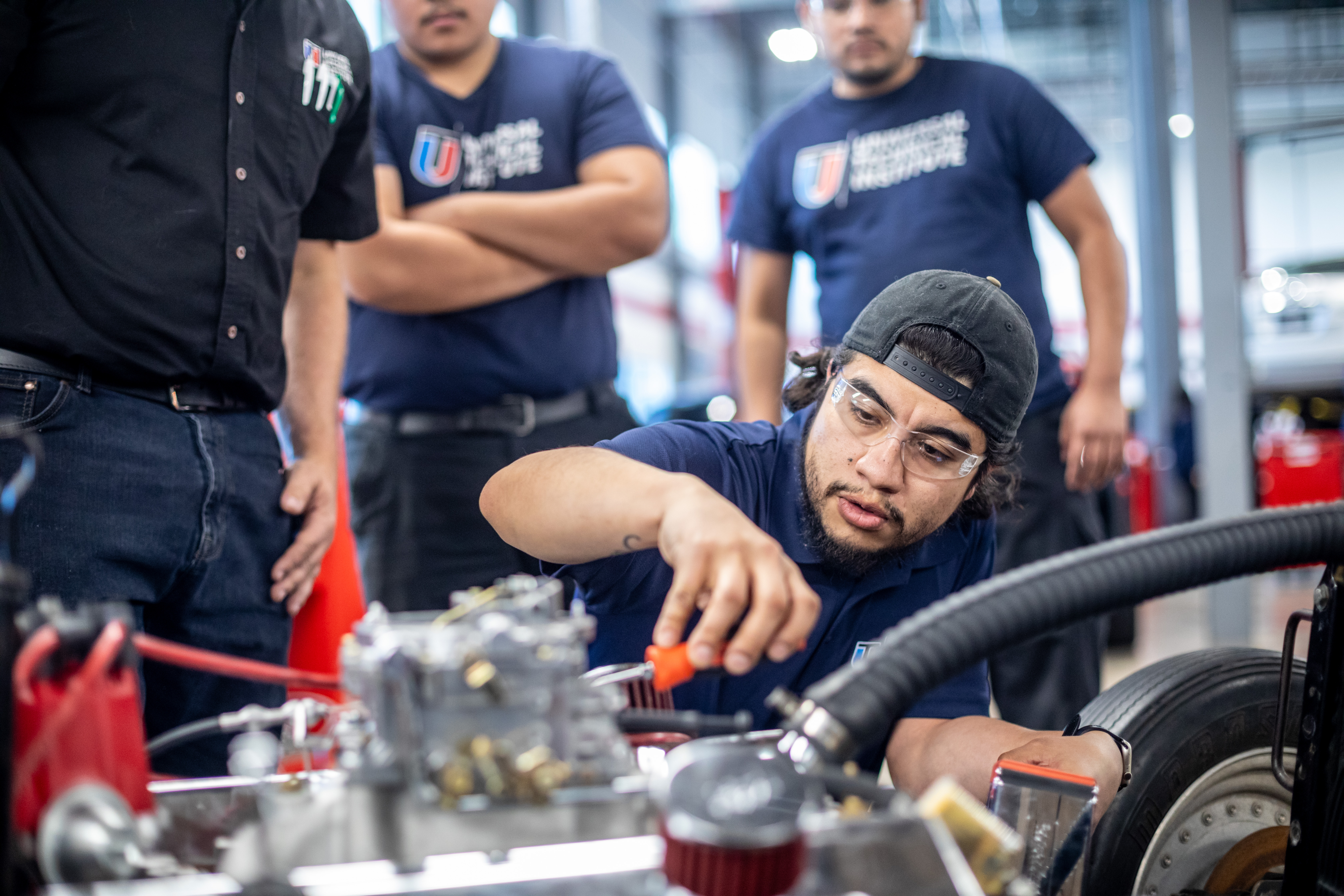
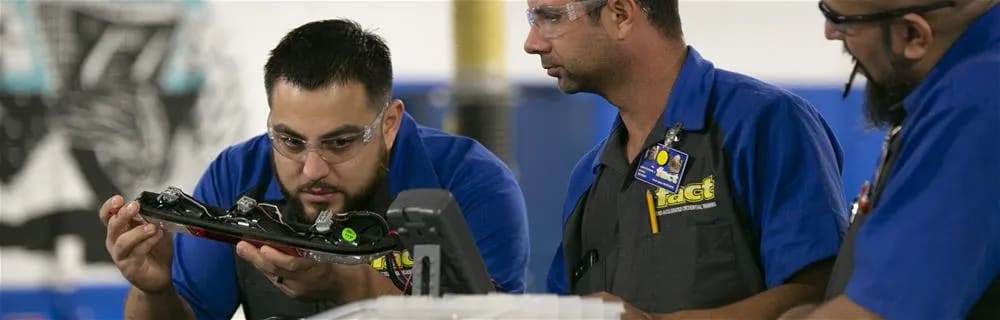
You’ll train with industry-standard tools, learn from experienced instructors and gain practical knowledge that can help prepare you for entry-level roles after graduation.
How UTI Can Help You Train for a New Career
UTI provides career-focused training designed to help students build practical, job-ready skills.1 Programs focus on hands-on learning so students can train in lab environments that mirror real-world work settings and industry tools.18
Coursework is aligned with current industry standards and taught by experienced instructors who bring real-world knowledge into the classroom. Students also receive support from UTI’s Career Services team, which helps with job search preparation before and after graduation.
FAQs About Changing Careers Into the Skilled Trades
Am I too old to change careers into the trades?
No. Many students enroll at different life stages, from recent grads to career changers. What matters most is your motivation and willingness to learn new skills. If you’re ready for a fresh start, age doesn’t have to be a barrier.
Do I need experience to enroll in an automotive or diesel training program?
No prior experience is required. Programs are designed to teach foundational skills from the ground up, so you can start with the basics and build confidence as you progress through hands-on training.18
How long does it take to train for a new career in the skilled trades?
Program lengths vary by field and campus, but many can be completed in one to two years. An admissions advisor can help you understand specific timelines based on your program of interest.
Can military experience help me transition into a technician role?
Yes. Many military skills — such as discipline, problem-solving and teamwork — transfer well into technical careers. UTI also offers education support for veterans, and advisors can walk you through available benefits.20
What if I’m not sure which trade is right for me?
That’s OK. Admissions advisors can help you explore different programs, answer your questions and align your interests with potential career paths. Talking through your goals can make it easier to find the right fit. Call (800) 884-2995 to speak with an advisor and get started.
Take the First Step Toward a Career Change
Ready to talk through your options? When you’re ready to move forward, take the next step and fill out an application today!
Sources
Universal Technical Institute of Illinois, Inc. is approved by the Division of Private Business and Vocational Schools of the Illinois Board of Higher Education.

Train for the Future
Imagine waking up each day excited to work in a career you’re passionate about – one where your hands-on skills make a real impact. UTI’s vocational trade school can help you gain the skills and confidence to pursue what you love.
