
300,000+
Students have graduated from UTI.
30+
Leading manufacturers help shape advanced training programs.
660+
Hours of hands-on training in less than 1 year.18
Over $27 million
In scholarships & grants awarded by UTI in 2025.10
Electrical & Electronics Training Paths at UTI
UTI offers two electrical and electronics training paths. Both provide hands-on learning designed to prepare you for careers in technology, manufacturing, residential, commercial and industrial environments.130 You'll practice with electrical systems, electronics and industrial manufacturing equipment throughout both programs.
The key difference comes down to duration and the credential you earn. You can enroll directly in either program—completion of the diploma is not required to begin the associate degree!
12-Month Diploma Program: Electrical, Electronics, & Industrial Technology
Designed for students who want to enter the workforce as quickly as possible, this path focuses on core technical training in electrical theory, wiring, troubleshooting and industrial systems.
✔ Hands-on lab training
✔ NCCER credentials + diploma
✔ Fast-track prep for technician roles
19-Month Associate Degree Program: Electrical, Electronics, & Industrial Management Technology
Includes the same core technical training as the diploma program, along with additional coursework that builds broader knowledge and skills.
✔ Hands-on lab training + expanded coursework
✔ NCCER credentials + associate of occupational studies (AOS) degree
✔ Prep for technician roles while earning a degree

12-19 Months
5 NCCER Credentials
11 Campuses
UTI Electrical Technician Courses
Students in both credential paths complete core electrical training courses covering topics such as:
- Introduction to Technical Trades
- Electrical Wiring
- DC Electrical Theory
- AC Electrical Theory
- Electrical and Electronics Troubleshooting
- Computers and Networking
- Security Systems, Access Control and CCTV Systems
- Fire Alarm Systems
- Satellite/Cable Wireless Technology
- Instrumentations and Control
- Industrial Robotics
- Mechanical Systems & Maintenance
Associate degree students complete additional coursework such as, Environmental Science and Organizational Behavior.
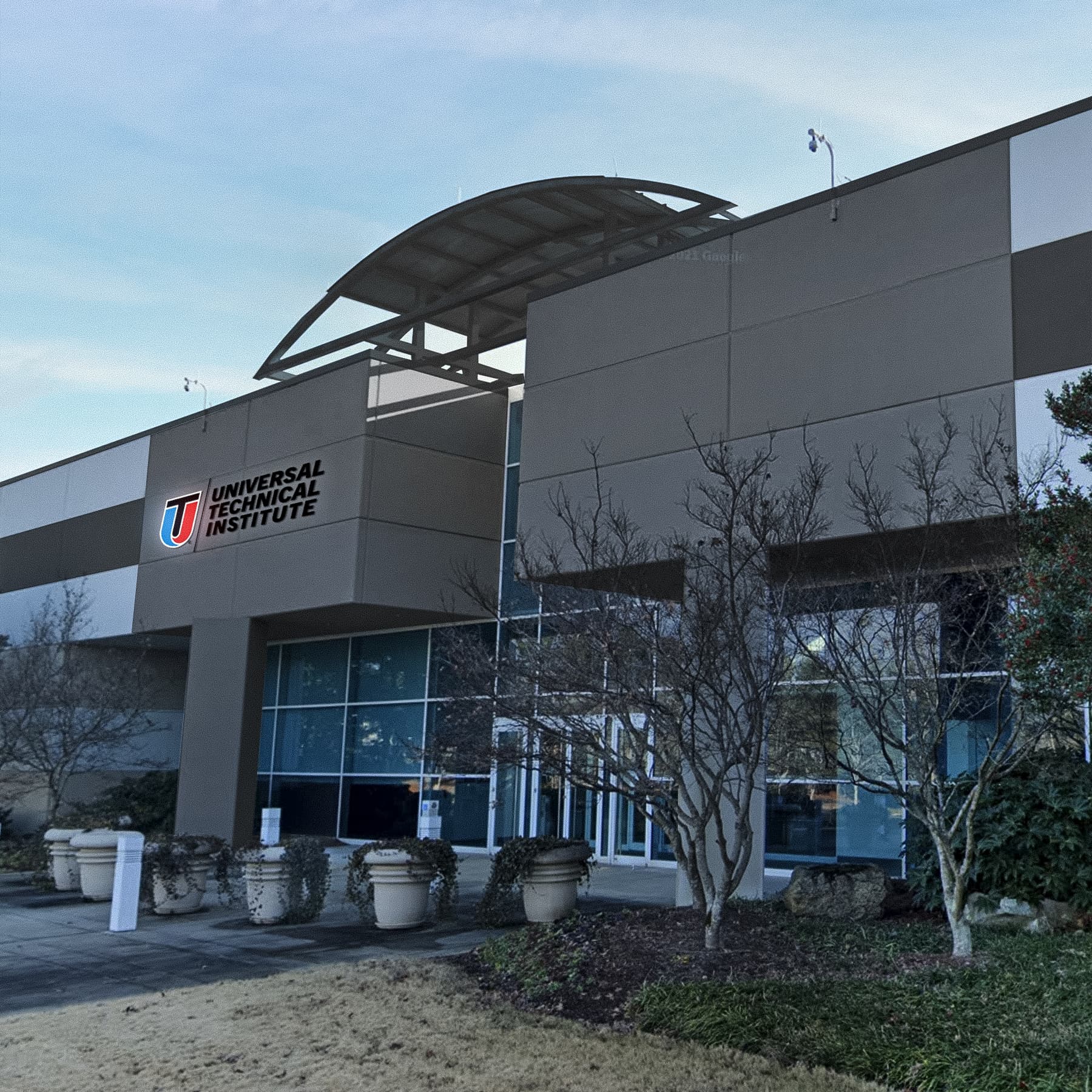
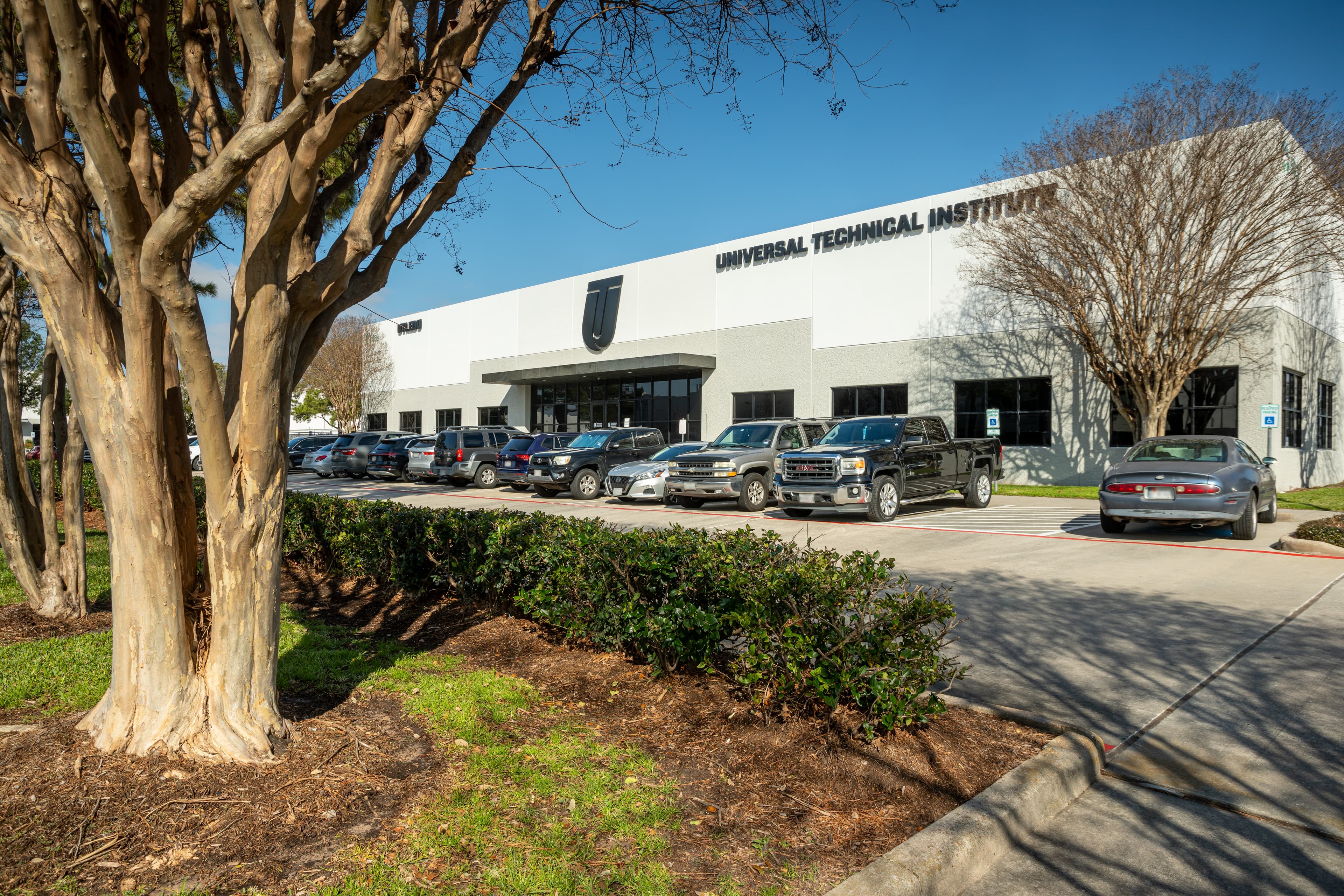
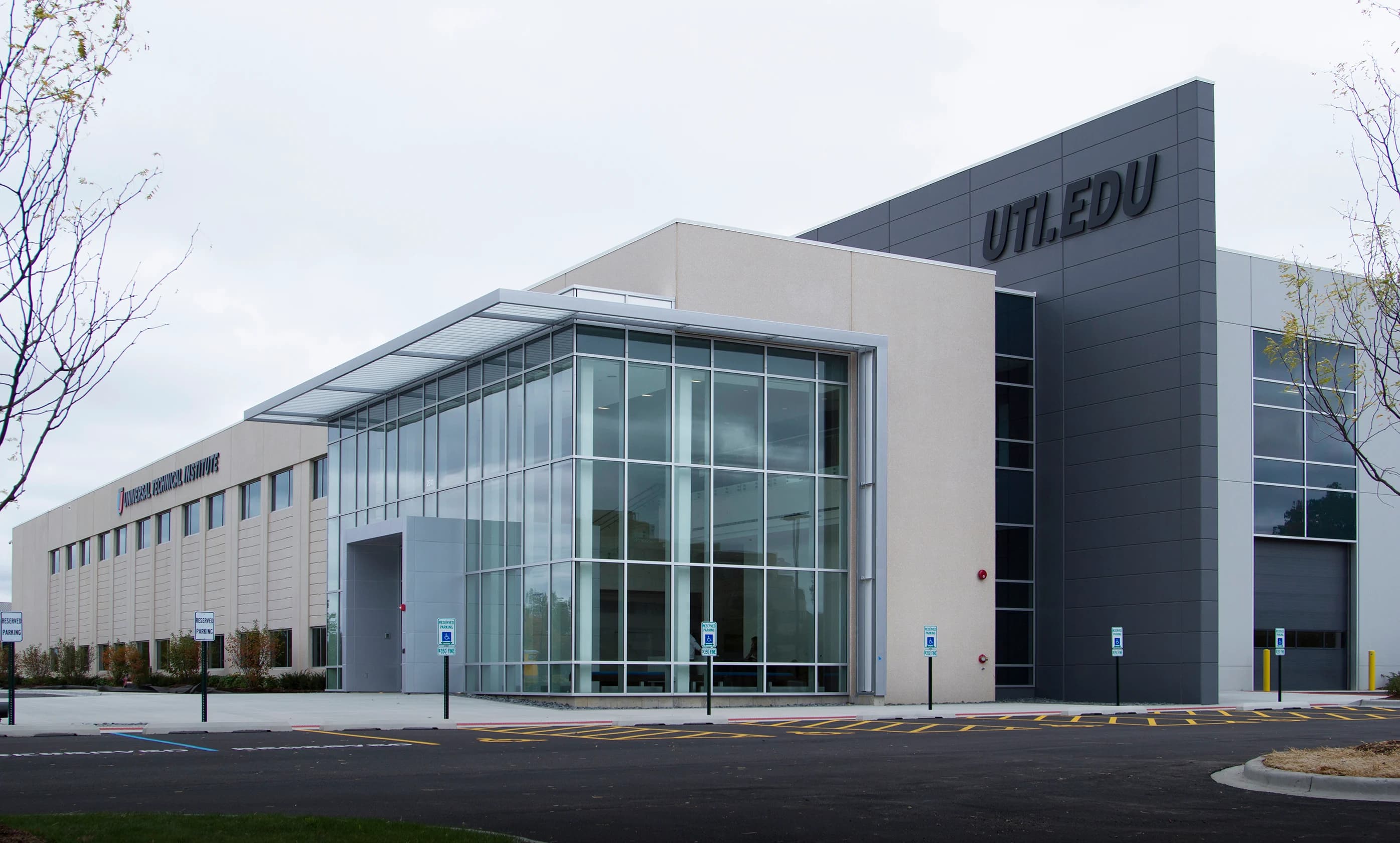
Electrical Technician School Locations
VA benefits may not be available at all locations.






The Future of Electrical
Grads from our electrical and electronics training are prepared to pursue entry-level roles. As with any industry, over time, they may be able to advance in their careers with experience and hard work.77 Graduates can pursue roles such as:130
- Electrician's assistant
- Fire alarm technician
- Security + access control systems technician
- Mechatronics technician
- Cable technician
- Electrical technician