
Aviation Technician Training Overview
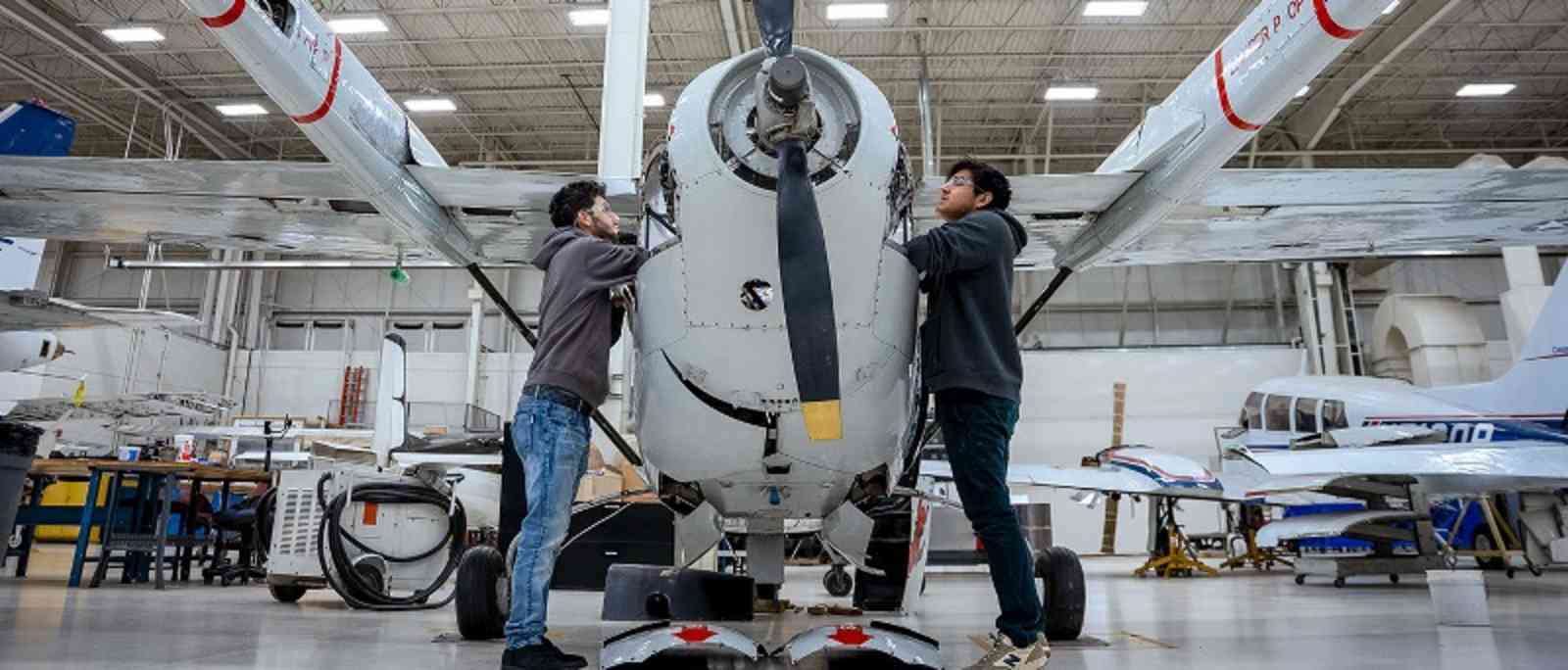
Aviation maintenance starts with the fundamentals — and this program gets into them fast. Universal Technical Institute’s Airframe & Powerplant Technician program helps prepare graduates for entry-level opportunities in the aviation industry through hands-on training in aircraft troubleshooting, hydraulics and pneumatics, powerplant lubrication systems and turbine engine operation.79 Graduates are then eligible to apply and test for Airframe and Powerplant FAA certification.128
18-20 months
6 campuses
Reasons To Choose Our Airframe & Powerplant School
- Train and graduate in just 18-20 months, depending on location.
- Get valuable hands-on training in the lab.
- Learn from passionate, experienced A&P instructors.
- Gain skills valued by employers.
Hands-On Training for Real-World Aviation Skills
Aircraft mechanic school should offer comprehensive, hands-on training designed to prepare students for entry-level positions in aviation after graduating.
UTI’s curriculum covers a wide range of topics — including airframe electrical systems, hydraulics and pneumatics — that can help you grow essential skills such as technical proficiency, problem-solving, manual dexterity, adaptability and safety awareness — key qualities employers typically look for in candidates.
Industry-recognized aviation certifications available
After completing UTI's aviation technician training, graduates will have gained the knowledge and skills needed to apply and test for Airframe and Powerplant FAA certification, helping them prepare to meet the demands of real-world aviation maintenance and repair.79,128
Aviation career search support for graduates
Our airframe & powerplant school is committed to supporting graduates of its Aviation program in pursuing aviation technician positions. Through its Career Services, UTI helps students network with potential employers and provides guidance on resume building, interview preparation and job search strategies.1
Different Career Paths as an Aviation Technician
A trained airframe and powerplant technician can apply their skills in many different roles. Our aircraft mechanic school grads are prepared to pursue entry-level roles after earning FAA certification. As with any industry, over time, technicians may be able to advance in their careers with experience and hard work. Here are some of the roles UTI graduates certified by the FAA can aspire to fill.77
Entry-level
- Aviation maintenance technician
- Powerplant technician
- Field technician
Advanced
- Aircraft restorer
- Helicopter mechanic
- Avionics technician
- Aircraft mechanical installer
- Aircraft electrical installer
- Aircraft structural/sheet metal mechanic
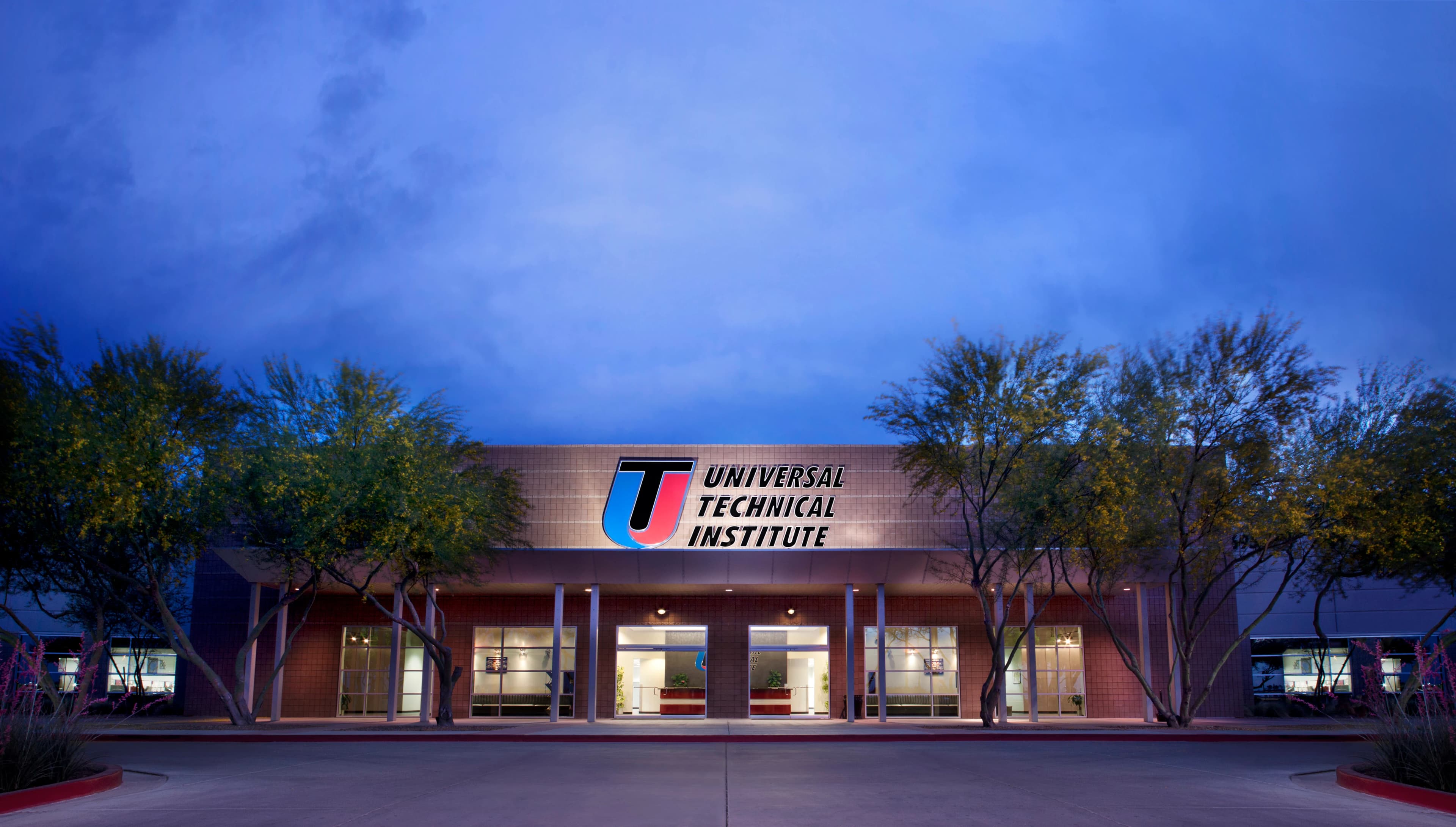
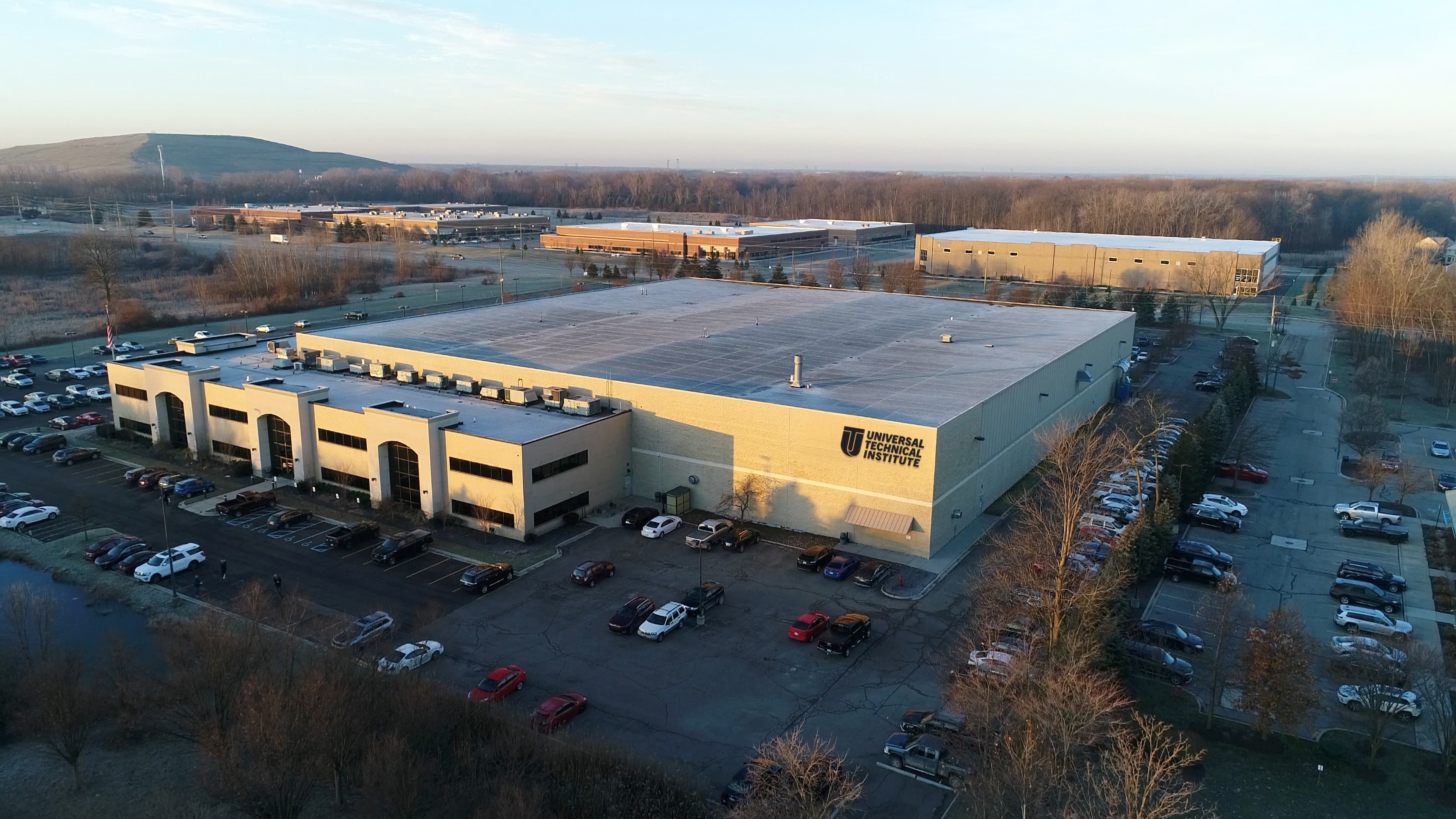
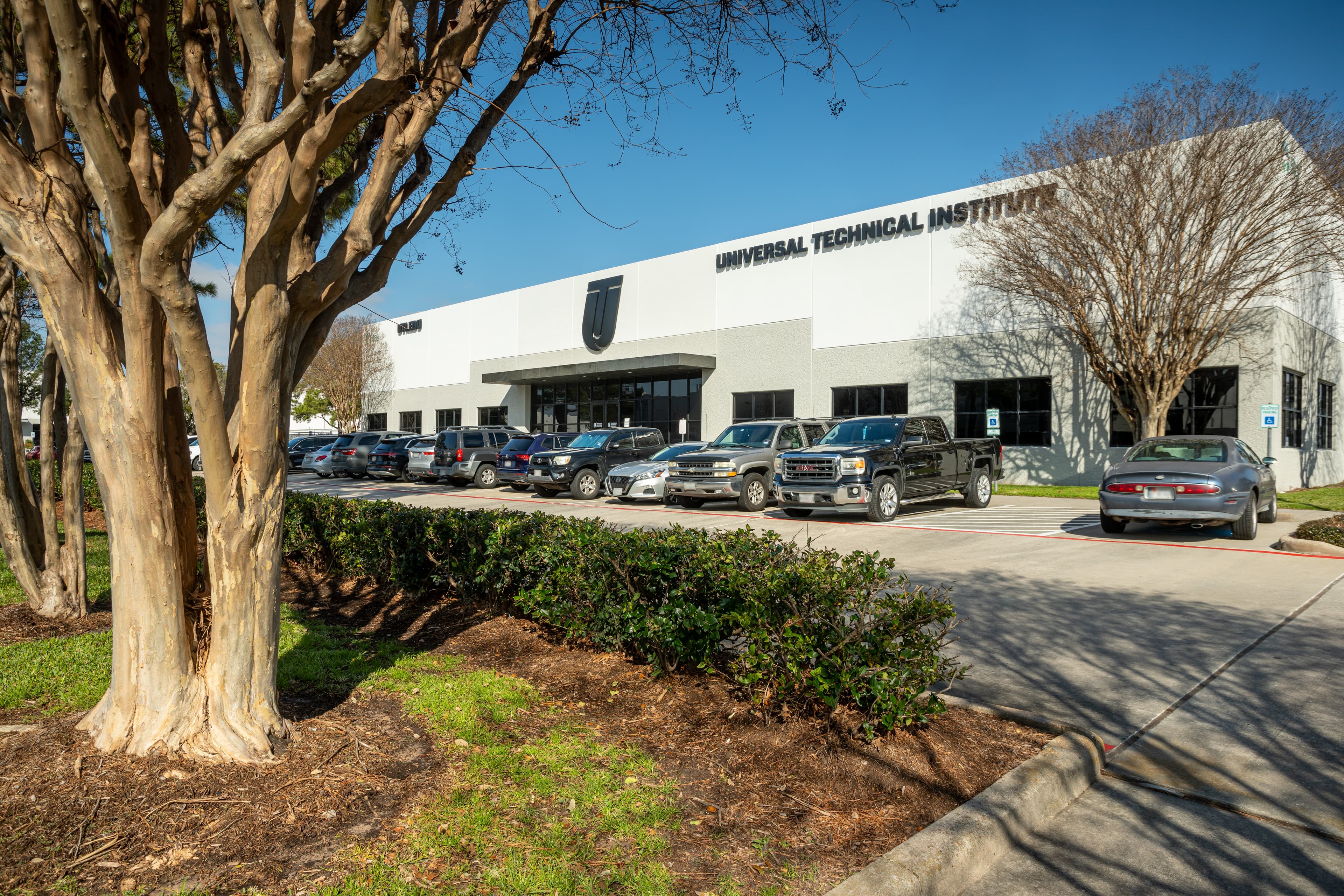
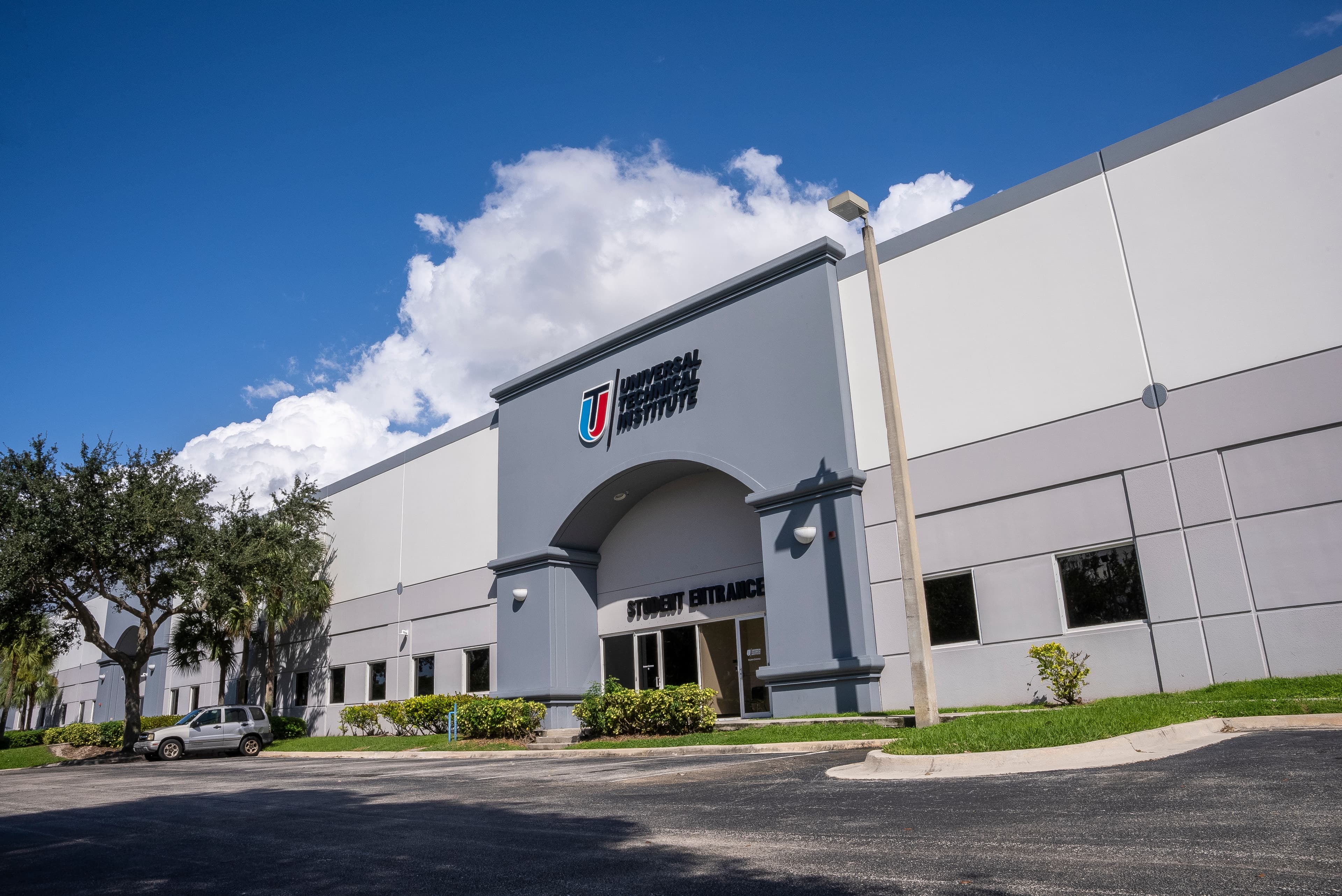
Airframe & Powerplant School Locations
Aircraft Mechanic Courses
At our aircraft mechanic schools, your training will take you through a variety of course topics, such as:
- Non-destructive testing
- Basic sheet metal
- Assembly and rigging
- Fuel systems
- Airframe electrical
- Navigation and communication systems
- Hydraulics and pneumatics
- Landing gear systems
- Reciprocating engine operation
- Powerplant lubrication and propellers
- Turbine design and operations
- Non-metallic structures and repair
- Paints and finishes
Exact course offerings vary by campus.
Earn an Associate Degree
At select campuses, students can continue their aviation training in the Aviation Maintenance Technology program to work toward an associate degree or enroll in Aviation Maintenance Technology as the primary aviation training path.
Tool Up With Snap-on®
Eligible graduates can receive a Snap-on® Career Starter Tool Set Voucher, and full-time students can access student discounts, helping them build their professional tool collection as they prepare for opportunities in the industry.19
The Future of Aviation
The aviation industry needs technicians who have both the skills and passion needed to maintain aircraft. Our Aviation programs give students hands-on training so they can learn in-demand skills employers are looking for.79
Many UTI students come from different backgrounds and are ready for a new direction. If you’re looking to switch fields or start fresh, our hands-on training can help you build real-world aircraft maintenance skills.
Projected Outlook for Aviation Careers
Aircraft Mechanic School FAQs
Learn Hands-On Skills at Aviation Mechanic School!
Start training for the work that keeps aircraft moving. Click the request info link below, and we’ll connect you with an Admissions Representative who can help you get started with Airframe & Powerplant training.