
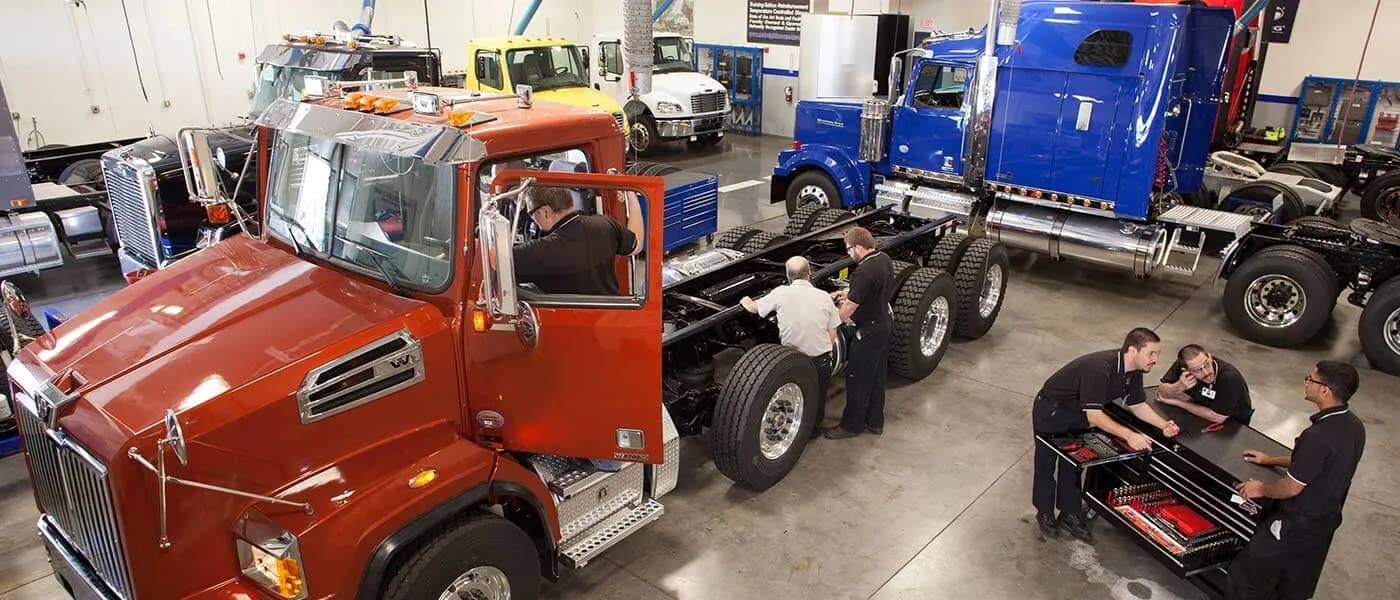
What Does a Diesel Mechanic Do?
Diesel mechanics inspect, repair and overhaul any piece of equipment with a diesel engine. Bulldozers, cranes, dump trucks and generators are just some of the equipment they commonly work on in a typical day.
This isn’t a career built around abstract concepts. Diesel mechanics work on machines that move freight, build cities and power job sites. They troubleshoot high-performance engines, repair critical systems and take pride in keeping essential equipment operating safely and reliably. For those who learn best by doing and want a practical path forward, hands-on diesel training provides that foundation.
Prepare for a Future as a Diesel Mechanic
Diesel technicians are in demand, and our graduates come out of school prepared to help meet that demand.
26,000+
Estimated average annual diesel job openings in the U.S. 43
12.87 billion
Tons of freight transported by trucks in 2024 alone

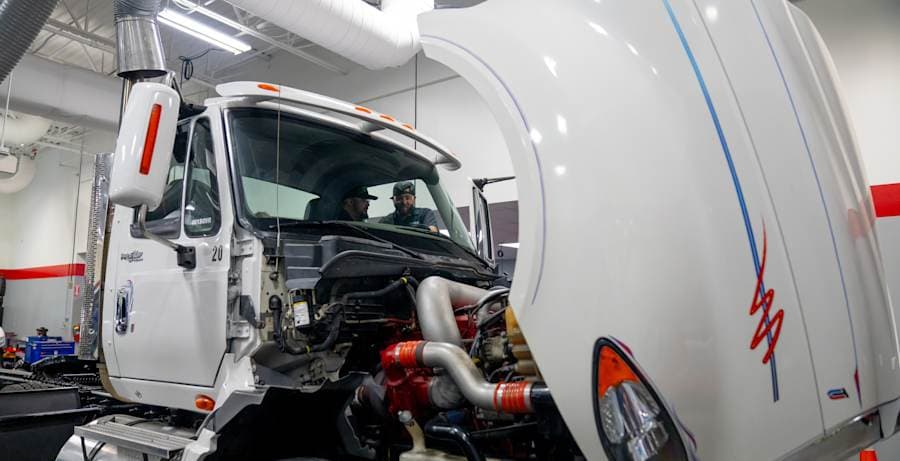
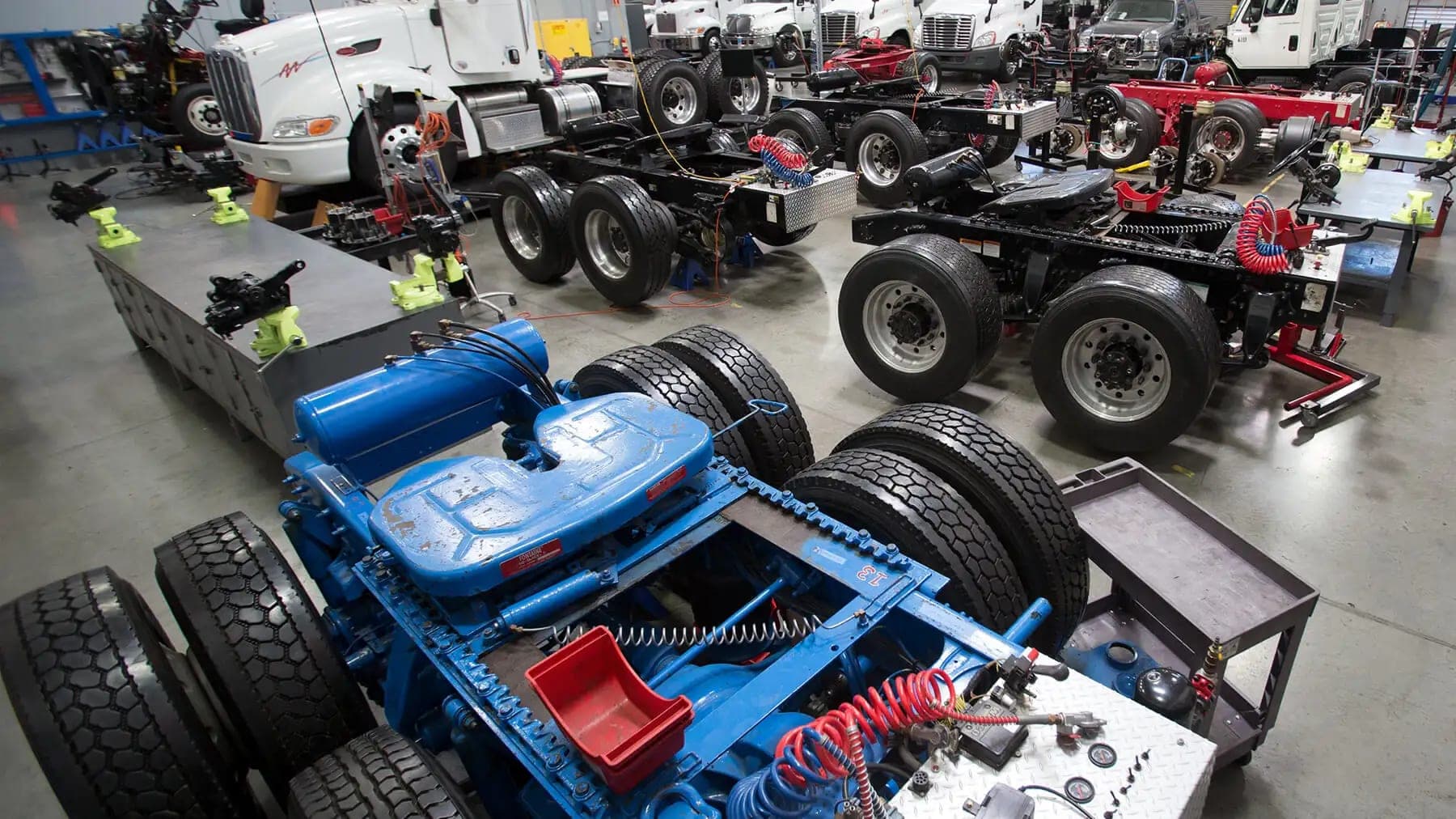
Careers You Could Pursue After Diesel Technician Training
From long-haul transportation and construction to agriculture, power generation and beyond, diesel technicians work wherever engines are built for endurance. Train for a role that powers America.
Entry-Level
Roles UTI grads are prepared for:77
- Diesel technician
- Heavy equipment repair technician
- Power generation technician
- Mobile diesel mechanic
- Agriculture technician
Advanced
Roles you may be able to pursue in time with hard work and experience:
- Master technician
- Fleet technician
- Shop Foreman
- Service manager
- Shop owner
Jobs UTI Diesel Mechanic School Students Landed After Graduation
See where training took them.6
From Warehouse Worker to Diesel Technician. Brandon’s story shows what’s possible when you commit to your goal.
“I feel like I really am where I’m supposed to be.” Pedro’s journey shows the benefit of hard work.
What to Expect From Diesel Mechanic Training at UTI
UTI’s Diesel Technology program helps you build foundational skills from the ground up, teaching you how to diagnose, repair and replace like a true big-engine professional.
In less than a year, you could graduate as a trained diesel technician.7 It all starts with completing a core Diesel program. From there, you can move on to specialized advanced training on diesel trucks and engines from leading brands.
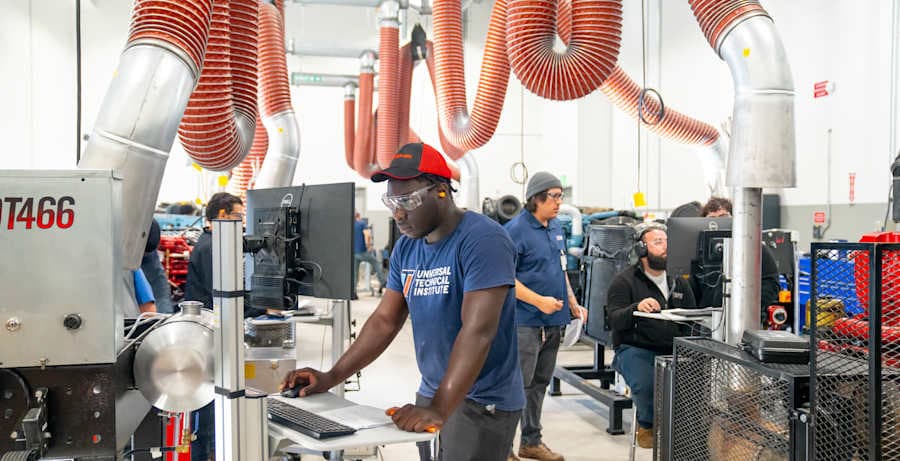
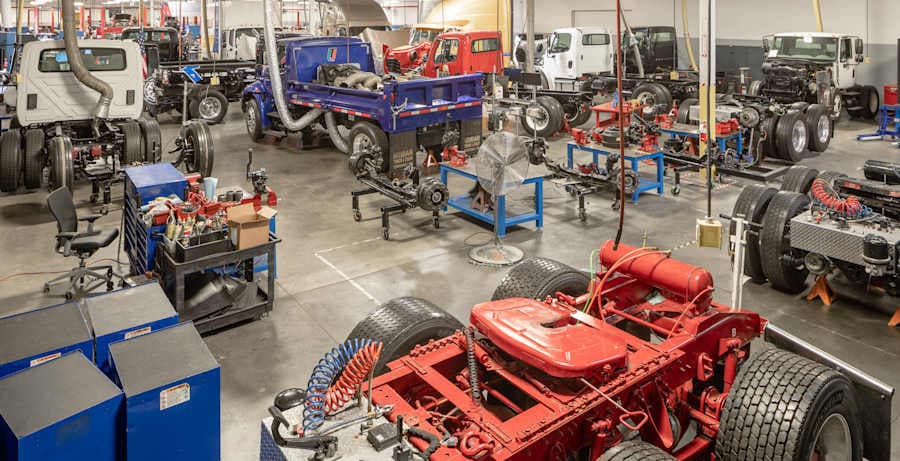
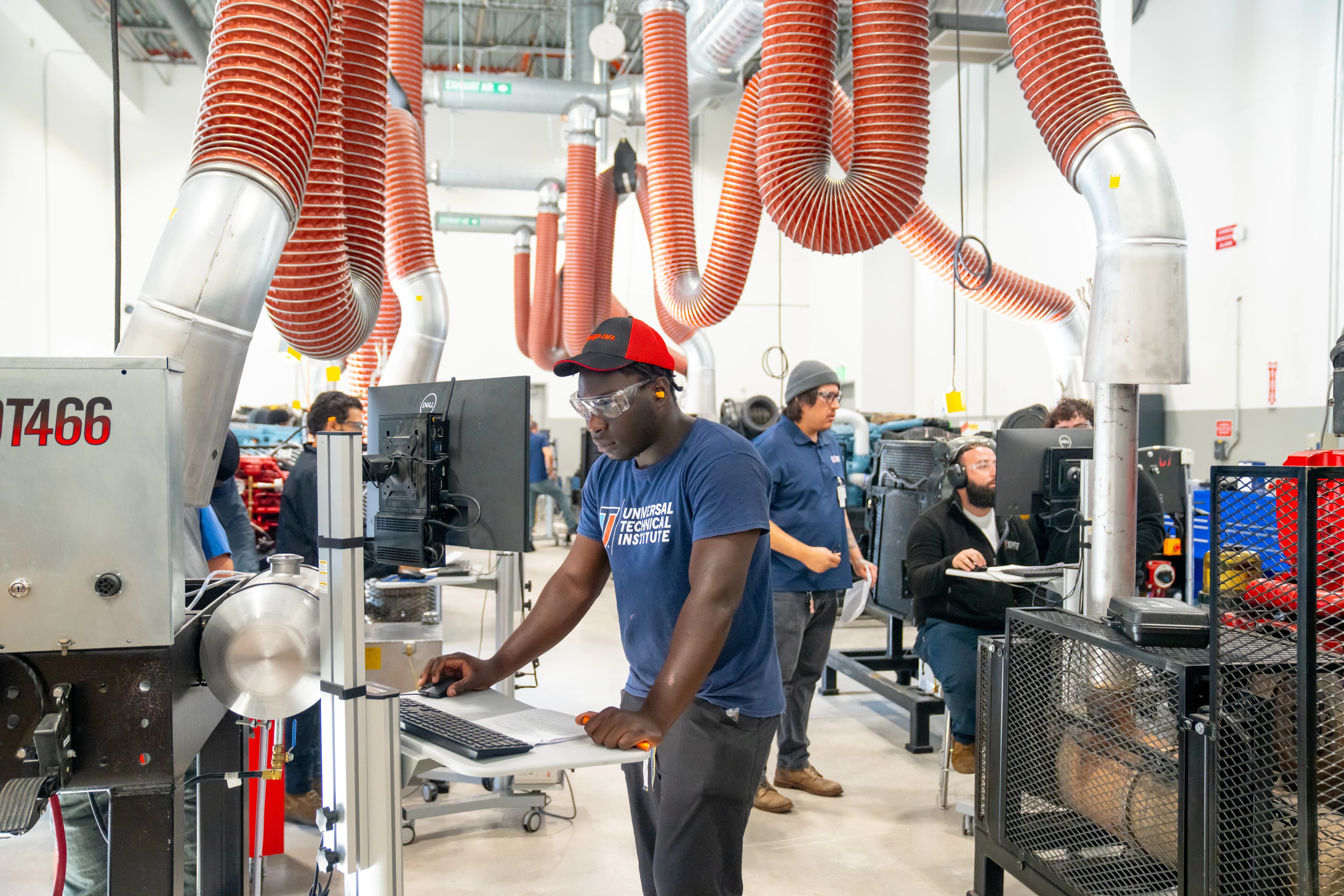
Our Diesel Technology program follows a blended-learning model, combining instructor-led online coursework with hands-on application in the lab. This gives students the flexibility to train like they would in the workforce, combining online training with real repairs and maintenance.
Many students come to UTI ready for a new path. If you’re looking to make a change, our hands-on diesel training can help you build technical skills and prepare for a career working with powerful engines, with Career Services support to help connect you with employers after graduation.
11-12 months
4 programs
Specialized Diesel Technician Training
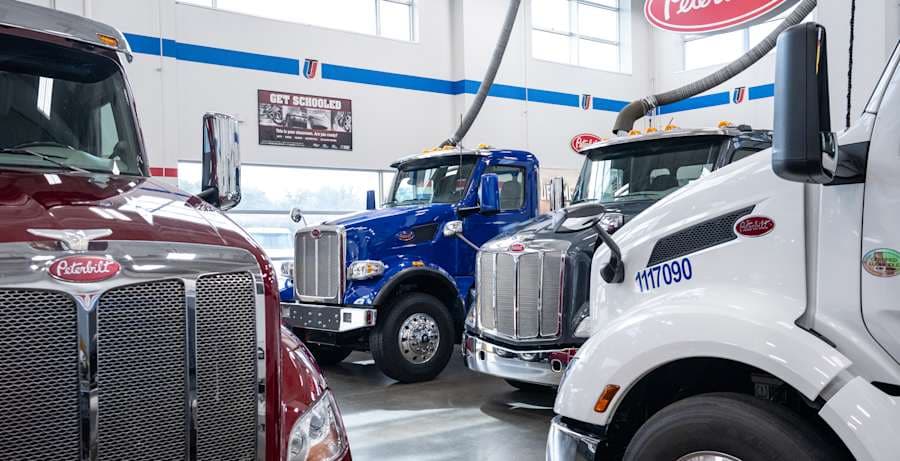
Take your diesel technician skills to the next level through Manufacturer-Specific Advanced Training (MSAT) programs at UTI. These diesel mechanic programs are developed in collaboration with leading manufacturers in the industry, such as Cummins,46 Peterbilt15 and Freightliner. Students learn current techniques, tools and technologies unique to these brands.
In fact, the curriculum is designed to mirror the workflows, repair procedures and diagnostics found in diesel shops, which can help with the transition from diesel mechanic school to pursuing a career.
As an added advantage, some of these advanced training programs can be funded by the manufacturers themselves, making it easier to focus on honing skills without the burden of tuition costs.15




Diesel ASE Certification
UTI’s diesel mechanic training program is accredited by the ASE Education Foundation, a division of the National Institute for Automotive Service Excellence (ASE).16
Graduates of the program are prepared to take ASE examinations and can substitute their training for one of the two years of experience required to take the exams to become ASE certified.
UTI Diesel Mechanic School Locations
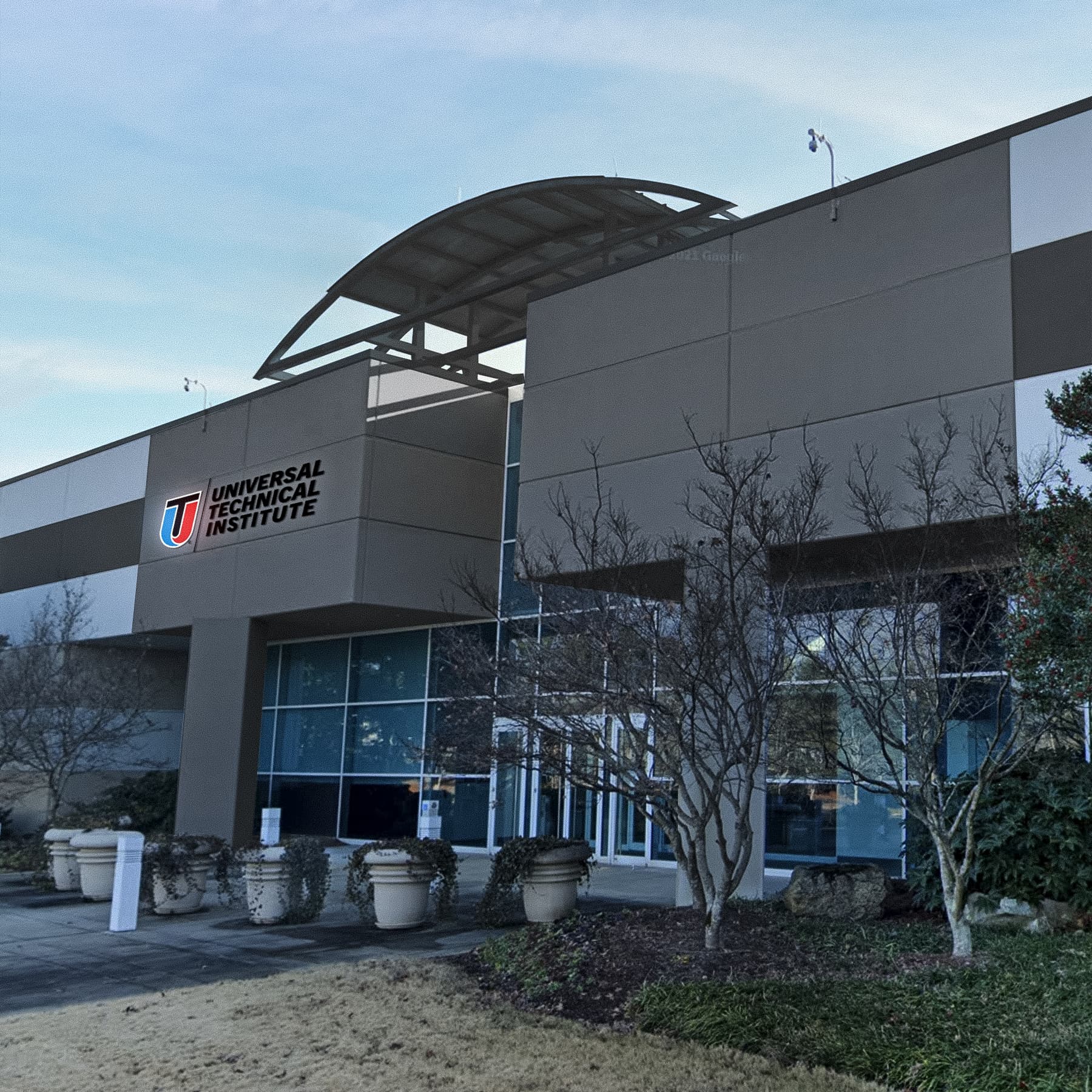
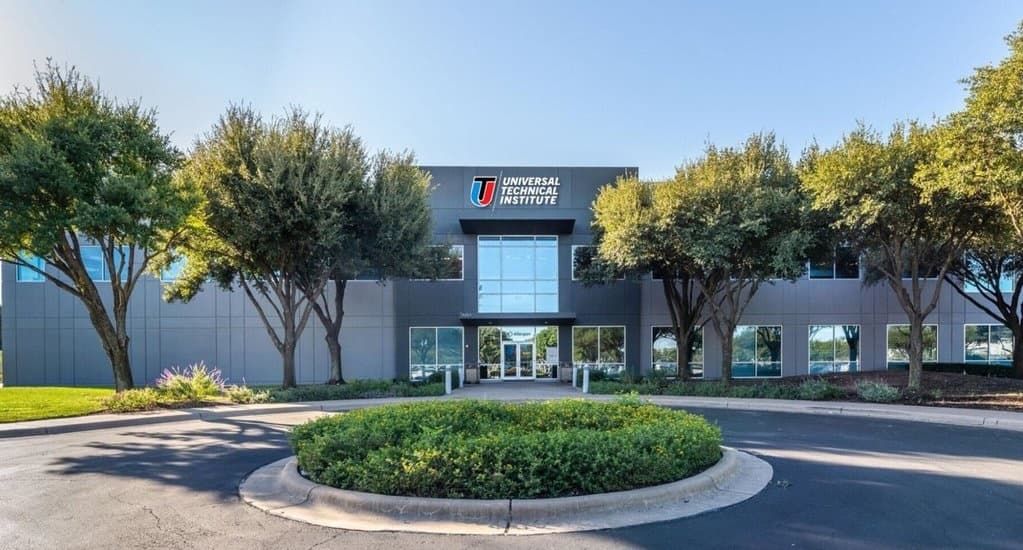
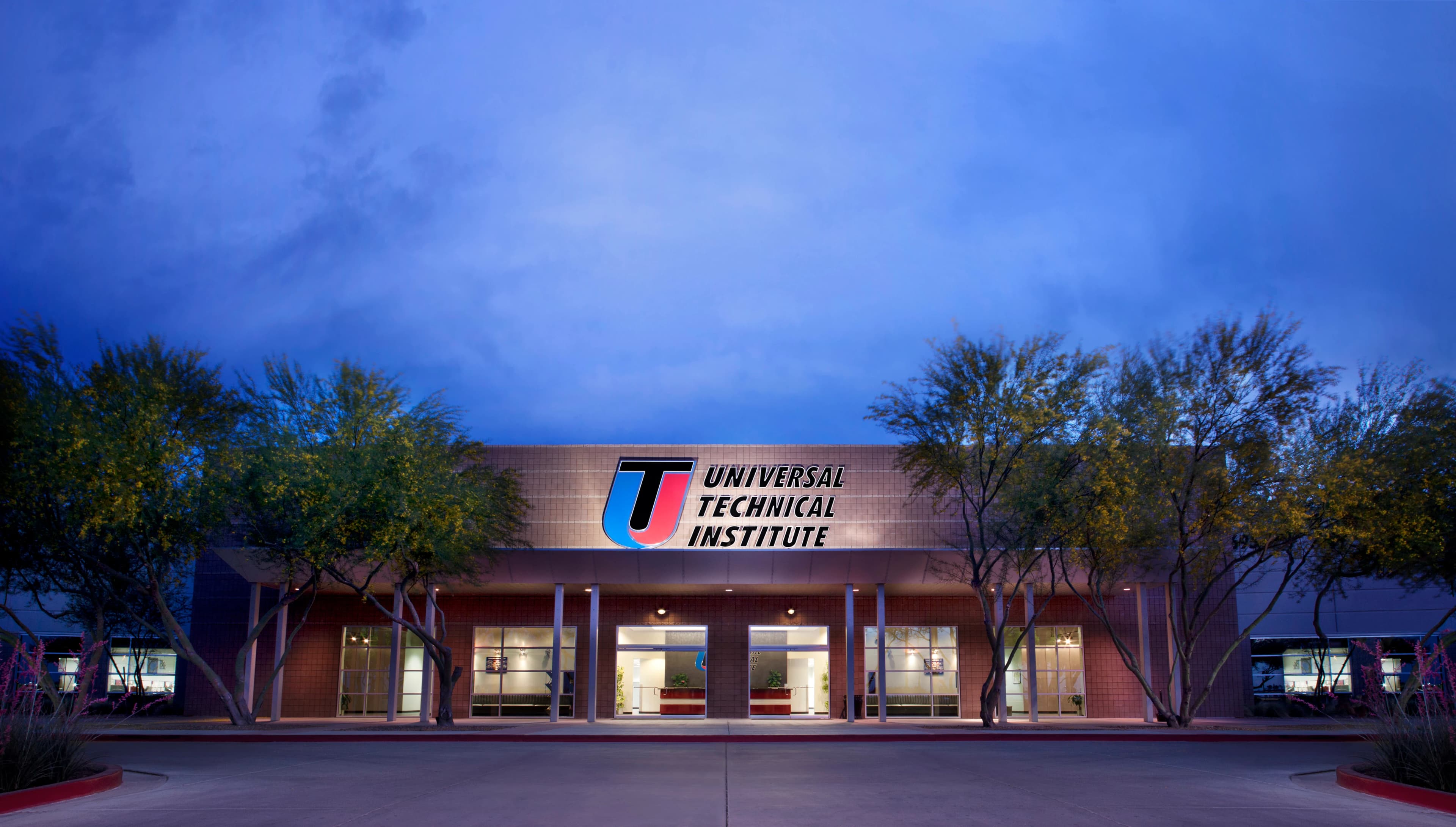
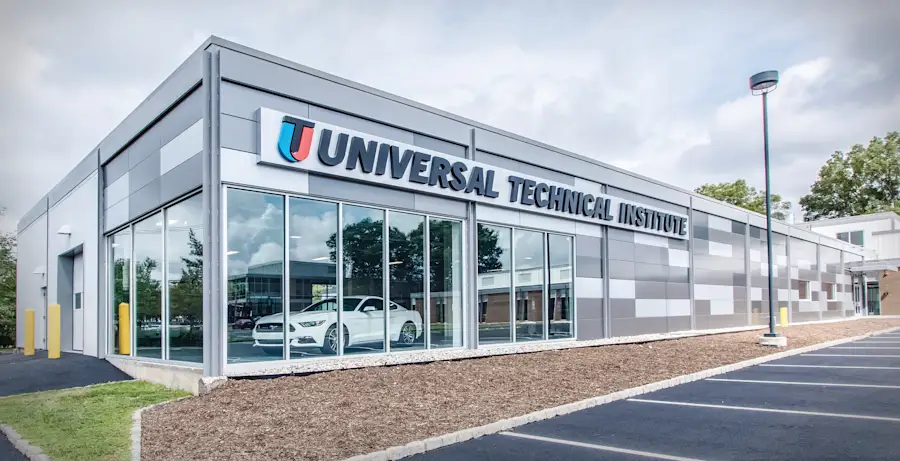
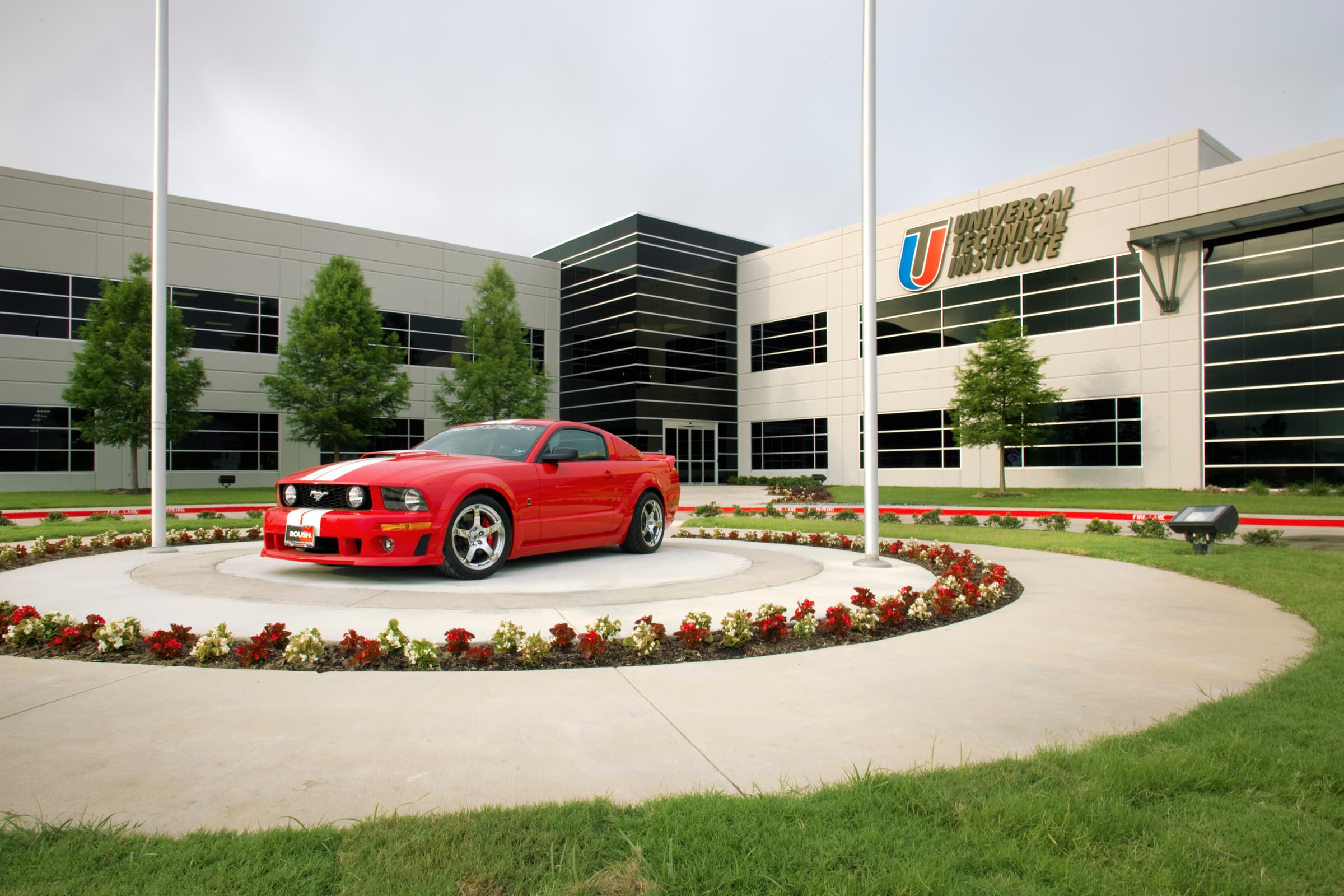
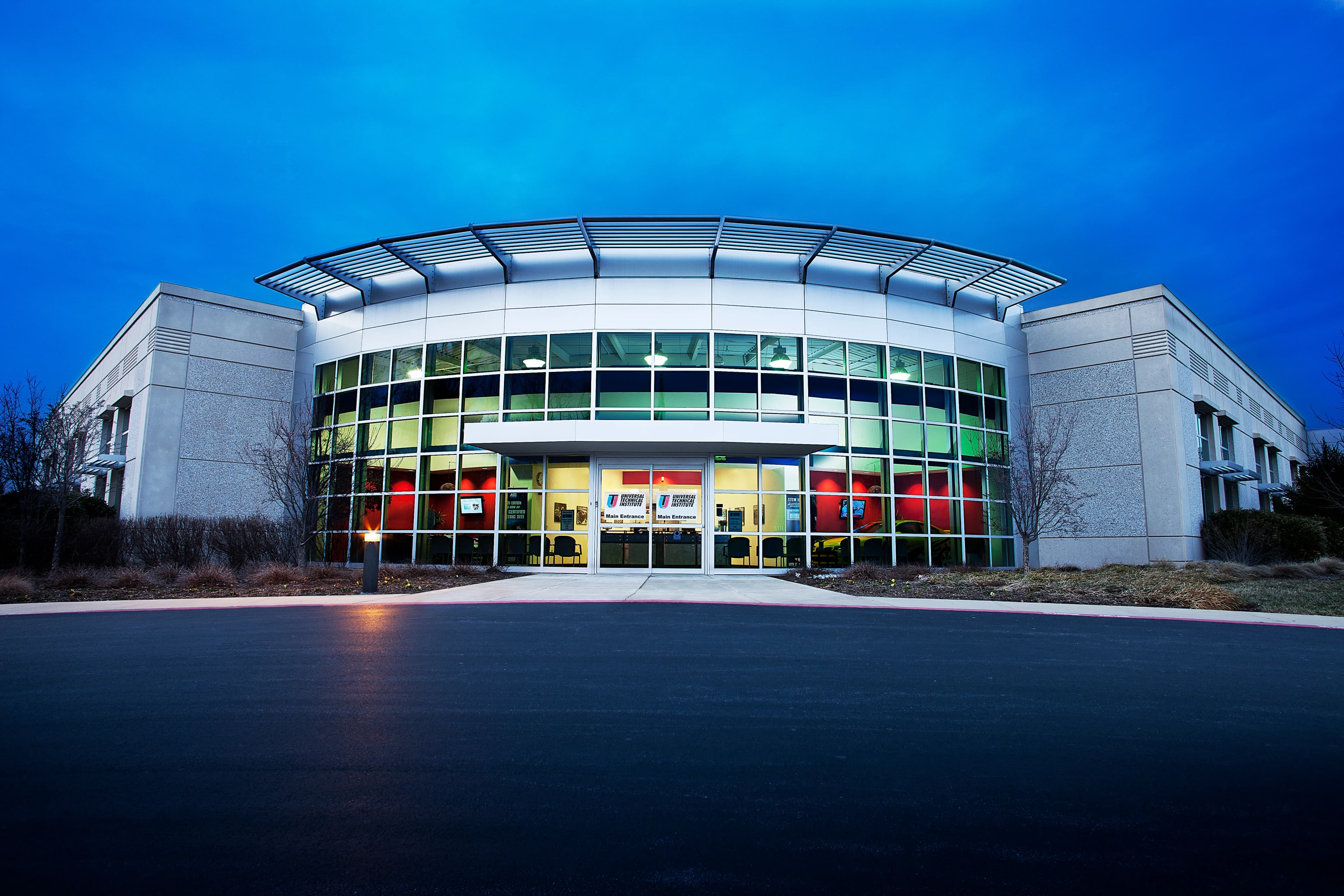
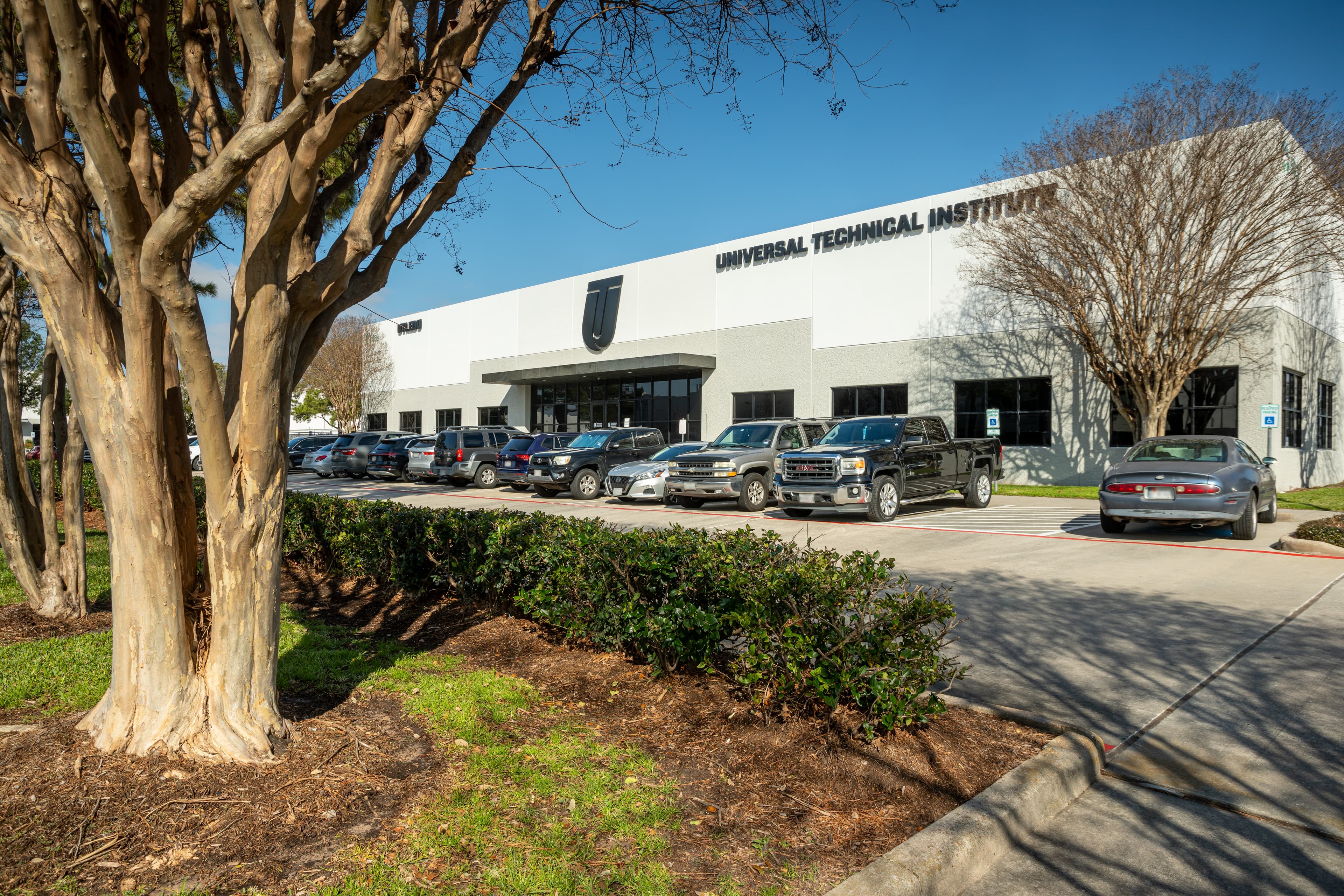
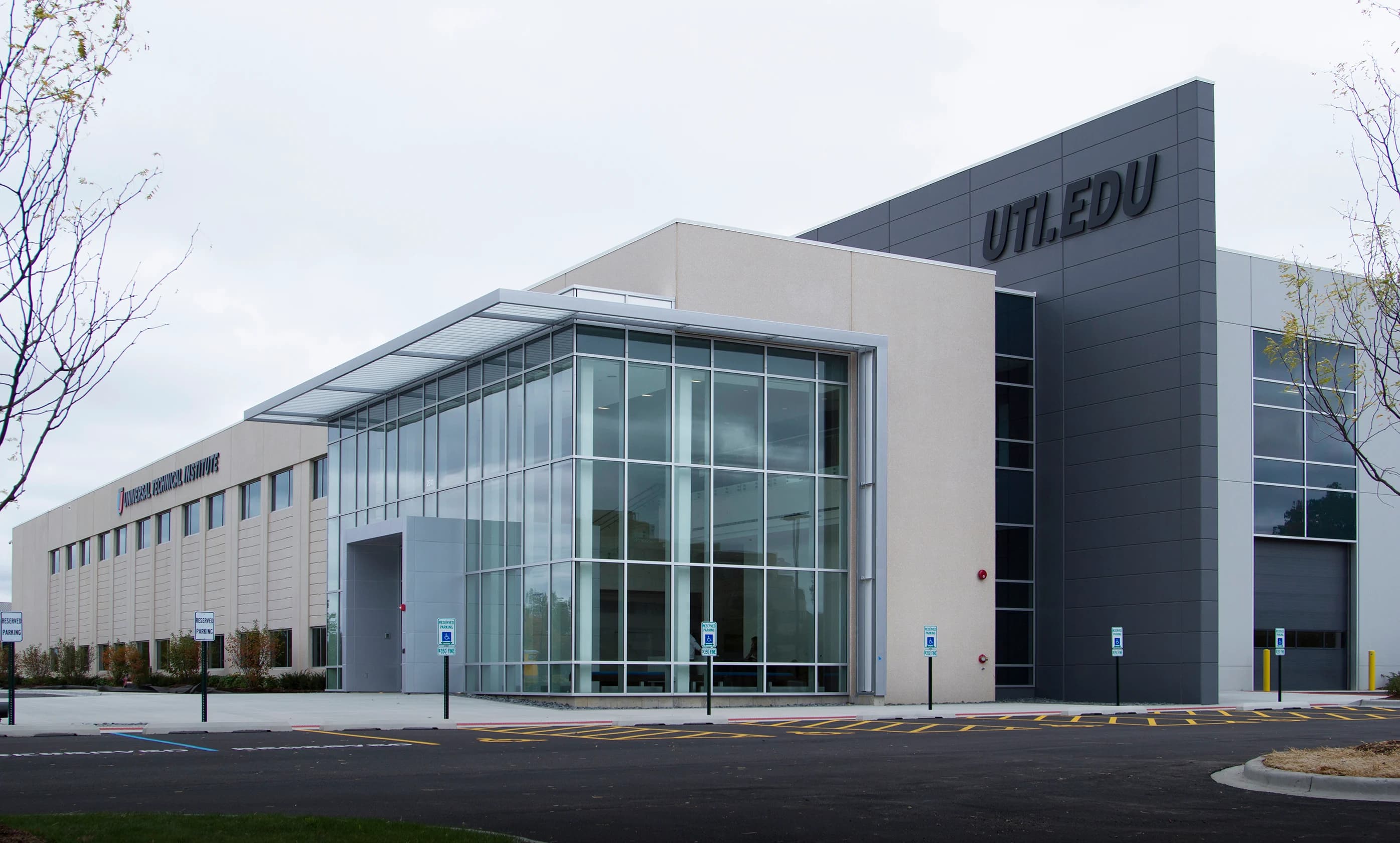
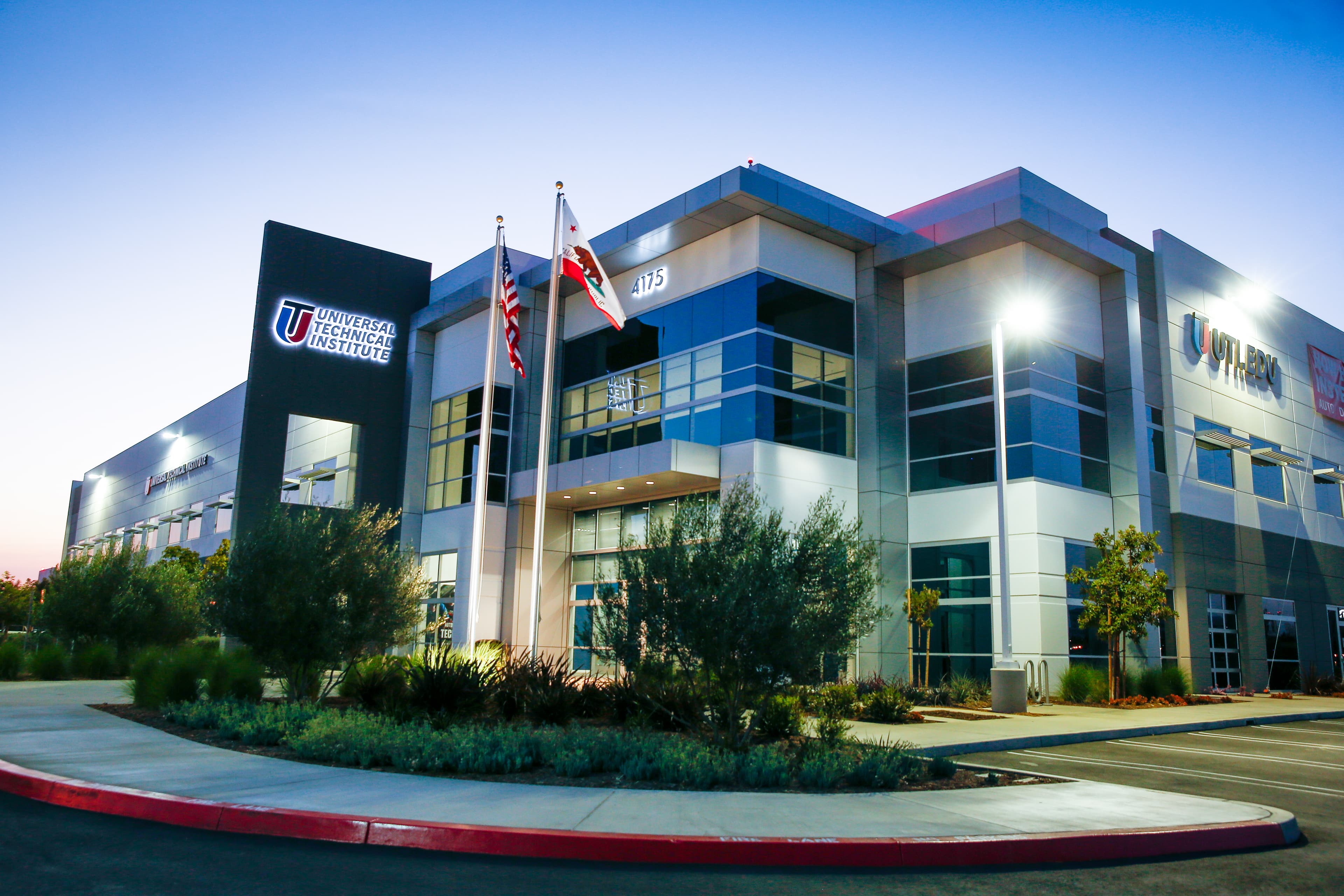
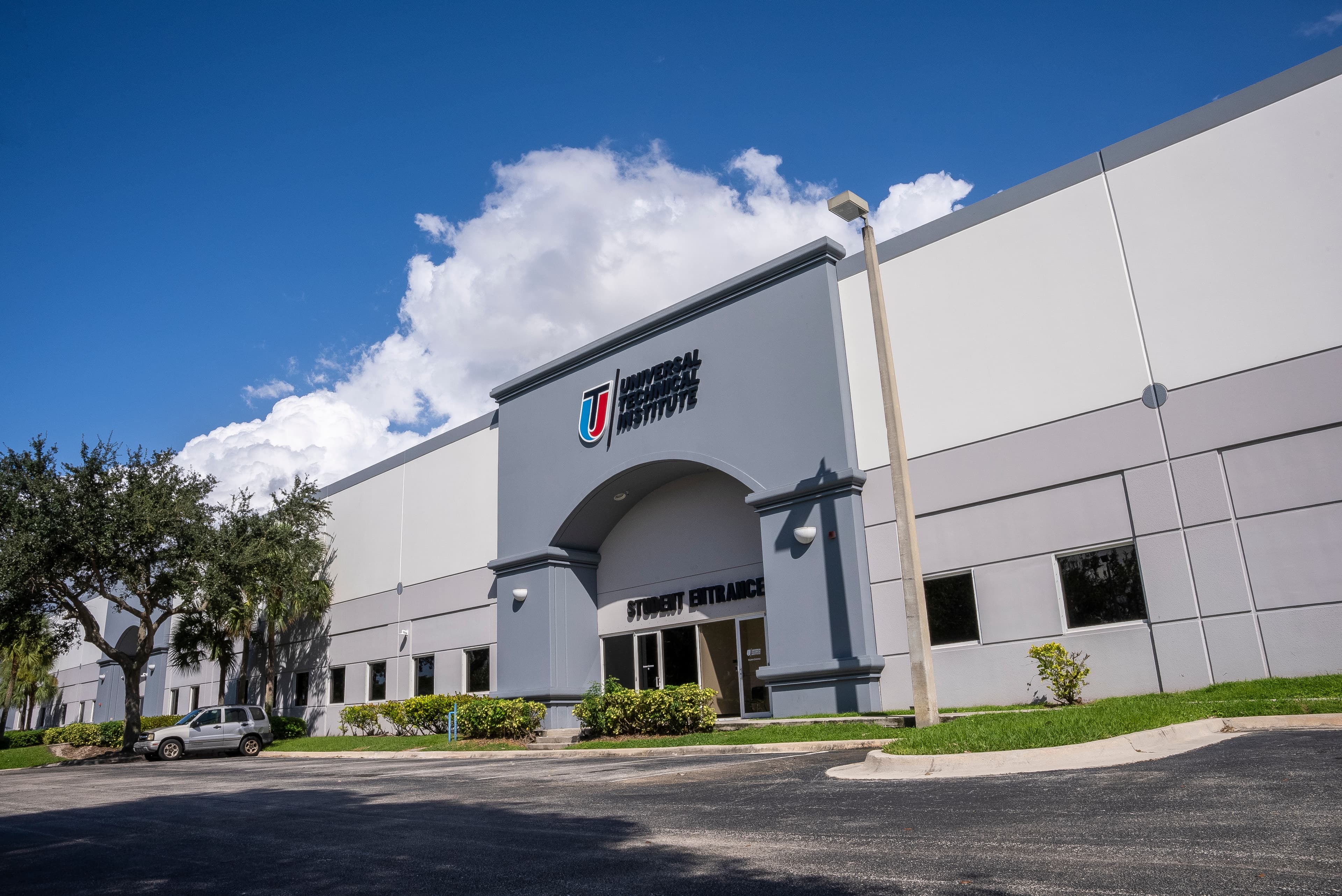
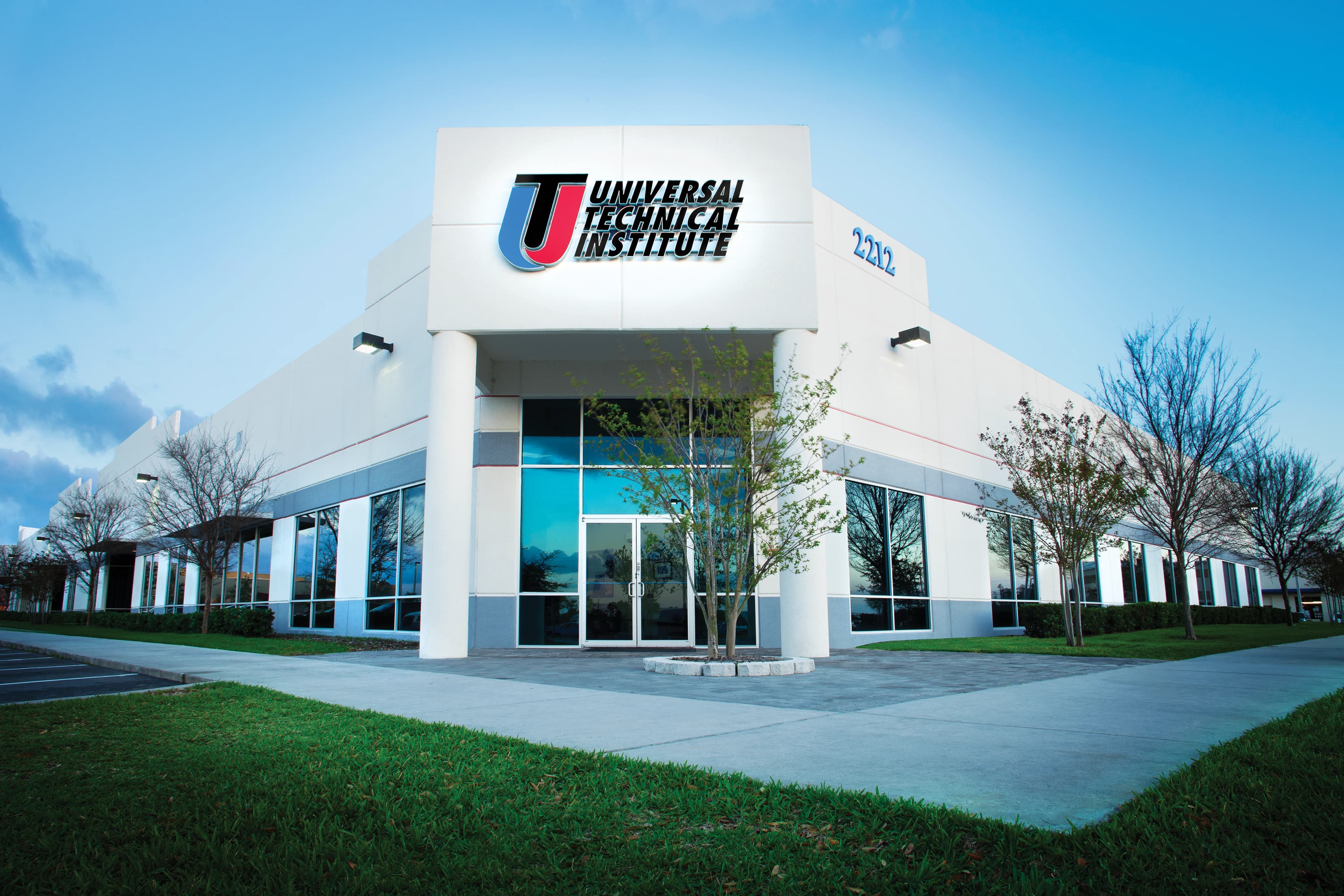
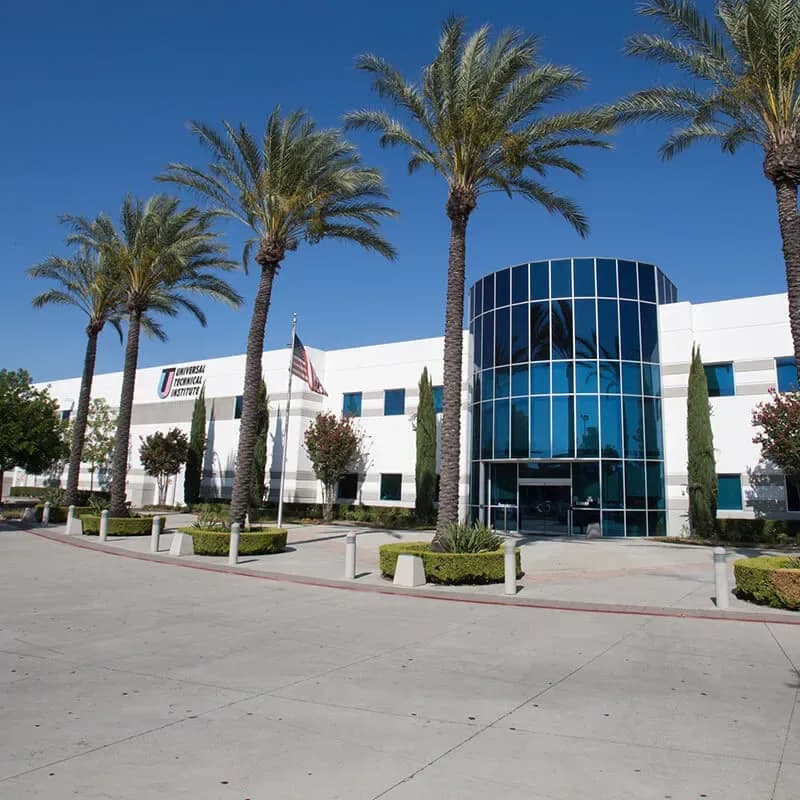
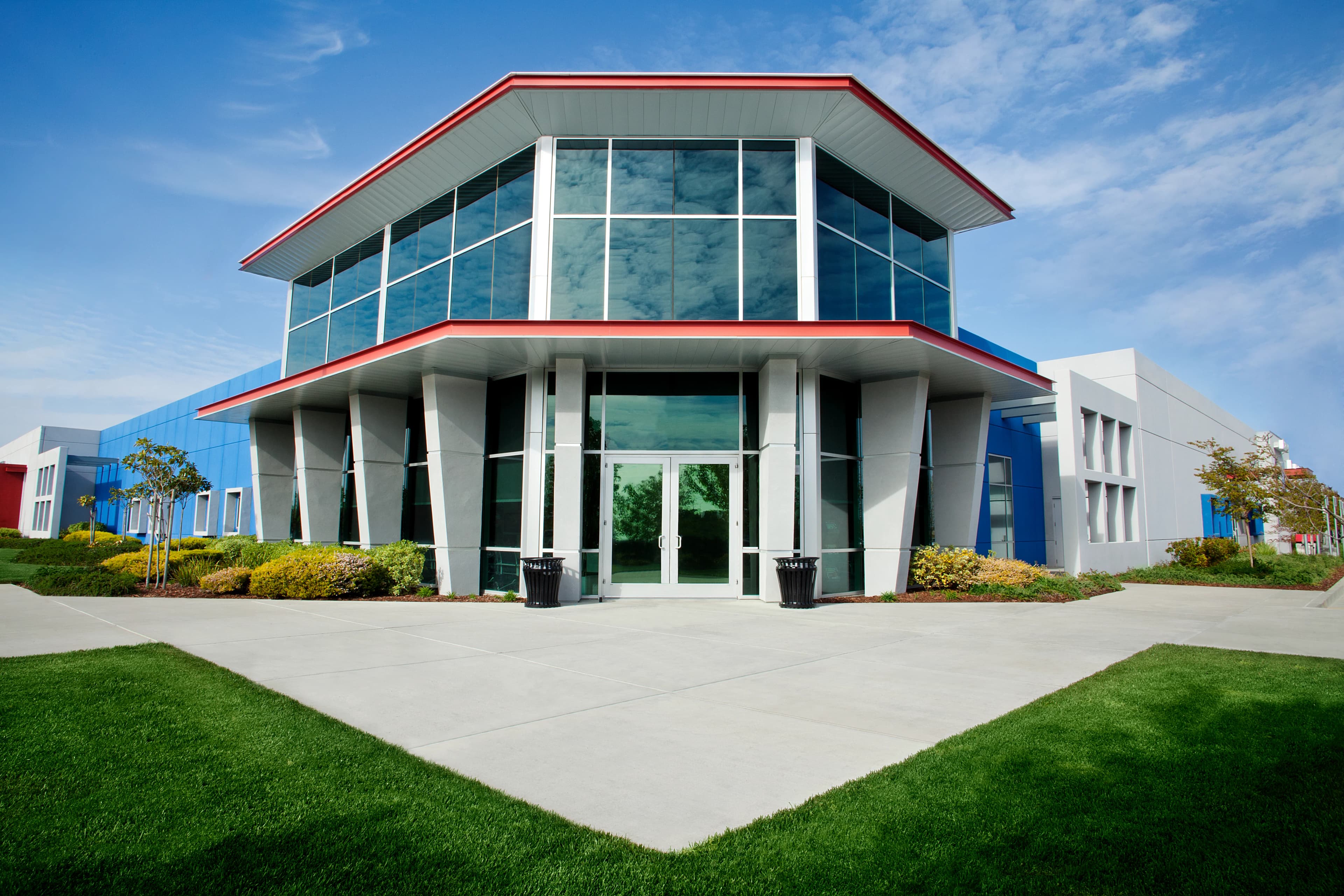
UTI's Diesel Technology training program is offered at campus locations across the country. So, whether you live a few miles away or in a different state altogether, we can help you find the right school. Need help making the transition from home to school? Our Housing Services team can assist you.
VA benefits may not be available at all locations.
Will You Help Me Look For a Job?
UTI teams with nationwide employers to help students nearing graduation search, apply and interview for jobs in their field. Some students even have jobs lined up before they graduate. Here’s how we’ll help:
- Professional résumé development
- Interview training techniques
- Access to a nationwide job database
- On-campus interviews
- Career networking events
- Career advancement services as an alumnus
How Much Is Diesel Mechanic School at UTI?
Each campus provides a detailed cost breakdown outlining tuition and estimated living expenses so you can review your total cost before any financial aid you may qualify for.10 Our Financial Aid team is available to help you review your options and plan accordingly.
When Do Classes Start?
Diesel mechanic classes begin at regular intervals so you can start when it's convenient for you. We'll help those who are eligible apply for financial aid,10 submit required paperwork, set up campus tours and even help you find housing.
13 locations
Number of campuses that offer diesel mechanic training
Upcoming Start Dates
July 13th, 2026
Spots Still Open
August 3rd, 2026
Spots Still Open
August 24th, 2026
Spots Still Open
FREQUENTLY ASKED QUESTIONS
Yes! UTI offers two specialized Cummins programs: Cummins Engines and Cummins Power Generation.
The Cummins Engines diesel mechanic classes provide training on midrange engines, heavy-duty engine overhaul, electronically controlled engines and more.46
The Cummins Power Generation courses focus on equipment and controls, as well as engine maintenance of electrical generators and power generation systems that run in a variety of commercial and personal applications.9
The median annual salary for salary for bus and truck mechanics and diesel engine specialists in the United States was $60,640 in May 2024,29 according to the Bureau of Labor Statistics (BLS). This means half of diesel technicians earned more and half earned less. Keep in mind that salary depends on several factors, including experience, employer, demand and cost of living in the area. View our diesel technician salary guide to learn more.
UTI’s Diesel Technology program is designed to be completed in less than a year.7 Learn more about our diesel mechanic classes here.
Yes. You can start training for a career as a diesel mechanic right after high school. To enroll in UTI’s Diesel Technology program, you’ll need to have a high school diploma or GED, complete an admissions interview, and submit your application. Some campuses may have additional steps, such as providing proof of age or identification.
Yes. If you’re a veteran or active-duty service member, you may be eligible to apply benefits such as the Post-9/11 GI Bill® toward your diesel technician training. Additionally, programs like SkillBridge or Career Skills may also support your transition into civilian technician roles.
To become a diesel mechanic you typically need a high school diploma or equivalent, then complete a formal training program like UTI’s 45-week Diesel Technology program. After graduation you can pursue manufacturer‐specific advanced training and you’re eligible to take the National Institute for Automotive Service Excellence (ASE) certification exams, as training at UTI counts toward one of the required years of work experience.
Start Your Future Now
Take the first step toward preparing for a career doing what you love with diesel mechanic school at UTI. Ready to get started? Click the link below.
Request Info