
300,000+
Students have graduated from UTI.
30+
Leading manufacturers help shape advanced training programs.
660+
Hours of hands-on training in less than 1 year.18
Over $27 million
In scholarships & grants awarded by UTI in 2025.10
Aviation Maintenance Technology Program Overview
*All associate degrees, excluding those awarded at the Canton campus, are occupational.
18-24 months
6 campus
Why Train at UTI?
- Prepare to test for certification from the Federal Aviation Administration (FAA).128
- FAA certification prep built into curriculum.
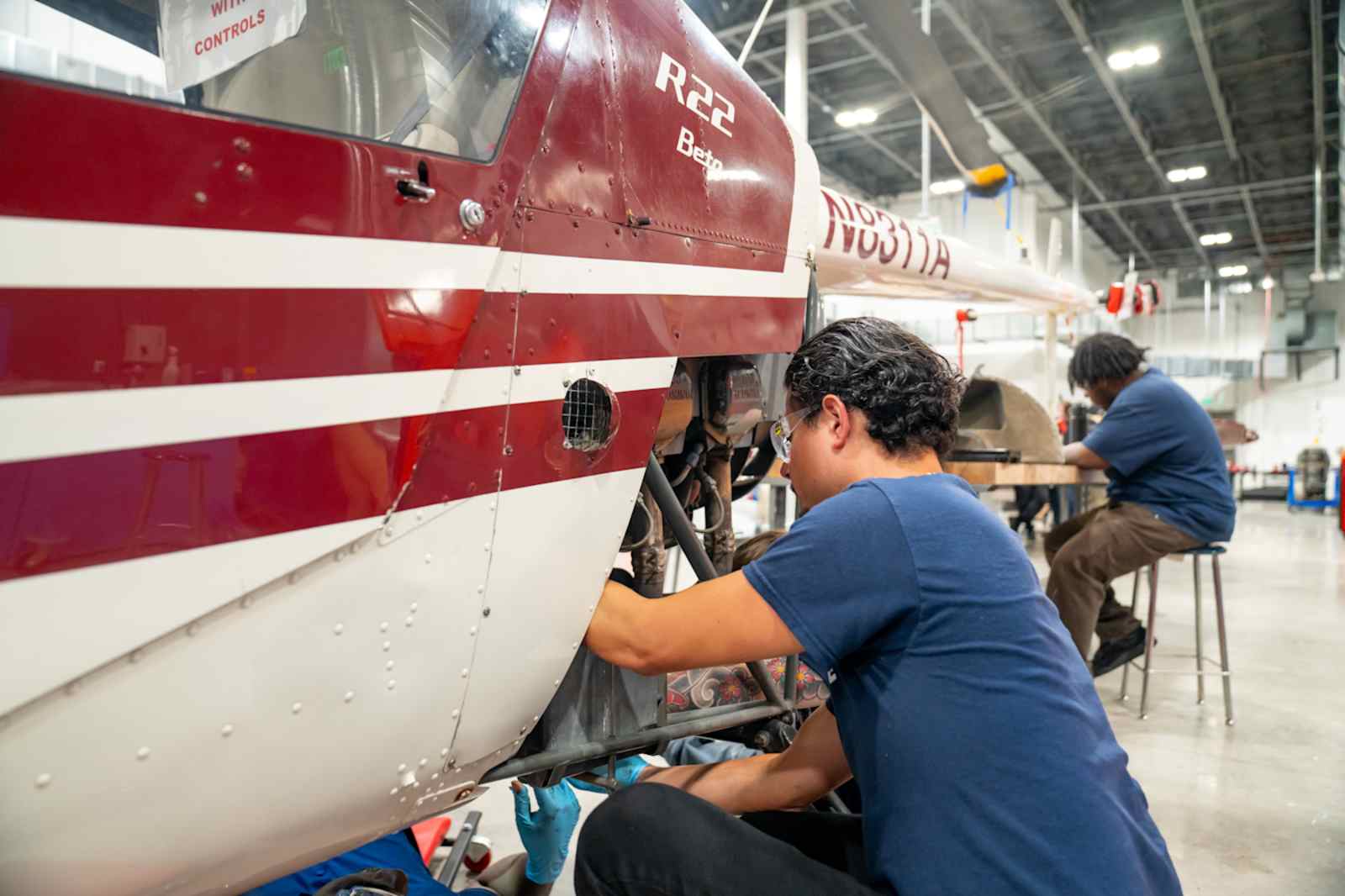
- Train on real aircraft systems, engines, and tools.
- Learn from instructors with industry experience.
- Earn an associate degree.
- Job search assistance and access to on-campus hiring events.
Aviation Maintenance Technology Training Locations
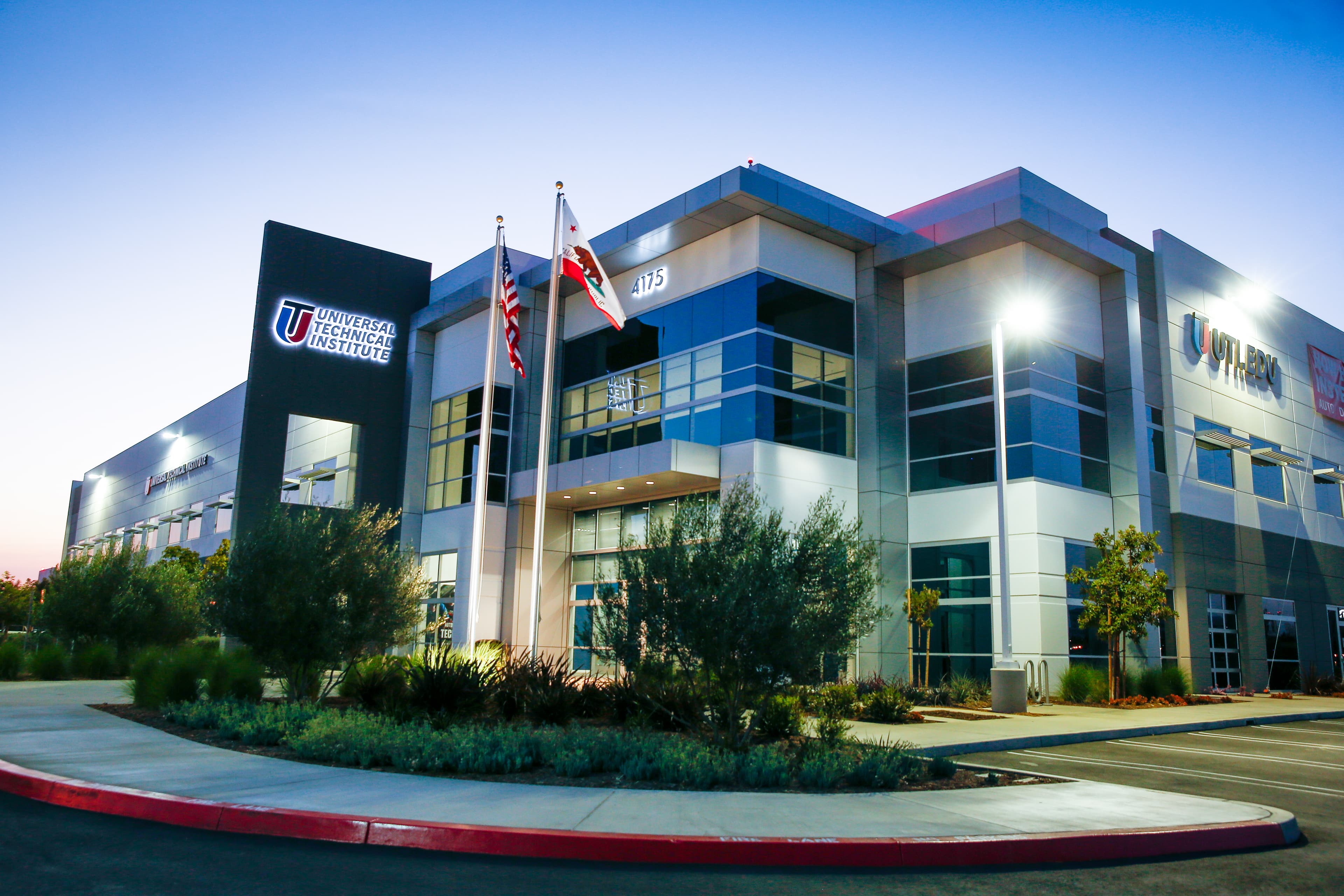
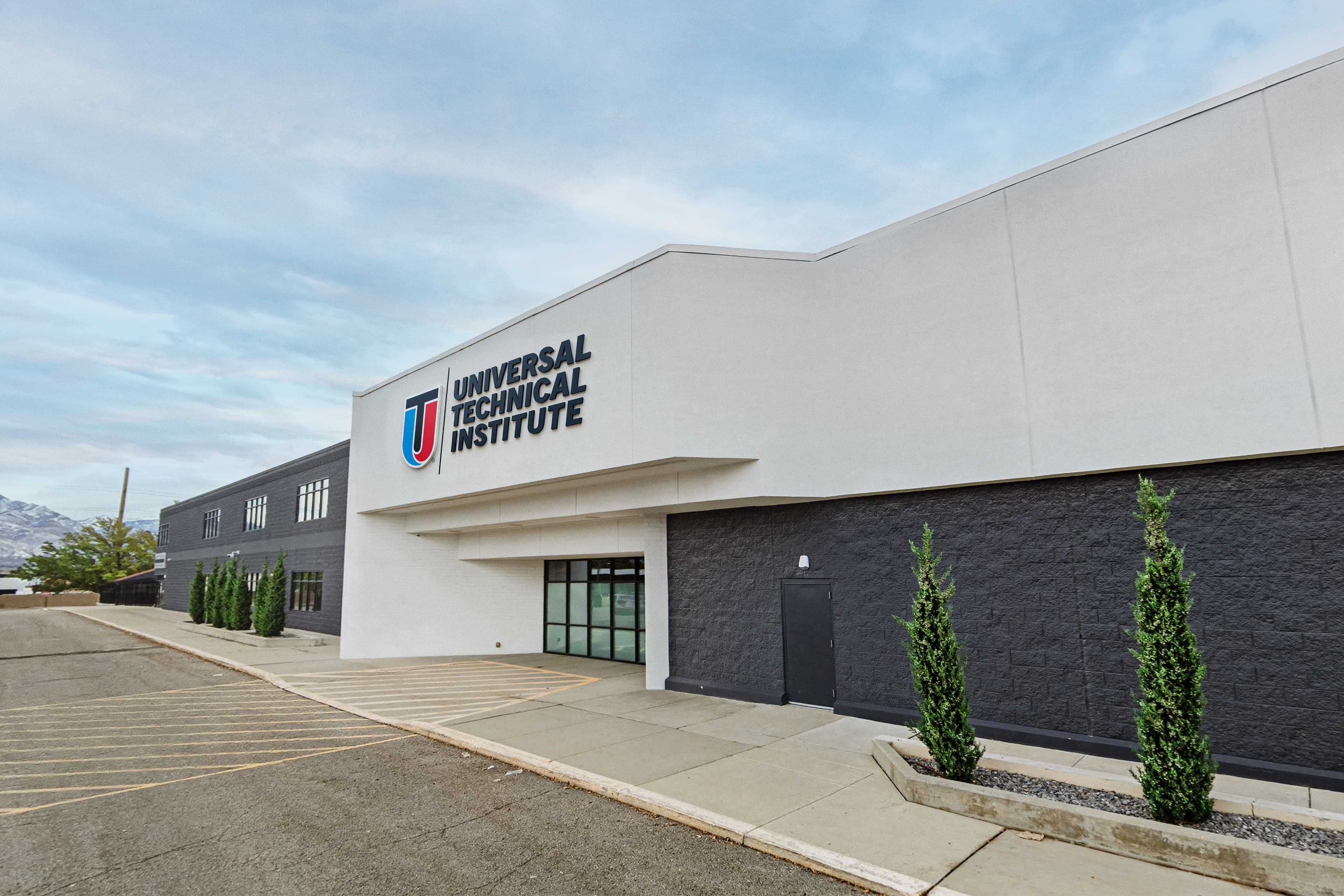
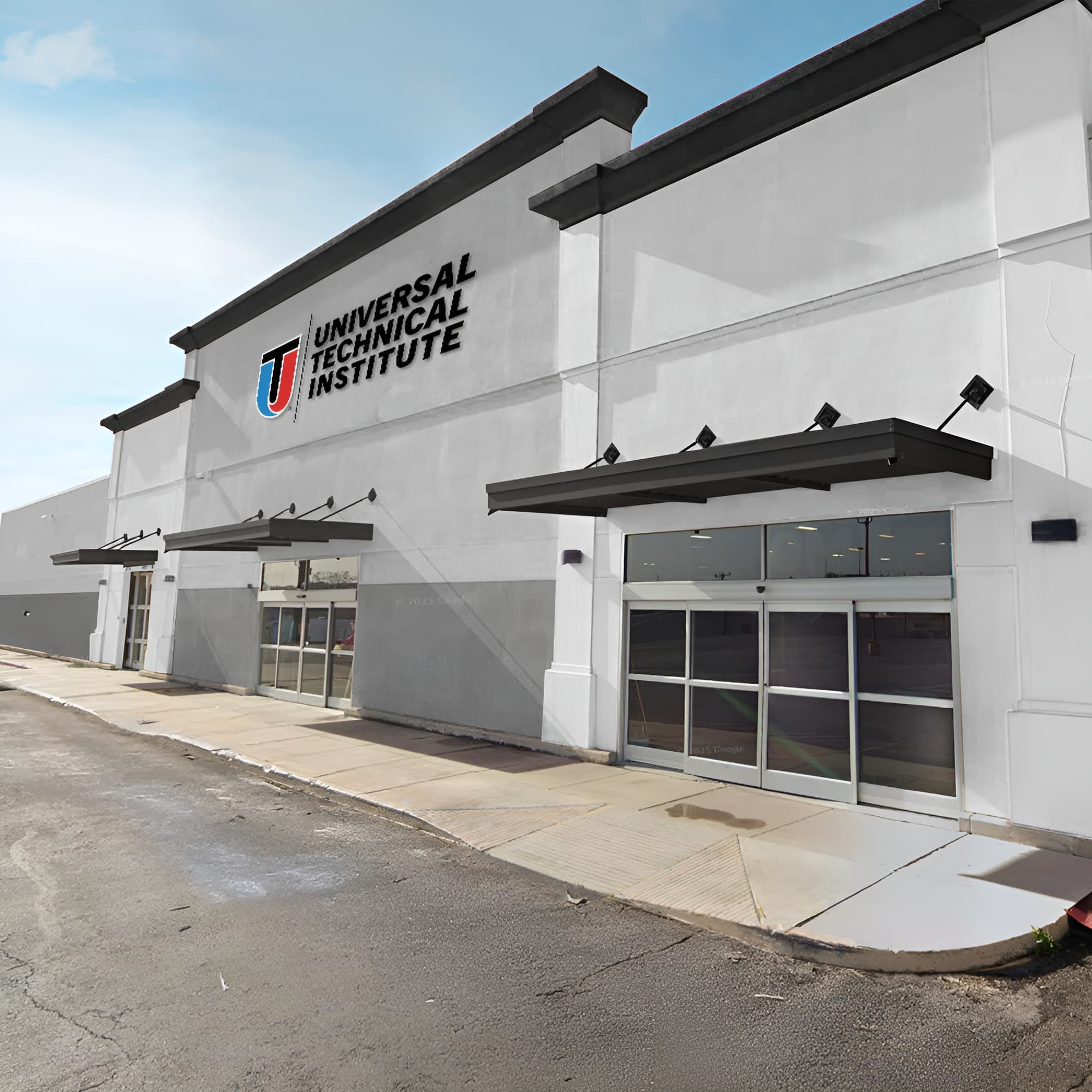
UTI offers Aviation Maintenance Technology training at five campuses: Canton, Michigan, where the program takes 24 months to complete, and Long Beach, California; Atlanta, Georgia; Dallas/Fort Worth and San Antonio, Texas; and Salt Lake City, Utah, where the program can be completed in just 18 months.
Program coming to UTI Salt Lake City pending FAA approval. VA benefits may not be available at all campus locations.
What Jobs Can I Pursue After Training?
Aviation maintenance technicians are needed anywhere aircraft are built, maintained or repaired. Graduates may find opportunities with commercial airlines, aerospace manufacturers, repair stations, general aviation companies or government facilities.
Grads who earn FAA certification are prepared to pursue entry-level roles.79 As with any industry, over time, technicians may be able to advance in their careers with experience and hard work.77
Entry-level opportunities include:
- Aviation maintenance technician
- Turbine technician
- Field technician
With experience, advanced opportunities may include:
- Aircraft restorer
- Avionics technician
- Aircraft electrical installer
Total aviation technician employment is expected to exceed 144,000 by 2034, meaning graduates will be pursuing a field where demand for skilled professionals remains strong.71
Aviation Maintenance Technology Courses
Take a look at some of the course topics covered in our aircraft maintenance technology school:
- Non-Destructive Testing
- Basic Sheetmetal and Welding
- Paints and Finishes
- Organizational Behavior
- Environmental Science
- Aircraft Instruments and Advanced Troubleshooting
- Turbine Engine Designs
- Navigation and Communication
- Hydraulics and Pneumatics
- Landing Gear Systems
- Airframe Inspection
- Propellers
- Powerplant Lubrication Systems
- Reciprocating Engine Instruments
Exact courses vary by campus and program option.