
Industrial Maintenance
What Certifications Do Industrial Maintenance Technicians Need?
Which industrial maintenance certifications matter most? Learn what CMRT, NIMS, NCCER and OSHA require, and how hands-on training helps you prepare.
In This Article
Industrial maintenance technician certification can get confusing fast.
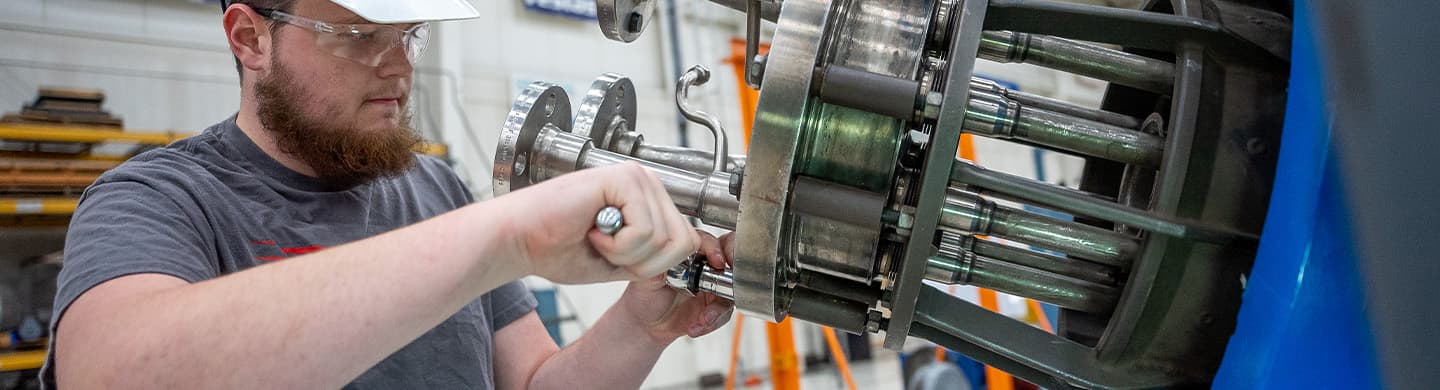
Students may need to research which credentials matter, which ones to pursue first and how to prepare. Certification paths can include written exams, performance-based assessments or both. Hands-on industrial maintenance technician training, like at Universal Technical Institute (UTI), can help students build the safety habits, troubleshooting skills and equipment familiarity that support certification prep.1
Common industrial maintenance technician certifications often focus on workplace safety, maintenance reliability or specific industrial systems.
- Occupational Safety and Health Administration (OSHA) 10: Entry-level safety training that covers basic workplace safety awareness in industrial environments.
- OSHA 30: More advanced safety training that may be more relevant for workers moving toward supervisory or higher-risk responsibilities.
- National Center for Construction Education & Research (NCCER): Credentials tied to industrial maintenance knowledge and hands-on skills in areas such as mechanical systems, hydraulics, pumps, piping, lubrication and basic electrical work.
- Certified Maintenance and Reliability Technician (CMRT): A maintenance and reliability credential focused on preventive maintenance, corrective maintenance, troubleshooting and reliability practices.
- NIMS: Credentials that may apply to manufacturing and industrial systems such as hydraulics, pneumatics, electrical systems, electronic controls and process controls.
This guide breaks down which industrial maintenance certifications to pursue first, how performance-based assessments work and what to look for in a trade school maintenance technician program that can help you build the knowledge and hands-on skills needed for certification exams.
Key Takeaways
- Industrial maintenance technician certifications prove you can work efficiently and safely: Certifications prove you understand how to work by the book, diagnose problems accurately and maintain equipment without cutting corners. This is valuable in environments where safety, precision and uptime matter.
- Many industrial maintenance credentials require hands-on skills: Credential exams often include performance-based assessments, so choosing a hands-on training program can help you prepare.
- OSHA-10 is a common requirement in industrial settings: This certification is a foundational safety credential that many industrial maintenance employers require as it shows you understand basic workplace safety principles, an essential trait in environments where heavy machinery and high-voltage systems are common.
- Some formal training programs can help you earn credentials while still in school: Certain formal training programs like the ones at Universal Technical Institute allow students to test for certifications, like NCCER or OSHA-10, during their education.
- Certifications can help you specialize in specific areas: Once you’re in the field, additional certifications, such as those offered by NIMS in hydraulic systems, electrical controls or process systems, can help you develop a niche.
What Makes an Industrial Maintenance Certification Program Strong?
The best industrial maintenance certification programs in trade schools combine hands-on training, safety preparation, industry-recognized credential opportunities and practice with real industrial systems.
A strong program should match the kind of industrial maintenance work a student wants to pursue. For example, students interested in manufacturing equipment may want training with hydraulics, pneumatics, mechanical drives, electrical controls and troubleshooting. Students focused on safety or reliability may look more closely at OSHA preparation, preventive maintenance concepts and credentials such as CMRT, NCCER or NIMS.
Certification prep should also go beyond reading and memorizing terms. Some industrial maintenance credentials may include written exams, performance-based assessments or both, so students should look for programs that build skills before testing. Lab-based training can help students practice tasks like identifying components, following safety procedures, inspecting equipment and working through maintenance problems.
When comparing industrial maintenance certification programs, review the labs, equipment, certification opportunities, OSHA preparation, safety training, employer-aligned skills and Career Services support. The right program should help students understand which certifications fit their goals and how the training connects to real industrial maintenance work.
What to look for in a trade school maintenance technician program
When comparing trade school maintenance technician programs, students should look beyond the program name and focus on what the training actually includes. A strong program should build hands-on maintenance skills, reinforce safety expectations and support certification preparation.
A strong industrial maintenance trade school program should include the following:
- Hands-on lab training
- Safety training, including OSHA-related preparation
- Mechanical systems training
- Electrical systems training
- Hydraulics and pneumatics
- Pumps, piping or mechanical drives
- Troubleshooting practice
- Preventive maintenance concepts
- Opportunities to prepare for or earn certifications during training
- Clear information about entry-level roles the program is designed to support
These features can help students prepare for certification exams and for the hands-on demands of entry-level maintenance work.
Read: Trade School vs. 4-Year College After High School: Which Path Makes Sense?
Why Industrial Maintenance Certifications Matter
Industrial maintenance certifications can help show that a technician understands safety, maintenance procedures, troubleshooting and industry standards. They may also help employers identify candidates with focused skills for industrial environments where safety, process control and equipment reliability matter.
Certifications can support specialization because industrial maintenance work can involve many systems, from hydraulics and pneumatics to electrical controls, mechanical drives and automated equipment. They do not guarantee employment, advancement or higher pay, but they can help document training and role-specific knowledge tied to maintenance work.
Industrial maintenance certifications may help technicians:
- Pursue more advanced roles, such as maintenance mechanic or facilities manager.
- Demonstrate familiarity with systems like hydraulics, electrical controls and pneumatics.
- Stay current with safety standards and equipment as industrial technology evolves.
Are certifications required for industrial maintenance technicians?
Industrial maintenance technicians do not always need certifications, but some employers may prefer or require them depending on the role, equipment, industry and work environment. Requirements can vary by job posting, especially when a role involves safety-sensitive tasks, specialized systems or performance-based maintenance work.
One maintenance technician role may focus on general troubleshooting, while another may require safety training or certifications tied to specific equipment or industrial systems. Students should review job descriptions in their target area to understand which certifications are commonly requested.
Read: 5 UTI Graduate Success Stories: From the Classroom to Career
Top Industrial Maintenance Certifications To Know
Industrial maintenance certifications can focus on safety, reliability, mechanical systems, electrical systems, hydraulics, pneumatics or broader maintenance skills. The right credential to pursue first can depend on the student’s training path, target role, experience level and the systems they want to eventually work with.
Certification | Best for | What it can demonstrate |
OSHA 10 | Foundational workplace safety | Basic safety awareness in industrial environments |
OSHA 30 | Expanded safety training | Safety knowledge for workers moving toward supervisory or higher-risk responsibilities |
NCCER | Industrial maintenance technicians and mechanics | Knowledge of maintenance systems and hands-on skills |
CMRT | Experienced technicians demonstrating maintenance and reliability knowledge | Preventive, predictive and corrective maintenance knowledge |
NIMS | Specialized manufacturing maintenance skills | Skills tied to hydraulics, pneumatics, electrical systems and process controls |
Students should consider their target role, experience level and the systems they want to work with when deciding which certifications to pursue first.
OSHA 10 and OSHA 30 for industrial maintenance
OSHA 10 and OSHA 30 are workplace safety training courses that can be useful for technicians working in industrial maintenance environments. They are not maintenance-specific credentials, but they can help show safety awareness in settings where equipment, tools and worksite hazards are part of the job.
OSHA 10 is a 10-hour training course that covers foundational workplace safety topics. For industrial maintenance students, it can help build awareness of hazard recognition, emergency procedures and safe work habits before entering hands-on environments.
OSHA 30 is a 30-hour training course that goes deeper into workplace safety. It may be more relevant for technicians moving toward supervisory responsibilities, higher-risk work environments or roles where safety planning and hazard prevention are a bigger part of the job.
How to earn OSHA 10 or OSHA 30: Students can complete an authorized OSHA Outreach Training course online or in person. Completion is documented with a card issued by the U.S. Department of Labor.
Read: Community College vs. Trade School: Which Is Faster for a Career Change?
NCCER Industrial Maintenance Certification
NCCER offers credentials for industrial maintenance mechanics that can help demonstrate knowledge of maintenance systems and hands-on skills. These credentials are often relevant for students who want to pursue work with machinery, mechanical systems and industrial equipment.
NCCER industrial maintenance topics may include hydraulics, mechanical drives, pumps, piping, lubrication and basic electrical work. Because industrial maintenance work is hands-on, NCCER assessments can include both written knowledge checks and performance-based assessments that ask students to demonstrate skills.
Students in UTI’s Industrial Maintenance Technician program may have the opportunity to test for NCCER certification as part of their training.130 Availability can depend on current program requirements and offerings.
How to earn NCCER credentials: Complete NCCER-accredited training and pass the required written and performance-based assessments.
Certified Maintenance & Reliability Technician (CMRT)
The Certified Maintenance & Reliability Technician (CMRT) credential is offered by the Society for Maintenance & Reliability Professionals (SMRP) and focuses on maintenance and reliability skills. It may be a stronger fit for technicians who already have some hands-on maintenance training or experience and want to validate broader maintenance and reliability knowledge.
The CMRT exam covers areas such as maintenance practices, preventive and predictive maintenance, troubleshooting and analysis, and corrective maintenance. While there are no prerequisites required to take the exam, many candidates may benefit from hands-on maintenance training or experience before testing.
How to earn it: Submit an application, pay the exam fee and pass the written exam through SMRP.
Read: Why the Skilled Trades Shortage is Creating Opportunities
NIMS industrial maintenance certifications
NIMS offers certifications for maintenance technicians working with manufacturing equipment and industrial systems. These credentials can help technicians show system-specific knowledge in areas they may encounter in industrial maintenance work.
NIMS industrial maintenance certification may include the following areas:
- Basic Hydraulic Systems
- Basic Mechanical Systems
- Basic Pneumatic Systems
- Electronic Control Systems
- Electrical Systems
- Process Control Systems
Each NIMS module is assessed independently. Depending on the module, candidates may need to complete performance-based testing, pass a written exam or both. Hands-on training can help students prepare for the equipment-based portions of these assessments.
How to earn a NIMS credential: Choose the relevant module and complete the required written, performance-based or combined assessment for that certification area.
How trade school training can help you prepare for industrial maintenance certifications
Industrial maintenance certifications often test applied skills, not just memorized terms. That is especially true when credentials include performance-based assessments that require students to demonstrate skills on actual equipment. Hands-on industrial maintenance training can help students build the technical foundation they may need before pursuing certification exams.
Learn it: Build foundational knowledge in mechanical systems, electrical systems, safety, hydraulics, pneumatics and maintenance procedures.
Practice it: Train with equipment, tools and systems similar to what technicians may encounter in industrial settings.
Test it: Prepare for written and performance-based assessments by applying skills in hands-on scenarios.
Trade school training can help students prepare, but certification requirements and testing outcomes vary by credential.
Read: What Employers are Looking for in Trade School Grads
Why hands-on training matters for performance-based assessments
Hands-on training matters because some industrial maintenance certifications require technicians to demonstrate skills, not just answer written questions. That can include tasks such as identifying components, troubleshooting systems, following safety procedures or completing maintenance sequences.
Lab-based training can help students practice those tasks before testing. Using industry-aligned equipment in a training environment may help students build confidence with tools, systems and procedures they could encounter during performance-based assessments.
Programs with lab-based training may help students build confidence before attempting performance-based testing.
How To Choose the Best Industrial Maintenance Certification Program for You
The best industrial maintenance certification program depends on the certifications you want to pursue, the equipment you want to train on and the type of industrial maintenance role you want to work toward. Instead of choosing a program based on the longest certification list, students should compare how well the training matches their career goals, target systems and preferred learning style.
Questions to ask before choosing a program:
- Which certifications or certification tests does the program help students prepare for?
- Are students able to test for any credentials while enrolled?
- Does the program include OSHA safety training or preparation?
- Does the program include hands-on lab training?
- What mechanical, electrical, hydraulic or pneumatic systems are covered?
- Are assessments written, hands-on or both?
- What roles is the program designed to prepare students for?
- Does the program explain which entry-level roles graduates are prepared to pursue?
- Are Career Services available?
- Are program length, campus availability and cost clearly explained?
A strong program should match the student’s career goal, not just list the most certifications.
How long does it take to earn industrial maintenance certifications?
The time it takes to earn an industrial maintenance credential varies by certification, training path, assessment format and experience level. Some safety-focused credentials may take less time than technical certifications that require hands-on preparation, performance-based assessments or experience with specific industrial systems.
Timeline can vary based on:
- Whether the certification is safety-based, skills-based or specialty-based.
- Whether the exam is written, performance-based or both.
- Whether the student has prior hands-on experience.
- Whether certification testing is included in a training program.
- Whether the student is enrolled in a program that integrates certification testing.
- Whether the credential requires prep courses or authorized training.
Students should check the credential provider’s current requirements before planning their timeline.
Read: How To Switch Careers to the Skilled Trades in Under 2 Years
Career Paths for Industrial Maintenance Technicians With Certifications
Industrial maintenance certifications may help technicians show skills in safety, maintenance procedures, troubleshooting or specialized systems, depending on the employer and role. They can also help students understand how a maintenance technician certification may connect to different types of industrial maintenance work.
Entry-level industrial maintenance roles to search for
After training, students can use entry-level job titles as starting points for their search.77
Entry-level roles may include:
- Industrial maintenance technician: Helps maintain, inspect and troubleshoot machinery, motors and systems.
- Installation technician: Helps set up equipment and confirm systems are operating correctly.
- Field service technician: Travels to job sites to inspect, repair or help install industrial systems.
- Plant technician: Supports equipment maintenance in manufacturing, energy or production environments.
- Maintenance technician: Helps maintain equipment, systems and facility operations.
Job titles vary by employer, so students should review each posting for required certifications, experience level and technical duties.
Advanced Industrial Maintenance Roles
With experience, additional certifications and demonstrated technical skill, technicians may be able to pursue more advanced roles over time.
Advanced roles may include:
- Powerplant operator: Oversees systems involved in generating electricity.
- Facilities manager: Oversees building operations, maintenance planning, equipment and staff.
- Maintenance mechanic: Diagnoses and repairs more complex mechanical or equipment issues.
- Plant operator: Monitors equipment and systems in large industrial or production facilities.
- Major component mechanic: Works on heavy-duty components that support industrial operations.
Advancement depends on employer needs, experience, credentials and individual circumstances. Employment and advancement are not guaranteed.
Read: Alternatives to College: Finding Success on a Non-Traditional Career Path
FAQs About Industrial Maintenance Programs
What are the best industrial maintenance certification programs in trade schools?
The best industrial maintenance certification programs in trade schools combine hands-on lab training, safety preparation, industry-aligned credential opportunities and practice with real industrial systems. Students should compare programs based on equipment, certification access, Occupational Safety and Health Administration (OSHA) preparation, performance-based assessment prep, Career Services support and how clearly the program connects training to entry-level maintenance roles.
Universal Technical Institute’s (UTI) Electrical & Industrial Maintenance Technology program is one option designed to help students build hands-on maintenance skills while preparing for certification opportunities that may be available during training.130
Which industrial maintenance certification should I get first?
OSHA 10 is often a practical first certification for industrial maintenance students because it covers foundational workplace safety awareness. After that, students may consider National Center for Construction Education & Research (NCCER), National Institute for Metalworking Skills (NIMS) or Certified Maintenance & Reliability Technician (CMRT) credentials depending on their training path, experience level and whether they want to focus on mechanical systems, reliability, manufacturing equipment or specialized industrial systems.
Are industrial maintenance certifications required to get hired?
No, industrial maintenance certifications are not always required to get hired. However, some employers may prefer or require certifications depending on the role, equipment, industry, safety requirements and work environment, so students should review job descriptions in their target area.
Can trade school help prepare for industrial maintenance certification exams?
Yes, trade school can help students prepare for industrial maintenance certification exams by building hands-on skills, safety knowledge and troubleshooting experience. At UTI, Industrial Maintenance students can train with systems and equipment tied to maintenance work, which may help them prepare for written or performance-based certification assessments. Certification requirements and testing outcomes vary by credential.
What certifications can UTI industrial maintenance students test for?
Depending on campus, program and current curriculum, students in UTI’s Industrial Maintenance program have the opportunity to test for certifications such as NCCER and OSHA 10. Certification opportunities can vary and should be confirmed with Admissions.
Train for Industrial Maintenance Certification Readiness
Students comparing certification programs should look for hands-on training, safety preparation and credential opportunities that fit their goals.
Universal Technical Institute’s (UTI) Industrial Maintenance program helps students build hands-on skills tied to safety, troubleshooting, mechanical systems and equipment maintenance. This training can be completed in less than a year, and students may have the opportunity to test for NCCER certification during training, depending on campus, program and current curriculum. Admissions Representatives can help explain campus availability, training details and certification opportunities.
Request information online or call 1-800-834-7308 to learn more about IMT training at available UTI campuses.1
Universal Technical Institute of Illinois, Inc. is approved by the Division of Private Business and Vocational Schools of the Illinois Board of Higher Education.
Train for the Future
Imagine waking up each day excited to work in a career you’re passionate about – one where your hands-on skills make a real impact. UTI’s vocational trade school can help you gain the skills and confidence to pursue what you love.
