Cars today are packed with sensors, software and systems that go far beyond basic mechanical parts.
If you’re exploring a career in automotive, understanding the auto mechanic tools used in real shops is a smart place to start. From traditional hand tools to advanced automotive diagnostic tools, technicians rely on a mix of equipment to keep vehicles running properly.
In a city like Dallas — where drivers depend on their vehicles daily — technicians need to be ready to diagnose, repair and maintain a wide range of systems.
Here’s a breakdown of the tools mechanics use, how modern technology is shaping the job and how Automotive & EV Technology training from Universal Technical Institute can teach you career-ready auto mechanic skills.1
How Modern Automotive Technology Is Changing the Industry
Increased use of electronics and sensors
Modern vehicles rely heavily on electronic components and sensors to monitor performance. These systems track everything from engine function to safety features, which means auto technicians need to understand both mechanical and electrical systems. As a result, the tools mechanics use today must support more than just physical repairs.
Computerized vehicle systems
Vehicles now include onboard computers that control and manage key systems. Technicians often interact with these systems through diagnostic interfaces to identify issues. This shift has made computer-based tools just as important as traditional ones in the shop.
Diagnostics over guesswork
Instead of relying on trial and error, technicians use automotive diagnostic tools to pinpoint problems more accurately. Diagnostic scanners and software provide data that helps narrow down issues quickly. This approach saves time and improves repair precision.
Evolution of automotive repair
As vehicles evolve, so does the repair process. Technicians are expected to adapt to new tools, technologies and systems. Staying current with industry changes is now a key part of the job.
Read: Common Car Problems in Dallas, Texas, and How Technicians Diagnose Them
Essential Tools Every Auto Mechanic Uses
Hand tools (wrenches, sockets, torque tools)
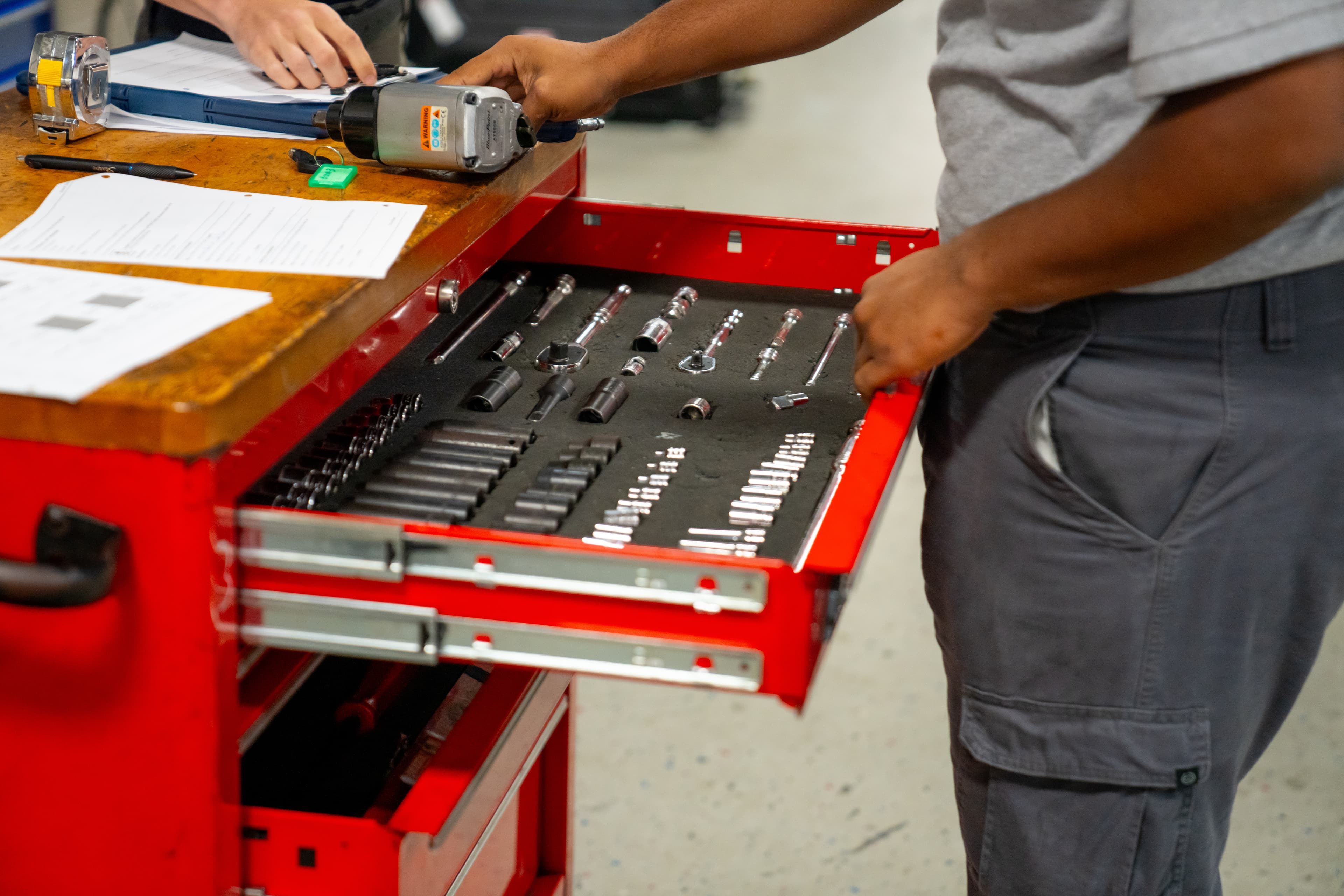
Basic hand tools are still a core part of automotive work. Wrenches, sockets and torque tools are used for everything from tightening bolts to assembling components. These tools provide the foundation for most repairs and maintenance tasks.
Power tools
Power tools help technicians complete jobs more efficiently. Equipment like impact wrenches and drills reduce manual effort and speed up common tasks. They are especially useful when working on larger or more complex repairs.
Lifts and shop equipment
Vehicle lifts allow technicians to access the underside of a car safely and comfortably. Other shop equipment, like jacks and stands, supports different types of repairs. These tools make it possible to work on vehicles from multiple angles.
Safety equipment
Safety gear is essential in any automotive environment. Gloves, eye protection and proper workwear help reduce the risk of injury. Technicians also follow safety protocols when using tools and working around heavy equipment.
Read: Automotive Mechanic Salary, Duties and Earning Potential
Advanced Diagnostic Tools and Technology
OBD-II scanners
OBD-II scanners connect to a vehicle’s onboard system to retrieve error codes. These codes help technicians identify issues within specific systems. It’s often one of the first tools used during diagnostics.
Diagnostic software and tablets
Technicians use software and tablets to analyze vehicle data and guide repairs. These tools provide detailed insights into system performance and help interpret diagnostic results. They are a key part of working on modern vehicles.
Electrical testing equipment
Electrical testing tools help technicians check circuits, wiring and components. They are used to measure voltage, resistance and current. This is essential for diagnosing electrical issues in today’s vehicles.
Vehicle data systems
Modern vehicles generate large amounts of data that technicians can access and analyze. These systems help track performance and identify irregularities. Understanding how to read and use this data is an important skill in automotive work.
Read: Is Automotive Technology a Good Career in Dallas, Texas?
Learn To Use Auto Mechanic Tools and Technology With Hands-On Lab Training
Learning about auto mechanic tools is one thing. Using them in real shop environments is another.
The Automotive & EV Technology program at Universal Technical Institute (UTI) gives students the opportunity to work with the same types of tools and automotive diagnostic tools used in the field.18 This helps build confidence with inspections, diagnostics and repairs from the start.
UTI’s auto mechanic courses cover both traditional tools and current vehicle technology, including computerized systems and diagnostics. Students train on real equipment while developing the skills technicians use every day, from troubleshooting issues to performing maintenance and repairs. This combination of hands-on practice and structured instruction helps reinforce what it takes to work in today’s automotive industry.
For those looking to get started, training can provide a clear path to the field. UTI also offers Career Services support to help students network with potential employers and prepare for entry-level opportunities.1 It’s a practical way to turn an interest in cars into real, job-ready skills.
Read: How To Become an Auto Mechanic After High School in Less Than 1 Year
Auto Mechanic Tools in Dallas, Texas, FAQs
What tools do auto mechanics use?
Auto mechanics use a combination of hand tools, power tools and automotive diagnostic tools every day. Common tools include wrenches, sockets, lifts, scanners and software used to inspect, diagnose and repair vehicles.
What are automotive diagnostic tools?
Automotive diagnostic tools are devices that help technicians identify problems in a vehicle’s systems. Tools like OBD-II scanners and diagnostic software read data and error codes, allowing technicians to pinpoint issues more accurately.
Why are diagnostic tools important for auto mechanics?
Diagnostic tools help technicians move beyond guesswork by providing real-time data about a vehicle’s performance. This allows for faster, more accurate repairs and helps reduce the risk of misdiagnosing a problem.
Do auto mechanics need to know how to use computers?
Yes, modern vehicles rely heavily on computerized systems, so technicians often use software and digital tools. Understanding how to read data, interpret codes and work with electronic systems is an important part of the job.
How do you learn to use auto mechanic tools?
Many technicians learn through hands-on automotive programs that provide experience with real tools and equipment. Training helps build the skills needed to use tools safely and effectively in shop environments, including those in places like Dallas.
Learn To Use Auto Mechanic Tools and Technology With Career Training
The tools mechanics use are only part of the job. Knowing how to use them effectively is what makes the difference.
UTI’s Automotive & EV Technology program give students the opportunity to work with auto mechanic tools and modern diagnostic technology in hands-on lab environments, where students can learn how to perform inspections, run diagnostics and complete repairs using the same types of equipment found in real shops.
Speak with an Admissions Representative at 1-800-834-7308 or request information online to learn more about auto mechanic training and explore your options.
Universal Technical Institute of Illinois, Inc. is approved by the Division of Private Business and Vocational Schools of the Illinois Board of Higher Education.