
Automotive
What Do Auto Mechanics in Dallas, Texas, Do? A Day on the Job
Grease. Diagnostics. Real problem-solving. See what a typical day looks like for auto mechanics in Dallas. Learn how training can move you toward this career.
In This Article
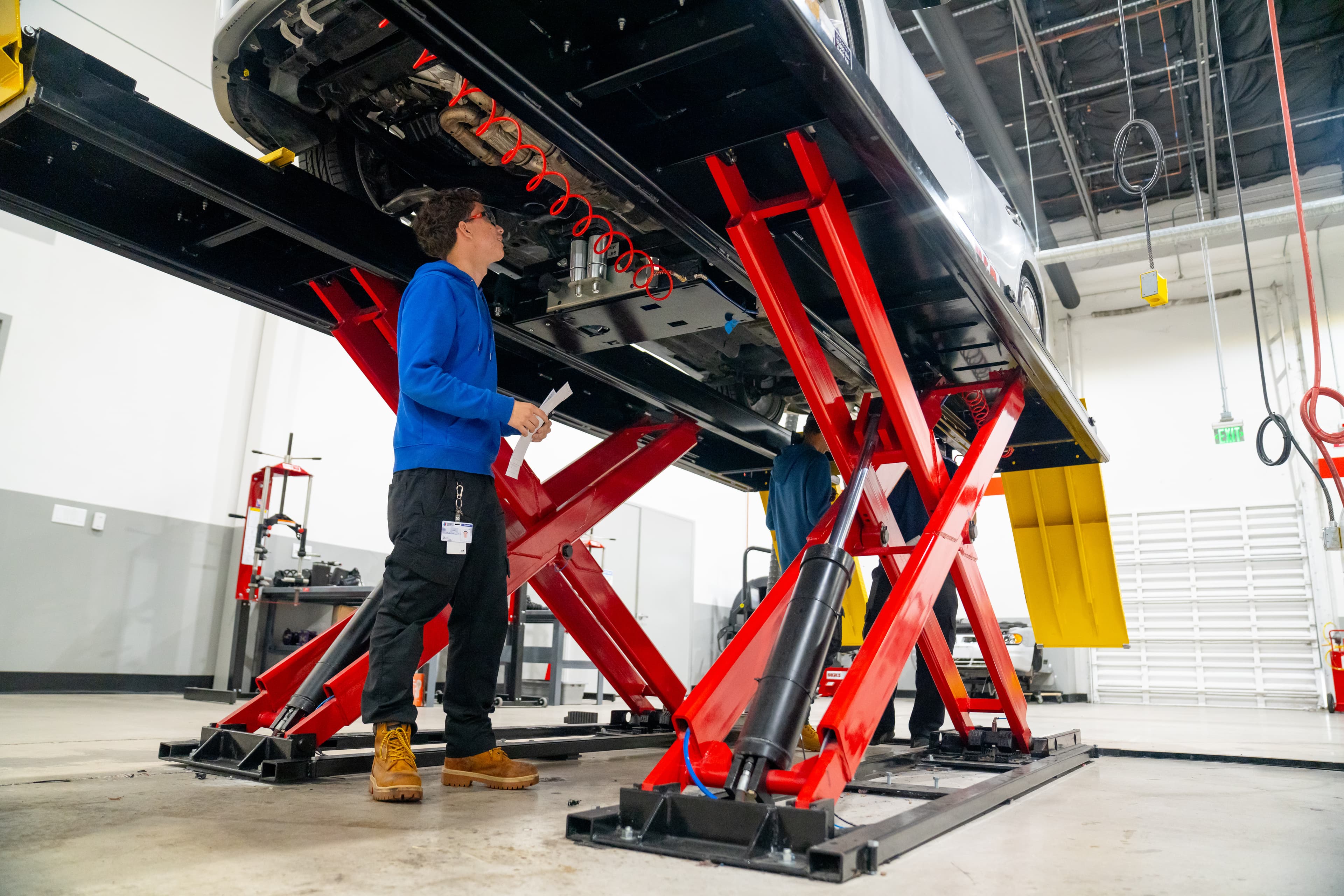
A car comes in with a warning light on. A truck needs brakes. An SUV has an AC system that can’t keep up with Texas heat.
For auto mechanics, that kind of variety is the job. In Dallas, the workday can move fast, and the problems are rarely all the same.
If you like hands-on work, problem-solving and technology, this field can be worth a closer look. Modern technicians do much more than turn wrenches. They inspect, diagnose, test, repair and document work on vehicles that rely on both mechanical systems and computer-controlled technology.
So what does a day actually look like for auto mechanics in Dallas?
This guide breaks down a typical day on the job, the types of vehicles often worked on and the skills that help technicians succeed. It also shows how the Automotive & EV Technology program at Universal Technical Institute, including its Dallas/Fort Worth location, can help students train for entry-level roles in the field.1
What a Typical Day Looks Like for Auto Mechanics
No two days are exactly alike, but many auto mechanics follow a similar rhythm. A shop may handle routine maintenance in one bay, diagnostics in another and larger repairs across the floor all at once.
Starting the workday and reviewing jobs
The day often starts with a work order review. Technicians may check the schedule, look over customer concerns and prioritize jobs based on urgency, parts availability and shop workflow.
That could mean starting with:
- Oil changes and inspections.
- Brake concerns.
- Check engine light diagnostics.
- Battery or starting system problems.
- Steering, suspension or drivability complaints.
In a busy Dallas-area shop, the lineup may include commuter sedans, family SUVs, pickups and fleet vehicles. Some shops also see a growing mix of hybrid and EV-related service needs as vehicle technology changes. Our auto mechanic courses reflect that shift, covering topics like vehicle electronic technology, diagnostics and drivability.
Read: Is Automotive Technology a Good Career in Dallas, Texas?
Inspecting vehicles and diagnosing issues
This is where the guessing stops and the real thinking starts.
According to the U.S. Bureau of Labor Statistics, automotive service technicians and mechanics identify problems with computerized diagnostic equipment, test parts and systems and inspect vehicles to determine what needs repair.
A technician might:
- Connect a scan tool to pull trouble codes.
- Inspect belts, hoses, tires and fluid levels.
- Test batteries, charging systems and starters.
- Look for leaks, worn parts or damaged components.
- Road test a vehicle to confirm a symptom.
Modern diagnostics often blend digital and hands-on work. A problem may start on a screen, but it still has to be traced, confirmed and fixed in the bay.
Performing repairs and maintenance
Once the issue is identified, the technician gets to work.
Some jobs are routine. Others are more involved. On a given day, auto mechanics might handle:
- Oil and filter changes.
- Brake pad and rotor replacement.
- Battery replacement.
- Tire rotations and inspections.
- Suspension repairs.
- Sensor replacement.
- Drivability repairs.
- Engine performance troubleshooting.
Technicians also perform basic maintenance, replace worn parts and complete repairs to manufacturer and customer specifications.
In other words, the work is not just physical. It is detailed. It has to be done right.
Testing and verifying fixes
A repair is not done just because the new part is installed.
Technicians still need to verify the fix. That can include clearing codes, retesting the system, checking for leaks, measuring performance and taking the vehicle on a final road test when needed. Documentation matters, too. BLS notes that technicians document repairs and maintenance performed, including parts used, hours worked and vehicle condition.
That final step matters because a good technician is not just fixing vehicles. They are making sure the vehicle leaves the shop safer, smoother and closer to factory specs.
Read: How To Become an Auto Mechanic After High School in Less Than 1 Year
Types of Vehicles Worked On
Cars, SUVs, trucks and EVs
In Dallas, technicians may work on a wide range of personal vehicles. That includes compact cars, crossovers, SUVs and light-duty trucks.
The mix matters because different vehicles bring different repair needs. A commuter car may come in for maintenance and diagnostics. A larger SUV may need suspension or brake work.
A pickup may come in with steering, drivability or electrical issues. EVs and newer models also push technicians to understand electronics, software-supported diagnostics and updated service procedures.
Light commercial vehicles
Some technicians also work on vans and light commercial vehicles used by local businesses. These vehicles rack up miles fast and need regular service to stay on the road.
That can mean more frequent maintenance, brake service, tire wear issues and repair work tied to stop-and-go driving. Shops serving business fleets may move quickly because downtime costs money.
Impact of Dallas driving conditions
Dallas driving conditions can shape the work in real ways.
The DFW area sees long hot summers, with normal high temperatures around 91.5°F in June, 95.6°F in July and 95.8°F in August. DFW also logs substantially cooler days, which helps explain why AC performance is such a practical concern for drivers.
On top of that, traffic delays add wear. Hours lost to traffic delay have climbed to 63 hours a year per commuter nationally, with stalled traffic also increasing fuel waste. In a metro with major highways, congestion, construction and daily commuting, that kind of driving can contribute to brake wear, tire wear and added stress on vehicle systems.
For technicians, that means Dallas-area work may regularly involve:
- AC and cooling system concerns.
- Battery and charging system checks.
- Brake inspections.
- Tire wear and alignment issues.
- Suspension wear from heavy daily driving.
- Drivability complaints tied to heat and traffic conditions.
Read: How To Become a Master Technician in 7 Steps
Everyday Skills for the Job
Diagnostic thinking and troubleshooting
A technician has to think in steps. What is the symptom?
What system is involved? What test confirms the cause?
That kind of troubleshooting mindset is a big part of why the job appeals to people who like solving real problems instead of repeating the same desk task every day. Technical aptitude is also a key auto mechanic trait, especially because modern vehicles rely so heavily on computer-controlled systems.
Mechanical and electrical repair skills
Today’s technicians need both mechanical and electrical confidence.
They may work on brakes, steering and suspension in one job, then move to sensors, battery systems or electronic diagnostics in the next. UTI's auto mechanic training is built around that reality, covering topics from engine service and repair to vehicle electronic systems and technology.
Use of tools and diagnostic equipment
Yes, hand tools matter. So do torque wrenches, lifts, meters and scan tools.
Computerized diagnostic equipment is also an important part of modern auto tech work, which is why our auto tech students get hands-on practice tied to diagnostics and modern vehicle systems.18 That matters because current technicians are expected to understand both hardware and the tools used to read vehicle data.
Communication with customers and teams
Good shop work isn’t just technical.
Technicians also need to communicate clearly with service advisors, other team members and sometimes customers. They may need to explain what they found, what was repaired and what still needs attention. That kind of clarity helps a shop run better and builds trust.
Read: Automotive Mechanic Job Outlook 2026: Hiring Trends
Auto Mechanics in Dallas FAQs
1. What do auto mechanics in Dallas, Texas, do every day?
Auto mechanics in Dallas inspect vehicles, diagnose problems, perform repairs and maintenance, then test their work to make sure the issue is fixed. A typical day can include oil changes, brake service, battery testing, drivability diagnostics and documenting completed repairs.
2. What types of vehicles do auto mechanics in Dallas work on?
Auto mechanics in Dallas shops may work on cars, SUVs, pickup trucks, light commercial vehicles and some EVs. The mix can vary by shop, but many technicians regularly service vehicles affected by Dallas heat, traffic and everyday commuting wear.
3. What skills do auto mechanics need most?
Auto mechanics need diagnostic thinking, mechanical repair skills, electrical system knowledge and the ability to use modern diagnostic equipment. Clear communication also matters because technicians often explain findings and repairs to service advisors, teammates and customers.
4. How do Dallas driving conditions affect auto mechanic work?
Dallas driving conditions can increase demand for AC service, brake inspections, battery checks, tire wear evaluations and suspension-related repairs. Long hot summers, heavy traffic and stop-and-go driving can all put added stress on vehicle systems.
5. How can training help prepare students for automotive careers in Dallas?
Training can help students build hands-on skills with diagnostics, drivability, vehicle electronics and repair procedures used in modern shops. For people exploring automotive careers, that kind of preparation can help them feel more ready for entry-level technician roles in the Dallas area.1
Train for a Local Auto Tech Career in Dallas
If this kind of work sounds like your lane, training can help you move from interest to action. The Automotive & EV Technology program at UTI Dallas/Fort Worth offers automotive training, which can be completed in under one year, in a hands-on lab environment built around the tools and technology used in the field.7
Ready to take that step? Speak with an Admissions Representative by calling 1-800-834-7308 or requesting information online. If you want to get started ASAP, apply now.
Universal Technical Institute of Illinois, Inc. is approved by the Division of Private Business and Vocational Schools of the Illinois Board of Higher Education.
Train for the Future
Imagine waking up each day excited to work in a career you’re passionate about – one where your hands-on skills make a real impact. UTI’s vocational trade school can help you gain the skills and confidence to pursue what you love.
