
Automotive
How To Become a Master Technician in 7 Steps
Becoming a master mechanic typically takes 5-7 years. Learn what education, ASE certifications and hands-on experience you need to pursue this title.
In This Article
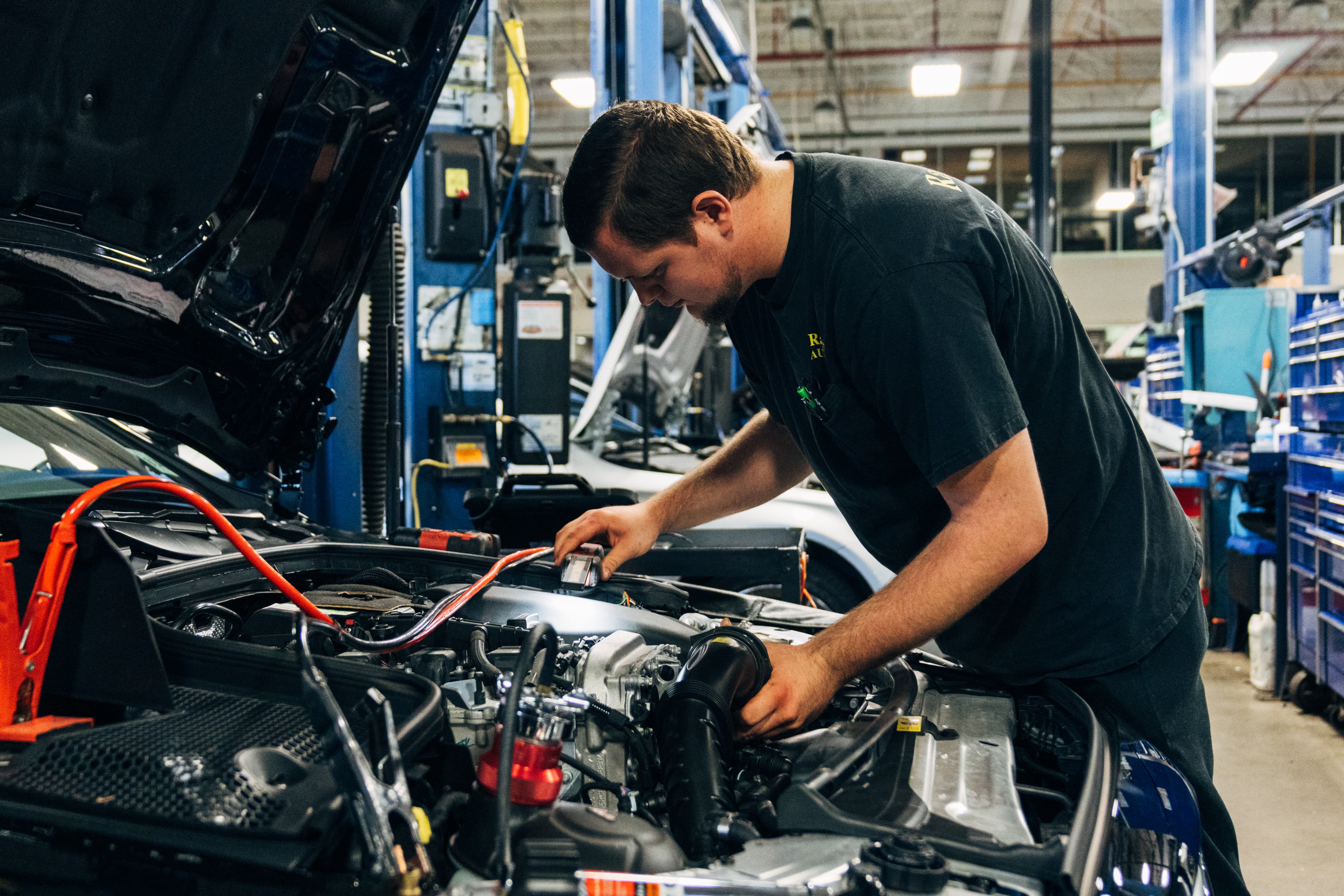
Want to become a master mechanic? Stop hoping, start doing.
This career path can seem daunting without clear steps in sight, bu we're here to provide a practical guide getting you closer to your goal.
Ready to get started? Keep reading. You can learn the steps needed to break into the industry, including with Automotive Technology training.
What Is a Master Mechanic?
Master mechanics diagnose and repair complex vehicle problems that go beyond routine maintenance. They work on engines, electrical systems, brakes, drivetrains and advanced vehicle technology. Many master technicians lead automotive repairs, guide less experienced mechanics and help shops solve difficult diagnostic issues.
Master mechanics prove their skills by earning the Master Automobile Technician Certification. The National Institute for Automotive Service Excellence (ASE) awards this certification. To earn this certification, candidates must pass a series of exams:
- A1 – Engine Repair
- A2 – Automatic Transmission/Transaxle
- A3 – Manual Drive Train & Axles
- A4 – Suspension & Steering
- A5 – Brakes
- A6 – Electrical/Electronic Systems
- A7 – Heating & Air Conditioning
- A8 – Engine Performance
Each exam results in a new certification. Once a technician earns all eight, they achieve master status. Most mechanics take the exams over time rather than all at once, as they require continued learning and experience.
But before they can even think about taking the exams, there are a few things they must accomplish first. Let’s look at where the journey begins.
Step 1: Earn a High School Diploma or GED
Believe it or not, high school matters.
To take ASE exams, mechanics need on-the-job training or to attend a formal automotive training program. Both entry-level jobs and trade schools usually require a high school diploma or a GED certificate. A GED is a recognized alternative that shows a high school-level education.
Not to mention, high school lays important foundations in math, science and communication. You need to be skilled in these subjects for daily tasks like reading service manuals, measuring parts and talking to customers.
Step 2: Enroll in a Vocational or Automotive Training Program
Automotive trade schools offer a quick way to prepare for ASE certifications with confidence. To get ASE certifications, you need two years of relevant work experience. However, a training program approved by the ASE Education Foundation counts as one of those years.
Universal Technical Institute (UTI) offers an accredited Automotive Technology program that counts towards one of the two years required.1 As an accredited program, UTI hires ASE-certified instructors.16 They know how to help students prepare to pass the exam and focus their teaching on this preparation.
Read More: Automotive Trade School Education: Is It Worth the Investment?
Step 3: Complete Hands-On Training and Prepare for ASE Certification
Trade school training can play a major role in shaping a master technician. You can learn the right techniques, formal diagnostic steps and key safety standards needed to become a certified tech.
Hands-on training includes guided instruction in labs. Here, students practice maintenance, repair and troubleshooting on modern vehicles. This helps them build confidence and get ready to pursue jobs after graduation.
Read More: Hands-On Training Auto Mechanics Need
Step 4: Gain Real Experience Through Entry-Level Positions
Hands-on training lays the foundation for mastery. As you near automotive school graduation, start pursuing entry-level roles where you can apply your skills.
In entry-level roles, you can:
- Work under experienced mentors.
- Fine-tune your diagnostic and repair skills.
- Take on more responsibility as skills grow.
- Gain the confidence and additional work experience you need to begin testing for ASE certifications.
Step 5: Test for ASE Certification
This is where your career pursuit really begins. Once you have two years of experience, you can start testing for certifications. There’s not much else to do but go for it!
You don’t have to take the ASE certification exams in order of A1-A8. Rather, start with the topic you’re most developed in. For instance, if you’ve spent the last year working at a brake shop, you might feel most prepared for the A5 – Brakes exam.
You can also prepare by taking ASE practice tests!
Read More: ASE Certification: How To Become ASE Certified (Definitive Guide)
Step 6: Continue Education and Participate in Advanced Training To Stay Current
Automotive technology changes quickly, and the content of ASE exams changes to account for this. With that said, master mechanics commit to lifelong learning to stay effective.
For instance, modern vehicles rely on electronic diagnostics, advanced software and hybrid systems. Continuing education includes additional courses, certifications and manufacturer training completed after initial schooling.
UTI offers refresher courses for alumni to help keep you fresh.39 This is a great way to prepare for ASE exams.
Step 7: Earn and Maintain Your Master Mechanic Certification
Master mechanics earn their status over time. Many technicians plan their careers around learning new systems so they can qualify for more ASE exams.
They take on new tasks or follow experienced mechanics. This helps them build the skills needed for more certifications.
As technicians pass more ASE exams, they move closer to master technician status. For automobile technicians, this means earning certifications A1 through A8. Each exam covers a different vehicle system, so hands-on experience across many repair areas plays a key role.
ASE master mechanic certification does not last forever. Automotive technicians must retest every five years to keep each A1 through A8 certification current. ASE sends reminders when renewal dates approach. Technicians can also track their certification status through their ASE account or manage renewals using the ASE Renewal App.
Maintaining certification shows continued skill, up-to-date knowledge and long-term commitment to career advancement in auto repair.
How Long Does It Take To Become a Master Mechanic?
The timeline to master mechanic status includes education, hands-on training, on-the-job experience and testing. Most technicians reach this level after five to seven or more years of focused effort.
A typical timeline looks like this:
- Auto mechanic training: 1-2 years
- On-the-job experience + earning initial ASE certifications: 1-2 years
- Continued on-the-job experience + earning remaining ASE certifications: 3+ years
Master Mechanic Skills
Master mechanics often stand out through their advanced technical and people skills. They might:
- Perform complex repairs, diagnostics and vehicle system analysis.
- Mentor junior technicians.
- Have strong customer service skills.
- Act as leaders within the shop.
- Manage a team of technicians.
These industry professionals represent the highest level of skill in the automotive field and have strong career advancement opportunities.
Frequently Asked Questions
Can I get ASE certified without going to school?
Yes, you just need two years of relevant work experience to test for ASE certifications. However, formal training helps candidates prepare better for exams and shop work because they can learn proper fundamentals and techniques.
How often do you have to renew ASE master technician certifications?
ASE certifications require renewal every five years through retesting.
What career opportunities are available after becoming a master mechanic?
Master technicians often move into lead technician, shop foreman, service management or shop owner roles.
Is it hard to become a master mechanic?
Becoming a master mechanic is not easy and it doesn't happen overnight. The process demands time, study and experience. Many technicians succeed through steady effort and ongoing learning.
What happens if I fail my certification test?
ASE allows for retesting after 30 days. Many technicians use additional study and hands-on practice before taking exams again.
Start Training at Universal Technical Institute
The Automotive training program at UTI focuses on hands-on learning, modern vehicle systems and career preparation.18 Students train in lab environments that mirror real repair shops and build skills aligned with ASE certification topics.
Check out how our Automotive Technology training can help you start your journey toward becoming a master technician.
Need more questions answered? Request information online or call an Admissions Representative at 1-800-834-7308. If you're ready for hands-on training, apply now.
References
Universal Technical Institute of Illinois, Inc. is approved by the Division of Private Business and Vocational Schools of the Illinois Board of Higher Education.
Train for the Future
Imagine waking up each day excited to work in a career you’re passionate about – one where your hands-on skills make a real impact. UTI’s vocational trade school can help you gain the skills and confidence to pursue what you love.
