
Diesel
10 Insider Tips Every Aspiring Diesel Tech Should Know
In This Article
Thinking about a career as a diesel technician? Whether you're just starting out or looking to sharpen your skills, knowing what to expect can make all the difference.
In this guide, we’ve gathered 10 insider tips from industry pros to help you navigate training and understand what it’s like to be in the field. From must-have tools to employer insights, these tips can give you a head start as you consider this career path.1
Insight #1: The Tools You’ll Need Starting Out
Equipping yourself with the right tools is crucial for success as a diesel technician. Fundamental hand tools like wrenches, socket sets, pliers and screwdrivers form the backbone of your toolkit, enabling you to perform a wide range of tasks.
Additionally, instruments such as torque wrenches serve many different purposes, including ensuring that fasteners are tightened to precise specifications, preventing potential engine damage. A multimeter is essential for diagnosing electrical issues, allowing you to measure voltage, current and resistance accurately.
Investing in these tools not only enhances your efficiency but also ensures safety and precision in your work. For a comprehensive list of essential diesel mechanic tools, check out this list of 125+ Diesel Mechanic Tools That Are Essential!
Insight #2: You’ve Got More Room To Wrench.
When you’re accessing parts to diagnose and repair cars, it can get a bit cramped, to say the least. That’s the beauty of big engines. With a larger vehicle comes a lot more room to move around—something diesel technicians love about the industry. Take it from diesel technician Nick Cosby.

Insight #3: You Can Travel the Open Roads.

With diesel, not every engine can be easily brought into a dealership to examine and troubleshoot. This means sometimes techs must travel to different locations.
These large engines aren’t just found in trucks. They’re in boats, generators, heavy equipment and more that need a technician to maintain them. Getting to travel and service different engines or equipment at different sites offers a nice change of pace in the day-to-day work.
Insight #4: There’s a Lot of Technology in diesel. Don’t Skip the Instructions!
Modern diesel engines are packed with advanced technology, from electronic control modules to high-pressure fuel systems. That means attention to detail isn’t just a bonus—it’s a necessity. Skipping steps or overlooking instructions can lead to costly mistakes, safety hazards and inefficient repairs. Whether you're diagnosing a sensor issue or performing routine maintenance, following procedures carefully and double-checking your work will set you apart as a reliable and skilled technician.
“Diagnosing is becoming more and more difficult in our industry because of how complex these systems have gotten … Taking a step back and reading the service information from step one to the finished product is by far what I wish I had understood when I was a young technician.” - Nick Cosby
Insight #5: Diesel Is a Lot More Versatile Than You Might Think.
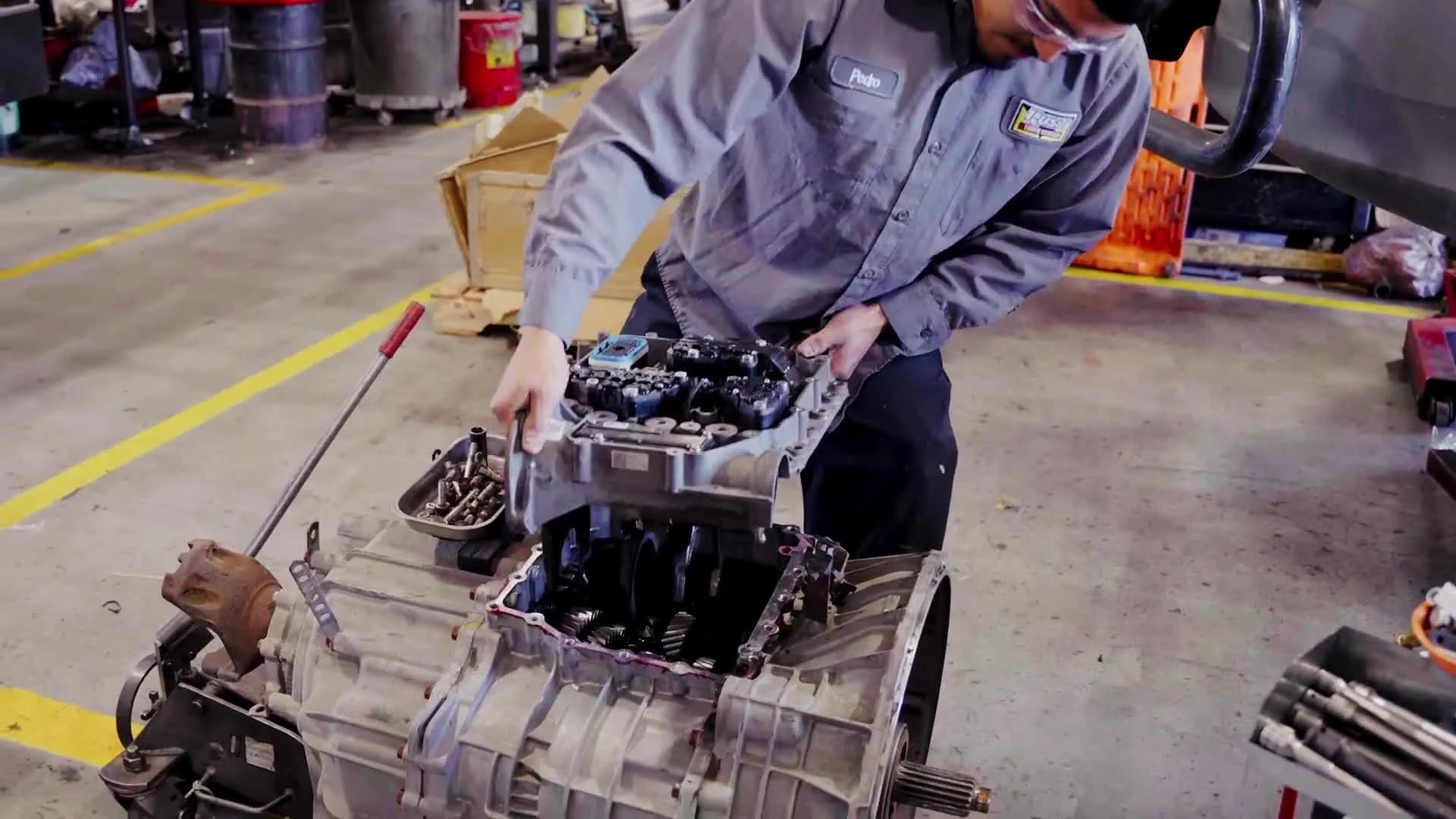
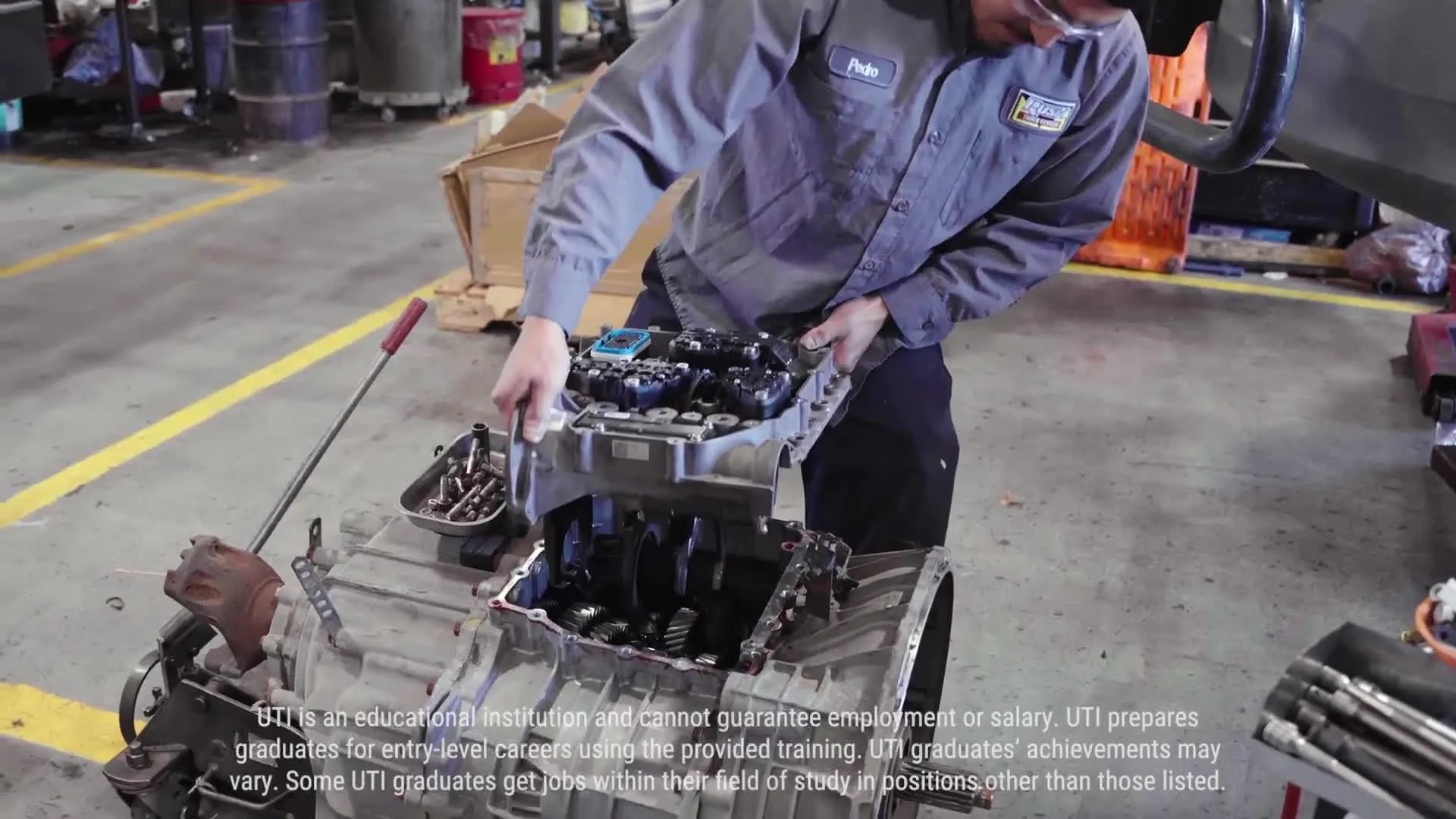
The cool thing about diesel is you can take the same courses as the tech training next to you but end up on totally different career paths. In the video below, UTI graduate Pedro Ramirez walks us through what a day in the life looks like for him at Rush Truck Center.
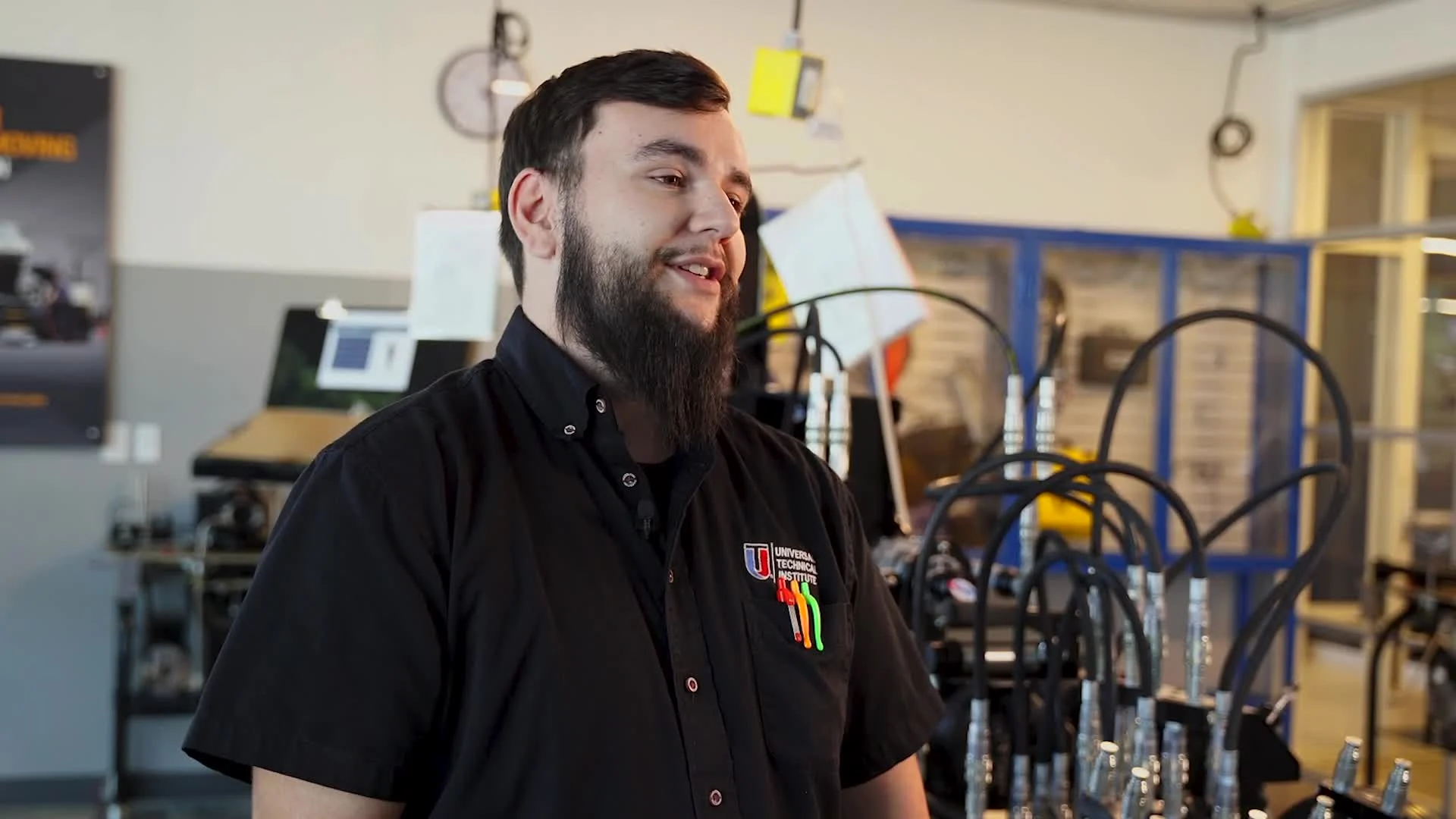
Some technicians choose to take their careers full circle by becoming instructors, and sharing their expertise with the next generation. That’s exactly what UTI graduate Sammy Smythe did. After years in the field, he returned to the classroom to help train future diesel pros. Watch his story in this video.
Insight #6: Also, You Can Operate Large Machines (It’s Really Fun)
It’s not just about maintaining semis or heavy-duty trucks in diesel, although that’s part of it! Here are just a few different things that run on diesel:
- Generators
- Agriculture equipment
- Transport vehicles
- Construction machinery
- Recreational vehicles
- Submarines
- Collection trucks
What does that mean for the diesel technician? Well, according to the techs, you get to operate heavy-duty machines. We’ve heard driving them can be exciting. They include vehicles like:
- Forklifts
- Heavy equipment
- Dump trucks
- Semitrucks
“Working in the forklift industry, I’ve had a lot of fun operating a lot of different machines. If I could pick something to work on one day, I think a bigger excavator or one of those overhead cranes you see in the city ...” - Justin Misyak
Insight #7: There’s Room for Growth.
Starting out as a diesel technician isn’t easy—it’s a hands-on, fast-paced job that demands hard work and dedication. Expect long hours, tough tasks and plenty of learning on the job. But if you put in the effort, build your skills and stay committed, you can earn experience and respect to help you move up in the industry.6 Success in this field doesn’t happen overnight, but for those willing to grind, it can be within reach.
Hear From Nick:

Insight #8: What Do Diesel Employers Look for?
It’s always good to know what the industry is looking for in new technicians. Here are some key traits valued by employers today:
- Get formal training: Employers prefer technicians with formal training because it saves them time and money on on-the-job teaching.
- Pursue specialized training: Manufacturer-specific training makes you a more valuable hire since it reduces the need for additional OEM training.
- Maintain a can-do attitude: Employers appreciate technicians who are confident, willing to learn and ready to tackle the job without arrogance.
- Show passion for the industry: Those who truly care about their work tend to be more dedicated and take pride in getting the job done right.
- Commit to lifelong learning: The diesel industry is always evolving, so staying open to new skills and training will keep you ahead in your career.
Insight #9: Employers Will Do a Lot To Attract the Right Employee.
This is one of the biggest insights to know. Dealerships, private shops, agriculture, waste maintenance—so many places and industries need skilled diesel technicians. And oftentimes, they’ll do a lot to get the right candidate.
Just what are some things employers offer as incentives for technicians?
Tuition reimbursement
Because it benefits them to have a trained employee, some dealerships and other companies will offer tuition reimbursement to technicians they hire.
Discover more about it on Universal Technical Institute’s Tuition Reimbursement Incentive Program page.14
Early Employment Programs
To help students sample what the industry is like while training, some employers also offer early employment. At UTI, this means participating employers offer select students paid work experience, and consideration for full-time employment after graduations.36
We’ve got more information about this in this blog post.
Insight #10: There’s Flat Rate and Hourly Pay.
The Differences, Pros and Cons:
Hourly Pay A set hourly rate. Example: $20 per hour at 40 hours per week equals $800 per week. | Flat Rate Based on estimated time a job will take. For example, if the length of time to complete a job is based on two hours, the employee will receive two hours of pay no matter the time it actually takes. |
Pros: The amount earned is set, no complicated calculations. | Pros: Potential to earn more as technicians complete jobs under time allotted. |
Challenges: No flexibility in income rates. | Challenges: Unpredictability. As a new mechanic, it might take longer to complete tasks. |
Overtime: Federal requirement of at least 1½ times the hourly rate when working more than 40 hours in a week. | Overtime: An overtime hourly base added to flat rate offers the potential to earn even more. |
You can also learn more about it in this article.
Start Your Diesel Training Path
So, what do you think? Does a career as a diesel technician sound right for you? If your answer is “yes” or even “maybe,” fill out the form and we’ll be in touch soon with more info!
Universal Technical Institute of Illinois, Inc. is approved by the Division of Private Business and Vocational Schools of the Illinois Board of Higher Education.
Train for the Future
Imagine waking up each day excited to work in a career you’re passionate about – one where your hands-on skills make a real impact. UTI’s vocational trade school can help you gain the skills and confidence to pursue what you love.
