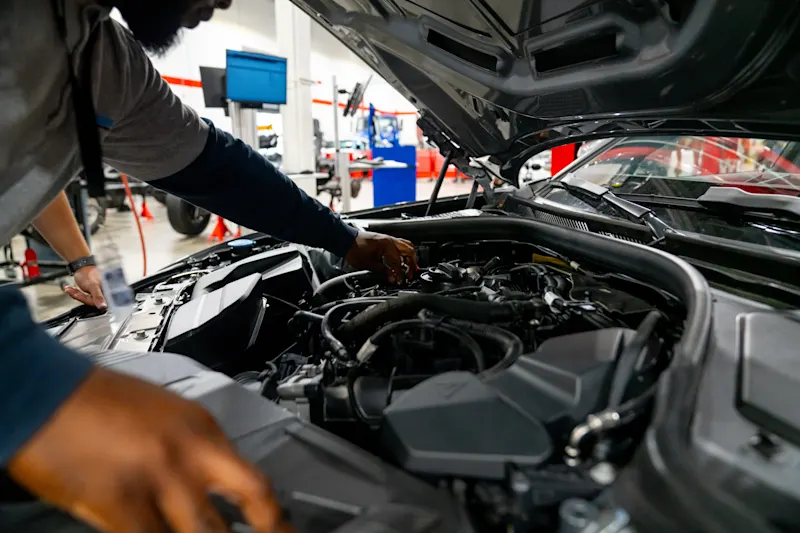
Understanding Automotive Preventive Maintenance: How Technicians Keep Vehicles Running Longer
Learn how automotive technicians use preventive maintenance to keep vehicles running longer, and how UTI training helps build those essential skills
Preparing for EV-Specific Diagnostics: Skills and Tools
Explore UTI’s EV diagnostic training and critical skills and tools needed for a career servicing electric vehicles. Learn why this expertise is in demand.
Timing Belt vs. Timing Chain: What’s the Difference?
Learn the difference between timing belts and timing chains, common trouble symptoms, service intervals and costs. See how future techs train at UTI.
MAF vs. MAP Sensors: What Technicians Need To Know
Learn MAF vs. MAP sensor differences, symptoms and diagnosis. See how UTI prepares future techs to work on intake sensors.
Wheel Alignment vs. Balancing: What’s the Difference? When Are They Used?
Find out what sets wheel alignment vs. balancing apart and when each service matters. Get details on how to get hands-on training for an auto mechanic career.
ASE Certification: Improve Your Auto Career Opportunities
Discover why ASE certification is important for auto technicians. Learn how UTI's Automotive training program doubles as ASE certification prep.
OBD2 Codes: A Beginner’s Guide
Learn how to read OBD2 codes with a scanner and what common codes mean. Gain real-world skills through hands-on auto mechanic training.
8 Auto & Light Truck ASE Certification Topics
Learn the topics covered in the 8 automotive ASE certification exams for Master Technician status. Develop skills through hands-on auto mechanic training.
What Types of Hands-On Training Do Auto Mechanics Need?
Want hands-on skills for real auto mechanic work? Discover why automotive training matters. Apply now to train for an in-demand career working on cars.
Does a Car Air Conditioner Burn More Fuel
Learn how car AC affects fuel consumption and engine performance. Discover the relationship between cooling systems and fuel efficiency in vehicles.