All Programs
Diagnose, repair, and maintain cars to keep them on the road.
Maintain and repair diesel-powered vehicles and machinery.
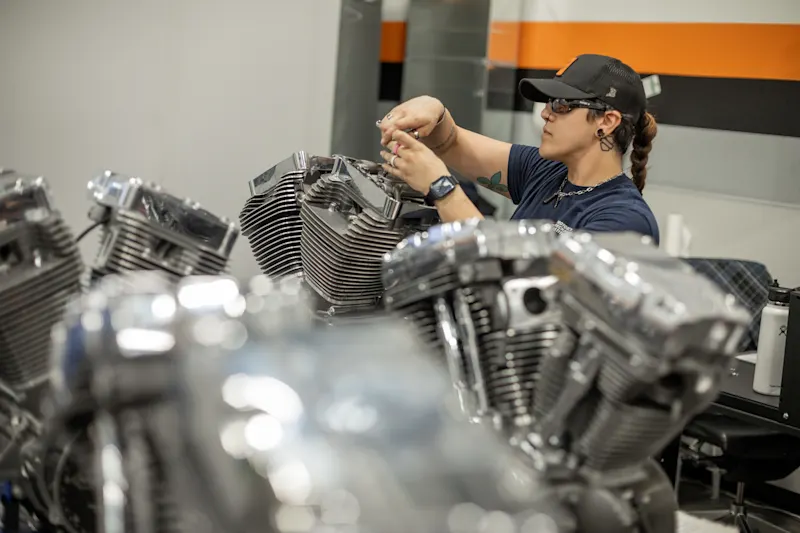
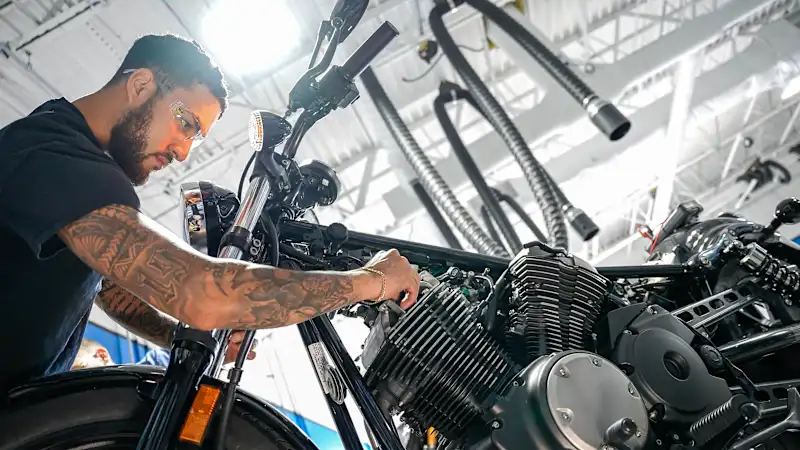
Get skills for custom bike & powersports shops and more.
Keep boats and marine equipment in sound condition.
Repair damaged vehicles so they’re good as new.
Learn electrical tech skills: wiring, low/high voltage, smart home systems
Work on machinery used in oil, gas, coal, nuclear, & solar.
Keep machinery & robotic systems running in a variety of settings.
Channel a sense of adventure working on wind turbines.
Ensure safety and reliability in aircraft & prep for the aviation industry.
Learn to maintain aircraft while earning a degree in aviation.
Weld parts used in motorsports, aerospace, construction and more.
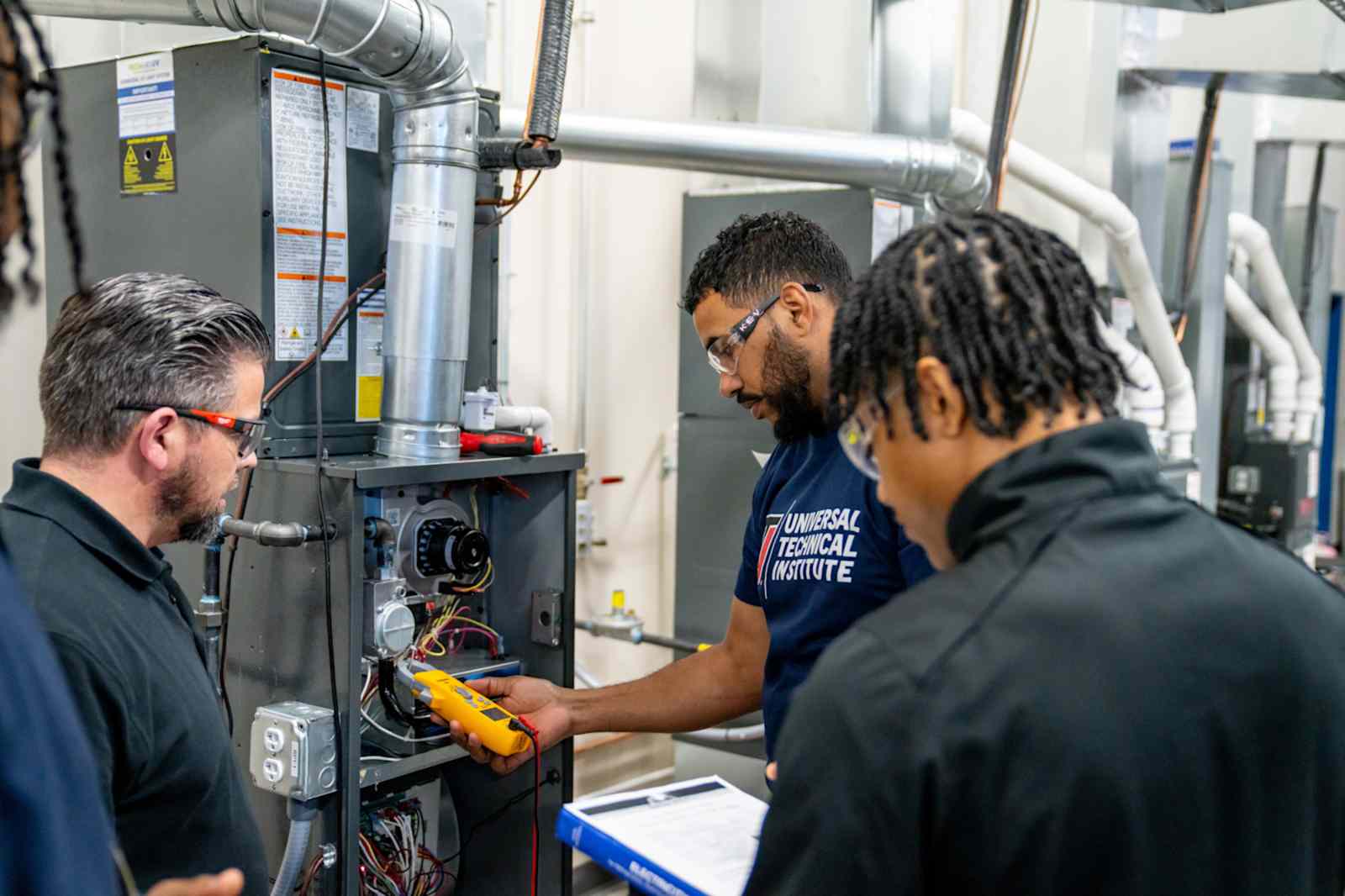
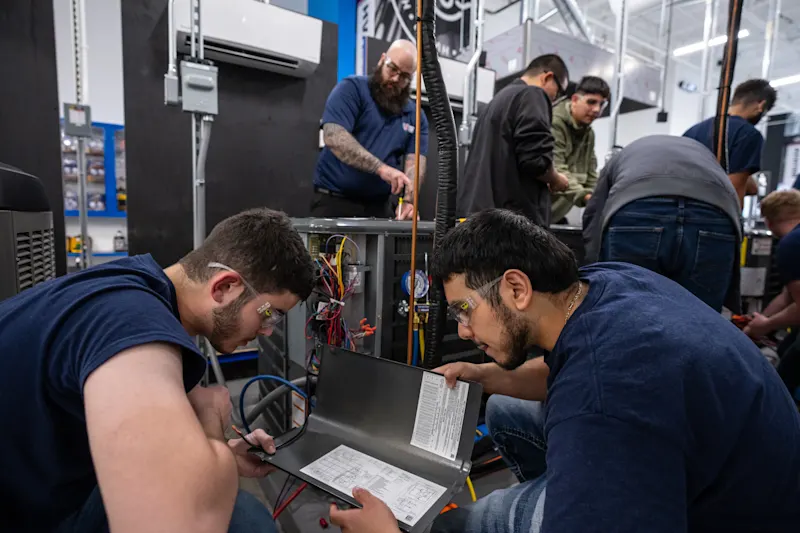
Keep HVACR systems running in commercial & residential environments.
Test components like welds for safety used in oil, gas, & more.
Find Your Path
Not sure where to start? Tell us about yourself, and we’ll match you to a program.
Take Quiz
Not sure which path to take?
All Campuses
Interested in a program? Find Out More
Request Info
Cost Breakdown
See your estimated cost of attendance and start planning with confidence.
Estimate My Cost
Find the program that fits you
Learn how to choose the best motorcycle mechanic trade school program, from hands-on training and manufacturer relationships to certifications and career search support.
Learn how to pick a good HVAC training program by evaluating accreditation, labs, tools, instructor experience and more.
Wrenches. Diagnostics. Repairs. Real shop work. See what motorcycle technicians actually do all day and how hands-on training can help you get started.
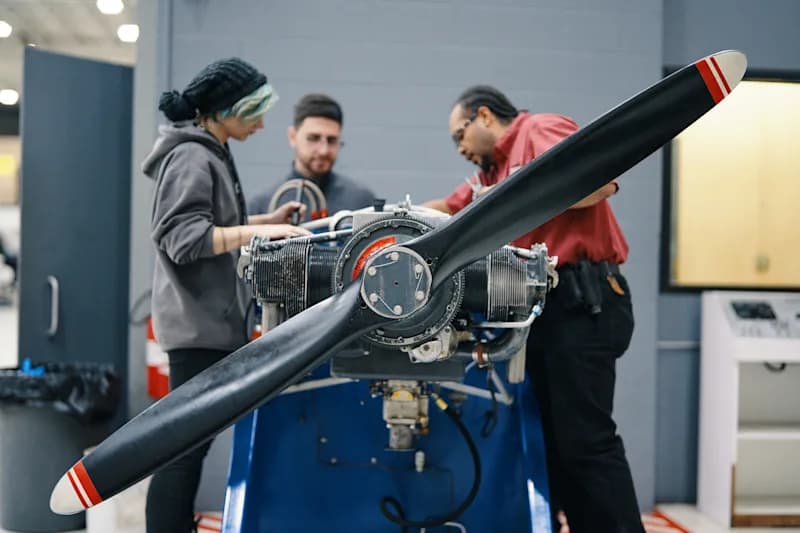
How hard is it to become an aircraft mechanic? Learn what training is like, how long it takes to feel confident, and how beginners can start with no experience.
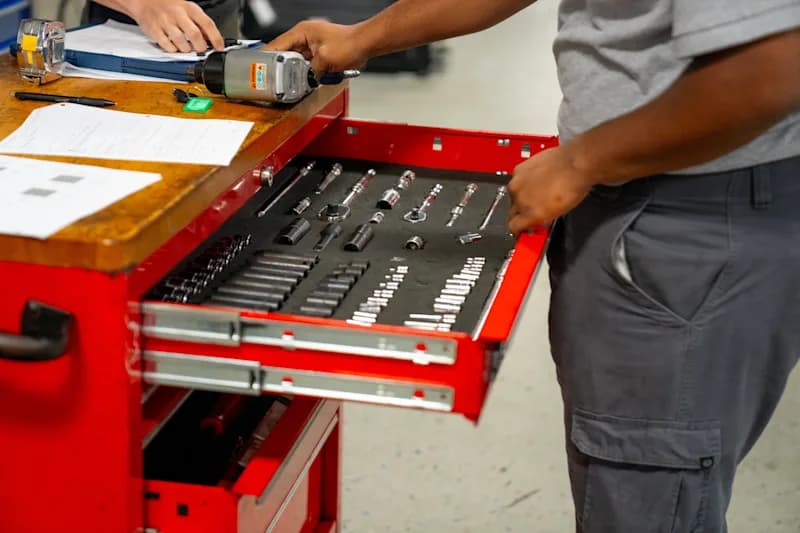
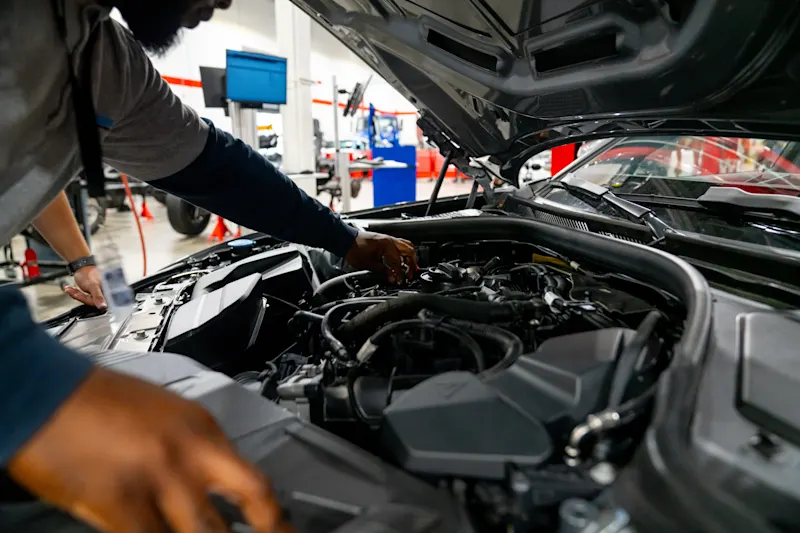
From wrenches to diagnostic scanners, see the auto mechanic tools used in Dallas, Texas, and how technicians work on modern vehicles.
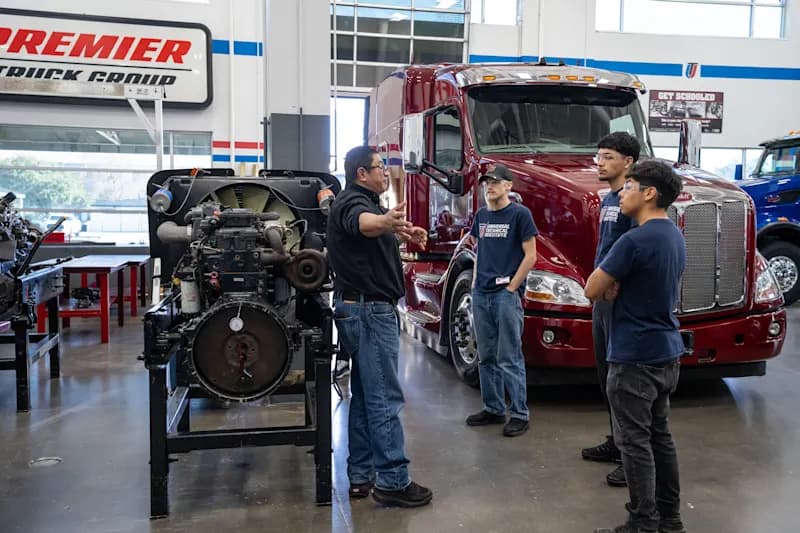
Wondering if you can train to become a diesel mechanic with no experience? Read how to get started here!
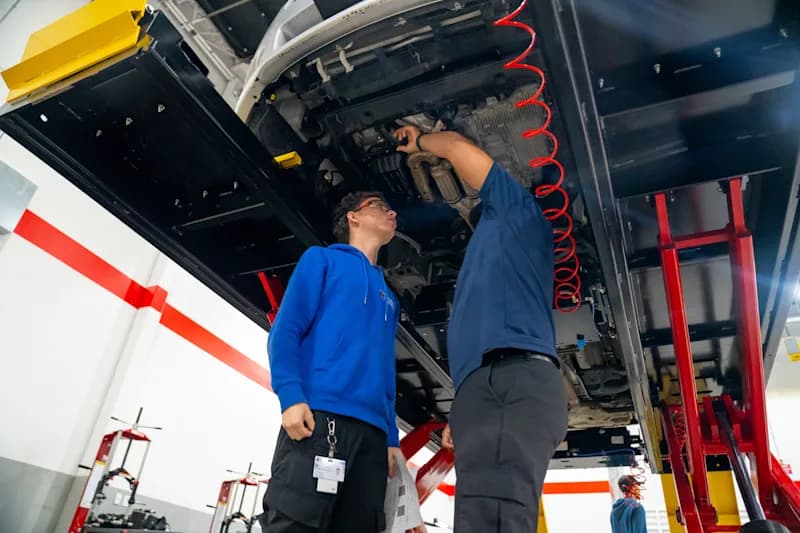
From training to certifications, see what it takes to become an automotive technician and get started in the field.
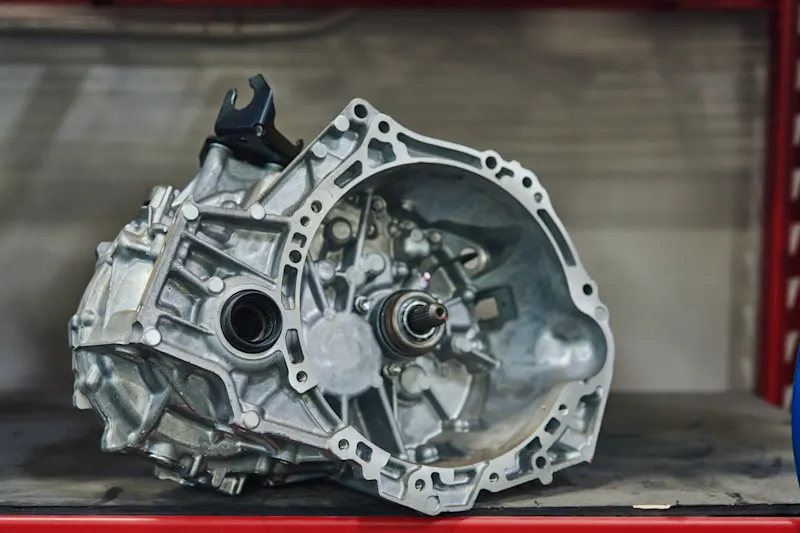
Wondering how to specialize in transmissions as an auto tech? Read our blog to learn some tips.
Learn why employers like Cox Automotive value UTI training and how it helps prepare students for real-world automotive technician careers.