
Motorcycle
How To Choose the Best Motorcycle Mechanic Trade School Program
Learn how to choose the best motorcycle mechanic trade school program, from hands-on training and manufacturer relationships to certifications and career search support.
In This Article
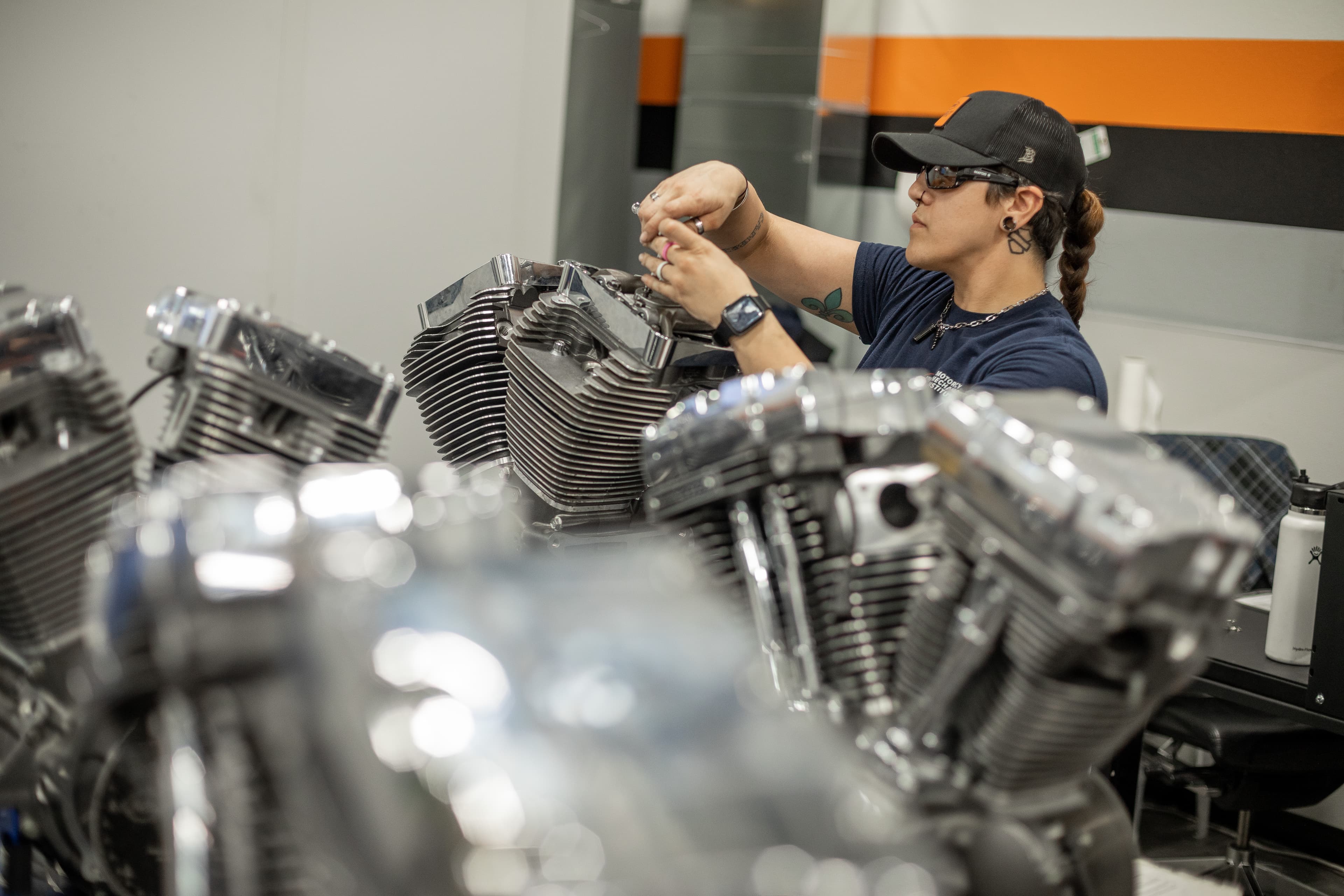
If you’re passionate about motorcycles and enjoy working with your hands, enrolling in a motorcycle training program could help you build skills for pursuing a career in the industry. But with different schools, training formats and program options, how do you decide which one is right for you?
Finding the best motorcycle mechanic school isn’t just choosing the first program you find. Hands-on training, curriculum, equipment, manufacturer relationships, program length and more can help you compare your options.
For example, UTI’s Motorcycle Technician training program allows students to develop industry-relevant skills through hands-on lab training and can be completed in just 48 weeks.1,7
Keep reading to learn more about what you should look for in a motorcycle mechanic school.
Key Takeaways
- Look for motorcycle mechanic programs that combine technical instruction with hands-on lab training.
- Compare curriculum, equipment, instructors, accreditation, program length and cost before choosing a school.
- Consider whether a program offers manufacturer-specific training if you’re interested in working with specific motorcycle brands.
- Career services and employer relationships can be valuable when preparing to pursue entry-level opportunities after graduation.
- The best motorcycle mechanic schools for you will ultimately depend on your career goals, learning preferences, schedule and financial situation.
What Is a Motorcycle Training Program?
A motorcycle training program is designed to help students develop foundational skills and knowledge related to motorcycle maintenance, diagnostics and repair. Students in a motorcycle mechanic school may learn how to service engines, troubleshoot electrical systems, inspect brake and suspension components, and perform routine maintenance procedures.
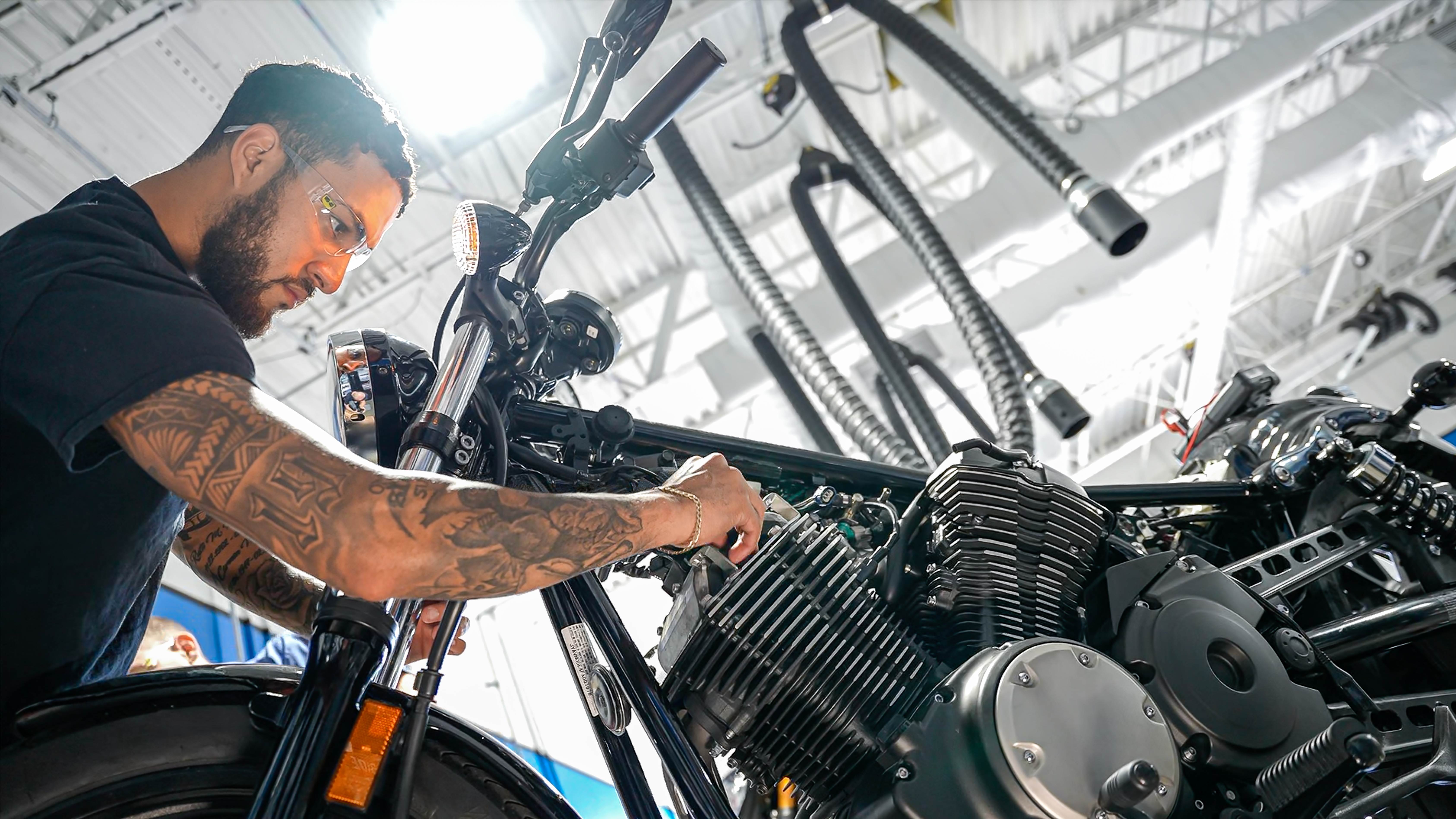
UTI’s motorcycle school combines classroom instruction with hands-on motorcycle training in lab environments that mirror real industry settings. This gives students opportunities to apply what they learn while working with tools, technology and equipment commonly used in the field while developing practical motorcycle technician skills.3
For students asking, “What’s the best motorcycle program for hands-on experience at a trade school?” it’s often one that blends practical lab work with industry-focused instruction.
What To Look for in the Best Motorcycle Mechanic Programs
There isn't one motorcycle mechanic program that's automatically best for every student. Instead, compare schools based on the quality and type of training they provide and how well each program fits your goals.
Here are some of the most important factors to consider:
Is the motorcycle mechanic school accredited?
Accreditation can help indicate that a school meets certain educational standards. Attending an accredited motorcycle school may also impact financial aid eligibility for those who qualify.
As you research programs, look into:
- Institutional accreditation
- Program reputation
- Student support resources
Accreditation alone doesn’t guarantee a specific experience, but it can be one factor to consider when comparing schools. UTI's campuses are accredited by the Accrediting Commission of Career Schools and Colleges (ACCSC), an agency recognized by the U.S. Department of Education.
Moto schools with hands-on training and current equipment
If you’re comparing the best trade schools for motorcycle mechanic training, consider not only what a program teaches but also how students get to practice and apply those skills.
Hands-on motorcycle training is one of the most important parts of learning to become a motorcycle mechanic. Rather than only reading about systems in a classroom, students should have opportunities to apply their skills in lab-based environments.
When researching a motorcycle mechanic school, look for programs that provide access to industry-standard tools and diagnostic equipment. Training with current technology can help students become more familiar with the types of systems and procedures they may encounter in the field.
Practical experience can help students build confidence while applying what they learn in the classroom.
UTI moto students receive hands-on training in labs that mirror the industry, combined with online courses that help teach them skills and concepts for their careers.
Curriculum that reflects today’s industry
Motorcycle technology continues to evolve, and a strong motorcycle training program should reflect those changes. A curriculum that aligns with current industry trends can help students build practical skills while preparing to work on today’s motorcycles and powersports equipment.
The Motorcycle Technician Training program at UTI covers topics like electrical diagnosis, engine troubleshooting, powersports physical science and more. Another factor to consider is whether a school provides opportunities to train beyond foundational motorcycle systems.
After completing the Motorcycle Technician Prerequisite (MTP) portion of UTI’s program, students are able to choose to train on specific brands based on their interests and career goals. Available training includes brands such as BMW, Yamaha, Kawasaki Harley-Davidson® and more.
Instructors with real-world experience
The instructors at a motorcycle school can play a major role in the learning experience. Many students value learning from professionals who have worked in the motorcycle industry and can provide real-world insight alongside technical instruction.
Experienced instructors may also help students better understand how classroom concepts connect to real service situations, from diagnostics and repairs to customer-focused work environments.
UTI’s motorcycle instructors bring a wealth of experience from their time in the field, as well as a passion for the craft.
Career services and employer networking
Some motorcycle mechanic schools offer career services designed to support students as they prepare for employment opportunities after graduation. These services may include:
- Resume assistance
- Interview preparation
- Job-search support
- Employer networking opportunities
Schools with employer relationships may also help students learn more about potential career paths in the motorcycle industry and connect with companies looking for trained technicians.
UTI has a dedicated Career Services team that helps students locate job opportunities both during their training program and after graduation.1
Program length and cost
Time and cost are practical considerations when comparing the best motorcycle mechanic schools for your situation.
Program length can vary depending on the school, curriculum and type of credential offered. Consider how quickly you want to pursue the workforce, but don't evaluate a program based on length alone. Compare what you'll learn and how much hands-on training is included during that time.
You'll also want to compare tuition and other potential expenses. Ask each school about tuition, fees, tools and supplies as well as financial aid and scholarship opportunities that may be available to those who qualify.10
Looking at both time and total cost can give you a clearer picture of the investment required for each program. You can explore UTI’s tuition costs here.
Career Outlook for Motorcycle Mechanics
Understanding the career itself can also help you decide whether motorcycle mechanic training makes sense for your goals.
Motorcycle mechanics inspect, diagnose, maintain and repair motorcycles and related powersports equipment. Depending on their training and employer, technicians may work in motorcycle dealerships, independent repair shops and other service environments.
According to the U.S. Bureau of Labor Statistics, the median annual salary for motorcycle mechanics in the United States was $48,580 in May 2025.30 This means half earned more and half earned less. Actual pay can vary based on factors such as experience, employer, location and demand.
For students considering this career path, researching employment opportunities in the area where you plan to work can provide additional context about local demand.
Choosing the Best Program Based on Your Goals
The best motorcycle mechanic school for you depends on what you want from your training. Before enrolling, think about the type of career and educational experience you're looking for.
If you want brand-specific training: Look for schools that have relationships with motorcycle manufacturers and offer specialized coursework. At UTI, students who complete the MTP portion of their training can choose manufacturer-specific training from several major brands.
If you want a faster path toward pursuing entry-level work: Compare program lengths and how efficiently each curriculum builds foundational technician skills. UTI's core Motorcycle Technician program takes 48 weeks to complete.
If hands-on learning is important to you: Ask how much the program involves working in labs and what equipment students use. Touring the school can be especially useful for seeing its facilities firsthand.
If you're still exploring the career: Research what motorcycle technicians actually do, and the skills employers may look for before committing to a program. UTI's guide on how to become a motorcycle mechanic explains the career, typical duties, training path and opportunities for specialization.
Ultimately, how to choose the best motorcycle mechanic school comes down to finding a program that balances training quality, hands-on experience, time, cost and career preparation with your individual goals.
Motorcycle Mechanic School FAQs
What does a motorcycle mechanic do?
A motorcycle mechanic diagnoses, maintains and repairs motorcycles and related systems. This can include performing inspections, troubleshooting issues, replacing parts and completing routine maintenance.
How long does motorcycle mechanic training take?
Program length can vary depending on the motorcycle school and training path chosen. Some motorcycle training programs can be completed in under a year. UTI’s program runs just 48 weeks.2
Do I need prior experience to enroll in a motorcycle mechanic school?
Many motorcycle mechanic schools are designed for beginners and do not require prior experience before enrollment. UTI’s moto program is designed for all skill levels, building knowledge on concepts and ensuring understanding before progressing through the courses.
What should I look for in a motorcycle mechanic program?
When researching a motorcycle training program, consider factors like the time you’ll spend in school, hands-on training opportunities, curriculum quality, equipment, instructor experience, brand relationships and student support services.
Can motorcycle mechanic schools help with career preparation?
Some motorcycle schools, like UTI, offer career support, including resume assistance, interview preparation and employer networking opportunities to help students prepare for entry-level roles after graduation.1
Do motorcycle mechanic programs offer manufacturer-specific training?
Some motorcycle mechanic programs offer manufacturer-specific training that allows students to develop knowledge of brands, technologies and service procedures.
At UTI, students who complete the core MTP curriculum can choose additional manufacturer-specific training. Options include BMW Motorrad, Harley-Davidson®, Honda, Kawasaki, Suzuki* and Yamaha. Some dealerships may require manufacturer-specific advanced training when considering technicians for certain roles.
*Suzuki training is only offered at UTI's Phoenix, Arizona, campus.
What certifications can motorcycle mechanics earn?
Certification opportunities can vary depending on the motorcycle brand, employer and type of training completed. Some manufacturers have their own training programs, credentials or technician levels.
When comparing schools, ask whether the curriculum prepares students for manufacturer-specific credentials or provides training recognized by industry employers. It's also helpful to distinguish between completing a school's training program and earning a separate manufacturer or industry certification.
Is a motorcycle mechanic career in demand?
Demand for motorcycle mechanics can vary by location, employer and economic conditions. Motorcycle technicians are needed to maintain, diagnose and repair motorcycles and other powersports equipment, and employment opportunities may be found at dealerships, independent shops and other service businesses.
Start Training for a Motorcycle Technician Career at UTI
Choosing a motorcycle mechanic school is an important step toward pursuing a career working with motorcycles and other powersports equipment.
At Universal Technical Institute, students in the motorcycle training program can learn foundational skills needed to work on motorcycles, ATVS, side-by-sides and personal watercraft in the motorcycle and powersports program.
If you’re comparing the best motorcycle mechanic schools and want to see whether UTI is right for you, explore our Motorcycle program to learn more. Request info or fill out an application today.
Universal Technical Institute of Illinois, Inc. is approved by the Division of Private Business and Vocational Schools of the Illinois Board of Higher Education.
Train for the Future
Imagine waking up each day excited to work in a career you’re passionate about – one where your hands-on skills make a real impact. UTI’s vocational trade school can help you gain the skills and confidence to pursue what you love.
