
HVACR
How To Choose an HVAC Training Program
Learn how to pick a good HVAC training program by evaluating accreditation, labs, tools, instructor experience and more.
In This Article
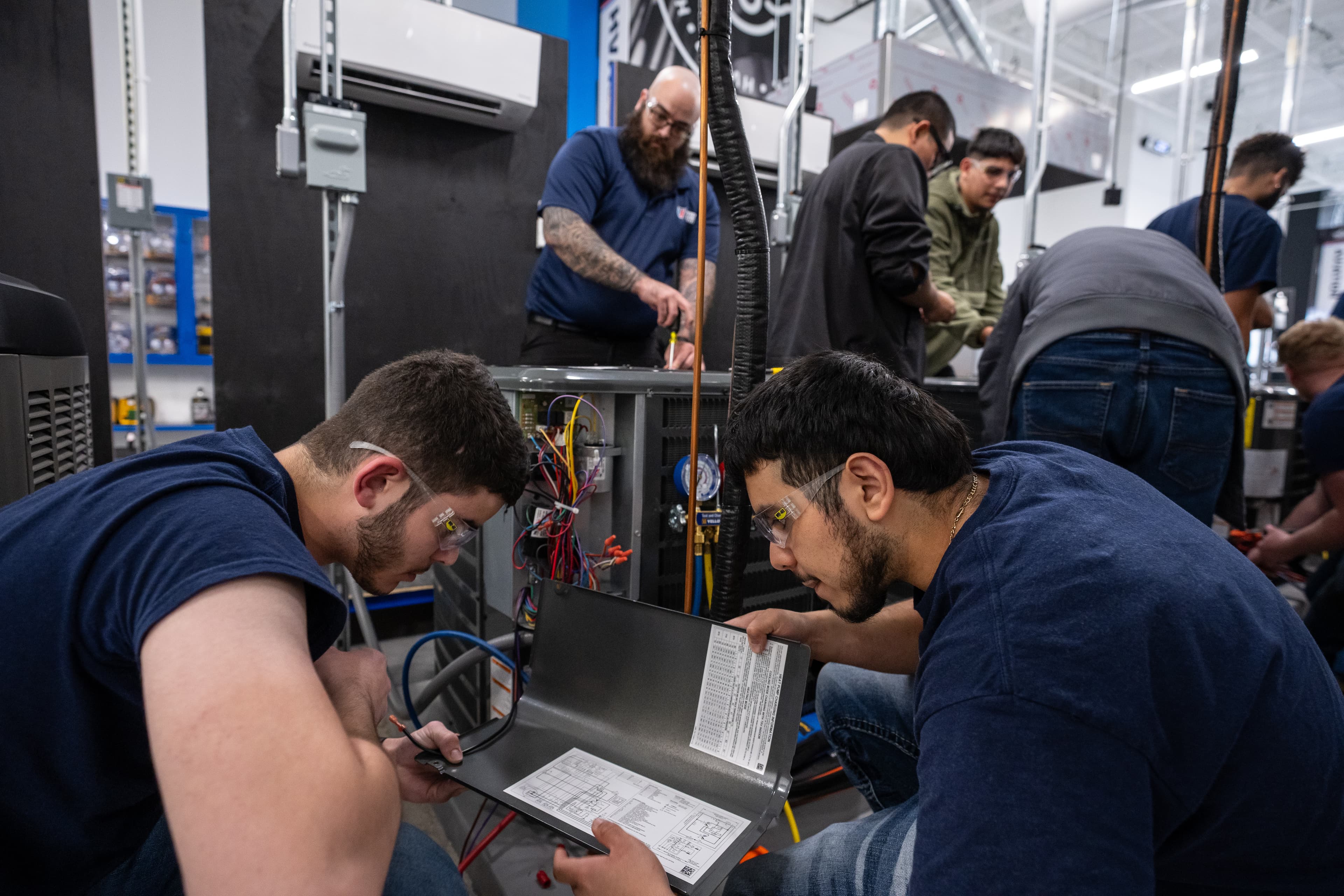
If you’re interested in becoming an HVACR technician, choosing the right training program is one of the first major decisions you’ll make. With so many HVACR schools out there, it’s important to find one that aligns with your career goals, learning style and timeline.
From hands-on labs to career support services, the quality of your education can help shape your future in the skilled trades. Here’s what to look for when evaluating HVAC training programs, like UTI’s HVACR technician school.1
Define Your Career Goals and Training Timeline
Before enrolling, think about what you want from your HVAC career. Are you looking to train for residential HVAC systems, commercial refrigeration or a broader HVACR technician path? Understanding your goals can help you narrow down programs that fit your interests.
You should also consider how quickly you want to begin working in the field. Some HVAC certification programs can be completed in less than a year, while others may take longer depending on the curriculum and schedule options available.
When researching schools, ask questions like:
- How long does the program take to complete?
- Does the training fit my schedule?
- What skills and systems are covered?
- Will the program prepare me for entry-level HVACR roles?
Having a clear idea of your goals can make it easier to determine how to pick a good HVAC training program for your future.
Verify Accreditation and Certification Preparation
Accreditation is an important factor when comparing HVAC schools. Accredited schools must meet certain educational standards, which can help ensure students receive quality instruction and training. UTI's campuses are accredited by the Accrediting Commission of Career Schools and Colleges (ACCSC), an agency recognized by the U.S. Department of Education.
You’ll also want to confirm whether the program prepares students for industry-recognized certifications. Many employers value candidates who are prepared to pursue credentials related to HVAC systems and refrigerant handling.
UTI’s HVACR Technician program helps prepare students to test for certifications like:
- EPA Section 608 Technician Certification
- North American Technician Excellence (NATE) Core exam*
- OHSA 10-Hour construction training
- R410A refrigerant safety
*Technicians seeking NATE certification take two exams: the Core exam and Specialty exam. UTI offers prep and testing for the Core exam only; once passed, technicians are enabled to take the Specialty exam through an employer.
Evaluate Hands-On Training and Facilities
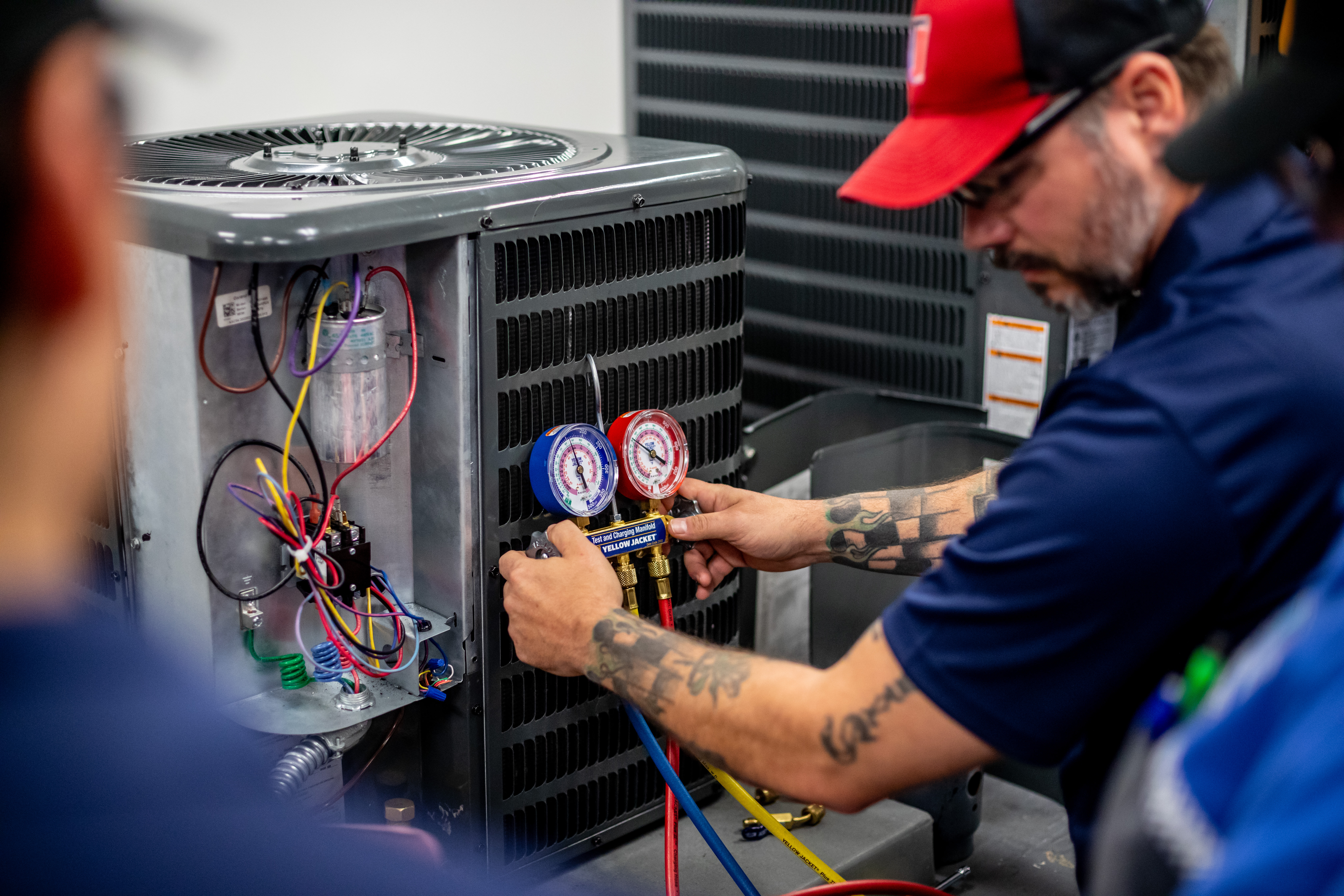
One of the most important parts of HVAC education is hands-on training. Working directly with tools, equipment and systems can help students build practical skills before entering the workforce.
As you evaluate schools, look for programs that offer:
- HVAC labs that simulate real work environments
- Training on modern residential and commercial systems
- Opportunities to practice diagnostics and troubleshooting
- Exposure to electrical systems, refrigeration and airflow concepts
Touring a campus can also help you assess the quality of the facilities and equipment and ask any questions you may have before deciding. We make it easy to book a tour at one of our nationwide campuses.
Assess Career Services and Job Search Support
A strong HVAC training program should offer more than technical instruction. Career support can also play an important role as students prepare for employment opportunities after graduation.
UTI’s Career Services team provides support for both current students and graduates.1 While students are in school, advisors can help them look for local jobs that can help cover living expenses. For graduates, specialists are available to work with students to find opportunities – whether local or somewhere else in the country.
From resume development to interview training, our team is here to help.
Analyze Cost, Financial Aid, and Training Timeline
Cost is another major consideration when choosing a school. Tuition, tools, supplies and living expenses can vary depending on the program and campus location.
As you compare HVACR schools, ask for a full breakdown of costs and learn what financial assistance options may be available. Many schools offer financial aid, scholarships, grants and student loans to those who qualify.10 UTI has a dedicated Financial Aid team that can help students navigate their options and fill out a Free Application for Federal Student Aid (FAFSA).
You should also think about long-term value. A program that gets you prepared for the field quickly means you can pursue roles sooner and spend less time in school compared to traditional colleges.
Consult Alumni and Employers for Program Reputation
Researching an HVACR school’s reputation can provide valuable insight into student experiences and employer relationships.
Speaking with graduates and employers is an option, but it can also be helpful if a school has any testimonials available to look at. These stories can show students the impact that attending a school has had and speak to a school’s reputation.
UTI has a wealth of instructor, employer and graduate stories that you can listen to and read about. They’re stories that highlight the impact and importance of trades training!
HVACR Training Frequently Asked Questions
How long does HVAC training typically take?
Program length varies by school and curriculum. Some HVAC certification programs can be completed in under a year, while others may take longer depending on the training format and specialization focus. UTI’s HVACR training can be completed in 9-10 months depending on the campus you attend.
What certifications should an HVAC training program prepare me for?
Many HVACR technician programs prepare students for certifications such as EPA Section 608, NATE Core and OSHA-10. Certification preparation can help students build foundational industry knowledge and pursue additional credentials later in their careers.
How important is hands-on training in HVAC education?
Hands-on HVAC training is extremely important because it allows students to practice working with real tools, systems and equipment. Lab-based learning can help reinforce classroom instruction and improve technical confidence.
What career support services can help me find a job after graduation?
HVAC career services such as resume help, interview coaching, employer hiring events and job search support are helpful for graduates. UTI’s Career Services team proudly offers these resources.
Should I assess my current HVAC skills before enrolling?
Prior experience is not always required to enroll in HVAC school, including UTI’s HVACR Technician program. However, assessing your strengths, interests and comfort with technical work can help you determine whether HVAC training is a good fit for your goals.
Attend UTI’s HVACR Technician Program
If you’re looking for an HVACR training program that combines classroom instruction with hands-on HVAC training, Universal Technical Institute offers a program designed to help students build foundational skills used in the field.
Students train in labs that mirror real work environments and learn concepts related to heating, ventilation, air conditioning and refrigeration systems. The program also helps prepare students to test for industry-recognized credential opportunities.
Ready to learn more about HVAC training? Request information and speak to a rep who can answer your questions. Or, enroll today!
Universal Technical Institute of Illinois, Inc. is approved by the Division of Private Business and Vocational Schools of the Illinois Board of Higher Education.
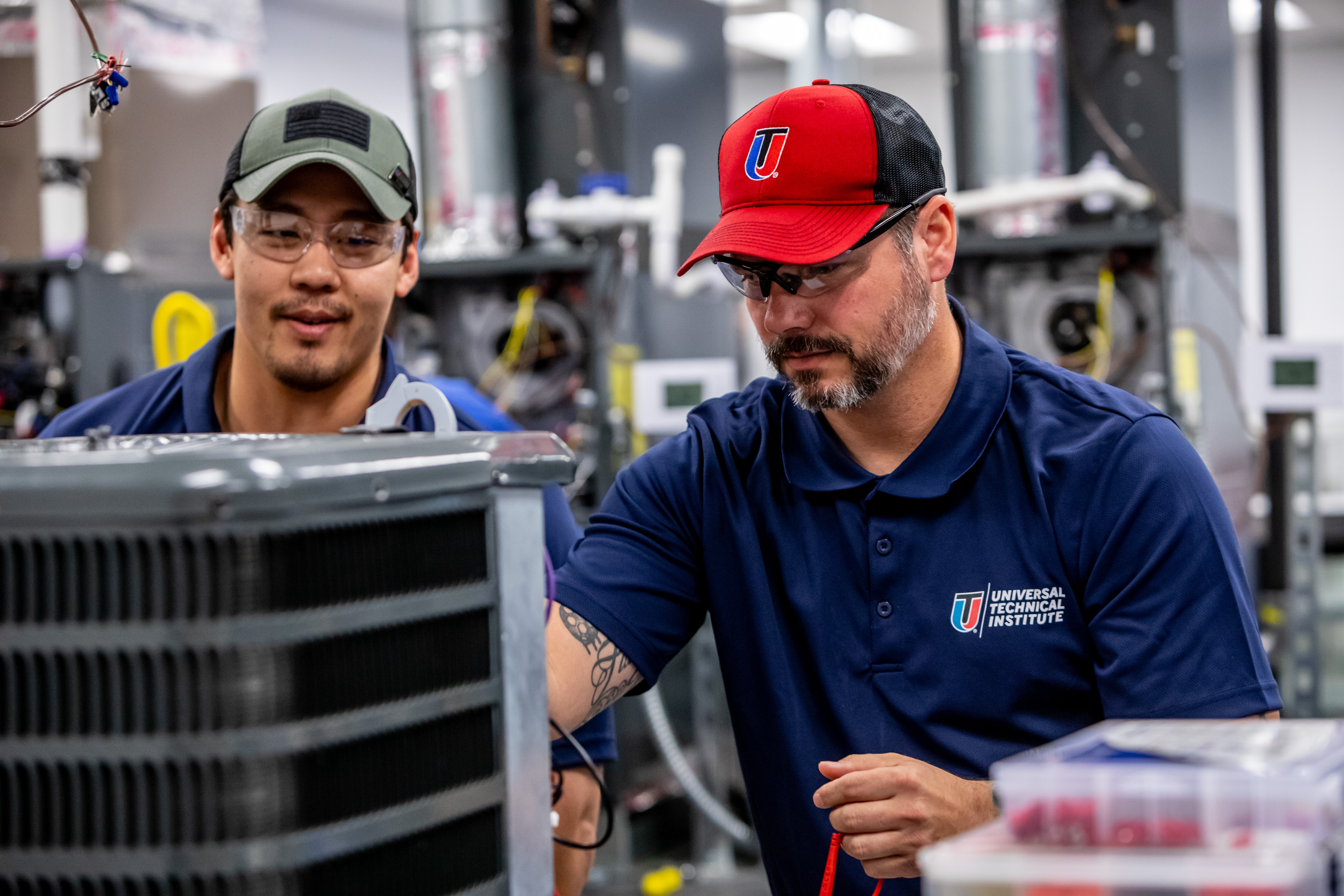
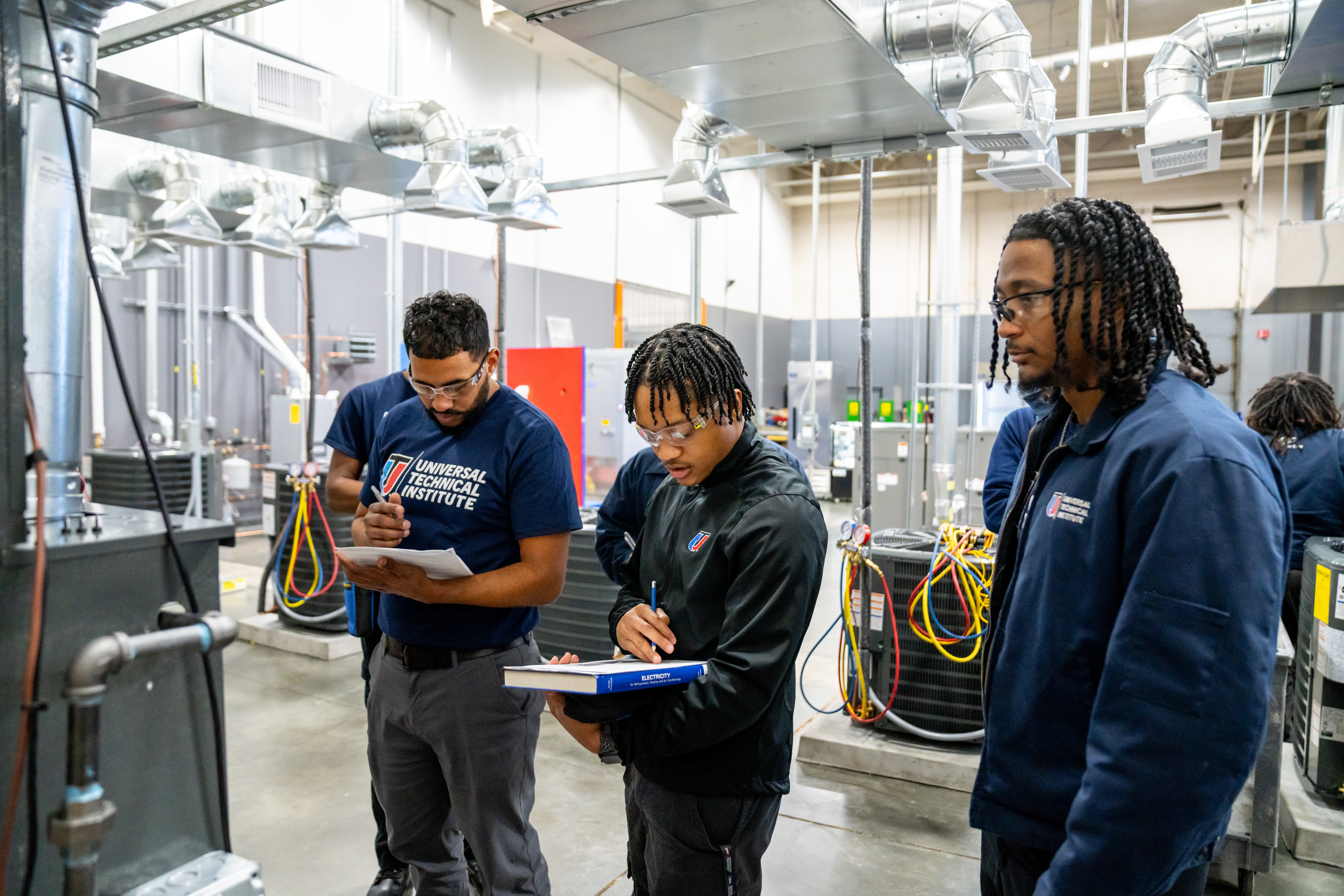
Train for the Future
Imagine waking up each day excited to work in a career you’re passionate about – one where your hands-on skills make a real impact. UTI’s vocational trade school can help you gain the skills and confidence to pursue what you love.
