HVACR
The Best HVACR Certifications: 2026 Guide
Explore HVACR certifications and licenses, including common requirements, eligibility, exam preparation and credentials for different career paths.
In This Article
The HVACR industry continues to grow in complexity and demand, and in 2026, the importance of professional HVACR certifications has never been greater. With several credentials available, figuring out which ones to pursue can be confusing. Some are required for certain types of work, while others can demonstrate additional or advanced knowledge in a topic.
Whether you’re an aspiring HVACR technician or already in the field and want to boost your resume, earning the right certifications can help you as you pursue your goals.
This guide to HVACR certifications breaks down the certs you need to know about, from foundational credentials like the EPA 608 to more specialized options.
Key Takeaways
- EPA Section 608 is a federally required certification for technicians who maintain, service, repair or dispose of equipment that could release regulated refrigerants.
- The best HVACR certifications to pursue first typically focus on refrigerant handling, workplace safety and foundational technical knowledge.
- Credentials such as NATE certification can help technicians demonstrate their knowledge and build upon their training as they gain experience.
- Certification costs, eligibility requirements, renewal requirements and expiration policies vary by credential.
- HVACR training can help aspiring technicians develop foundational skills and prepare to test for industry-recognized certifications.
Why HVACR Certifications Matter in 2026
Improving your resume
Employers are actively seeking certified professionals who can hit the ground running. Holding certifications like those from EPA (Environmental Protection Agency) or NATE (North American Technician Excellence) could help aspiring techs boost their resume and appeal to employers.
Compliance with industry regulations and environmental standards
Certifications help HVACR technicians stay up to date with environmental policies, refrigerant regulations and industry safety standards. HVACR technicians who hold certifications demonstrate an understanding of safety, efficiency and legal requirements.
Enhanced technical skills and career growth
Certifications are more than credentials. They’re proof of your technical knowledge and readiness to take on complex HVACR systems. As the industry evolves with smarter and greener technologies, staying certified means staying relevant.
The Best HVACR Certifications To Earn First
For someone entering the field, the best HVACR certifications to pursue first generally include credentials related to refrigerant handling, safety and core HVACR knowledge. From there, technicians can add specialized certifications based on the systems they work with and their career goals.
EPA 608 Universal Certification
Required for anyone who handles refrigerants, the EPA Core certification helps ensure compliance with the Clean Air Act. It’s a must-have for all refrigeration technicians and is often the first certification technicians earn.
OSHA Safety Certifications
Safety is key in any trade. OSHA 10-Hour construction training or OSHA 30 certifications prepare technicians to work safely on job sites and comply with federal workplace safety standards.
NATE Certification
The NATE certification is an industry-respected credential that demonstrates excellence in HVACR installation and service. It’s recognized by employers nationwide and enhances both credibility and career potential.
R-410A / A2L Refrigerant Safety Certification
Refrigerant training continues to evolve as the HVACR industry transitions toward refrigerants with lower global warming potential (GWP). While R-410A remains present in existing systems, newer residential and light-commercial equipment increasingly uses A2L refrigerants such as R-32 and R-454B.
For technicians preparing to work on both existing and newer equipment, knowledge of R-410A and A2L refrigerants can be important.
Advanced and Specialized HVACR Certifications
Once technicians have foundational credentials and field experience, additional certifications can help them build expertise in specific technologies or applications. The best HVACR certifications at this stage will depend largely on the systems and environments in which they work.
Refrigeration Service Engineers Society (RSES) Certification
The RSES certification provides advanced training in refrigeration systems and is well-suited for technicians working in commercial or industrial environments.
Geothermal and Solar HVACR Certifications
Green energy is reshaping HVACR. Specialized certifications in geothermal and solar systems can give technicians a competitive edge in the evolving field of renewable HVACR solutions.
HVACR System Performance and Efficiency Certifications
Certifications focused on system diagnostics and performance optimization help technicians improve energy efficiency, reduce service costs and deliver better results to clients.
How HVACR Certifications Can Affect Your Salary
HVACR certifications do not guarantee a specific salary, but they can help technicians demonstrate specialized knowledge and qualify for positions that require certain credentials or skills. As technicians gain experience, certifications may also support opportunities to take on more advanced responsibilities or pursue specialized areas of HVACR work.
According to the Bureau of Labor Statistics (BLS), the median annual salary for HVACR technicians in the United States was $61,010 in May 2025.58 This means half earned more and half earned less. Keep in mind that salary depends on several factors, including experience, employer, demand and cost of living in the area.
Some credentials may become more valuable at different points in a technician's career. For example, EPA Section 608 is necessary for technicians performing covered refrigerant work, while advanced or specialty credentials can demonstrate additional expertise as technicians gain field experience.
When comparing the best HVACR certifications, consider more than potential pay. Employer requirements, local demand, your experience level and the type of HVACR work you want to pursue can all help determine which credentials are most useful.
Steps To Earn the Best HVACR Certifications in 2026
Meeting Eligibility Requirements
Before pursuing certification, technicians typically need a high school diploma or GED certificate. Some advanced certifications may require formal training or on-the-job experience.
It’s a good idea to review the requirements established by the credentialing organization so you know what training or experience you’ll need.
Enrolling in an Accredited Training Program
Accredited programs provide hands-on training and exam prep. Many schools, like Universal Technical Institute (UTI), offer specialized courses to help you prepare.1
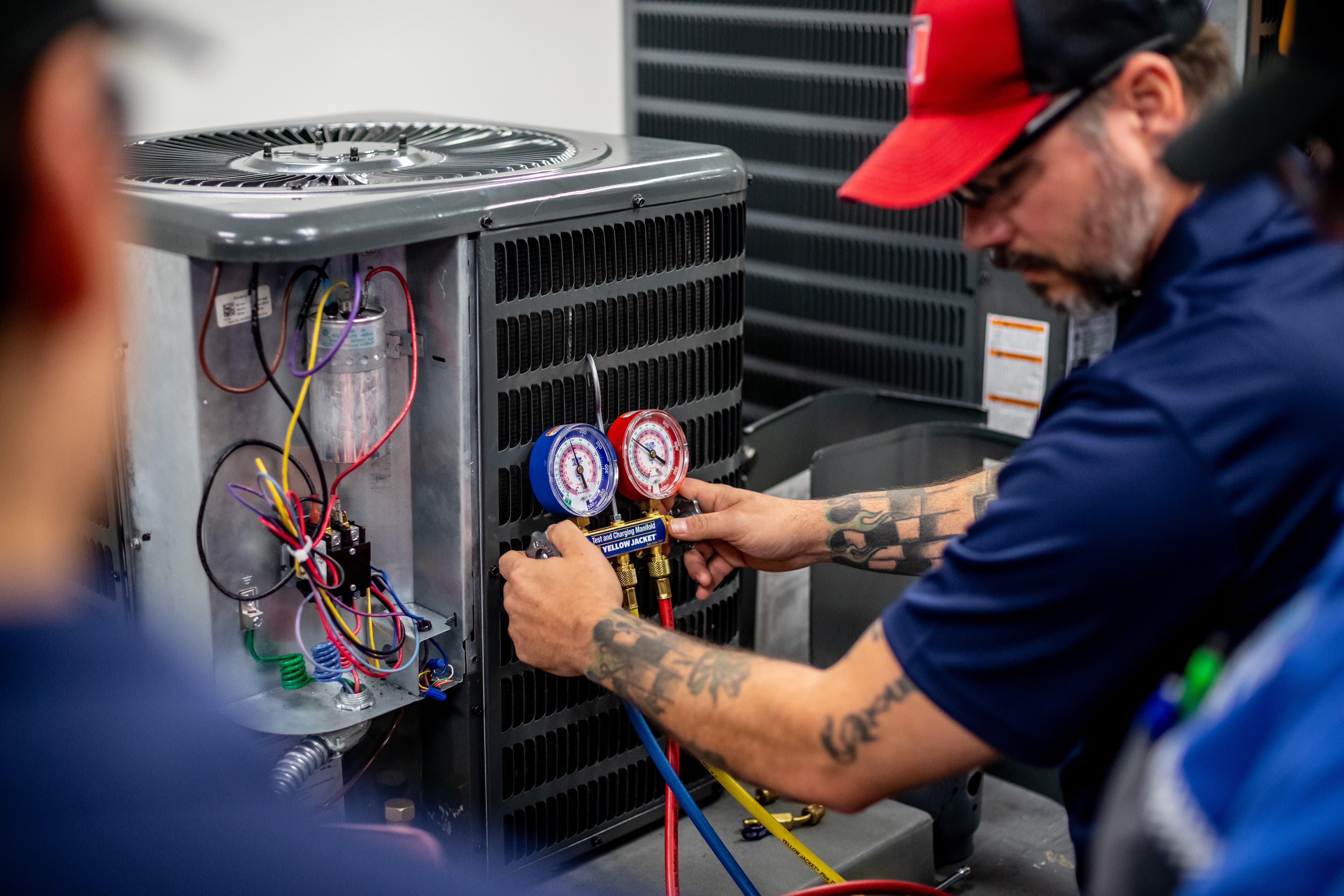
UTI offers a 9-10 month HVACR Technician program that covers refrigeration, ventilation, heating and air conditioning topics. Students learn in hands-on labs from instructors who have worked in the industry.
The best part about UTI’s HVACR training is that it’s designed to help students prepare to test for widely recognized HVACR certifications that include:
- EPA Section 608 Technician Certification
- NATE Core exam*
- OSHA 10-Hour construction training
- R-410A safety
- A2L Refrigerant Safety Certification
For students researching the HVACR certifications you need to enter the industry, training at UTI can be a great way to build foundational knowledge before preparing to test for certifications and apply to entry-level opportunities.
*Technicians seeking NATE certification take two exams: the Core exam and the Specialty exam. UTI offers prep and testing for the Core exam only; once passed, technicians are enabled to take the Specialty exam through an employer.
Preparing for and Passing Certification Exams
Most certifications require passing a written exam. Preparation through textbooks, online courses and practice tests can be helpful.
Of course, an HVACR school like UTI will cover in-depth key topics required for certifications while providing hands-on training, which is a great combo to have when trying to enter the industry!
Renewing and Maintaining HVACR Certifications
Some certifications, like NATE, require periodic renewal or continuing education credits. Staying up to date ensures you retain your license and adapt to industry changes.
Frequently Asked Questions
What is the best HVACR certification to get first?
For many aspiring HVACR technicians, EPA Section 608 is one of the best HVACR certifications to pursue early because federal law requires certification for technicians who perform certain work involving regulated refrigerants. Safety training, A2L refrigerant training and foundational industry credentials can also be useful depending on the type of work you plan to pursue.
Is EPA 608 certification required by law?
Yes, for technicians performing covered work. The EPA requires Section 608 certification for technicians who maintain, service, repair or dispose of equipment that could release regulated refrigerants into the atmosphere. Technicians can earn Type I, Type II, Type III or Universal certification depending on the equipment they work with.
What is NATE certification, and is it worth it?
NATE is an industry-recognized certification organization for HVACR technicians. Its credentials can help technicians demonstrate their knowledge and skills to employers. Whether pursuing NATE certification makes sense depends on your experience, career goals, employer requirements and the type of HVACR work you want to perform.
How much do HVACR certifications cost?
HVACR certification costs vary considerably by credential, exam and testing provider. The cost can also vary depending on the type of certification and if it’s a specialized or advanced certification.
Do HVACR certifications expire?
It depends on the credential. EPA Section 608 certification does not expire, while other HVACR certifications may require renewal, continuing education or periodic retesting. Technicians should check requirements directly with the organization that issued their certification and keep track of renewal deadlines throughout their careers.
Get Training from UTI To Prepare You To Test for HVACR Certifications
Ready to take the next step in pursuing an HVACR career? Enrolling in a reputable training program can help you prepare to take exams to earn valuable HVACR certifications, including EPA certification, NATE certification and other important safety certs.
Learn more about how UTI can support your goals, request information to connect with an Admissions Representative, or apply now when you’re ready to get started.
Universal Technical Institute of Illinois, Inc. is approved by the Division of Private Business and Vocational Schools of the Illinois Board of Higher Education.
Train for the Future
Imagine waking up each day excited to work in a career you’re passionate about – one where your hands-on skills make a real impact. UTI’s vocational trade school can help you gain the skills and confidence to pursue what you love.
