
Aviation
3 Airplane Mechanic Jobs to Explore After Career Training
Curious where aviation training can take you? Entry-level aircraft mechanic jobs after graduation include seven hands-on roles you can pursue fast.
In This Article
3 Entry-Level Aircraft Mechanic Jobs You Can Pursue After Graduation
Aircraft keep people and cargo moving every day. Behind every safe flight is a technician who knows how aircraft systems work and how to keep them in top shape.
If you enjoy hands-on work and want a career tied to real responsibility, aviation maintenance is a focused career path that needs skilled airplane mechanics right now.
To start, going through fast Airframe & Powerplant training (two years or less at Universal Technical Institute) is key.79 But you might ask, what entry-level aircraft mechanic jobs after graduation are actually available?
This guide breaks down three common roles new technicians pursue, how training prepares you for them and how aviation maintenance technician careers continue to grow across the industry.
What Is an Entry-Level Aircraft Mechanic?

An entry-level aircraft mechanic is a technician who has recently completed aviation maintenance training and is beginning hands-on work under supervision. These roles focus on inspections, repairs, part replacement and system checks that support aircraft safety and performance.
Most entry-level positions require foundational knowledge of airframe systems, powerplant systems or both. This is where Airframe and Powerplant training plays a critical role in career readiness.
Read: Why Choose an Aviation Mechanic Career?
1. Aircraft Maintenance Technician
Aircraft maintenance technicians inspect, service and repair aircraft systems to help ensure safe operation. Daily work may include checking hydraulic systems, electrical components and flight controls.
This role often serves as a foundation for long-term aircraft maintenance technician careers. New technicians usually work under experienced professionals while building confidence and speed on the job.
2. Powerplant Technician
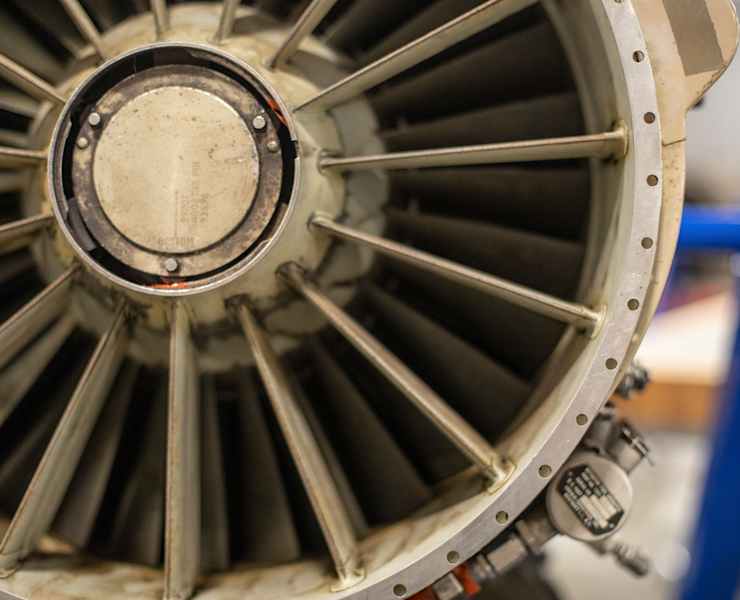
Turbine engine technicians, also referred to in the industry as powerplant technicians, inspect, maintain, troubleshoot and repair gas turbine engines and the accessory systems used in modern aircraft. Typical duties include inspecting engine components, performing maintenance and operational checks and documenting work in line with manufacturer data and regulatory requirements.
Because turbine engines, especially turbofan configurations, are widely used, technicians may work in engine overhaul facilities, maintenance hangars or flightline settings. Entry-level technicians usually start under the supervision of certificated mechanics while building skill with technical manuals, inspections, maintenance tasks and the documentation needed for return-to-service.
This career pathway is a good fit for graduates of FAA Part 147 Aviation Maintenance Technician programs who bring attention to detail, mechanical aptitude and the ability to troubleshoot complex systems where precision is essential.
3. Field Technician
Field technicians support aircraft maintenance in the real world, often outside of a single shop location. They may travel to different airports, hangars or customer sites to help diagnose issues, assist with repairs and support aircraft that need service away from their home base.
This role can include responding to time-sensitive maintenance needs, coordinating tools and parts, and documenting work to help keep aircraft compliant and flight-ready. It’s a fast-learning environment that rewards adaptability, strong communication and calm decision-making.
For new graduates, field work can be a great way to see a wide range of aircraft, systems and maintenance scenarios early on.
Read: How To Become an A&P Mechanic
Why Demand Is Growing

The aviation industry continues to need trained maintenance technicians across the U.S. According to the U.S. Bureau of Labor Statistics, aircraft mechanics and service technicians are projected to see an annual average of about 11,300 job openings per year nationwide between 2024 and 2034, driven by both workforce turnover and ongoing operational needs.65
This aviation maintenance technician job outlook reflects steady, long-term demand rather than short-term hiring cycles. Commercial airlines, cargo carriers, private aviation companies and maintenance facilities all rely on qualified technicians to keep aircraft inspected, repaired and ready for service.
A&P School vs. On-the-Job Training
On-the-job training
On-the-job experience alone can take several years to meet FAA eligibility requirements. This path typically requires documented work hours under supervision and may vary depending on the type of maintenance performed.
For many candidates, this timeline can delay entry into certified aviation maintenance roles. It can also be challenging to secure an entry-level position without proof of foundational skills. Accredited hands-on career training allows students to demonstrate qualification and readiness even before gaining on-the-job experience.
A&P school
An FAA-approved Airframe & Powerplant program provides a structured path that meets federal training standards for certification preparation. At UTI, hands-on airplane mechanic training can be completed in two years or less, offering a quicker, focused alternative to a traditional four-year degree.79
Approved programs follow defined curriculum requirements and include hands-on training on airframe and powerplant systems. This allows students to build qualifying experience in a controlled learning environment aligned with FAA expectations.
Through an approved A&P school, students complete required coursework and hands-on labs covering airframe and powerplant systems. This allows graduates to pursue entry-level aircraft mechanic jobs after graduation with training that aligns directly to FAA expectations.
Read: A&P Certification Roadmap: Know Your Career Milestones
How Training Supports Aircraft Maintenance Technician Careers
Aviation maintenance training focuses on practical skills used in daily work. Students learn how to inspect systems, troubleshoot problems and follow safety procedures that mirror real-world maintenance environments.
At Universal Technical Institute, aviation programs include hands-on lab training designed to reflect industry standards. Coursework covers airframe systems, powerplant systems, electrical fundamentals and maintenance documentation practices.
This approach helps prepare graduates for entry-level aircraft mechanic jobs after graduation while building confidence in professional settings.79
Career Growth Beyond Entry-Level Roles

Entry-level positions are starting points, not endpoints. As technicians gain experience, many move into specialized roles, lead positions or inspection-focused responsibilities.
Aircraft maintenance technician careers often offer pathways into advanced certifications, manufacturer-specific training or supervisory roles depending on interests and experience.
Read: Is Becoming an Airframe and Powerplant Mechanic a Good Career Plan?
Aircraft Maintenance Technician Careers FAQs
What entry-level aircraft mechanic jobs after graduation are most common?
Common entry-level aircraft mechanic jobs after graduation include aircraft maintenance technician, powerplant technician and field technician. These roles focus on inspections, basic repairs and system checks performed under supervision while technicians gain experience.
Do you need A&P certification to get an entry-level aircraft mechanic job?
Many entry-level roles prefer or require progress toward Airframe and Powerplant certification. Completing an FAA-approved A&P program helps graduates meet eligibility requirements and prepares them to pursue certification sooner.
How does A&P school vs. on-the-job training compare for new technicians?
On-the-job training alone can take several years to meet FAA experience requirements. An FAA-approved A&P school offers structured training that aligns with federal standards and allows students to build qualifying experience faster.
What is the aviation maintenance technician job outlook in the U.S.?
The aviation maintenance technician job outlook reflects steady, long-term demand across the U.S. The U.S. Bureau of Labor Statistics projects an annual average of 11,300 job openings between 2024 and 2034 nationwide due to workforce turnover and ongoing operational needs.65
Can aircraft maintenance technician careers grow beyond entry-level roles?
Yes, aircraft maintenance technician careers often offer long-term growth opportunities. With experience and additional certifications, technicians may move into specialized, lead or inspection-focused roles.
Start Training for Entry-Level Aircraft Mechanic Jobs After Graduation
Aviation maintenance offers hands-on work, clear responsibility and long-term career demand. With the right training, graduates can pursue entry-level aircraft mechanic jobs after graduation across multiple sectors of the aviation industry.
To learn how aviation training can fit your goals, speak with an Admissions Representative today. Call 1-800-834-7308 or click the button below to get program details, campus information and next steps.1
Ready to take action? Apply now.
Universal Technical Institute of Illinois, Inc. is approved by the Division of Private Business and Vocational Schools of the Illinois Board of Higher Education.
Train for the Future
Imagine waking up each day excited to work in a career you’re passionate about – one where your hands-on skills make a real impact. UTI’s vocational trade school can help you gain the skills and confidence to pursue what you love.
