
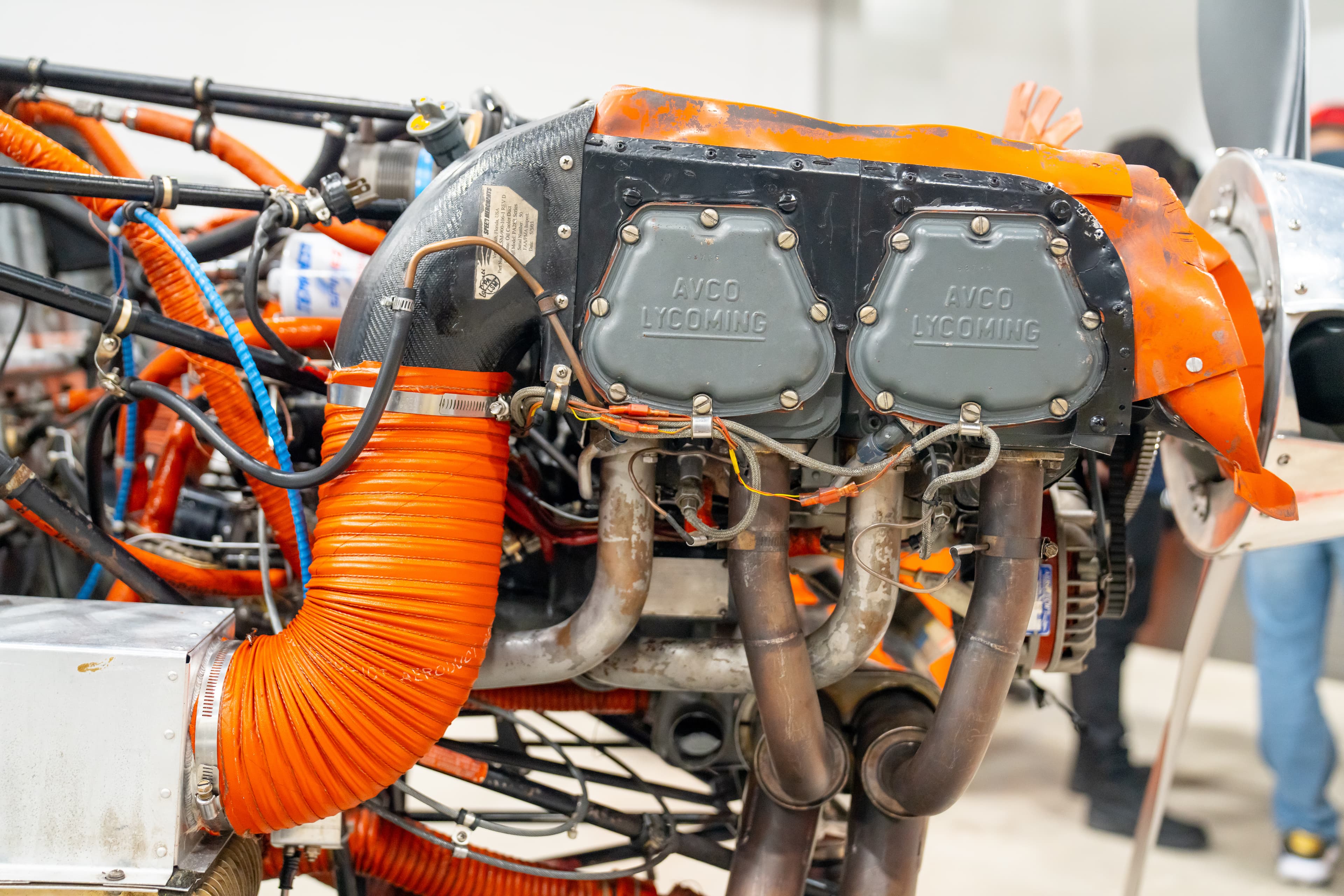
Air travel and air freight keep growing. Fleets are expanding. Aircraft are staying in service longer.
Behind every safe flight is a skilled technician making sure each system works as designed. For people who want a hands-on career tied to real-world demand, aviation maintenance continues to stand out as a potential pathway.
If you’re interested in working in this field, it's important that you understand current and future airframe and powerplant aviation technician job prospects to get the head start you need.
This guide breaks down what the hiring market looks like, what technicians earn, how certification works and how Airframe & Powerplant training at Universal Technical Institute (UTI) can help prepare you for the field.79
Key Takeaways
- The aircraft mechanic job outlook remains positive, with total technician employment expected to exceed 144,000 by 2034.71
- Aviation maintenance careers can range from entry-level technician roles to specialized, supervisory and leadership positions.
- Hands-on training can help aspiring technicians build technical skills and prepare to test for Federal Aviation Administration (FAA) certification.
- Earning FAA Airframe and Powerplant (A&P) certification can help qualified technicians pursue a variety of aircraft maintenance opportunities.
- Advances in avionics, predictive maintenance and other aircraft technologies continue to influence the skills employers need.
Growing Demand for Aviation Maintenance Technicians
Aviation maintenance technicians are in demand as airlines, cargo carriers and private operators expand their fleets and increase flight schedules. More planes in the air means more inspections, repairs and preventive maintenance on the ground. Demand is driven by passenger travel, commercial fleets and the need to maintain aging aircraft that remain in service longer than in previous decades.
What is an aviation maintenance technician?
An aviation maintenance technician inspects, maintains and repairs aircraft systems to ensure safe operation. Job duties include working on engines, landing gear, flight controls, electrical systems and structural components. Technicians follow strict safety standards and detailed procedures to keep aircraft airworthy.
Aviation Maintenance Career Outlook
For students considering training, employment outlook matters. According to the U.S. Bureau of Labor Statistics (BLS), total aviation technician employment is expected to exceed 144,000 by 2034.71
The BLS estimates 11,000+ average annual aviation technician job openings in the U.S.65 Many of these openings come from retirements, as a large portion of today’s technicians reach the end of their careers.
Key Factors Driving Hiring and Industry Expansion
Several long-term forces continue to shape aviation maintenance hiring:
- Retirements across an aging technician workforce.
- Increased aircraft utilization after pandemic travel recovery.
- New aircraft technologies require specialized maintenance skills.
- Employer relationships with trade schools and training providers.
- Broader efforts to diversify and expand the technician pipeline.
As experienced technicians retire, employers are placing value on technicians who earn their qualifications through structured, hands-on training programs.
Salary Trends and Compensation for Aviation Maintenance Professionals
According to the BLS, the median annual salary for aviation maintenance technicians in the United States was $79,870 in May 2025.57 This means half earned more and half earned less. Keep in mind that salary depends on several factors, including experience, employer, demand and cost of living in the area. The median hourly wage was $38.40.
Typical salary ranges include:
- Entry-level technicians earning below the median as they gain experience.
- Experienced technicians earning above the median.
- Top earners in the highest 10% earn significantly more, depending on role and region.
Supervisory and specialized positions often have higher aircraft mechanic salary potential. Learn more about factors that can influence airframe and powerplant technician salary and earning potential.
What Are the Best Aviation Maintenance Careers?
The best aviation maintenance careers depend on your experience, certification, interests and long-term goals. Aviation maintenance technician careers can span aircraft inspection and repair, avionics, specialized systems, and eventually supervisory or leadership responsibilities.
For those entering the industry, FAA certification and hands-on experience can help establish a foundation for advancement into more specialized roles over time.
Best entry-level aviation maintenance careers
Entry-level aviation maintenance roles can give new technicians an opportunity to apply their training while gaining experience with aircraft systems, inspections, repairs and maintenance procedures. Depending on the employer and required credentials, roles may include:
- Aviation maintenance technician: Inspects, maintains, troubleshoots and repairs aircraft systems and components to help keep aircraft safe and airworthy.
- Turbine technician: Works with turbine engines and related components, performing tasks that can include inspections, maintenance, troubleshooting and repairs.
- Field technician: Performs aircraft maintenance and technical support in the field, which may involve diagnosing issues, completing repairs, and servicing aircraft or components at different locations.
Best advanced and specialized aviation maintenance careers
With additional time in the industry and technical knowledge, aviation maintenance professionals may be qualified to pursue more specialized career paths. These roles can focus on areas such as aircraft restoration, avionics or electrical systems:
- Aircraft restorer: Repairs and restores older, historic or vintage aircraft, which can involve working with aircraft structures, engines, mechanical systems and other components.
- Avionics technician: Installs, inspects, tests, troubleshoots and repairs aircraft electronic systems, including navigation, communication and instrumentation equipment.
- Aircraft electrical installer: Installs and works with aircraft electrical systems and components, which can include wiring, connectors, control systems and other electrical equipment.
Requirements for these specialized aviation maintenance careers vary by employer and role. Some positions may require additional experience, certifications or specialized training beyond foundational aviation maintenance education.
What Does an Aviation Maintenance Technician Do Day to Day?
Daily responsibilities can vary depending on the employer, aircraft and technician’s role. In general, aviation maintenance technicians spend their time inspecting aircraft, diagnosing problems, completing repairs and documenting their work.
A typical day may involve:
- Performing scheduled aircraft inspections and preventive maintenance.
- Troubleshooting mechanical, electrical or hydraulic issues.
- Removing, repairing or replacing aircraft components.
- Testing systems after maintenance or repairs.
- Reading technical manuals, diagrams and maintenance instructions.
- Documenting completed maintenance and inspection work.
- Following FAA regulations, safety standards and employer procedures.
Because aviation maintenance directly supports aircraft safety and airworthiness, attention to detail and consistent adherence to established procedures are essential parts of the job.
Skills Needed for the Best Aviation Maintenance Careers
Successful aviation maintenance technician careers require a mix of technical and workplace skills. Technicians need strong mechanical aptitude and troubleshooting abilities to understand aircraft systems, diagnose issues and make repairs.
Attention to detail and technical knowledge are also important when following maintenance procedures, interpreting manuals and documenting work. Because aircraft technology continues to evolve, adaptability and a willingness to keep learning can help technicians build their skills throughout their careers.
Hands-on training can help aspiring technicians develop and practice these skills before entering the field.
Technological Advances Shaping the Aviation Maintenance Field
Modern aviation maintenance is increasingly data-driven. Digital systems now support many inspection and repair decisions.
Key developments include:
- Predictive maintenance using aircraft data to anticipate repairs.
- Advanced avionics systems requiring specialized troubleshooting.
- Maintenance, repair and overhaul (MRO) operations using digital records.
- Unmanned aerial vehicle systems expanding technical skill needs.
Predictive maintenance refers to using data and sensors to identify issues before failures occur. As aircraft systems evolve, technicians with updated training remain essential to safe operations.
Training, Certification and Skill Development Pathways
Most aviation maintenance careers require certification. The FAA A&P Certificate allows technicians to work on aircraft structures, systems and engines.
What does FAA A&P certification allow?
It authorizes technicians to inspect, maintain, and repair airframes and powerplants on certified aircraft in accordance with FAA regulations.
Training timelines vary. Earning FAA A&P certification typically takes between 18 months and four years, depending on the training path and prior experience. Aspiring technicians can review our FAA certification checklist to learn more about eligibility, testing and certification requirements.
Training options include:
- Trade schools focused on hands-on aviation maintenance.
- Apprenticeships with employers.
- Employer-sponsored training programs.
At Universal Technical Institute (UTI), the aviation mechanic school curriculum takes two years or less, taking place in hands-on labs designed to support certification readiness.79,128
Industry Challenges and Workforce Shortages
The aviation industry faces real challenges, particularly workforce shortages. The average technician age is 54, and 40% of the workforce is over 60. Training pipelines have not fully replaced retiring workers.
While this creates pressure for employers, it also creates opportunity for new technicians. Shortages can translate into demand and potential for long-term stability for graduates entering the field today.
Future Outlook for Aviation Technician Careers
Demand for aviation mechanics is projected to continue in the coming years. Airline expansion, fleet modernization and ongoing safety requirements continue to drive demand. Together, employment demand, evolving technology and workforce shortages support aviation technician job prospects for the next generation of technicians.
Aviation Maintenance Career Frequently Asked Questions
Is there a shortage of aircraft maintenance technicians?
Yes. Many experienced technicians are retiring faster than new workers are entering the field, creating ongoing demand.
How long does aviation maintenance training take?
Training length depends on the pathway and program. FAA-approved aviation maintenance technician school programs vary in length, while other pathways may involve qualifying through practical work experience. At UTI, students can complete Airframe & Powerplant training in 18-24 months.
What salary can I expect after completing aviation maintenance training?
According to the Bureau of Labor Statistics, the median annual salary for aviation maintenance technicians in the United States was $79,870 in May 2025.57 This means half earned more and half earned less. Keep in mind that salary depends on several factors, including experience, employer, demand and cost of living in the area. Entry-level typically starts lower, with higher earnings possible as experience grows.
How long does it take to become certified?
Training for FAA Airframe & Powerplant certification typically takes 18 months to four years, depending on the program and experience. At Universal Technical Institute, students can complete A&P training and be eligible to test for certification in two years or less.128
What careers are available in aviation maintenance?
Aviation maintenance careers can include entry-level roles like aviation maintenance technician, turbine technician or field technician. With time and experience, more advanced opportunities may include aircraft restorer, avionics technician or aircraft electrical installer.
Can I advance into management or specialized roles?
Yes. Experience and continued education over time can lead to opportunities for supervisory, instructional or advanced technical positions.
Ready To Explore Aviation Technician Training?
Aviation maintenance training can support your goals for a skilled, in-demand career with long-term growth potential. With hands-on instruction and industry-aligned coursework, students can build skills that support certification and career readiness.
To learn more about aviation technician training at Universal Technical Institute, connect with an Admissions Representative today at 1-800-834-7308 or by requesting information online.
Your next step toward preparing for an aviation maintenance career could start with a single conversation.79 Ready to get started? Apply now for hands-on training.
Universal Technical Institute of Illinois, Inc. is approved by the Division of Private Business and Vocational Schools of the Illinois Board of Higher Education.