How To Use a Clamp Meter: Steps and Safety
Explore how to use a clamp meter the right way. Learn to test AC and DC current safely and prepare for the field through hands-on electrical training.

Ever wonder what protects all those wires running through buildings and job sites?
Conduit is the backbone of safe electrical installations. Choosing the right type matters — not just for performance, but also for meeting code.
Curious about how electrical systems are put together? Learning about conduit is a smart first step. Employers expect technicians to know which conduit to use, how to install it and how to stay compliant, which is why Universal Technical Institute (UTI) includes conduit fundamentals in its hands-on electrical training, preparing students for real-world career opportunities after graduation.130
(Note: UTI’s electrical programs do not prepare graduates for employment as electricians, and graduates will not be eligible for certification as an electrician without additional training and meeting state licensing requirements.)
Keep reading to break down the most common types of electrical conduit — electrical metallic tubing (EMT), polyvinyl chloride (PVC) and flexible metal conduit (FMC) — and see how UTI helps aspiring techs build these skills.

Conduit is tubing that surrounds and protects wires. It shields against physical damage, keeps wiring organized, and makes it easier to pull or replace conductors. The National Electrical Code (NEC) sets strict rules on what type of conduit to use in different conditions to prevent hazards.
Environment matters. Indoors, lightweight conduit may be acceptable. Outdoors or underground, you would need materials that resist moisture, heat or impact. Choosing the wrong type can mean failed inspections or unsafe systems.
Read: Series vs. Parallel Circuits: What Future Electrical Technicians Need To Know
Electrical metallic tubing (EMT) is thin-walled steel or aluminum. It’s strong yet easy to bend with a hand bender. Couplings and set-screw fittings secure it together.
Read: Troubleshooting Electrical Systems: A Technician’s Guide
Polyvinyl chloride (PVC) conduit is plastic. It comes in Schedule 40 (lighter) and Schedule 80 (thicker). Solvent cement bonds the joints. Some types are marked “sunlight resistant” for outdoor use.
Read: Top Electrical Safety Tips for Beginners
Flexible metal conduit (FMC) is spiral-wound metal that bends easily, making it ideal for tight spaces, machinery and retrofits. Liquid-tight flexible metal conduit (LFMC) adds a plastic coating for damp or outdoor areas.
Because FMC uses metal coils, grounding is critical. NEC requires proper fittings to ensure continuity and reduce shock risk.
Read: Types of Electrical Circuits Explained
The job site tells you what to pick. Moisture, heat and physical stress all affect selection. Inspectors look for code-compliant installs, so planning ahead saves time and rework.
Think ahead about how many bends are allowed in one run and whether wires can be pulled without damage. Overfilled boxes or too many bends can cause failed inspections and tough troubleshooting later.
Read: GFCI vs. AFCI: Differences and Uses
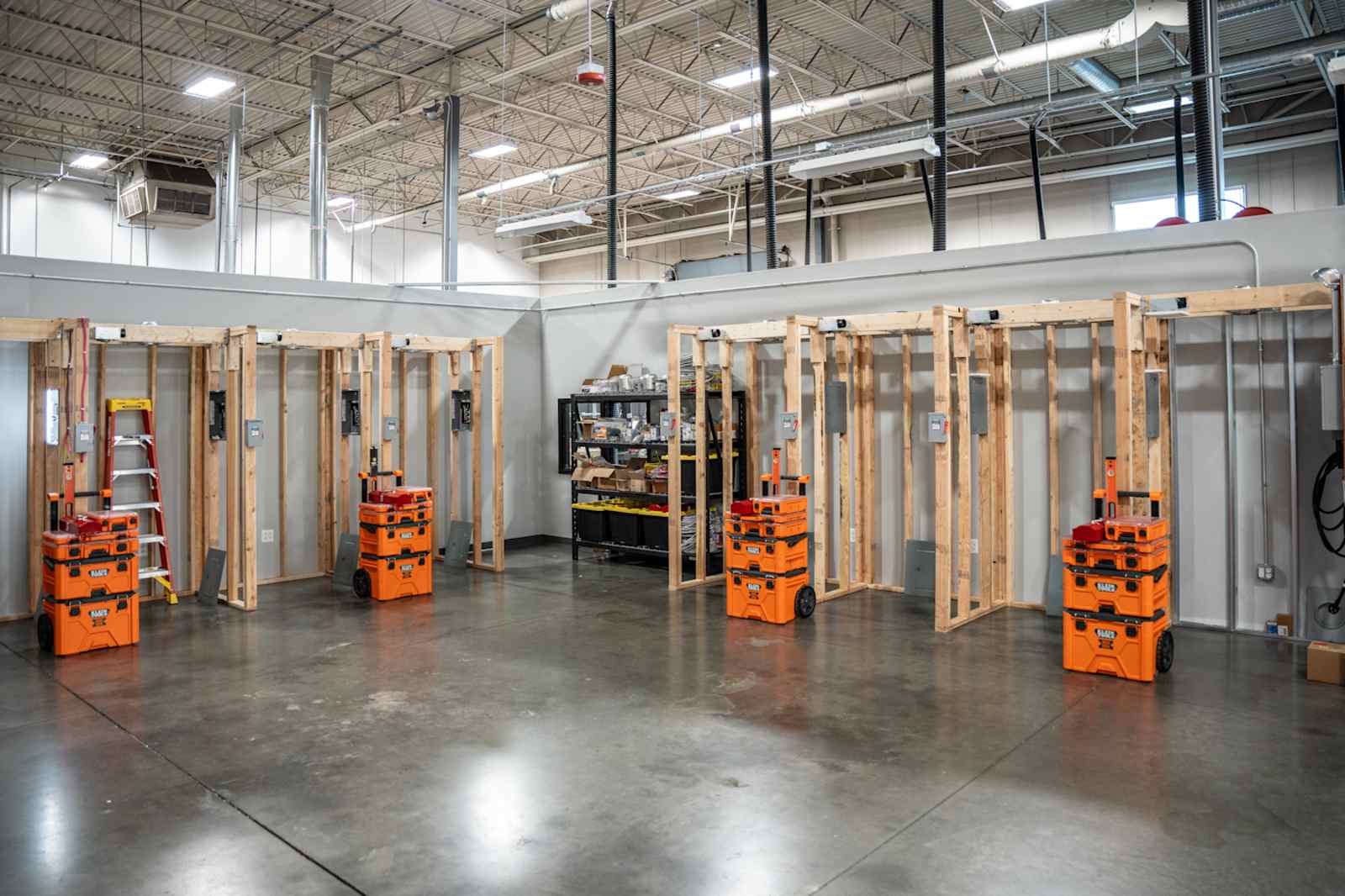
Through training in wind energy, robotics and automation, industrial maintenance, or electronics, Universal Technical Institute’s programs help students build skills in cutting, bending and fitting conduit in lab settings. You won’t just read about conduit — you can install it using real tools.
Within one year, Electrical, Electronics, & Industrial Technology students undergo training required to maintain and support vital systems, electronic components and manufacturing equipment used across numerous industries.
Over a 10-month training period, the Electrical & Industrial Maintenance Technology program teaches students to troubleshoot, maintain and repair various forms of industrial electrical machinery while building abilities essential to many industries.
Electrical, Robotics & Automation Technology students receive one year of training that begins with wiring, circuits and construction-oriented electrical skills. The curriculum progresses into robotics and automation, where students learn to automate tasks with robots and troubleshoot both electrical components and automated systems.
The Electrical & Wind Turbine Technology curriculum spans eight months, providing construction-focused electrical training in wiring, circuits and safety as well as wind energy instruction, including how to service and troubleshoot turbines, understand operational systems, and perform climb-and-rescue procedures.
In a year or less, you can train for entry-level roles in industries that rely on electrical systems every day. From routing conduit to troubleshooting circuits, you can practice skills employers expect in entry-level technicians.
To repair electrical systems, you need to know the right conduit types and uses and be able to install them safely. With hands-on training at UTI, you can practice using EMT vs. PVC conduit and flexible metal conduit before stepping out into the real world.
Ready to get started? Connect with an Admissions Representative or call 1-800-834-7308 to learn more.
Apply today if you’re ready to get started.
Universal Technical Institute of Illinois, Inc. is approved by the Division of Private Business and Vocational Schools of the Illinois Board of Higher Education.