ELECTRICAL GRID NEWS AND THE FUTURE OF TECHNICIAN ROLES
See how grid automation and electrical grid news trends open new careers for electrical technicians. Learn how EEIT training prepares you.

Ever wonder how machines know when to switch on, or how heavy equipment powers up safely?
Behind the scenes, small but powerful devices make it happen — relays and contactors.
For future technicians, understanding contactor vs. relay is key. Both are switching devices, but they serve different purposes. Knowing when to use each can mean the difference between a system that runs smoothly and one that fails.
If you’re curious about pursuing a career in the electrical industry, learning these components is essential. At Universal Technical Institute (UTI), students in our electrical and electronics training practice diagnosing and replacing these electrical parts, preparing for real jobs in the field.130

A relay is an electrically operated switch. It uses a small coil current to control one or more sets of contacts. This lets low-voltage signals control larger circuits without direct human input.
Relays are common in control panels, lighting systems, alarms and small automation projects. They’re built for lighter current loads and precise switching, making them ideal for signal-level control.
Read: Series vs. Parallel Circuits: What Future Electrical Technicians Need to Know
A contactor is like a heavy-duty relay. It’s designed to switch higher current loads, often in three-phase systems. Contactors include arc suppression features that protect contacts from damage during switching.
You can see contactors in motor control centers, HVAC systems, pumps and industrial machinery. They can handle repeated on/off cycles safely at higher amperages.
Read: Troubleshooting Electrical Systems: A Technician’s Guide
Both relays and contactors come in mechanical and solid-state versions. Mechanical designs use moving parts. Solid-state devices rely on semiconductors, offering faster response and longer life, but at higher cost.
Read: Top Electrical Safety Tips for Beginners

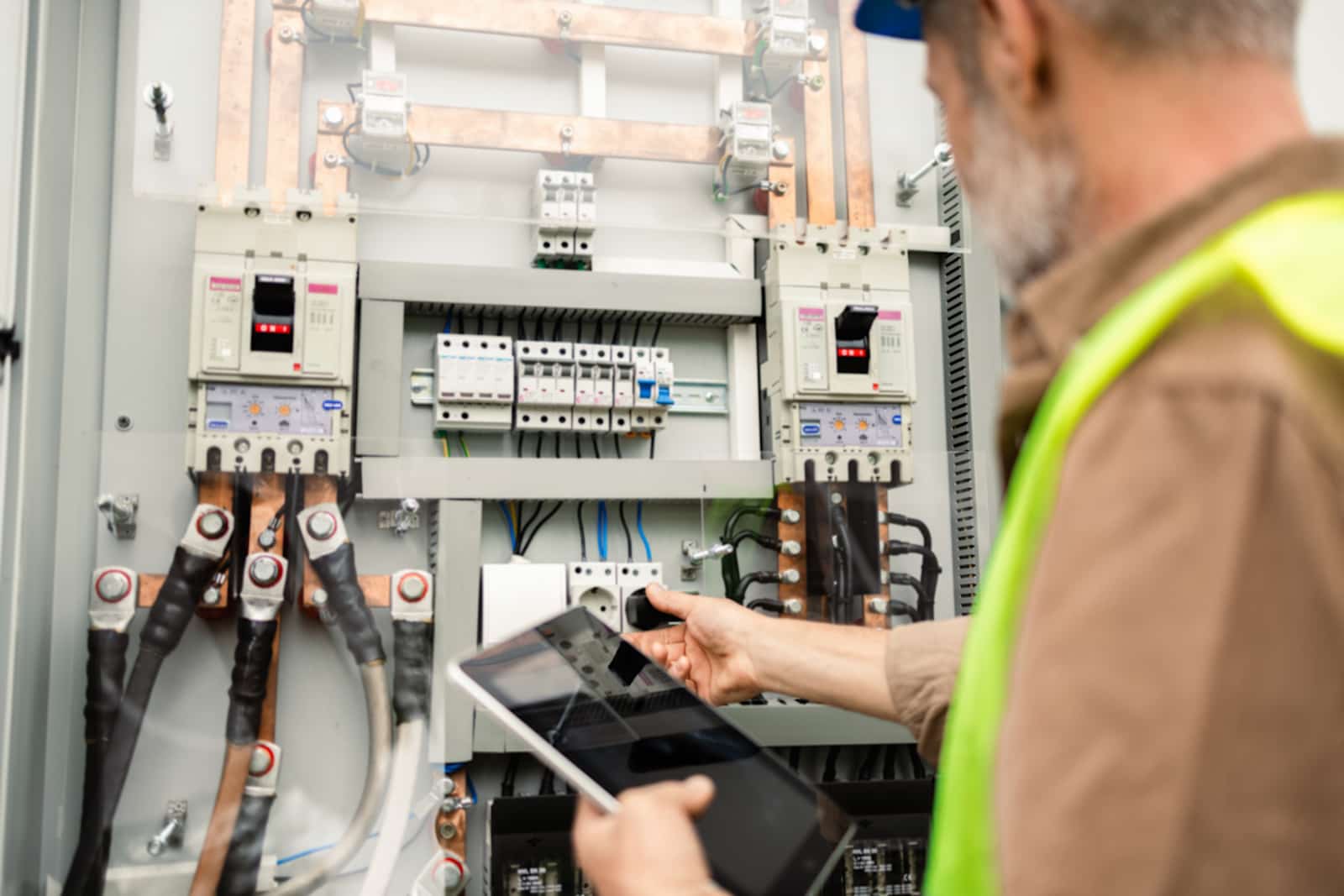
Technicians test coils with an ohmmeter to check resistance, then verify continuity across contacts. Signs of overheating, pitted contacts or buzzing coils indicate it’s time for replacement.
Always de-energize equipment before working on relays or contactors. Follow lockout/tagout procedures and replace devices with parts that match rating and application.
Read: Types of Electrical Circuits Explained

Through training in wind energy, robotics and automation, industrial maintenance or electronics, Universal Technical Institute helps students practice installing, testing and replacing relays and contactors — in one year or less.130 While enrolled, you can learn on real equipment, not just textbooks.

Understanding contactor vs. relay differences is essential for modern technicians. From “what is a contactor” to diagnosing failed coils, hands-on training helps students practice in real settings.
Ready to take the next step? Connect with an Admissions Representative by clicking the button below or by calling 1-800-834-7308. If you already know which program you want to join, enroll now.
Universal Technical Institute of Illinois, Inc. is approved by the Division of Private Business and Vocational Schools of the Illinois Board of Higher Education.