
Electrical & Electronics
Grounding vs. Bonding: Most Important Differences Explained
Get clear on grounding vs. bonding, where each applies and how to test them properly. Electrical training can help you learn in-demand skills pros use today.
In This Article
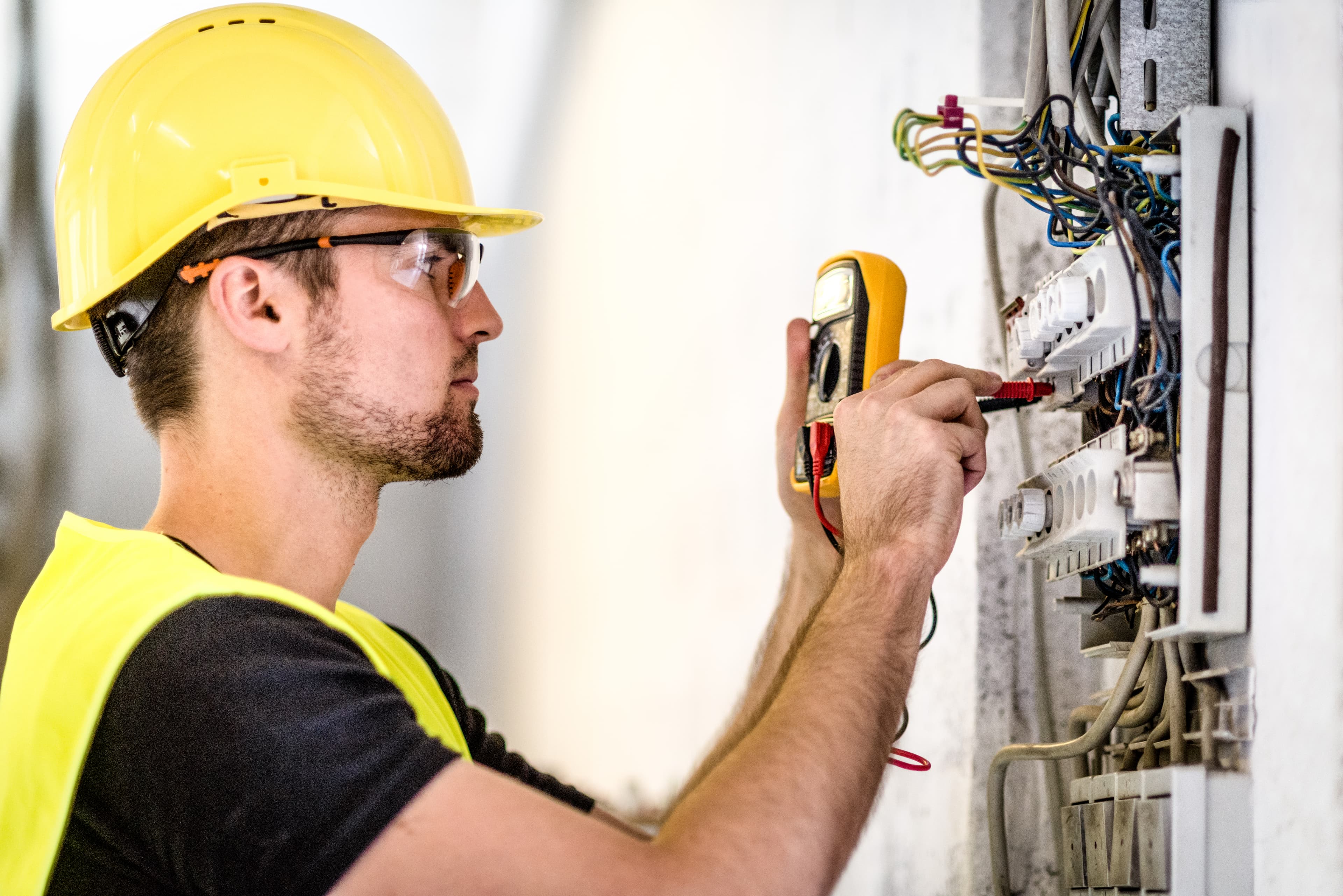
When it comes to electrical safety, there are two terms that come up again and again: Grounding vs. bonding.
They sound similar, but each serves different purposes. Understanding the difference is critical for keeping systems safe, passing inspections and protecting people from hazards.
Curious about what makes electrical systems safe and reliable? With hands-on training at Universal Technical Institute (UTI), you can go beyond the theory and practice grounding and bonding with real equipment. After program completion, you can pursue entry-level electrical work in industries like robotics, automation, wind energy, electronics and industrial maintenance.130
(Note: UTI’s electrical programs do not prepare graduates for employment as electricians, and graduates will not be eligible for certification as an electrician without additional training and meeting state licensing requirements.)
Explore the basics of grounding vs. bonding systems by reading below.
What Is Grounding?
Grounding is the process of connecting an electrical system to the earth so excess current has a safe path to flow. This connection stabilizes voltage by providing a common reference point for the system. It also helps clear faults quickly, reducing the risk of shock or fire.
Grounding electrode system
The grounding electrode system links a building’s electrical setup to the earth through rods, plates or other approved electrodes. This system provides a stable point of reference for voltage, which helps keep equipment operating safely. It also ensures fault currents have a direct path into the ground instead of flowing through people or property.
Grounding electrodes, conductors and terminations
Grounding electrodes are the physical connection to earth, such as rods driven into the soil or metal plates buried underground. They act as the main point where fault currents can be safely discharged.
The grounding conductor is the wire that connects the system to the electrode. Its size and material must match code requirements to handle fault currents without overheating or breaking down.
Terminations tie everything together by ensuring the conductor is firmly attached to the electrode and equipment. Good terminations prevent loose connections, corrosion and weak points that could compromise safety.
How grounding helps clear faults and stabilize voltage
When a fault occurs, grounding provides a low-resistance path for current to travel directly into the earth. This quick discharge helps protective devices trip as intended, preventing wires and equipment from overheating.
Grounding also stabilizes voltage by keeping all parts of the system referenced to the same potential. This reduces the chance of unexpected surges or uneven voltages that could damage sensitive equipment.
Read: Voltage Drop Test: What It Is and How To Do It
What Is Bonding?
Bonding focuses on connecting all metal parts that might carry electrical current during a fault. Unlike grounding, bonding does not connect directly to earth — it ensures all conductive parts share the same potential.
Bonding jumpers
Bonding jumpers are conductors that connect metal parts together, allowing them to share the same electrical potential. They ensure that enclosures, raceways and other conductive surfaces don’t become dangerous if energized during a fault.
These jumpers must be installed with secure connections that meet code requirements. Properly bonded systems reduce the risk of shock, improve fault clearing and keep inspectors confident that the system is safe.
Creating an equipotential path to reduce shock risk
The main goal of bonding is to keep all exposed metal parts at the same potential. When surfaces are equalized, a person touching two different points won’t complete a circuit and receive a shock.
This equipotential path also helps protective devices work as intended. By removing dangerous differences in voltage, bonding makes fault currents flow in predictable ways that trigger breakers or fuses quickly.
Typical bonding points: Panels, enclosures, piping and equipment
One of the most common bonding points is the service panel. Bonding ensures the panel enclosure is at the same potential as the system it protects, preventing it from becoming a shock hazard.
Enclosures for motors, transformers or control equipment also require bonding. If a fault occurs inside, the metal case won’t remain energized — it will safely conduct fault current to trip protective devices.
Metal piping systems are another key bonding location. Since water and gas pipes can carry current if contacted by live wires, they must be tied into the bonding system for safety.
Finally, equipment housings, raceways and other metallic parts are bonded to complete the network. This creates a continuous, low-resistance path that equalizes potential across the entire installation.
Read: Wire Gauge Chart: AWG, Ampacity and Wire Size Basics
Grounding vs. Bonding: Side-by-Side
Even though the words are often mixed up, bonding vs. grounding differ in both scope and purpose. Grounding connects electrical systems to the earth, while bonding ties conductive parts together so they stay at the same potential. Both are required for safety, but they protect against different hazards and are tested in different ways.
Protection goals, components and where each is required
Both grounding and bonding serve distinct safety purposes in electrical systems. Understanding how they differ makes it easier to see why both are required by code.
Grounding
- Goals: Grounding provides a direct path for fault current to flow into the earth, which helps stabilize voltage and protect people from shock.
- Components: The system includes electrodes, grounding conductors and secure terminations that connect equipment to the earth.
- Where it’s needed: Grounding is required at service entrances, main panels and other points where electrical systems must tie into earth potential.
Bonding
- Goals: Bonding equalizes potential across exposed metal parts so that no dangerous voltage difference can build up.
- Components: Bonding jumpers, screws and other approved connectors link enclosures, raceways and piping together.
- Where it’s needed: Bonding is required at panels, equipment housings, piping systems and anywhere metallic parts may become energized.
Together, grounding and bonding create a safe, code-compliant electrical system that protects both people and equipment.
Common field mistakes and avoiding them
Even trained professionals can run into issues when installing or maintaining grounding and bonding systems. Knowing the most frequent mistakes makes it easier to avoid them on the job.
- Loose connections: Weak or corroded terminations create resistance, which reduces system effectiveness and can lead to overheating.
- Missing bonding jumpers: Skipping a jumper on piping or raceways breaks the continuity needed for a safe path during faults.
- Improper conductor sizing: Using conductors that are too small means they may not carry fault current safely, risking equipment damage or fire.
- Confusing bonding with grounding: Mixing up the two leads to systems that don’t fully protect against shock or overvoltage conditions.
- Overlooking inspections: Failing to verify connections with continuity tests or resistance checks allows hidden issues to go unnoticed.
By watching for these errors and double-checking connections, technicians can maintain safe and compliant systems.
Read: Types of Electrical Circuits Explained
Testing and Troubleshooting
Learning how to confirm grounding and bonding is a core skill for anyone entering the electrical field. Technicians use inspections and tests to verify that these systems are installed correctly and provide the protection that codes require. Developing this ability early builds confidence and safety awareness on the job.
Visual inspections, continuity checks and resistance tests
Visual inspections are the first step in confirming system safety. Technicians look for loose lugs, missing bonding jumpers, corrosion or signs of overheating. A careful inspection can reveal many issues before more detailed testing is needed.
Continuity checks confirm that all conductive parts are properly connected. Using a simple meter, technicians test whether current flows freely between bonded components. If continuity is broken, it signals a missing or faulty connection that must be corrected.
Resistance tests measure how effectively a system can carry fault current. The lower the resistance, the more reliable the path for clearing faults. These tests provide a quantifiable measure of performance and are often required for compliance.
Verifying connections at panels, raceways and equipment
Panels are a critical checkpoint because they serve as the central hub of the electrical system. Inspectors and technicians confirm that bonding screws or straps are present and that grounding conductors are securely terminated. A missing or loose connection in a panel can compromise the entire system.
Raceways must also be properly bonded since they often carry conductors over long distances. Any break or poor coupling in the metallic path can interrupt fault current flow. Verifying tight fittings and intact bonding jumpers ensures continuity throughout the run.
Equipment housings, such as motors or transformers, are checked to make sure metal parts cannot stay energized during a fault. Proper bonding guarantees these enclosures are at the same potential as the rest of the system. This prevents shock hazards and helps protective devices operate as intended.
When to escalate issues to a licensed professional
Some problems go beyond entry-level troubleshooting and require expert intervention. Knowing when to escalate ensures compliance with grounding and bonding requirements and protects overall system safety.
- High resistance readings: If resistance values exceed code limits, a licensed professional should confirm whether the system meets safety standards.
- Corroded or damaged electrodes: Severe deterioration of rods, plates or other electrodes compromises the system and requires replacement under professional guidance.
- Failed continuity checks: If bonding connections can’t be traced or restored easily, advanced testing and corrective work may be necessary.
- Unclear code variations: Local authorities sometimes enforce rules beyond the National Electrical Code (NEC). A licensed professional can interpret these and apply them correctly.
Escalating these issues helps ensure the system not only functions but also passes inspection. It also prevents unsafe shortcuts that could create long-term hazards.
Code and Safety Basics for New Technicians
Understanding codes is critical because they set the standard for safe electrical work. Inspectors focus heavily on whether grounding and bonding are installed correctly, since mistakes in these areas can lead to failed inspections and serious safety risks. Clear knowledge of the rules helps technicians work with confidence.
Understanding inspector expectations and local variations
The NEC serves as the primary reference for electrical safety in the U.S. It sets the minimum standards for installations, but it is not the only set of rules that technicians must follow. Local authorities often add their own requirements on top of the NEC.
These local variations may cover everything from conductor sizes to the types of connectors that are approved. Inspectors expect technicians to know these details and apply them correctly in the field. Missing a local requirement can delay projects and lead to rework.
Documenting work and labeling for compliance
Documentation is also a big part of the inspection process. Inspectors often want labeled conductors, clear test results and visible proof of secure connections. Providing this evidence builds trust and shows professionalism.
Labeling conductors makes it easy to identify circuits during installation and later maintenance. Clear tags or printed markers help technicians, inspectors and future crews know exactly what each wire does. This can reduce confusion and lower the chance of costly mistakes.
Marking bonding points and keeping records of test results also demonstrates professionalism. Inspectors see these details as proof that the work meets standards and that safety was prioritized. Consistent documentation builds credibility and keeps projects moving smoothly.
Read: Electrical Technician Career Pathways: What Comes After Graduation
Learn Grounding vs. Bonding at Universal Technical Institute
Universal Technical Institute offers an electrical training suite, where students can learn skills in wind energy, robotics and automation, industrial maintenance or electronics. In every path, students develop core electrical skills, including learning with grounding and bonding systems, setting panels, taking resistance readings and more.
Electrical, Electronics, & Industrial Technology (EEIT)
Within one year, Electrical, Electronics, & Industrial Technology students undergo training required to maintain and support vital systems, electronic components and manufacturing equipment used across numerous industries.
Electrical & Industrial Maintenance Technology
Over a 10-month training period, the Electrical & Industrial Maintenance Technology program teaches students to troubleshoot, maintain and repair various forms of industrial electrical machinery while building abilities essential to many industries.
Electrical, Robotics & Automation Technology
Electrical, Robotics & Automation Technology students receive one year of training that begins with wiring, circuits and construction-oriented electrical skills. The curriculum progresses into robotics and automation, where students learn to automate tasks with robots and troubleshoot both electrical components and automated systems.
Electrical & Wind Turbine Technology
The Electrical & Wind Turbine Technology curriculum spans eight months, providing construction-focused electrical training in wiring, circuits and safety as well as wind energy instruction, including how to service and troubleshoot turbines, understand operational systems and perform climb-and-rescue procedures.
Hands-on practice with real equipment and fault scenarios
Hands-on labs at Universal Technical Institute give students the chance to train directly on grounding and bonding systems. They can practice with panels, conduits and test equipment, applying the same methods used by electrical professionals. This approach helps build the skills and confidence needed for safe, effective work.
Terminations and bonding jumpers are emphasized throughout training. Students practice tightening fittings, securing splices and using approved connectors to create reliable paths. Training with real equipment helps ensure these skills become habits before they enter the field after graduating.
Beyond connection work, students focus on testing. They can measure resistance, confirm continuity and apply inspector-ready checks to prove systems are safe. These lab sessions bridge the gap between classroom knowledge and real-world performance.
Building career-ready skills in about one year or less
At UTI, students can build in-demand skills on live systems in one year or less. Whatever program they choose, they can graduate ready with the practical skills needed to step into the field with confidence.1
Train To Build Grounding vs. Bonding Skills and More!
Safety starts with understanding the difference between grounding vs. bonding. With hands-on training, you can learn this and other in-demand electrical skills in less than a year and start working toward a career in the field.
If you’re ready to move forward, dial 1-800-834-7308 or click the button below to request more information. An Admissions Representative will reach out and answer your questions and help you choose the right program. To get started as soon as possible, enroll now.
Universal Technical Institute of Illinois, Inc. is approved by the Division of Private Business and Vocational Schools of the Illinois Board of Higher Education.
Train for the Future
Imagine waking up each day excited to work in a career you’re passionate about – one where your hands-on skills make a real impact. UTI’s vocational trade school can help you gain the skills and confidence to pursue what you love.
