
Education
Is Trade School a Smart Investment After High School?
Is trade school worth it after high school? Discover how Universal Technical Institute programs work and what financial options can help pay for training.
In This Article

Choosing what comes after high school is a big decision, especially for families weighing cost, time and long-term value.
Four-year college is one option, but it’s not the only path to pursuing a fulfilling career — especially for the skilled trades. For many aspiring pros, trade school offers a more focused path toward a career in the skilled trades.1
Still, it’s important to ask the right questions. Is trade school worth it? Is it a smart use of time and money?
Below, we break down what it means to invest in your future by training in trade school programs, like those here at Universal Technical Institute (UTI).1
What “Investment” Means When You Choose a Trade School

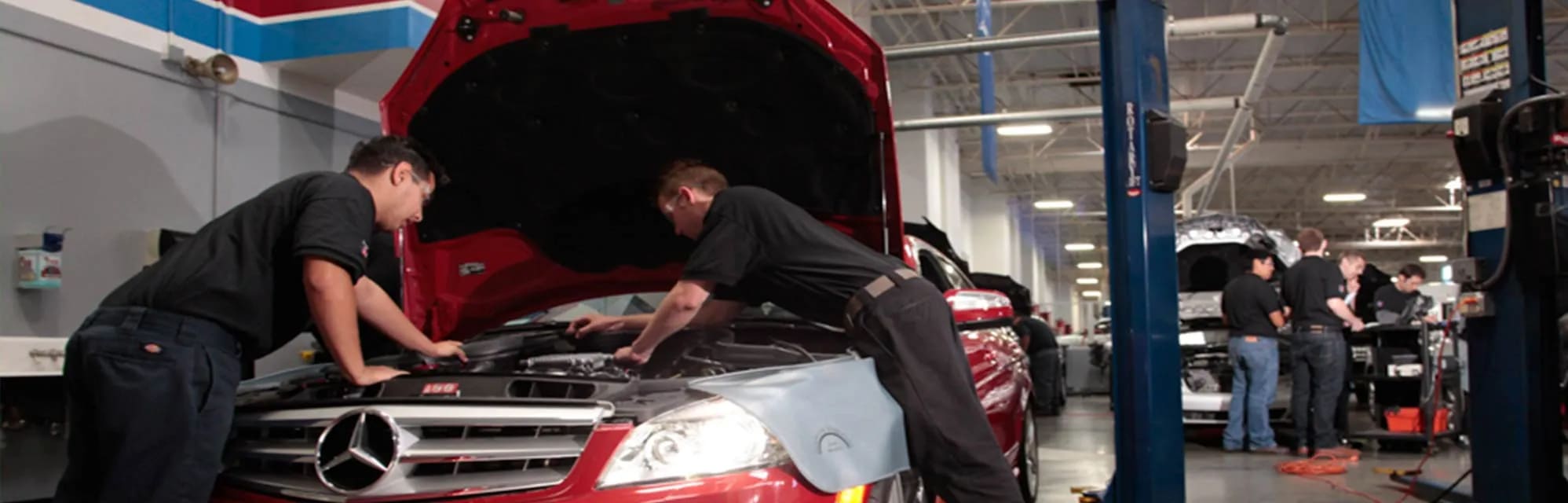
An educational investment is not just about money. It also includes time, effort and the type of training a student receives. Trade school programs are designed to focus on specific skills tied to real, current industry demand, rather than broad academic study.
Compared to four-year degrees, many trade school programs are shorter. This means students may be able to get trained to become a skilled technician sooner and start pursuing paid entry-level roles earlier. For families concerned about long timelines and rising education costs, this structure can be appealing.
It’s important to remember that outcomes are not guaranteed. Trade school prepares students for entry-level roles and skill development, but success still depends on effort, location and employer needs.
Read: Not Into Traditional College? Start Trade School After High School
Program Length, Cost and Focus

Program length plays a major role when evaluating a trade school as an investment. At UTI, our core programs can be completed in two years or less, and several of our fastest trade school programs can be finished in under one year.
Shorter programs may allow graduates to pursue jobs sooner than peers in four-year degree programs. This can mean gaining hands-on experience earlier and building skills on the job while others are still in school. Over time, experience and skill specialization also matter when pursuing new opportunities.
Financial Aid, Scholarships and Other Support

Many students do not pay for trade school on their own. Those who qualify may use federal financial aid, grants, scholarships and student loans to help cover costs.10 These options can reduce the immediate financial burden of training for those who are eligible.
We offer support through our Financial Aid department, which helps students complete the Free Application for Federal Student Aid (FAFSA), and understand available options and application steps. Our Financial Aid team also provides resources for scholarships and planning tools to help families prepare.
Other forms of support may include employer-sponsored programs, early employment opportunities and military education benefits.36 Many UTI campuses are approved for select VA education benefits,20 including the Post-9/11 GI Bill® (Chapter 33) and Veteran Readiness & Employment (VR&E, Chapter 31) for eligible students.21
Veterans and qualifying dependents may be able to use these benefits to help cover tuition and approved training costs, and we provide dedicated military support teams to help students understand eligibility, required documentation and enrollment steps as they prepare their skillsets for post-military careers.
Read: What Is Trade School? A Parent’s Guide
Outcomes: Skills, Employers and Job Readiness

Trade school outcomes go beyond a diploma, degree or certificate. Focused, hands-on training helps students build practical in-demand skills, such as problem-solving, tool use and workplace readiness.18
We work with industry leaders to help create curriculum and training standards. These relationships are designed to align instruction with current industry needs and may support graduates as they pursue entry-level roles.1
When evaluating whether trade school is worth it, families should look at factors like program completion rate, certification preparation and access to career services. These elements can help students prepare for the next step after graduation.
Trade School FAQs
Is trade school worth it after high school?
Trade school can be worth it for students who want focused, hands-on training focused on specific career paths. Shorter programs may allow graduates to pursue the workforce sooner while building practical skills employers value.
How long does trade school usually take to complete?
Program length varies by field, but many trade school programs can be completed in two years or less. Some programs are designed to be finished in under one year, depending on the area of training.
What kinds of careers can trade school prepare students for?
Trade school programs prepare students for entry-level roles in skilled trades such as automotive, diesel, welding, electrical, HVACR and aviation maintenance. Training focuses on job-ready skills rather than broad academic coursework.
How do students pay for trade school?
Students who qualify may use federal financial aid, grants, scholarships and/or student loans to help cover costs. Additional options may include employer support programs and approved military education benefits for eligible students.
What should families consider when deciding if trade school is a good investment?
Families should look at program length, training focus and available student support services. Job readiness, certification preparation and access to career services are also important factors when evaluating trade school options.
Invest In Your Future With Trade School Training!
Trade school can be a meaningful investment for students who want focused training and a faster path into the workforce. Understanding program length, costs and support options helps families make informed decisions.
Want to learn more? Speak with an Admissions Representative to explore programs, funding options and next steps by clicking the “request info” button below or by calling 1-800-834-7308.
Ready to get started? Apply now.
Universal Technical Institute of Illinois, Inc. is approved by the Division of Private Business and Vocational Schools of the Illinois Board of Higher Education.


Train for the Future
Imagine waking up each day excited to work in a career you’re passionate about – one where your hands-on skills make a real impact. UTI’s vocational trade school can help you gain the skills and confidence to pursue what you love.
