Education
Translating Your Military Skills Into Technical Training at UTI
Discover how leadership, discipline and hands-on military experience can translate to UTI’s technical training programs and civilian career success.
In This Article
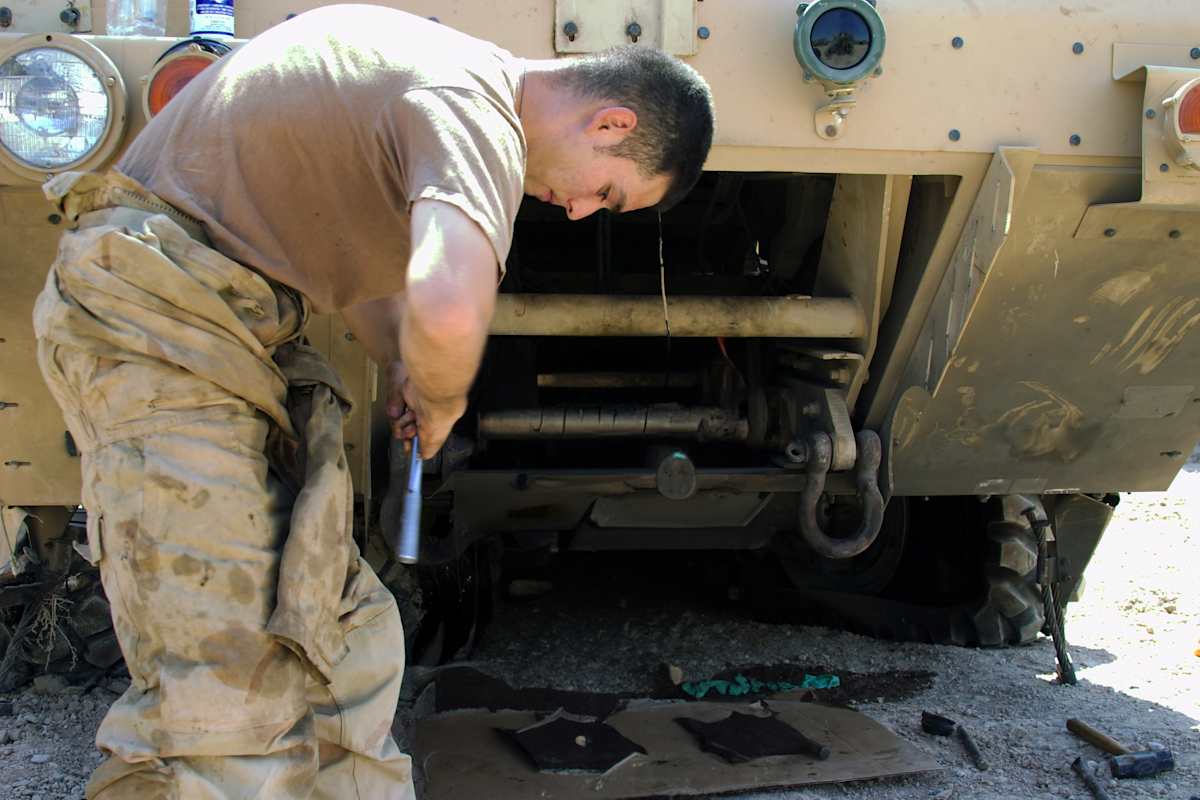
Transitioning from military service to civilian life often means navigating new opportunities, new routines and a new career path. For many service members and veterans, hands-on technical training at a trade school for veterans like Universal Technical Institute (UTI) can be a natural next step. The strengths you developed in uniform — discipline, leadership, problem-solving and mechanical skills — can continue to serve you well in the skilled trades.
At UTI, veterans and active-duty service members will find training programs designed to help them build on the capabilities they’ve already developed. UTI also offers dedicated support for military learners, including guidance on benefits, resources and the transition into civilian education.20
Below, you’ll learn how your skills built through service can give you a head start in UTI’s technical programs and help you move confidently into civilian life.
From Military Service to Civilian Success
Shifting from a structured military environment to civilian education can feel like a big change, but the qualities you bring with you are highly valued across technical industries.
Service members are trained to:
- Take responsibility and work with precision.
- Communicate clearly and support their team.
- Troubleshoot under pressure.
- Adapt to changing environments.
- Show up prepared and ready to perform.
These same traits are essential in fields like automotive, diesel, aviation, welding, marine, industrial maintenance and robotics. UTI’s training programs build on the real-world mindset veterans already have, preparing them to adjust smoothly into hands-on technical roles after graduating.1
Explore UTI’s full program list.
Core Military Skills That Align With Hands-on Technical Work
Leadership & teamwork
Military units function through cooperation, communication and accountability, all skills that transfer directly to a shop, hangar or service bay. Whether you’re coordinating a repair, mentoring a teammate or communicating with a supervisor, your leadership qualities can be a major advantage.
Discipline & work ethic
Successful technicians follow procedures, stay organized and commit to consistent skill development. Your military background may help you maintain strong habits, meet deadlines and navigate fast-paced work environments.
Mechanical aptitude
Many service members work with engines, electrical systems, heavy equipment or advanced technology. This experience can support your training in fields like automotive diagnostics, diesel systems, aviation mechanics, welding processes or robotics programming.
Attention to detail & safety awareness
The military emphasizes safety, precision and situational awareness. These habits are essential in technical careers where your work affects equipment performance, reliability and customer confidence.
Best UTI Programs for Veterans Transitioning to Civilian Careers
UTI’s training programs are built to support service members looking for a trade school for veterans that offers hands-on, career-focused education.18
Automotive and diesel training
If you’ve worked with vehicles, machinery or fleet equipment, our Automotive and Diesel programs can help you build on your mechanical understanding. Veterans often find the structured repair procedures, troubleshooting steps and diagnostic work familiar.
Aviation and marine training
Service members with backgrounds in aviation support, mechanical operations or marine equipment may be drawn to training that mirrors their technical interests. These programs teach skills related to aircraft systems, marine engines, propulsion systems and electrical components.
Welding training
Precision, safety and steady craftsmanship make welding a strong fit for many veterans. UTI’s welding training gives students the opportunity to develop techniques used in fabrication, construction, manufacturing and repair fields.
Robotics and industrial maintenance training
Veterans experienced in equipment maintenance, electrical systems or problem-solving often excel in automated manufacturing and industrial environments. Programs in robotics and industrial maintenance connect mechanical, electrical and technical skills.
How UTI Supports Military Students and Veterans
UTI offers a dedicated network of resources to help service members and veterans transition into hands-on career training.
Support includes:
- Military Admissions Representatives familiar with benefits, paperwork and next steps.
- Guidance on using VA education benefits such as the GI Bill®.20,21
- Access to academic tutoring, student support services and career assistance.
- A campus community that includes other veterans navigating similar transitions.
UTI’s team is committed to helping military students feel supported, from enrollment through graduation.
Building a Civilian Career Through Technical Training
Your military experience may help shorten the learning curve in technical programs. Many veterans find success because they already know how to:
- Follow structured procedures.
- Work efficiently under pressure.
- Troubleshoot mechanical or technical issues.
- Stay focused on mission-ready performance.
UTI’s training combines hands-on instruction with career preparation, grooming graduates for entry-level roles in automotive, diesel, aviation, welding, marine and industrial technology fields.
Prepare To Turn Your Military Skills and Experience Into a Civilian Career With UTI
Your military service built a foundation of discipline, determination and technical capability. UTI can help you apply those strengths to a civilian career path you can feel confident about.
Your next chapter starts here. Take the first step and apply today!
Sources
Universal Technical Institute of Illinois, Inc. is approved by the Division of Private Business and Vocational Schools of the Illinois Board of Higher Education.
Train for the Future
Imagine waking up each day excited to work in a career you’re passionate about – one where your hands-on skills make a real impact. UTI’s vocational trade school can help you gain the skills and confidence to pursue what you love.
