
Aviation
7 Tips for Choosing a Reputable Airplane Mechanic Training School
Reputable A&P training school selection guide: Seven must-check criteria to spot FAA Part 147 approval, real labs, experienced instructors and career support.
In This Article
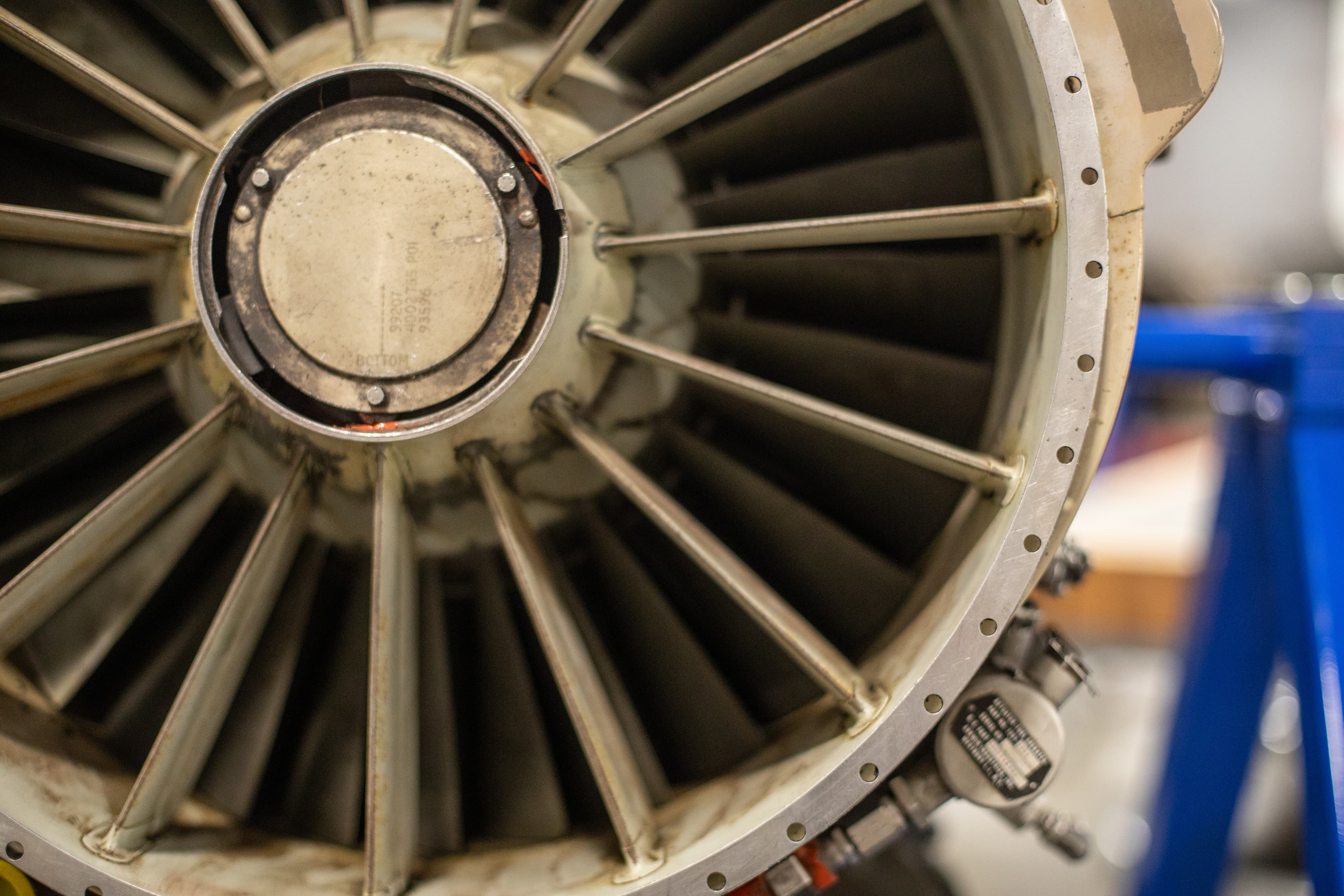
Choosing an aviation mechanic school is a big call.
You’re not just picking a campus. You're picking a path toward real aircraft work.
If you want training that leads to in-demand skills, you need a clear checklist to guide you along your journey.
Let’s build one you can use today. Below, we’ll break down seven tips on choosing an airplane mechanic program -- like our Airframe & Powerplant (A&P) program -- that can help you learn the right skills, practice them the right way, qualify you for FAA mechanic testing and is accompanied by focused career support.79
Tip 1: Confirm FAA Part 147 Certification

If you only check one thing, check this: FAA Part 147 certification means the school is approved as an Aviation Maintenance Technician School (AMTS) under FAA rules. Part 147 sets the standards for how an AMTS runs and what it must cover.
Three ways to verify:
- Check the school’s website for “FAA Part 147” or “AMTS.”
- From Universal Technical Institute’s (UTI) Airframe & Powerplant catalog page: “Our program is specifically designed to provide comprehensive and top-quality training in accordance with the Federal Aviation Administration’s (FAA) regulations under FAA Part 147.”79
- Ask the school for proof of approval.
- Cross-check with the FAA’s AMTS information page.
If a program cannot clearly show Part 147 approval, pause and ask more questions.
Read: Prepare for a Career in Aviation With an FAA Certification
Tip 2: Make Sure the Airframe and Powerplant Curriculum Is Complete

A good aviation technician curriculum covers the full scope of aircraft work, not just a few topics. You want training that touches general subjects, airframe systems and powerplant systems.
Ask for a course list. UTI's Airframe & Powerplant Technician program teaches the following topics:33
- Non-destructive testing
- Basic sheet metal
- Assembly and rigging
- Fuel systems
- Airframe electrical
- Navigation and communication systems
- Hydraulics and pneumatics
- Landing gear systems
- Reciprocating engine operation
- Powerplant lubrication and propellers
- Turbine design and operations
- Non-metallic structures and repair
- Paints and finishes
Quick gut check: If the program feels thin on systems or short on lab time, it may not be built for real shop work.
Tip 3: Ask Who Is Teaching, Not Just What Is Taught

Great tools help. So do great teachers. When you tour or call, ask:
- How many years of aircraft work experience do instructors have?
- Do they hold FAA credentials for the areas they teach?
- How do they help students get ready for FAA testing?
You do not need fancy words here. You just want proof they know the job and can teach it in a clear way.
A&P training at UTI is hands-on and instructor-led, with the goal of building job-ready skills and knowledge that prepare them to test for FAA certification.79,128
Read: The Guide to Airframe and Powerplant (A&P) Licenses
Tip 4: Tour the Labs and Look for Real Equipment Access

This is airplane mechanic training. It should feel like training for a hangar. When you visit for an in-person tour, ask to see:
- Lab spaces and training aircraft.
- The tools students use day to day.
- How often students train in the lab vs. sit in a classroom.
- Class size in lab sessions.
A strong program gives you many chances to practice skills, not just watch them.
Tip 5: Check for Aviation Mechanic Career Support

A school can teach skills and still leave you alone at job hunt time. Good aviation mechanic career support includes:
- Resume help.
- Interview practice.
- Career planning support.
- Industry relationships.
- Hiring events on or around campus.
Ask for specifics:
- Who helps students search and apply for jobs?
- When does career support start?
- What does support look like after graduation?
At UTI, hands-on training isn’t just about skill building, but also about providing career support as part of the student experience.1 Currently enrolled students can speak with our Advisors to find part-time opportunities related to their field of study, and graduates always have access to career support to find entry-level or advanced industry roles.
Tip 6: Compare Program Length and Schedule With Your Real Life
Most FAA-approved A&P programs last around two years, depending on the school and pace. That range matters because:
- Shorter is not always better if lab time is cut.
- Longer is not always better if the plan is not clear.
Ask these questions:
- How long is the program at this campus?
- Is the schedule full-time, part-time or another format?
- What happens if you miss time due to work or family needs?
Airframe & Powerplant training at UTI can be completed in 18–24 months, depending on program and location.
Tip 7: Demand Full Cost Clarity and Ask About Financial Aid Options
Cost is more than tuition. A fair comparison includes the following expenses:
- Tuition
- Books and supplies
- Lab fees
- Tools if required
- Housing and travel if you relocate
A reputable school will give you a clear cost breakdown and explain financial aid options in plain terms.10 Ask what you may qualify for, what deadlines exist and what the total cost may look like from start to finish.
A simple checklist you can bring on a tour
Use this as your fast filter:
What to check | What “good” looks like |
FAA Part 147 certification | Clear proof of AMTS approval. |
Airframe and Powerplant curriculum | General, airframe and powerplant coverage with labs. |
Instructor strength | Real aircraft experience plus clear teaching support. |
Labs and equipment | Enough access to practice skills often. |
Career services | Real aviation mechanic career support before and after graduation. |
Schedule and length | A plan that fits your life and keeps quality high. |
Cost clarity | Full breakdown plus financial aid guidance. |
How FAA Testing Eligibility Usually Works

Schools explain this in different ways, so here is a simple view. Many students choose an FAA-approved school path to become eligible for FAA mechanic testing after graduating. A typical path looks like:
- Complete training at an FAA-approved AMTS.
- Apply for testing eligibility based on that training.
- Take FAA knowledge tests.
- Take oral and practical tests.
The FAA also allows an experience path in some cases, with time requirements like 18 or 30 months, depending on the rating sought.
Why Students Consider A&P Training at UTI
If you are comparing schools, here are a few details you might want up front:
- Hands-on training in lab settings, not just lectures.
- Course topics posted online so you can preview what you will learn.
- Multiple locations for training, depending on availability and approvals.
- A stated program length of around two years, give or take, depending on program and location.
Airframe and Powerplant Curriculum FAQs
What is FAA Part 147 certification and why does it matter?
FAA Part 147 certification means a school is approved as an Aviation Maintenance Technician School and meets FAA rules for training. It is a key step if you want to use school training to qualify for FAA mechanic testing.79,128
How important is hands-on training in A&P programs?
Hands-on training matters because the job is hands-on. You need practice using tools, following steps and solving problems the way you would on the job.
What career support should I expect from an A&P training school?
At an A&P training school, you should expect help that goes beyond the classroom. At UTI, current students can speak with Advisors to find part-time opportunities tied to their field of study.
After graduation, you should still have support. UTI grads always have access to career support to help find entry-level roles or even advanced positions in the industry.1

How long does it typically take to complete an A&P program?
Many programs are around 18–24 months, but it varies by school and schedule. UTI’s A&P program can be completed in 18–24 months, depending on location and program.
What financial aid options are commonly available for A&P students?
Schools may offer access to federal aid for those who qualify for scholarships and grants.10 Ask for a full breakdown of what is available and what the total cost could be.
Make Your Short List, Then Verify the Proof
A “good fit” is not a feeling. It is a set of facts. Use this reputable A&P training school selection guide to narrow your list, then tour, ask direct questions and request clear answers.
Want help comparing your options? Talk with an Admissions Representative at 1-800-834-7308 or by requesting information online.
Ready to get started? Apply now for hands-on training.
Universal Technical Institute of Illinois, Inc. is approved by the Division of Private Business and Vocational Schools of the Illinois Board of Higher Education.
Train for the Future
Imagine waking up each day excited to work in a career you’re passionate about – one where your hands-on skills make a real impact. UTI’s vocational trade school can help you gain the skills and confidence to pursue what you love.
