
Wind Turbine
Wind Turbine Maintenance: The Definitive Guide
See what wind turbine maintenance requires — task breakdowns, safety rules and must-have skills — and learn how training can get you ready for technician roles.
In This Article
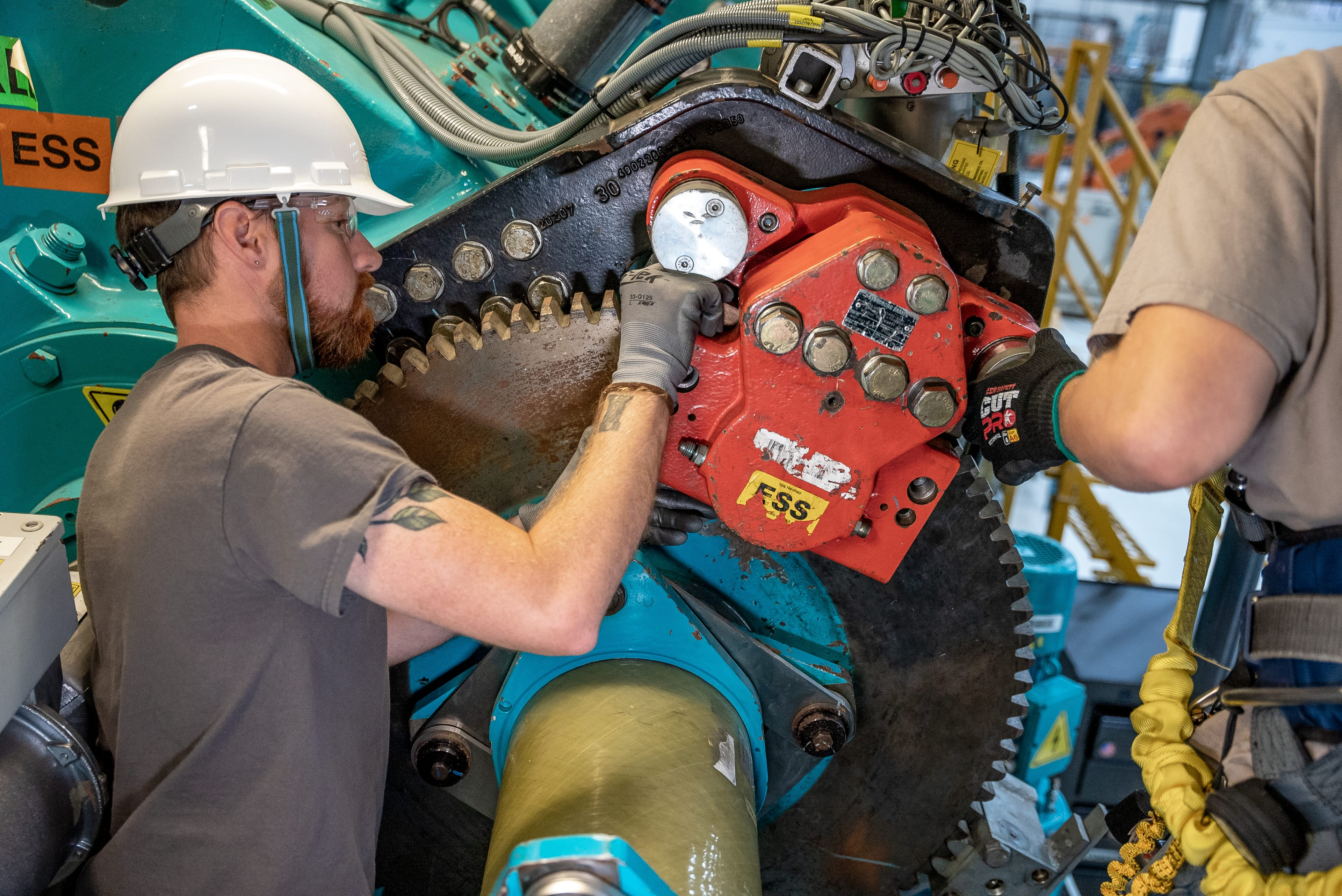
Keeping a turbine running isn’t luck. It’s the result of a consistent maintenance program that catches issues before the wind ever does.
With the right checklist, professional wind technicians can spot wear, optimize performance and keep every turbine generating the power it was built for.
If you want to become a wind technician yourself, learning and practicing the right skills is key. With hands-on career training from our Wind Turbine Technician program at Universal Technical Institute (UTI), you can gain the skills and knowledge needed to install and service wind machinery after graduating.1
From inspection to repairs, read more to learn about how wind turbines are serviced and everything that goes into wind turbine maintenance.
What Is Wind Turbine Maintenance?

Wind turbine operation and maintenance include inspection, cleaning and necessary repairs to keep wind turbines working efficiently. If a wind turbine isn’t maintained, safety hazards, a dip in electricity production and high repair costs could result.
The Importance of Wind Turbine Maintenance
Wind turbines are generally low maintenance, and the goal of regular care is to prevent long-term damage and emergency repairs.
Many wind farms use wind turbine predictive maintenance to determine how many required maintenance check-ups are needed and whether a specific turbine needs to be serviced. They do this by tracking the data of turbines of different ages by monitoring temperature levels, vibrations and other aspects. They use this data to predict potential issues before they happen.
So, how often do wind turbines need maintenance? Typically, wind turbines need two to three check-ups a year. However, because of outside elements such as bad weather, very strong winds and wildlife, extra service visits may be necessary throughout the year.
Which Wind Turbine Parts Fail Most Often?

The most common wind turbine maintenance issues have to do with damage to blades, gearboxes and generators. One issue in any component of a wind turbine can cause a domino effect that completely stops energy production, which is also referred to as an unscheduled stoppage.
To avoid these issues, wind turbine technicians and field service technicians use preventative maintenance to avoid potential issues through regular inspections. These inspections include cleaning, visual inspections of parts (like the bearings and rotor), function tests and more.
Wind turbine maintenance checklist
Wind turbine technicians follow wind turbine maintenance procedures to make sure all mechanical and electrical parts and functions are working well. A common wind turbine maintenance checklist would include:
- Inspecting the gearbox, generators, yaw system and brake.
- Visual inspection of the tower foundation.
- Checking and tightening bolts.
- Determining the state of the blades and blade pitching.
- Measuring oil and lubrication levels.
- Checking ventilation, air filters and shock absorbers.
- Repairing cracks and damage caused by corrosion.
- Inspecting bearing and connections.
How Much Maintenance Does a Wind Turbine Require?

The larger a wind turbine is, the greater the maintenance cost and energy produced. There are different requirements for every wind turbine, and maintenance cost depends on the type of turbine, how long it has been active, location and the amount of electricity it produces.
An example of this would be Vertical Axis Wind Turbines (VAWTs) vs. Horizontal Axis Wind Turbines (HAWTs). Even if HAWTs typically produce more energy, VAWTs require more maintenance. This is because VAWTs are typically built in areas with less wind power.
Maintenance of wind turbines costs about $48,000 on average a year, per turbine. Wind turbines of that size can produce about two to three megawatts in a day, which can power about 1,000 homes.
Why Learn Wind Turbine Maintenance?
Build hands-on technical skills
The wind industry needs trained technicians to help maintain and install wind turbines. Grow your technical and hands-on skills before pursuing a career! Our wind technology courses cover topics such as DC and AC basic electricity, renewable energy sources, climb and rescue, and so much more — all skills that employers want from wind techs today.
Train for a rapidly growing renewable energy career
As U.S. demand for wind energy expands, the demand for wind technicians is growing — employment is projected to grow 50% from 2024 to 2034.63 Completing this training can give you a path to this in-demand workforce. For anyone seeking stable work in a growing, purpose-driven industry, this program can turn ambition into a viable career path after graduation.
Learn electrical, safety and rescue techniques
Wind training students at UTI learn how wind turbines are designed, how they operate and how each major component works together to generate power. They practice disassembling, inspecting, troubleshooting and reassembling turbine systems using manuals, schematics, and proper torque and safety procedures. They also train in industry-standard safety protocols — including climbing, rescue techniques and all four GWO Basic Safety Training modules — to prepare for real-world maintenance and repair work.
Gain skills needed for real wind turbine work
This 7–8-month program centers on practical training, allowing students to train in hands-on labs that reflect real turbine environments while learning from professionals with field experience. Along the way, students can build industry awareness, confidence and early connections that support their transition into the workforce. By the time you finish, you can be career-ready with skills that align with what employers need.
Pursue a Career With Earning Potential

According to the Bureau of Labor Statistics, the median annual wind power technician salary in the U.S. was $62,580 in May 2024.61 This means half earned more and half earned less. Keep in mind that salary depends on several factors, including experience, employer, demand and cost of living in the area.
*Not entry-level salary and is dependent on factors like experience, location, demand and employer compensation
FAQs About Maintenance of Wind Turbines
What skills are required for wind turbine maintenance work?
Wind turbine technicians need strong mechanical and electrical skills, the ability to troubleshoot complex systems, and comfort working at heights. They also rely on precision, attention to detail, and the ability to interpret schematics, manuals and sensor data. Communication and teamwork matter as well, since maintenance work is coordinated across crews and sites.
What safety procedures are followed during turbine maintenance?
Technicians follow strict safety protocols that include fall protection, lockout/tagout procedures, proper climbing techniques and the use of personal protective equipment. They also complete safety briefings, follow manufacturer guidelines and adhere to industry standards like GWO Basic Safety Training. These steps protect both the technician and the turbine during inspection, repair and testing.
How long does wind turbine maintenance training take?
UTI’s Wind Turbine Technician training program takes 7–8 months to complete, depending on the campus. While enrolled in the program, students can build technical knowledge, practice hands-on skills in lab environments, and learn safety and rescue procedures. This accelerated path allows graduates to begin pursuing entry-level roles quickly.
What are common maintenance tasks performed on wind turbines?
Routine tasks include inspecting blades, gearboxes, generators, bearings and electrical systems to identify wear or damage. Technicians also tighten bolts, check lubrication levels, replace filters, perform functional tests and repair cracks or corrosion. These steps help keep turbines efficient, safe and generating power consistently.
Is the demand for wind turbine maintenance technicians growing?
Yes — wind turbine technicians is one of the fastest-growing occupations in the country, and employment is projected to grow 50% from 2024 to 2034.63 This rise is driven by the expanding use of wind energy and the ongoing need to maintain thousands of turbines already in operation. As a result, trained technicians can find increasing opportunities across the renewable energy sector.
Learn Maintenance of Wind Turbines Like a Pro!
Grow your knowledge and the skills needed to become a wind turbine technician! Request more information and one of our Admissions Representatives will reach out and go over our program, campuses and how to apply.
If you’re ready, don’t wait! Apply here today.
Campuses That Offer Wind Technician Training
Universal Technical Institute of Illinois, Inc. is approved by the Division of Private Business and Vocational Schools of the Illinois Board of Higher Education.
Train for the Future
Imagine waking up each day excited to work in a career you’re passionate about – one where your hands-on skills make a real impact. UTI’s vocational trade school can help you gain the skills and confidence to pursue what you love.
