
Robotics & Automation
Troubleshooting Industrial Robots: Skills Technicians Need
Learn about key industrial robot maintenance procedures and how you can become an automation pro yourself.
In This Article
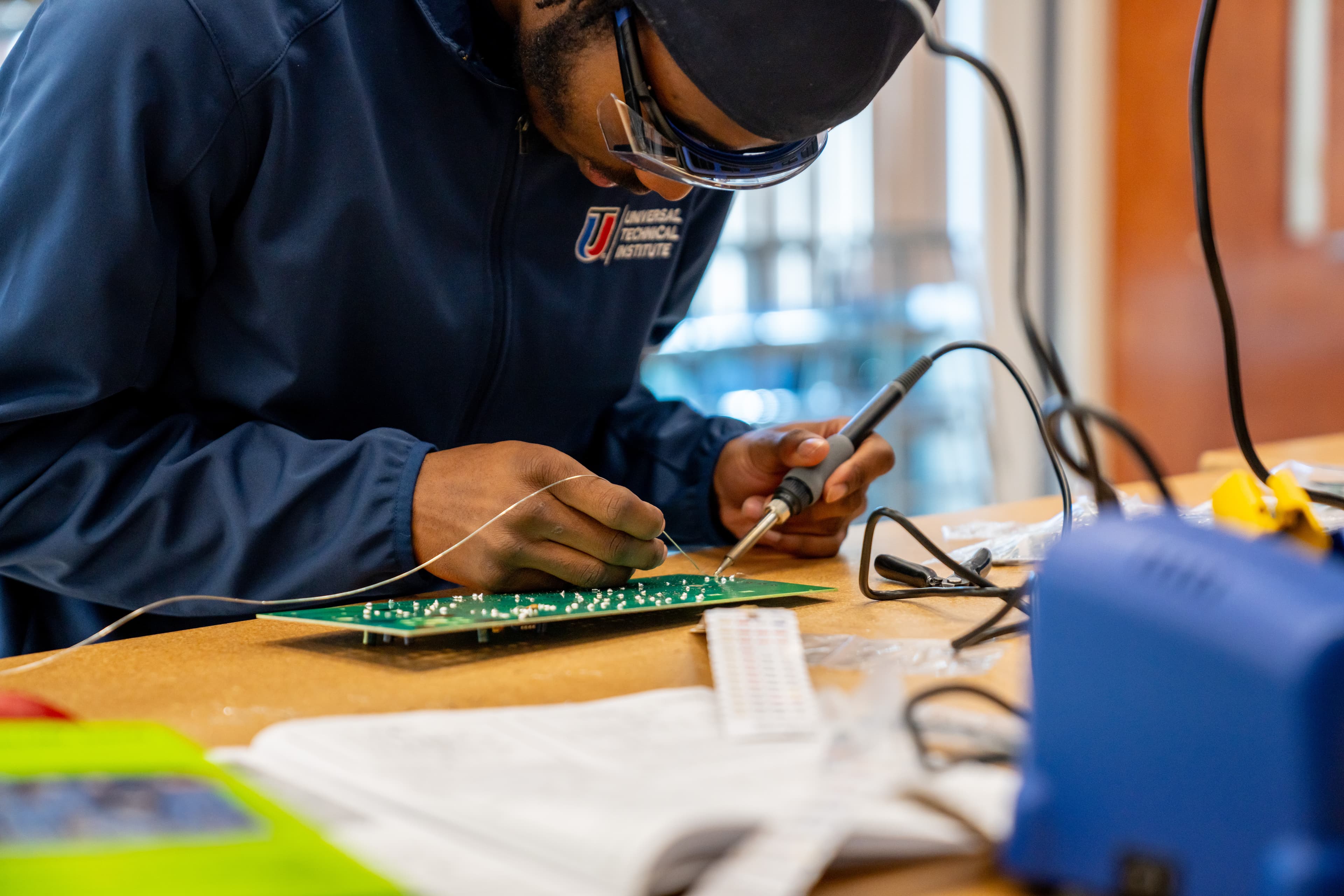
When a robot in a factory stops working, the clock starts ticking.
Every minute of downtime can cost thousands — and companies rely on skilled techs to keep things moving.
If you’re someone who likes solving problems, working with machines and learning how things work from the inside out, a career in robotics and automation could be the right move. The industry needs people who understand industrial robot maintenance, and aspiring pros can build these skills through hands-on training.
In this article, we’ll cover the types of maintenance robots need, what technicians do day to day and how industry training prepares students to work in this high-tech field.

Why Industrial Robot Maintenance Is Critical
Downtime prevention and extended equipment life
Robots are built to work fast and repeat tasks over and over again. But that also means they wear down over time. Regular maintenance helps prevent surprise failures, keeps production on track and saves money in the long run.
Whether it's replacing worn-out cables or adjusting alignment, technicians handling industrial robot maintenance help make sure systems last longer and run more smoothly.
Demand for skilled technicians
As more factories turn to automation, the need for technicians is here to stay. These roles aren’t just about knowing tools — they’re about understanding how robotic systems work. From warehouses to automotive plants, employers want people who can fix issues quickly and keep robots online.
Read: What Is a Programmable Logic Controller?
Key Robotics Technician Skills for Troubleshooting
Reading schematics and wiring diagrams
Technicians often start with the basics: the wiring. Knowing how to read and follow a diagram is key when diagnosing electrical or connectivity problems. These skills help techs trace power, spot issues and make safe repairs.
Understanding programming logic and control systems
Today’s robots follow logic patterns to complete tasks. That means techs need to understand control systems, ladder logic and simple coding to find software errors. These robotics technician skills help techs adjust settings, reset programs or spot bad code.
Performing mechanical and electrical inspections
Troubleshooting isn’t just looking at a screen. It’s also physical.
Techs check gears, joints and wires by hand. They use sensors and visual checks to find anything loose, worn out or disconnected. This helps catch problems before they turn into big failures.
Read: The 4 Main Types of Automation Explained
Common Robot Diagnostics and Maintenance Procedures
Identifying fault codes
When something’s wrong, robots usually say so. Many systems display fault codes — numbers that tell techs what kind of issue to look for. Being able to read and understand those codes is a key part of modern robot diagnostics.
Calibrating motion and axis systems
If a robot arm moves even slightly out of sync, it can throw off an entire production line. That’s why calibrating axis systems is so important. Techs align movements, check range and make sure sensors are reading correctly.
Lubrication, joint checks and cycle testing
Motion needs smooth operation. Techs inspect joints, clean moving parts and apply lubrication as needed. They can also run the system through test cycles to confirm it’s working before sending it back to full production.
Read: Application of Robotics: When, Where and How They’re Used
Tools and Technology Used in Robot Maintenance

Diagnostic software and handheld testers
Modern tools make a big difference. Technicians often use laptops or handheld devices to connect with robots and run system tests. These tools check signal flow, component response and memory errors.
Safety protocols
Working with high-voltage equipment and moving machines means safety always comes first. Proper lockout/tagout steps, PPE and area safety checks are part of every routine. These aren’t just rules — they’re core to the job.
Read: Types of Industrial Robots and How They're Used
Industrial Robot Maintenance Training

Build hands-on skills from scratch
Robotics & Automation students at Universal Technical Institute can access real-world robotic systems to learn core automation skills.1 While enrolled, you can train from the ground up in labs designed to simulate the environments used in manufacturing and automation today.
Read: Your Guide to National Robotics & Automation Certifications
Learn Troubleshooting and Diagnostics
From reading diagrams to running full system diagnostics, robotics and automation courses can teach in-demand skills. The curriculum covers electrical systems, sensors, control panels and troubleshooting techniques — giving you the chance to build job-ready robotics technician skills.

Start Your Robotics and Automation Career Path
Want to build the skills to work in automation, robot diagnostics and industrial robot maintenance? Hands-on, 12-18 month Robotics & Automation training can help you get started.1
Still have questions? Call an Admissions Representative at 1-800-834-7308 or request info online. If you’re ready to get started ASAP, enroll now.
Universal Technical Institute of Illinois, Inc. is approved by the Division of Private Business and Vocational Schools of the Illinois Board of Higher Education.
Train for the Future
Imagine waking up each day excited to work in a career you’re passionate about – one where your hands-on skills make a real impact. UTI’s vocational trade school can help you gain the skills and confidence to pursue what you love.
