ROBOTICS & AUTOMATION: AN ULTIMATE GUIDE
Robotics & Automation technology is becoming an increasingly important industry. Learn what robotics and automation is and far more here!

Curious about how machines think, move and work together? If you enjoy solving problems, working with your hands and exploring new technology, learning robotics could be a great place to start. With the right training, you can begin building the skills to explore this exciting field.
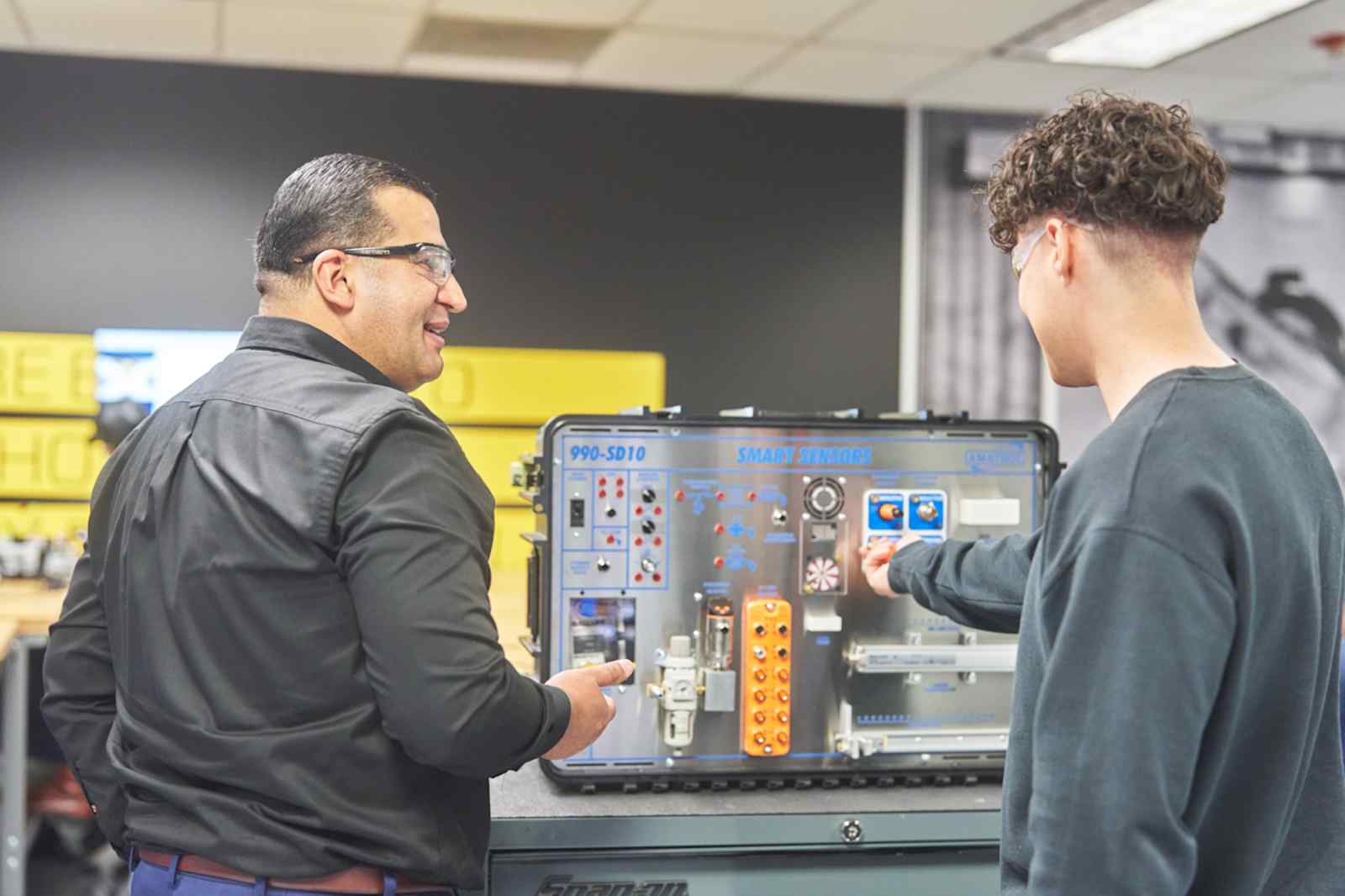
Robotics and automation technicians help keep modern machines and systems working. They play an important role in industries like manufacturing, shipping and technology. If you're ready to learn robotics and start building real-world skills, consider the Robotics & Automation Technology program at Universal Technical Institute (UTI). This hands-on training takes just 12 months to complete and prepares students to pursue entry-level careers.1,7
Keep reading to explore the basics of learning robotics, how to get started with no experience and the different ways you can build your skills.
If you're exploring how to get into robotics or searching for robotics for beginners, understanding the benefits of this path can help guide your next steps. Whether you're just starting out or looking to build on your knowledge, here’s what you can gain when you learn robotics.
Learning robotics helps you develop practical, hands-on problem-solving abilities. From troubleshooting systems to assembling components, students build critical thinking skills that can be applied in a variety of technical settings. If you're wondering how to learn robotics, starting with interactive training is a great first step.
Robotics and automation are used across industries, from manufacturing to logistics to aerospace. As these technologies continue to grow, so do job opportunities. Learning robotics can position you for entry-level technician roles and help you stand out in a competitive job market.
Robotics training encourages creativity through real-world challenges. Designing, building and improving robotic systems allows you to think outside the box and engage with emerging technologies in new ways, ideal for learners who want to be part of what’s next.
Robotics is closely connected to fields like artificial intelligence, machine learning and mechatronics. Gaining skills in robotics lays a strong foundation for future learning and growth in advanced tech careers.
Training in robotics is more than just theory. Programs that emphasize hands-on learning can prepare you to enter the workforce with confidence. Whether you're looking to learn robotics through a formal program or on your own, real-world practice helps bridge the gap between classroom concepts and job-site demands.
The best way to learn robotics is through practical experience and studying theory. This means doing things like taking courses and learning how to use the machines that are used in the field. You don't need to be a guru in math or science to get started — just have a desire to learn and the right resources!
Like with any skill, the key to learning robotics is research, training and practice. Consistency will help reinforce what you've learned and keep you motivated.
Ready to jump in? Here's a step-by-step guide to getting started in the world of robotics.
Before jumping into learning about robotics, it’s important to see whether a career in this industry aligns with your goals and aspirations.
Common traits of robotics and automation technicians include:
In terms of a robotics technician’s day-to-day responsibilities, typical duties may look like troubleshooting robotic systems, performing maintenance on robotic components, customizing robotics operations to perform tasks and working closely with engineers to help build and repair robots or replace defective parts.
If this gets you excited about the possibility of a career in robotics, you can start researching robotics schools or programs to attend.
Feel like robotics is the right move for you? The next step is to attend a trade school to help you dive deeper into robotics and everything it entails, like programming, troubleshooting and using equipment. According to the BLS, Electro-mechanical and mechatronics technologists and technicians typically need either an associate degree or a postsecondary certificate.
UTI’s robotics & automation courses are designed to teach students the essential skills needed to pursue a robotics career.1 Our instructors are experts in the field and have years of on-the-job experience they are ready to share!
Our robotics courses:
Once you graduate, it is time to start pursuing a career! Graduates of UTI can take advantage of our Career Services team who assist students and graduates in preparing for interviews and completing job applications. No matter what year a student graduates, this service remains available to them.
There are several ways to learn robotics, from online resources to books and formal education programs. Choose the method that best fits your learning style and schedule.
There are many online resources in robotics. One way you can get started is by reading Robotics & Automation: An Ultimate Guide which provides a breakdown of what to expect from that field. If you’re curious about becoming a robotics technician, you can start by reading this blog, How To Become a Robotics Technician.
There are numerous books on robotics that can guide you through the basics to more advanced concepts. "Robot Building for Beginners" by David Cook and "Introduction to Robotics" by John J. Craig are highly recommended.
If your goal is to get formal technical training, UTI’s Robotics & Automation Technician program offers an industry-aligned curriculum that can help grow your robotics knowledge from the ground up! Graduates of the program can pursue entry-level positions in the robotics and automation industry.
No technical background? No problem. If you're wondering how to get into robotics or looking into robotics for beginners, know that many training programs are designed to start with the basics. You can begin learning robotics without prior experience, just bring your curiosity and willingness to learn.
When you’re picking up new skills and knowledge, there is a learning curve that could make some parts of the process a bit difficult. But if you enjoy robotics, problem-solving and technical work, have a strong attention to detail and have a love for learning, you can strive to become a robotics technician.
The Robotics & Automation Technician program at UTI can be completed in a year!7 When students graduate from the program, they are ready to pursue entry-level positions in the field like: robotics and automation technician, control systems technician or maintenance technician.
Yes! Once you've gained the right skills, you may qualify for entry-level jobs in automation, manufacturing or robotics support. Programs like UTI’s are designed to help you learn robotics in a hands-on setting, preparing you to pursue entry-level career opportunities.1
Not at all. While engineers often design robotic systems, robotics for beginners focuses more on how to build, maintain and operate these systems. Technicians who don't need engineering degrees are a crucial part of keeping automation running. If you're wondering how to get into robotics, technician training is a great place to start.
Ready to take the next step toward a robotics career? Request more information and an Admissions Representative will reach out.
Start your journey today by seeing the locations that have robotics training programs! You can fill out an application.
Universal Technical Institute of Illinois, Inc. is approved by the Division of Private Business and Vocational Schools of the Illinois Board of Higher Education.