
Robotics & Automation
How to Become a Robotics Technician in Michigan
Calling all Michigan residents! Check out our guide about the opportunities a robotics technician career in Michigan can offer you and how UTI can help!
In This Article
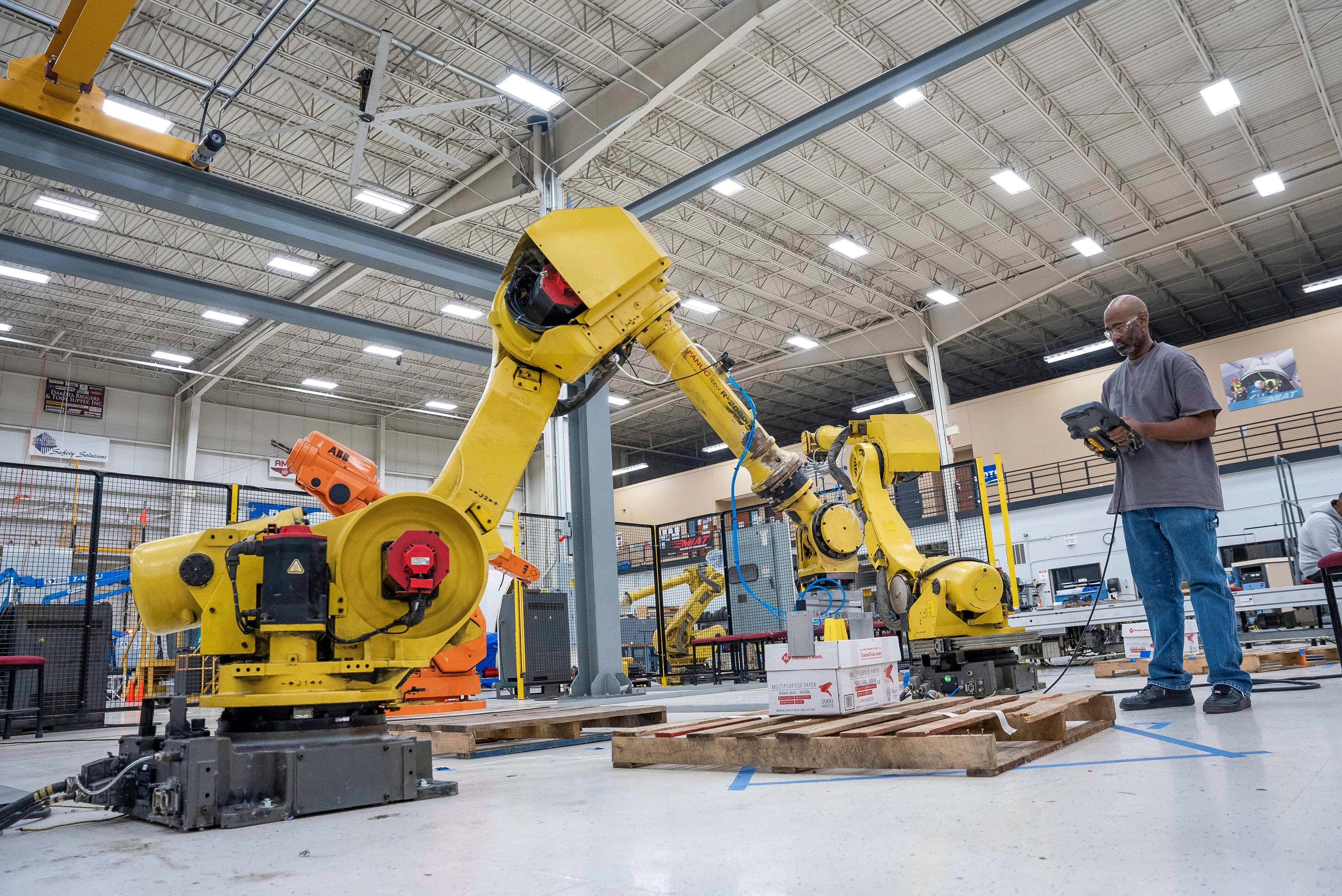
Start your robotics journey in Michigan!
If one of your goals is to become a robotics technician, Universal Technical Institute (UTI) has a robotics school in Canton, Michigan, that offers a robotics technician program! The program offers hands-on training and opportunities to grow your programming, mechanical and electric skills.1
Keep reading to learn about the robotics technician education needed, the steps to becoming a robotics technician, a robotics technician’s job outlook and salary and more!
Robotics Technician Job Outlook in Michigan
From automotive to manufacturing, various industries need robotics technicians to maintain and repair robotic equipment!
According to the Bureau of Labor Statistics (BLS), many electro-mechanical and mechatronics technologists and technicians are employed by the manufacturing industry. The BLS also reports that Michigan has one of the largest manufacturing employments in the country.
Types of Robotics Technicians in Michigan
There’s not just one type of robotics technician. Depending on your interests, skills and experience, you can specialize in different areas. Most of our grads start out working as entry-level technicians or in other entry-level roles. As with any industry, over time, you may be able to advance in your career with experience and hard work.
Some of the most common robotics and automation roles include:77
- Maintenance technicians: These technicians ensure that robots run smoothly. They perform basic maintenance and repairs on robots. They also troubleshoot issues, clean robotic equipment and determine if any repairs are necessary.
- Installation technicians: These techs set up new robots and automation systems. They test out the setup to make sure it works properly and do the necessary paperwork that comes with these tasks. They work closely with engineers to ensure everything functions correctly.
- Field service technicians: Field service techs travel to different locations to fix robots onsite. They specialize in repairing, installing and maintaining systems. This role requires problem-solving skills and a lot of dedication.
4 Steps To Become a Robotics Technician in Michigan
Ready to get started? Follow these four steps to start pursuing a career as a robotics technician in Michigan.
1. Determine your goals and desired jobs
Before anything else, figure out your goals. What type of robotics technician do you want to be? Knowing this will guide your educational and career choices.
From there, it’s important to see if becoming a robotics technician is right for you. Here is a look into some skills and traits that robotics technicians need to do their jobs well:
- Problem-solving skills: Technicians often work with advanced robotics systems that can have unique problems. They need strong problem-solving skills and a good understanding of robotics and programming to fix these issues.
- Mechanical skills: Technicians work with different hardware parts and must understand how each part works and fits with others. They also put together robotics systems, so they need to know how to use tools and follow processes correctly.
- Math skills: Technicians need to be good at math because they often have to measure things or use formulas to figure out sizes. They might also need to know advanced math like trigonometry and calculus.
- Communication skills: Robotics technicians work with other people like clients, engineers and other technicians, so they need to have good people skills. This includes being able to communicate well, listen carefully and work well with others.
- Creativity: Creativity is important for robotics technicians because they work with advanced systems to solve unique problems for clients. They need to think creatively to meet the client's needs in new ways.
2. Research various robotics and automation schools in Michigan
Once you’ve decided that the world of robotics is for you, it’s time to look into robotics technician training programs. Compare their programs, benefits and job placement rates. Choose the one that best meets your needs!
All of UTI’s campuses including UTI Canton are accredited by the Accrediting Commission of Career Schools and Colleges (ACCSC) which is recognized by the U.S. Department of Education!
3. Attend a mechanic school or program
Next, it is time to enroll in a robotics technician program! According to the BLS, electro-mechanical and mechatronics technologists and technicians typically need either an associate’s degree or a postsecondary certificate to pursue robotics technician jobs.
UTI Canton offers a Robotics and Automation Technology associate degree in applied science! It’s an 18-month, hands-on program that awards graduates a Robotics and Automation Technology AAS degree.
Some robotics course topics covered in this program include manufacturing systems and technology, applied physics and precision measuring, industrial robotics, industrial networking, foundational programming, 3D printing, computer-aided design, programmable logic controllers, DC and AC electricity, electronics instrumentation and control troubleshooting.
4. Gain experience through jobs or apprenticeships
Now that you’ve graduated and have an education in robotics, it's time to gain experience! Apply for internships, apprenticeships or entry-level jobs in the field. This practical experience will set you apart from other candidates.
Graduates of our robotics and automation program can get assistance seeking employment! UTI’s Career Services is a department composed of specialists who maintain a network of employers across Michigan and help our grads seek out career opportunities.
Becoming a Robotics Technician in Michigan FAQs
What does a robotics or automation technician do on the job?
A robotics or automation technician typically installs, maintains, tests and repairs robotic systems and automated equipment in industrial settings. On a day-to-day basis, technicians may troubleshoot mechanical, electrical, pneumatic and hydraulic systems. They often program or update robot software and PLCs, perform preventative maintenance and collaborate with engineers and production teams to ensure smooth operations
Do I need a college degree to work in robotics, or is hands-on training enough?
You don't need a four-year college degree to begin working as a robotics or automation technician. Many employers prefer candidates with an associate degree, certificate or vocational training focused on robotics, mechatronics or automation. Programs like UTI Canton’s offer hands-on education on industrial equipment, often completed within 12–18 months.
What types of systems will I learn to troubleshoot in a robotics-focused program?
At UTI, students train with a wide range of systems used in modern industrial automation. The program covers troubleshooting electrical circuitry, programming and maintaining programmable logic controllers (PLCs), working with robotic arms, calibrating sensors and diagnosing mechanical and pneumatic systems.
Can I get support with job placement after completing a UTI program?
Yes. UTI offers dedicated career services support to students and graduates. At the Canton campus, students can access resources like resume writing help, interview preparation and employer networking. The Career Services team works with local and national employers to help students explore job opportunities after graduation. While employment is not guaranteed, this support is designed to help students take the next step toward starting their careers in robotics and automation.1
UTI Campuses That Offer Robotics Technician Training
Becoming a robotics technician in Michigan can be an exciting career path. With the right education, training and experience, you’ll be on your way to joining the future of automation!
If you're ready to take the next step, request more info or fill out an application today!
UTI has multiple campuses offering robotics technician training. Each campus provides state-of-the-industry facilities and experienced instructors.
- Long Beach, CA
- Rancho Cucamonga, CA
- Lisle, IL
- Canton, MI
- Mooresville, NC
- Exton, PA
- Austin, TX
- Dallas/Fort Worth, TX
- Houston, TX
- San Antonio, TX
- Salt Lake City, UT - Program coming to UTI Salt Lake City pending regulatory approval. VA benefits are not currently available at this campus.
Universal Technical Institute of Illinois, Inc. is approved by the Division of Private Business and Vocational Schools of the Illinois Board of Higher Education.
Train for the Future
Imagine waking up each day excited to work in a career you’re passionate about – one where your hands-on skills make a real impact. UTI’s vocational trade school can help you gain the skills and confidence to pursue what you love.
