
Robotics & Automation
Is Robotics a Good Career Path?
Automation and robotics techs are in demand. Discover how the pay, career growth and variety of roles could make it the right career path for you.
In This Article
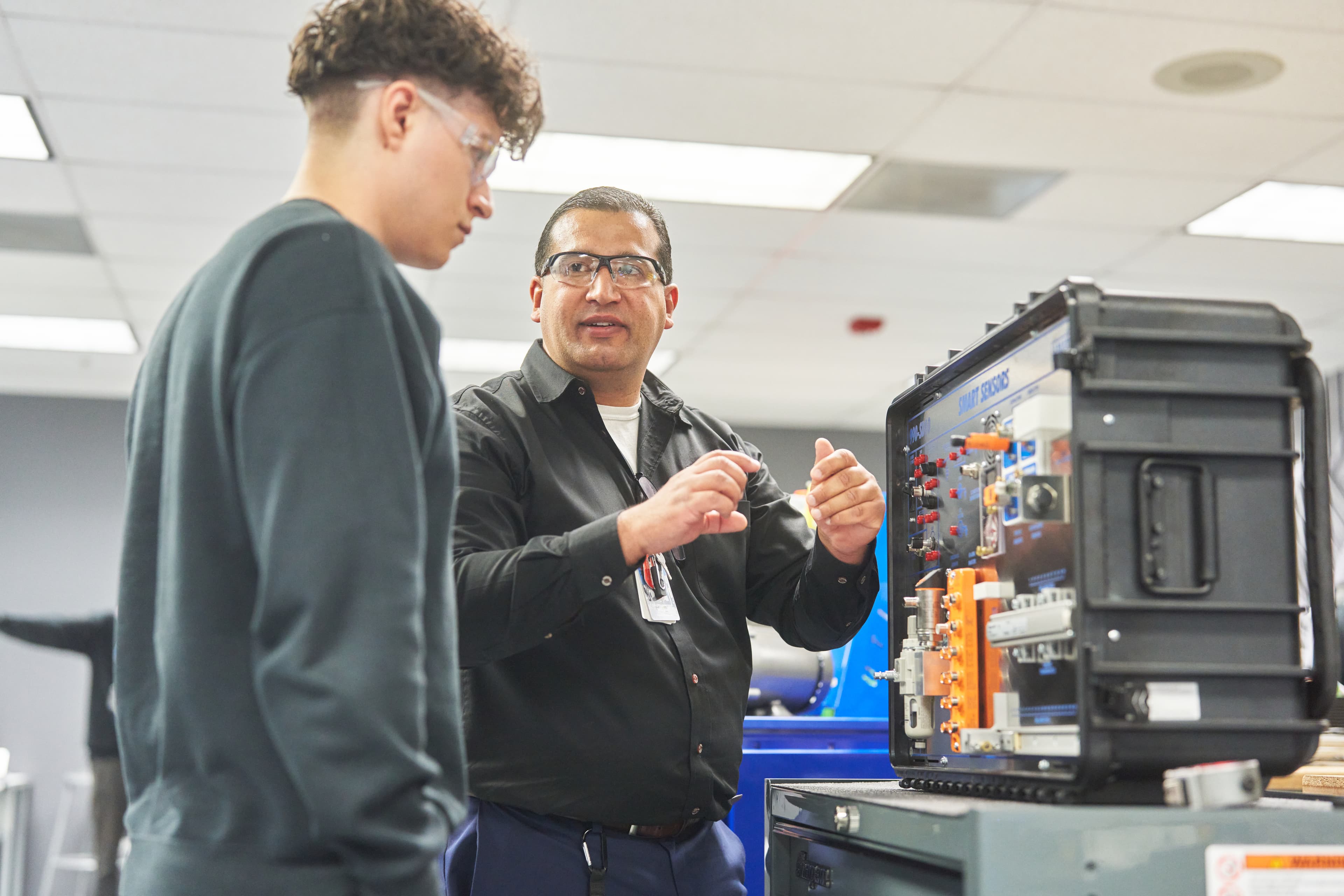
Robotics and automation technicians are key in maintaining advanced manufacturing technologies.
If you’re interested in working in this industry, consider enrolling in the 12-month Robotics & Automation Technician program offered at Universal Technical Institute (UTI) campuses across the country.1,7 While enrolled, students can train in the fundamentals of robotics and automation, earn a diploma and prepare for careers in the field.
However, you may still wonder if a career in robotics and automation is right for you.
Keep reading to get your answer. Here, we'll provide an overview of these industries, what it's like to be a technician in robotics and/or automation and how to get the necessary training at UTI to prepare for a career.
What Is Robotics and Automation?
Robotics is a branch of computer science and engineering that deals with the design and operation of robots. Robots are machines that can automatically carry out complex series of actions.
Automation is used in various industries, including robotic manufacturing, to complete production processes with minimal human intervention.
Read: UTI Admissions Requirements
Is Robotics and Automation a Good Career?
A career in robotics and automation offers a dynamic path with opportunities across a wide range of industries. Whether you're just starting out or considering a career change, you may be wondering, “Is robotics a good career?” Here’s why the answer is often yes.
Competitive salaries
Wondering, “Is robotics and automation a good career in terms of income?” Technicians and engineers in this field often earn competitive wages due to the technical expertise and critical thinking required. As your skills grow, so can your earning potential, especially with certifications and hands-on training.6
Global career opportunities
Automation and robotics are essential in operations worldwide, which means your skills can translate into opportunities across the globe. Whether you’re interested in working locally or exploring international roles, this field includes roles far beyond one geographic location.
Continuous learning and growth
Technology never stands still, and neither does this career path. Working in robotics and automation means you’ll regularly encounter new challenges, tools and innovations. For those who enjoy solving problems and evolving with technology, it's a career built on lifelong learning and professional development.
Flexibility across industries
Is automation and robotics a good career if you want variety? Absolutely. From automotive and aerospace to food production and medical tech, robotics systems are used in nearly every major industry. This gives you the flexibility to shift sectors without starting over, making your career both resilient and adaptable.
Top Industries Hiring Robotics and Automation Mechanics
Robotics and automation are changing the way the world works and that means skilled technicians are needed across a variety of industries. As more companies turn to smart machines and automated systems, the demand for trained professionals may continue to grow.
Here are some of the industries hiring robotics and automation mechanics:
- Advanced Manufacturing: Modern factories rely on robotics to boost efficiency and precision in production lines.
- Automotive: From assembly lines to quality control, automation plays a major role in building today’s vehicles.
- Logistics and Warehousing: Automated systems help move and manage products in large distribution centers.
- Aerospace: Robotics are used in aircraft manufacturing and maintenance, where accuracy is critical.
- Energy: The energy sector uses automation for monitoring systems, improving safety and reducing downtime.
These industries need technicians who understand how to install, maintain and troubleshoot complex systems. With the right training, you could be part of the workforce supporting the future of automation.
Robotics and Automation Career Outlook
As businesses incorporate more automated systems to help improve efficiency, reduce errors and streamline operations, they contribute to a need for skilled technicians in this space.
For those entering the workforce or considering a career shift, robotics and automation may offer a forward-looking path. With the right training, certifications and experience, individuals may be prepared to pursue roles in areas such as robotics support, automation system maintenance or advanced manufacturing.
According to the Bureau of Labor Statistics (BLS), the median annual salary for robotics and automation technicians in the United States was $73,900 in May 2025.59 This means half earned more and half earned less. Keep in mind that salary depends on several factors, including experience, employer, demand and cost of living in the area.
How To Become a Robotics and Automation Technician
Earn a high school or GED diploma
The first step is completing high school or earning a GED diploma. This way, you can demonstrate that you have previously completed a structured curriculum, just as you would during vocational training.
Enroll in a vocational school or trade school program
Next, consider enrolling in a vocational or trade school program that offers focused training in robotics, automation or mechatronics. Students in trade schools can receive practical instruction in controlled lab settings from experienced industry professionals, allowing them to develop skills in their chosen areas of study. This training frequently allows students to practice skills that are often required in real-world technician jobs.
Complete hands-on training
Hands-on training is essential in this field. Practicing directly with industry-relevant tools, systems and equipment can help you gain practical skills and confidence in real-world scenarios. Programs that offer lab-based learning often simulate environments found in modern manufacturing and automation settings.
For many technicians, a robotics and automation education program could take months or even years to complete. Fortunately, UTI’s Robotics & Automation Technician program takes only 12 months.7
Through this hands-on program, graduates can gain the knowledge and skills needed to pursue entry-level jobs in their chosen industry through robotics and automation courses such as:
- Manufacturing Systems and Technology.
- Practical Math and Applied Physics.
- Industrial Robotics.
- Industrial Networking.
- Foundation Programming.
Learn industry-specific skills and technologies
Technicians need to understand a variety of systems used in automation, ranging from robotics arms and conveyor systems to software used for programming and diagnostics. Training may also cover safety procedures, troubleshooting and preventive maintenance.
Pursue entry-level opportunities after graduation
After completing your training, you may be ready to pursue entry-level roles in fields like robotics support, industrial automation or advanced manufacturing. Some programs also offer career services such as resume support, interview prep and networking with employers to help you take the next step.
Robotics and Automation Career FAQs
Is it hard to get a robotics and automation job?
Pursuing a job as a robotics or automation technician can be difficult, but it is possible for those who have the right skills, education and training. Many employers require automation technicians to have formal hands-on training, whereas robotics technicians must understand both automation and robotics technology.
They should also have strong technical skills, problem-solving abilities, attention to detail and the determination to improve through continual learning.
What does a robotics and automation technician do?
A robotics and automation technician helps install, maintain, troubleshoot and repair automated machinery and robotic systems. Responsibilities may include working with sensors, controllers, robotic arms and computer programs that drive automated equipment.
How long does it take to become a robotics and automation technician?
The Robotics & Automation Technician training program at UTI can be completed in less than a year!7 When students graduate from the program, they are ready to pursue entry-level positions in the field like: robotics and automation technician, control systems technician or maintenance technician.
Do I need a degree to work in robotics and automation?
No, you don't need a four-year college degree to become a robotics technician. Most technicians enter the field with an associate degree, certificate or postsecondary technical training. Many programs including UTI’s require only a high school diploma or GED certificate to enroll. While bachelor's degrees are common for engineers, technician roles often focus on hands-on skills and technical aptitude, which can be built through shorter, more practical credentials.
Is this job physically demanding?
Robotics and automation technician roles can involve physical tasks, especially when working on equipment in industrial environments. Technicians may be required to stand for long periods, move or lift tools and components, and access hard-to-reach areas during equipment maintenance. However, the level of physical demand can vary depending on the work setting and specific job duties.
Pursue a Career in Robotics and Automation With UTI Training!
Modern manufacturing, healthcare, logistics and transportation industries often rely on robotics and automation technicians to increase the efficiency, quality and safety of industry practices. Students who get the proper training can pursue this career path and make a difference in advanced manufacturing processes!1
Eager to pursue a career in robotics and automation? Visit our website to request more information or call an Admissions Representative at 1-800-834-7308.
You can also take the first step today and fill out an application!
Universal Technical Institute of Illinois, Inc. is approved by the Division of Private Business and Vocational Schools of the Illinois Board of Higher Education.
Train for the Future
Imagine waking up each day excited to work in a career you’re passionate about – one where your hands-on skills make a real impact. UTI’s vocational trade school can help you gain the skills and confidence to pursue what you love.
