
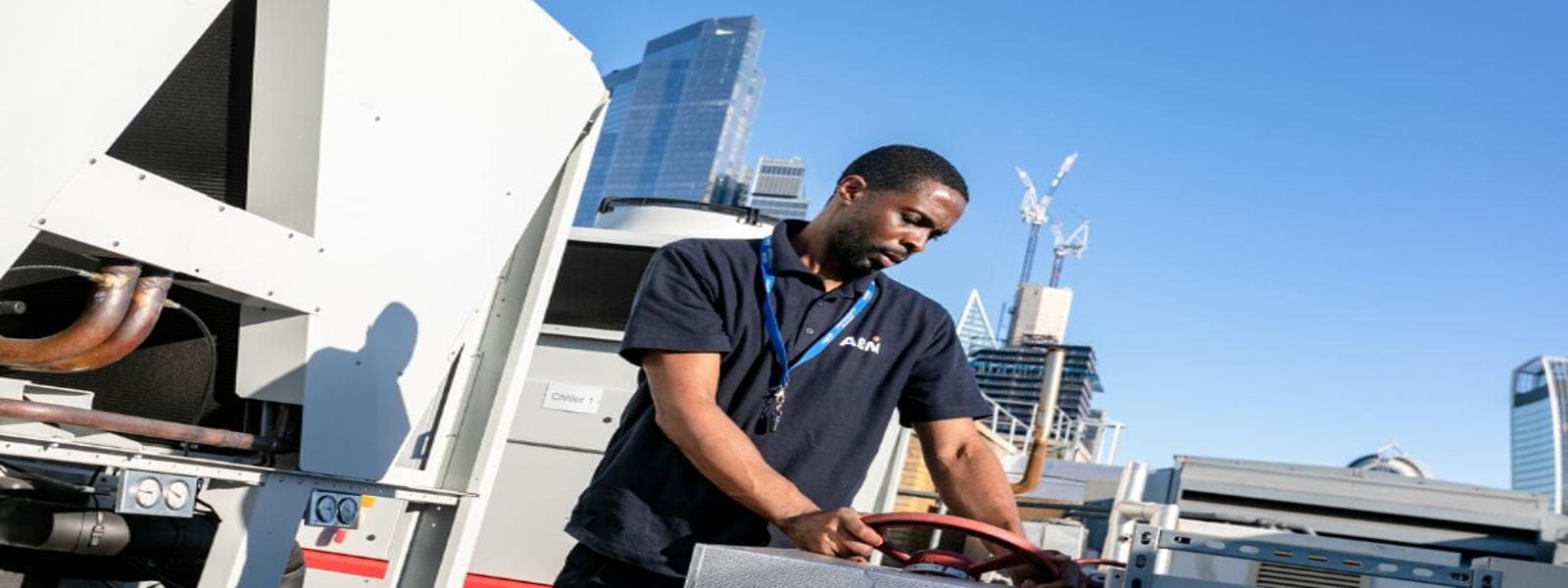
Landing entry-level HVAC technician jobs after trade school is a realistic next step for graduates who know what employers expect and how to prepare. Most entry-level HVAC roles focus on assisting with installations, performing routine maintenance and learning diagnostics under supervision — helping new technicians build real-world skills that support long-term growth in the field.
The HVACR Technician program at Universal Technical Institute (UTI) is designed to help students build job-relevant skills through hands-on training.1 Coursework covers electrical systems, refrigeration fundamentals, airflow, controls and safety practices, along with career preparation support such as resume guidance and interview prep.
Keep reading to learn what entry-level HVAC technicians do, which skills employers value most and how trade school training can help you prepare for these roles.
Key Points:
- Entry-level HVAC technician jobs focus on hands-on work like installations, maintenance and basic troubleshooting.
- Employers value technical fundamentals and soft skills like communication and reliability.
- Completing HVAC trade school and earning required certifications can help you prepare for entry-level roles.
- Common job titles include HVAC apprentice, junior HVAC technician and install helper.
Understand Entry-Level HVAC Technician Roles
An entry-level HVAC technician is a trained professional who assists in installing, repairing and maintaining heating, ventilation and air conditioning systems, typically under the supervision of a senior technician. These roles are designed for new graduates who are ready to move from classroom learning into hands-on, real-world work.
Starting at the entry level gives recent trade school graduates the opportunity to apply what they learned in training on actual job sites. You’ll work with real equipment, interact with customers and learn directly from experienced technicians, building confidence, accuracy and job-ready habits over time.
Typical responsibilities in entry-level HVAC jobs
Entry-level HVAC jobs focus on supporting day-to-day installation, service and maintenance work. While responsibilities vary by employer and job site, most early-career technicians spend their time learning core tasks that are essential to long-term success in the field.
Common responsibilities may include:
- Assisting with residential or light commercial system installations.
- Performing routine maintenance such as filter changes, coil cleaning and drain line inspections.
- Supporting troubleshooting and documenting findings under supervision.
- Following safety procedures and maintaining tools, vehicles and work areas.
- Communicating basic system information and next steps to customers or team members.
These responsibilities help new technicians develop a strong foundation while learning how real HVAC jobs operate day to day.
Soft skills employers look for
Technical skills are important, but employers also pay close attention to how entry-level HVAC technicians work with others. Because technicians often interact with customers and operate as part of a crew, soft skills play a major role in early-career success. Employers commonly look for:
- Communication and customer service skills: Explaining work clearly, listening carefully and maintaining professionalism
- Teamwork and reliability: Showing up prepared, following instructions and supporting the crew
- Problem-solving and willingness to learn: Asking questions, adapting to new systems and learning from feedback
Strong soft skills can help entry-level technicians stand out, even when they’re still building experience.
Common entry-level HVAC job titles
Entry-level HVAC roles don’t always share the same job title. Depending on the company, you may see different titles that describe similar responsibilities and training-focused positions. Common entry-level HVAC job titles include:77
- HVAC apprentice
- Junior HVAC technician
- Install helper
- Maintenance technician
- Duct installer
While the titles may differ, the goal is the same across these roles: Support installations, service calls and maintenance work while developing the skills, speed and confidence needed to grow in the HVAC field.
Complete Your HVAC Trade School Training
Completing an accredited HVAC trade school program helps students prepare for entry-level HVAC technician roles by building foundational technical skills. At UTI, HVACR training covers course topics such as electrical theory, refrigeration cycles, airflow and duct design, brazing, controls and safety standards, often practiced in hands-on lab environments using industry-aligned equipment.
This type of training is designed to help students understand how HVAC systems operate, follow safety procedures, and apply technical concepts in real-world scenarios they may encounter in entry-level HVAC jobs and apprenticeships.
Certifications that support entry-level HVAC jobs
Industry-recognized certifications can help you demonstrate technical knowledge and readiness in the HVACR field. Many employers value credentials because they show you understand safety standards, equipment handling and industry best practices.
UTI’s HVACR program is structured to help students prepare to test for several widely recognized certifications that support entry-level HVAC work, including:
- EPA Section 608 Technician Certification – This credential is required for anyone who works with regulated refrigerants and helps ensure compliance with federal environmental standards.
- North American Technician Excellence (NATE) Core exam – A respected industry credential that employers recognize as a demonstration of HVACR knowledge; UTI offers preparation and testing for the Core exam. After passing, technicians may pursue taking the Specialty NATE exam through an employer.
- OSHA 10-Hour Construction Training – Provides a foundation in general job site safety protocols, helping you understand workplace safety expectations.
- R-410A Refrigerant Safety Certification – Focuses on the safe handling of R-410A refrigerant, which is used in many modern HVAC systems.
Earning or preparing for these certifications during training gives you an advantage when employers review your qualifications, and can also help you feel confident handling equipment and safety requirements on the job.
How to turn training into job readiness
Beyond certifications, there are practical steps you can take while completing your HVAC trade school training to boost your readiness for entry-level HVAC jobs. Preparation now supports stronger job applications and more confident interviews later.
- Build a resume that highlights relevant experience: Include hands-on lab training, technical projects, externships and the specific tools or systems you’ve used during training.
- Prepare basic work samples: With permission, create simple documentation like maintenance checklists or installation photos that show what you’ve learned in action.
- Ask instructors or lab supervisors for references: Professional testimonials from instructors who have seen your skills develop can reinforce your readiness to employers.
- Practice interview preparation: Think about real examples you can share related to safety decisions, troubleshooting scenarios, teamwork and learning new systems. These stories help employers understand how you’ll handle common HVAC tasks.
Where To Apply for Entry-Level HVAC Technician Jobs
Entry-level HVAC roles are commonly available through:
- Residential HVAC service and installation contractors.
- Light commercial or facilities maintenance teams.
- Manufacturer-authorized dealers and regional service companies.
- Union and non-union HVAC apprenticeships.
Job search tips for HVAC graduates
Finding entry-level HVAC technician jobs after trade school often comes down to how well you approach the job search. Employers want to see that candidates understand the role, can communicate their skills clearly and are actively prepared to step into an entry-level position.
To improve your visibility and competitiveness during the job search:
- Use role-specific keywords like “entry-level HVAC technician,” “HVAC apprentice” or “junior HVAC technician” when searching and applying.
- Set job alerts on major job boards and apply consistently to relevant openings.
- Tailor your resume for each role by matching your hands-on training, tools and coursework to the desired skills listed in the job posting.
In addition to independent job searching, graduates of UTI’s HVACR program have access to career services designed to support the transition from training to employment. Career services may include resume guidance, interview preparation, job search coaching and opportunities to connect with employers through hiring events and job leads. These resources are intended to help graduates navigate the job search process with more confidence and clarity.
Take the Next Step Toward an HVACR Career
Preparing for entry-level HVAC technician jobs starts with hands-on training that builds job-relevant skills. An HVACR program helps students develop foundational knowledge in areas like electrical systems, refrigeration, airflow, controls and safety.
The HVACR program at UTI supports students through hands-on labs and career preparation resources.
Enroll today to start training for an HVAC career!
Sources
https://www.epa.gov/section608/section-608-technician-certification-requirements
https://hvaccareernow.com/articles/finding-an-hvac-job-for-recent-trade-school-graduates
https://www.hvacprograms.net/hvac-technician-jobs/entry-level/
Universal Technical Institute of Illinois, Inc. is approved by the Division of Private Business and Vocational Schools of the Illinois Board of Higher Education.