Industrial electrical technicians play a critical role in keeping manufacturing and industrial operations running safely and efficiently. From maintaining automated equipment to diagnosing electrical issues on the production floor, these professionals support the systems that power modern industry.
For those exploring a career as an industrial electrical technician, understanding what this role involves and the electrical technician skills required can help determine whether this hands-on career path is the right fit. You'll also learn how to get Electrical, Electronics, & Industrial Technology training so you can train to become a pro.130
What Is an Industrial Electrical Technician?
An industrial electrical technician is a trained professional who installs, maintains, monitors and repairs electrical systems used in industrial and manufacturing environments. These settings may include factories, processing plants, warehouses, utilities and large production facilities.
Unlike residential or commercial electrical technicians, industrial electrical technicians typically work with complex machinery, automation systems and higher-voltage equipment. Their primary responsibility is to help keep industrial systems operating efficiently while minimizing downtime and following strict safety standards.
Systems and Equipment Industrial Electrical Technicians Work On
Industrial electrical technicians work on a range of electrical and electronic systems designed to power, control and automate industrial processes. Some examples include:
Control panels and motor systems
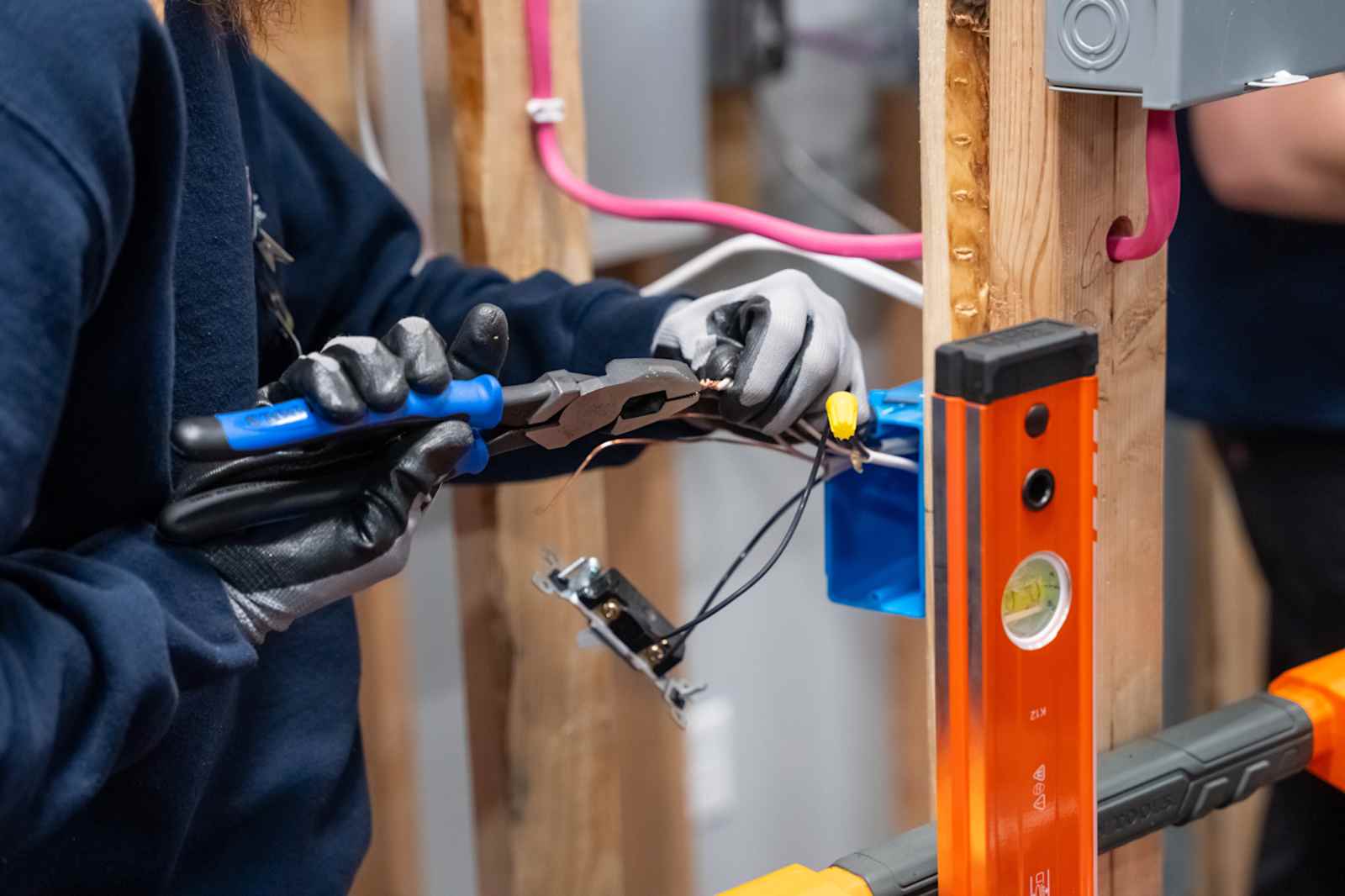
Control panels are the central hubs that manage how machines and equipment operate. Industrial electrical technicians install, wire and maintain these panels, ensuring motors, sensors and controls function as intended.
Motor systems are common in manufacturing environments and are used to drive conveyors, pumps, compressors and other machinery. Technicians may inspect motors, test connections, replace components and help optimize performance.
Programmable logic controllers and automation equipment
Programmable logic controllers (PLCs) and automation systems are essential in modern industrial settings. Industrial electrical technicians may assist with installing, maintaining or troubleshooting PLC-controlled equipment that automates repetitive tasks and production processes.
Working with automation equipment requires understanding how electrical components, sensors and control logic interact to keep systems running smoothly.
Read: What Is a Programmable Logic Controller?
Industrial power distribution
Industrial facilities rely on complex power distribution systems to safely deliver electricity across large spaces. Industrial electrical technicians may work on transformers, switchgear, circuit breakers and distribution panels to help ensure reliable power flow.
They also help identify and address potential electrical issues that could lead to equipment failure or safety hazards.
Electrical troubleshooting and diagnostics
A major part of the job involves diagnosing electrical problems when equipment isn’t working correctly. Industrial electrical technicians use testing tools, schematics and system knowledge to locate faults, determine root causes and support repairs.
Strong troubleshooting skills help reduce downtime and keep operations moving.
Read: Troubleshooting Electrical Systems: A Technician’s Guide
Skills Needed for a Career in Electrical, Electronics, and Industrial Technology
Developing the right electrical technician skills is essential for working in all kinds of environments, including industrial.
Electrical theory fundamentals
A solid understanding of electrical theory is essential. This includes concepts like voltage, current, resistance, circuits and power systems. These fundamentals help technicians understand how systems operate and how to safely work on them.
Read: Electrical Theory Explained – Fundamentals, Applications & Learning Resources
Reading schematics and diagrams
Industrial electrical technicians regularly use wiring diagrams, schematics and technical manuals. Being able to interpret these documents helps technicians install systems correctly and diagnose issues efficiently.
Safety practices and standards
Working with industrial electrical systems involves potential hazards. Knowledge of safety practices, lockout/tagout procedures and electrical codes is critical for protecting yourself and others in the workplace.
Problem-solving and critical thinking
Every day can bring new challenges. Industrial electrical technicians must think critically, analyze problems and apply logical solutions when systems fail or behave unexpectedly.
Frequently Asked Questions About Industrial Electrical Technicians
What does an industrial electrical technician do?
An industrial electrical technician installs, maintains and troubleshoots electrical systems used in manufacturing and industrial facilities. This can include working on control panels, motors, automation equipment, power distribution systems and electrical wiring. Their role focuses on keeping industrial equipment running safely and efficiently while minimizing downtime.
What skills are needed to become an industrial electrical technician?
Key electrical technician skills for industrial environments include understanding electrical theory, reading schematics and wiring diagrams, following safety procedures and troubleshooting complex systems. Problem-solving and critical thinking are also essential, as technicians often diagnose issues with machinery and automated equipment.
Is formal training required to become an industrial electrical technician?
Many employers look for candidates with relevant training in electrical or a related field, combined with hands-on experience. While some roles may be learned through on-the-job training, completing a technical program like UTI’s Electrical, Electronics and Industrial Technology program can help build foundational electrical technician skills and knowledge that support entry-level employment and long-term career growth.130
UTI’s electrical programs do not prepare graduates for employment as electricians, and graduates will not be eligible for certification as an electrician without additional training and meeting state licensing requirements.
Prepare for an Electrical Career with UTI
UTI’s 12-month Electrical, Electronics and Industrial Technology program can help students prepare for entry-level careers as electrical technicians.130 While the program is not designed to specifically prepare students for careers as industrial electrical technicians, it does provide foundational knowledge that can be helpful for those interested in that career path.
Through hands-on lab work and classroom instruction, students build an understanding of electrical theory, circuits, control systems, safety practices and troubleshooting techniques used across many industrial and technical environments. Exposure to relevant electrical topics in these courses can support further on-the-job learning for those who want to pursue industrial electrical roles over time.
If you’re interested in building a foundation in electrical and electronics while keeping your career options open, this type of training may be a strong first step. Learn more from an Admissions Rep or enroll today.
UTI’s electrical programs do not prepare graduates for employment as electricians, and graduates will not be eligible for certification as an electrician without additional training and meeting state licensing requirements.
Universal Technical Institute of Illinois, Inc. is approved by the Division of Private Business and Vocational Schools of the Illinois Board of Higher Education.