
Electrical & Electronics
Troubleshooting Electrical Systems: A Technician’s Guide
Learn practical troubleshooting techniques for electrical systems and how UTI equips technicians with hands-on training in diagnostics and repair.
In This Article
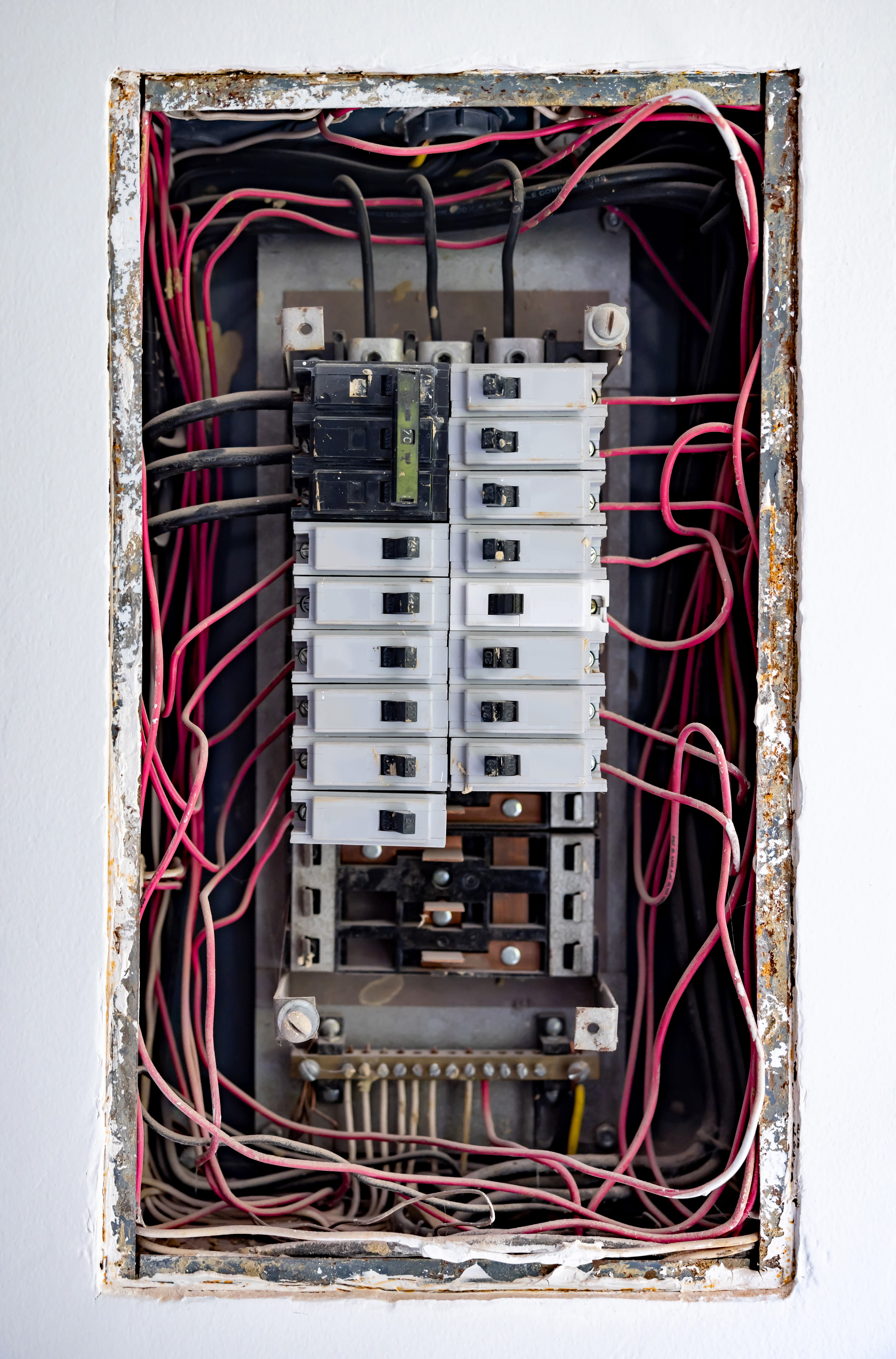
Troubleshooting Electrical Systems: A Technician’s Guide
In the technician trade, electrical troubleshooting is more than just finding a broken wire. It’s about diagnosing, solving and preventing issues that can disrupt entire systems.
Whether you’re working on residential wiring, industrial machinery or advanced smart systems, understanding how to pinpoint electrical faults is a key skill every technician must learn.
Keep reading our technician troubleshooting guide to learn about some common electrical problems and how Universal Technical Institute’s Electrical, Electronics, and Industrial Technology program can help prepare you to solve them.
Common Electrical Problems Technicians Encounter
Troubleshooting starts with recognizing the most common issues that affect electrical systems. Knowing what to look for saves time and prevents larger problems down the road.
Tripped circuits and blown fuses
One of the most frequent service calls involves circuit breakers tripping or fuses blowing. These often occur due to overloaded circuits or faulty appliances.
Voltage irregularities
Fluctuating or low voltage can damage sensitive equipment. These issues often point to poor connections, loose wiring or utility-side problems.
Short circuits and ground faults
These more serious problems can cause sparks, overheating or system failure. Technicians need to locate these faults quickly to maintain system safety.
Diagnostic Steps To Identify Issues
Effective electrical system diagnostics follow a systematic approach. The right tools and the ability to read what they reveal make all the difference.
Use of multimeters, circuit finders and insulation testers
Technicians rely on a multimeter to measure voltage, current and resistance. Circuit finders are a tool that helps locate hidden lines, while insulation testers check for breakdowns in wiring.
Interpreting wiring diagrams and fault codes
Understanding schematics and system fault codes are essential when performing electrical troubleshooting on modern electrical and electronic systems. These tools help technicians track issues from cause to symptom.
Safety Protocols During Troubleshooting
Working on live or potentially energized systems requires strict attention to safety procedures and standards. Following these protocols protects both technicians and the systems they’re servicing.
Lockout/tagout procedures
Before any diagnostic or repair work, power sources must be de-energized and clearly marked using lockout/tagout methods to avoid accidental reactivation. Lockout involves physically locking the device (like a breaker) in the “off” position with a padlock so the machine can’t be turned on. Tagout involves attaching a warning tag to indicate that it should not be operated.
PPE and safe practices during diagnostics
Technicians use personal protective equipment (PPE) such as gloves, eye protection and insulated tools. Awareness of shock risks and arc flash hazards is critical.
Tools Every Technician Needs for Troubleshooting
Having the right diagnostic tools is just as important as knowing how to use them. Today’s technicians need both traditional and tech-enabled tools.
Voltage testers, continuity meters, thermal scanners
These staples help identify live wires, check connection paths and detect overheating components before they fail.
Software tools for smart systems diagnosis
With more smart systems in use, diagnostic software is increasingly vital. It helps technicians read system data, log faults and identify issues remotely.
How UTI Teaches Real-World Troubleshooting
At UTI, students aren’t just looking at textbook examples. They’re learning how to troubleshoot real-world systems. Our technician troubleshooting guide comes to life through hands-on learning.
Hands-on labs with live fault simulation
Our labs feature actual tools and tech, giving students the chance to diagnose and repair issues just like they would in the field.
Real equipment, real diagnostic scenarios
From residential panels to commercial smart systems, students train on the same systems used by professionals across the industry.
Read more: Check out our other electrical-focused blogs here!
Next Steps Toward Pursuing a Career as an Electrical Technician
Ready to prepare to turn your problem-solving skills into a career? UTI’s Electrical, Electronics, and Industrial Technology program gives you hands-on training in electrical troubleshooting and system diagnostics.1
Enroll in the program today and take the first step toward becoming a skilled electrical technician.131
Universal Technical Institute of Illinois, Inc. is approved by the Division of Private Business and Vocational Schools of the Illinois Board of Higher Education.
Train for the Future
Imagine waking up each day excited to work in a career you’re passionate about – one where your hands-on skills make a real impact. UTI’s vocational trade school can help you gain the skills and confidence to pursue what you love.
