
Education
Community College vs. Trade School: Which Is Faster for a Career Change?
Community college vs. trade school: Which is faster? Compare training timelines and learn how Universal Technical Institute can help you get job-ready sooner.
In This Article
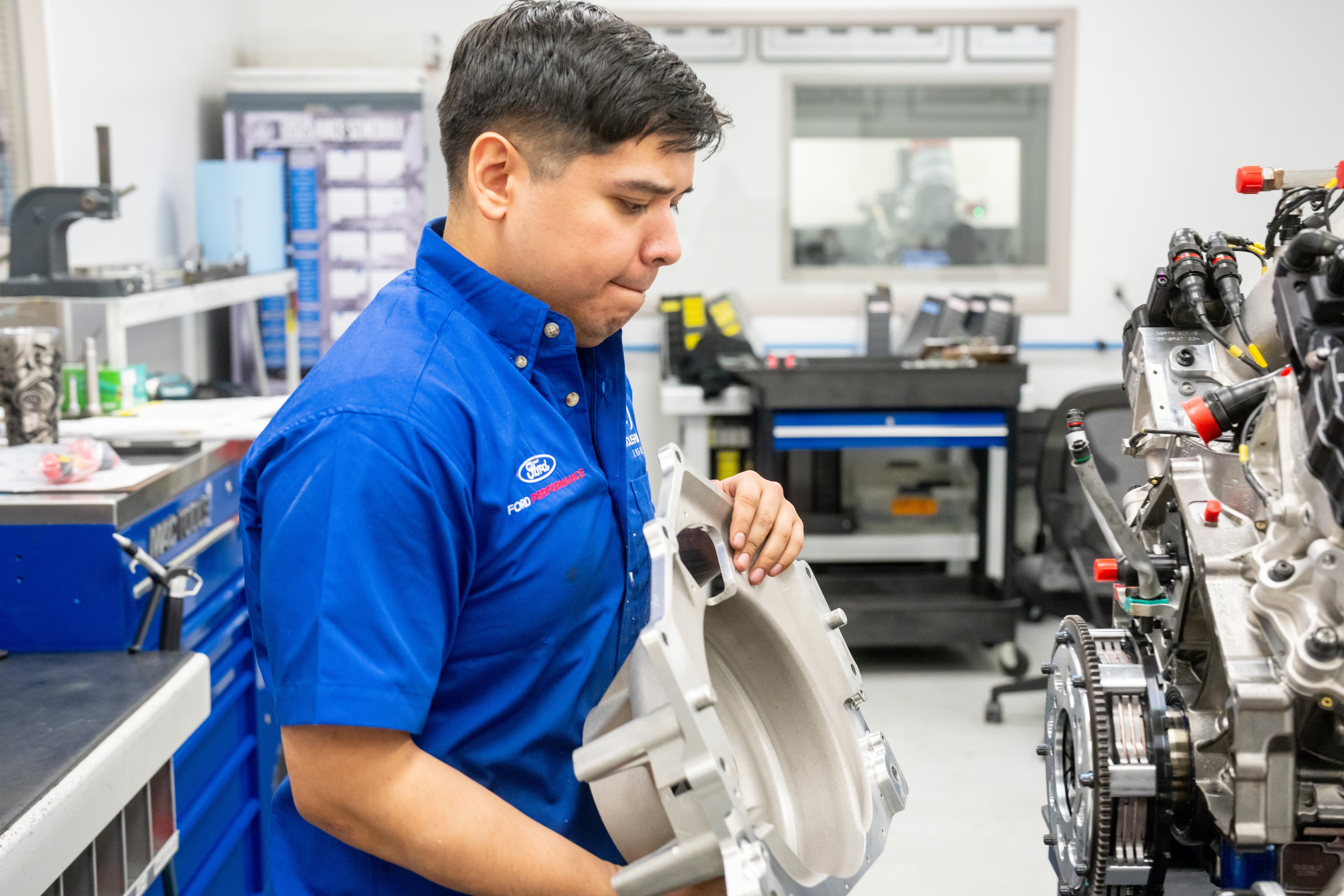
Changing careers is a big move, and time matters.
Every extra semester can mean more bills, more waiting and more “I’ll start soon.”
So, let’s talk speed. When people compare community college vs. trade school, they usually want to know one thing: How fast can I get job-ready and be ready to start earning?
This guide breaks down how each path works, what can slow you down and how Universal Technical Institute's (UTI) hands-on training programs help students train for skilled trade careers in two years or less.1,18
Why Speed Matters When Changing Careers

“Faster” is not just about finishing school. It means:
- How long training takes.
- How soon you can be prepared for entry-level work.
- A more focused career path through industry-aligned training.
- A community college associate degree is often designed to take about two years if you attend full time. Many trade school programs are built to be completed in less than two years, and some can take about a year or less.
Read: Trade School Myths Debunked: Facts for Prospective Students
Community College
Community college programs can be a good fit for many goals. You may work toward an associate degree, complete skill-based training or take classes that can transfer to a four-year school.
For career changers, one big factor is structure. Many associate degree paths include general education along with more focused courses. In California, for example, an associate degree often includes about 60-90 credit hours including general education requirements. That mix can be helpful, but it can also add time, which may be undesirable if your goal is quick job readiness.
Here are a few reasons timelines can stretch:
- Part-time enrollment due to work or family.
- Course waitlists, limited class schedules.
- Prerequisites before you can start more focused program classes.
- Changing majors after you start.
If you need broad options or plan to transfer later, community college may make sense. If your main goal is speed toward a new hands-on role, you will want to compare how direct the training path is.
Trade School

Trade school is designed for focused training tied to specific career paths. Instead of building a wide academic base, trade school programs usually center on the skills you need for a role in the field.
At UTI, our hands-on training programs are designed to be completed in less than two years, and some can be completed in a year or less.18 That can help career changers prepare to pursue roles sooner than many traditional academic paths.1
UTI also offers a blended learning model in several programs, with online instructor-led learning plus hands-on lab training. In simple terms, you learn the concept, then you practice it on real equipment.
This format can be a strong fit if you learn best by doing. It also supports a faster timeline because the training stays centered on your target job skills.
Read: Why the Skilled Trades Shortage is Creating Opportunities
Which Is Faster for You?
Ask yourself one big question first: What does “faster” mean for me? Then use these quick checks:
- Do I want a hands-on job where skill matters more than long academic study?
- Do I want a focused path toward entry-level work instead of general education classes?
- Am I planning to transfer to a four-year program later?
- Can I attend full-time or do I need a flexible schedule?
Now zoom out to support. Speed is not only about program length. It’s also about how much help you get while you train and when you can start applying for jobs.
Students at UTI get support with Career Services, including job leads, resume help and interview prep guidance.1 UTI also offers Housing Assistance through independent housing services for students who relocate and are looking for accommodation near campus. Financial Aid assistance, including help filling out the Free Application for Federal Student Aid (FAFSA) to determine eligibility for scholarships and grants, is available to students.10
Community College vs. Trade School FAQs
1) Is community college vs. trade school faster for a career change?
Trade school programs are often designed to be completed in under two years, with some taking a year or less. Community college timelines can be longer depending on general education requirements and whether you attend part-time.
2) What is the main difference between trade school vs. community college?
Trade school focuses on job-specific training for hands-on roles. Community college often includes general education studies along with technical classes or transfer-focused coursework.
3) What does skill-based training mean?
Skill-based training teaches you the practical skills used in a specific job, like diagnostics, repair or installation. The goal is to prepare graduates for entry-level work with training that matches real tasks.
4) Can trade school prepare you for technician jobs without experience?
Yes. Many trade school programs are built to start with the basics and build step by step. Hands-on labs help students practice skills before they apply for entry-level technician jobs.
5) What questions should I ask before choosing a program?
Ask how long the program takes, what hands-on training is included and what jobs it prepares you for. Also, ask about career services and financial aid options for those who qualify.

Skill-Based Training for a Hands-On Career
If your goal is a faster path toward a hands-on career, trade school may be the better match. Universal Technical Institute offers training in fields like automotive, diesel, welding, HVACR and more, with programs designed to be completed in less than two years and some in under a year.
Want to compare your options with a real timeline? Speak with an Admissions Representative to talk through programs, start dates and what a faster career change could look like for you. Call 1-800-834-7308 or request information online.
Ready to get started? Apply now for hands-on training.
Universal Technical Institute of Illinois, Inc. is approved by the Division of Private Business and Vocational Schools of the Illinois Board of Higher Education.
Train for the Future
Imagine waking up each day excited to work in a career you’re passionate about – one where your hands-on skills make a real impact. UTI’s vocational trade school can help you gain the skills and confidence to pursue what you love.
