
Education
Why the Skilled Trades Shortage is Creating Opportunities
A nationwide skilled trades shortage means demand, competitive pay and job security. Here's how you can train for a trade career with UTI today.
In This Article
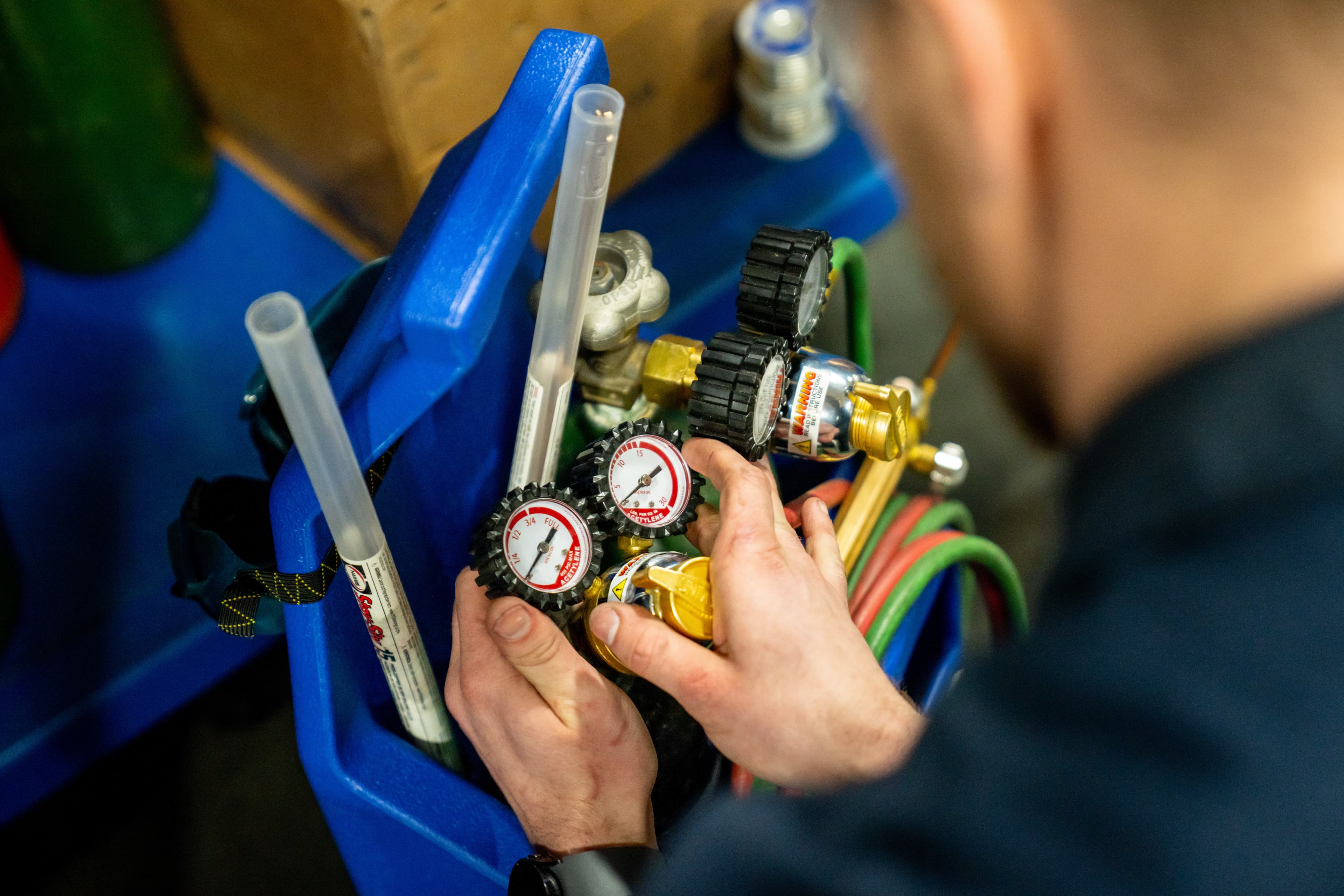
America is facing a shortage of skilled trade workers. That means there aren’t enough trained professionals to meet the growing needs in industries like automotive, diesel, welding, HVACR and more.
At Universal Technical Institute (UTI), students can train in hands-on programs designed with industry input to help prepare them for entry-level roles in these in-demand careers after graduation.1,18 With campuses across the country and a focus on practical, career-aligned training, UTI helps students build skills that employers value.
For students, career changers and military service members moving into civilian life, this shortage is creating opportunities for qualified candidates to enter essential fields. Keep reading to learn more.
What’s Causing the Skilled Trades Shortage in America?
Several factors are fueling today’s shortage:
- An aging workforce: Many experienced tradespeople are retiring, leaving behind large numbers of open roles. According to the U.S. Bureau of Labor Statistics, millions of jobs will need to be filled in the coming years due to retirements and industry growth.
- Fewer young people entering trades: In recent decades, more students were encouraged to pursue four-year colleges instead of trade schools, leading to fewer new workers in these fields.
- Misconceptions about trade careers: Some assume trade jobs don’t provide stability or growth, but many trades require training that takes less time than a traditional degree and can lead to rewarding career paths.
- Industry growth: New technologies — like electric vehicles, renewable energy and advanced HVAC systems — are expanding opportunities.
The shortage isn’t just about older workers retiring. It’s also tied to industries developing faster than training programs can supply talent, which has made skilled trades even more important.
How the Shortage Is Impacting the Job Market
The shortage is reshaping the job market in several ways:
- Job openings: Employers in automotive, diesel, welding, HVACR and other fields are actively hiring and seeking new talent.
- Employer outreach: Companies are connecting with students earlier and working to build strong pipelines of skilled graduates.
- Essential roles: Trades are considered essential services. Even during slow economic times, industries like transportation, construction and HVACR still rely on skilled professionals.
For those interested in entering the trades, the combination of job openings and employer competition makes it a good time to train for a career path in these fields.
Why This Is a Good Opportunity for the Next Generation
For young adults, recent graduates and veterans, this shortage highlights important benefits of pursuing a trade, including:
- Faster paths to pursuing careers: Many trade programs can be completed in under two years, allowing graduates to pursue work sooner compared to traditional four-year degrees.
- Demand: Because skilled trades are needed across the country, trained workers may find opportunities in different locations.
- Specialization and growth: From advanced welding to electric vehicle technology, trades offer areas where students can continue learning and developing.
- Impactful work: Skilled trades support daily life — keeping vehicles running, homes comfortable and supply chains moving.
McKinsey has noted that the U.S. economy depends heavily on a steady supply of skilled tradespeople. For those preparing to enter the workforce, this creates meaningful opportunities to step into in-demand roles.
How UTI Prepares Graduates To Fill In-Demand Roles
UTI’s programs are built with input from leading employers such as Ford, Cummins, Peterbilt and BMW, which means students can learn skills that reflect real industry needs. Training takes place with the same kinds of tools and equipment used in the field, so students can practice in an environment that feels close to the workplace.
Many programs also prepare students to pursue certifications valued by employers, which can help demonstrate skills and knowledge. Alongside technical training, UTI offers career services support to help students and graduates connect with employers nationwide. While UTI cannot guarantee employment, these services provide guidance, resources and connections that can be valuable during the job search process.
With campuses across the country, housing support and financial aid for those who qualify,10 UTI makes training in a skilled trade accessible for many kinds of students. Programs are structured to support students as they prepare to move from the classroom into the workforce.
Step Into Career Prep With UTI
The skilled trades shortage highlights the importance of preparing for careers that are essential to communities and industries. If you’re interested in an automotive, diesel, welding, HVACR, CNC machining or robotics career, UTI offers programs designed to help students build the skills they need for entry-level roles after graduation.
If you’re ready to learn more about how training could open the door to opportunities in the trades, explore your options at UTI.
To take the first step, apply now and get started on your journey!
Sources
Universal Technical Institute of Illinois, Inc. is approved by the Division of Private Business and Vocational Schools of the Illinois Board of Higher Education.
Train for the Future
Imagine waking up each day excited to work in a career you’re passionate about – one where your hands-on skills make a real impact. UTI’s vocational trade school can help you gain the skills and confidence to pursue what you love.
