
Wind Turbine
The Most In-Demand Skills for Wind Turbine Technicians in 2026
Discover the essential skills and training wind turbine technicians need to launch a successful career in 2026’s competitive renewable energy sector.
In This Article
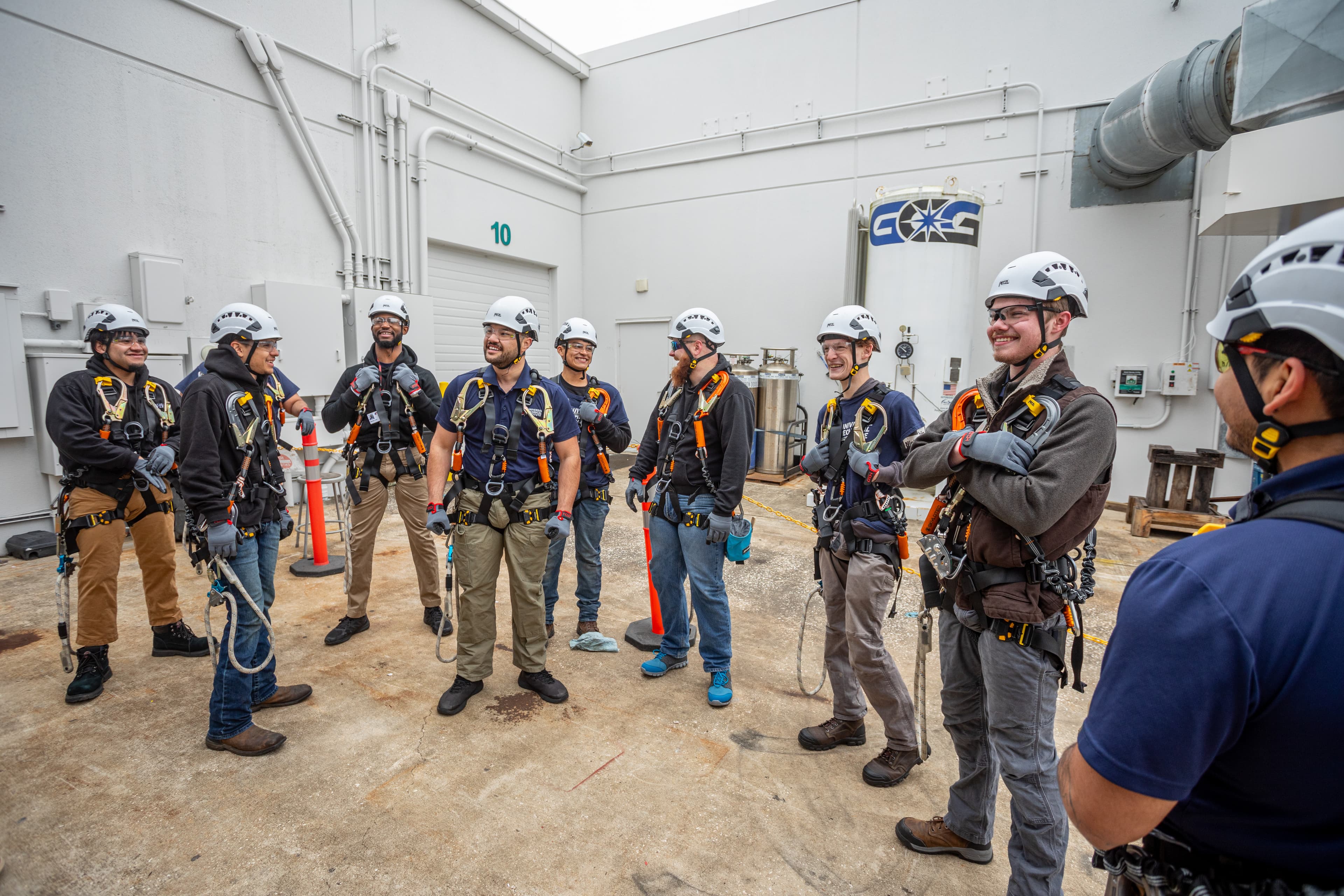
Renewable energy isn’t slowing down and wind turbine technicians are at the center of keeping today’s turbines running and tomorrow’s power on.
If you’re exploring a future in the wind industry, whether you're a recent high school graduate, a career changer or transitioning out of the military, understanding the skills employers value most can help you prepare for a strong start.
Keep reading to learn in-demand wind turbine technician skills for 2026, the technologies shaping the field, and how wind turbine trade school training at institutions like the Universal Technical Institute (UTI) Wind Turbine Technician program can support your path forward.1
Why Wind Turbine Technicians Are in Demand
Wind energy continues to be one of the fastest-growing renewable energy sectors in the United States. According to the U.S. Bureau of Labor Statistics, wind turbine service technician is one of the fastest-growing occupations in the U.S. as more wind farms are built and existing turbines require ongoing maintenance and upgrades.63
Additional factors contributing to the demand include:
- Rapid expansion of renewable energy as states aim to meet clean energy goals.
- Increasing turbine size and complexity, requiring specialized training and more-skilled technicians.
- The need for ongoing maintenance, repairs, inspections and system upgrades across the lifecycle of each turbine.
As the workforce grows, trained technicians with the right combination of technical, safety and problem-solving skills will be highly valued by employers.
Essential Technical Skills for Wind Turbine Technicians
Wind turbine technicians work with mechanical systems, electrical components, hydraulics and advanced diagnostic tools. Below are the key skills that will matter most in 2026.
Mechanical proficiency
Wind turbines rely heavily on mechanical components such as gearboxes, brakes, bearings and shafts. Technicians must understand how these systems operate and how to maintain them. Mechanical skills help with tasks like routine inspections, component replacements, torquing bolts to spec and performing mechanical alignments.
Electrical expertise
Modern turbines depend on sophisticated electrical systems, including generators, converters, transformers and control circuits. Technicians must understand wiring, schematics, electrical testing tools and lockout/tagout procedures. Strong electrical knowledge supports troubleshooting and ensures safe work at height.
Hydraulic systems knowledge
Hydraulics are commonly used in braking systems, pitch control systems and yaw mechanisms. Understanding hydraulic pumps, valves, fluid characteristics and maintenance procedures is key to keeping turbines running efficiently.
Maintenance software competency
Digital reporting, maintenance tracking and turbine performance monitoring are now standard in the industry. Technicians often use specialized software platforms to log inspections, review alerts, track components and follow digital work instructions. Familiarity with maintenance software can streamline workflow and support predictive maintenance strategies.
Drone and camera inspection skills
Drone-based inspections are becoming a major efficiency tool in wind energy. Technicians may be trained to use drone technology to inspect blades, identify structural abnormalities and detect wear without climbing every turbine. This reduces risk and improves accuracy.
Safety awareness and high-altitude preparedness
Wind turbine technicians regularly climb towers that can exceed 300 feet, so safety skills are critical. Employers look for candidates who understand fall protection, confined space awareness, first aid, rescue techniques and OSHA-compliant procedures. Having strong physical endurance and comfort while working at height is also essential.
Troubleshooting and diagnostic skills
Wind turbines contain mechanical, electrical and digital systems that must work together. Technicians rely on diagnostic tools, sensor data, schematics and hands-on testing to pinpoint issues quickly. The ability to identify and resolve problems under pressure is highly valued in the field.
Teamwork and communication abilities
Technicians rarely work alone. Clear communication with teammates, site managers and turbine operators ensures safe and efficient operations. Technicians document tasks, explain findings and follow structured protocols — making communication skills just as important as technical ones.
These skills are built through focused training, and UTI’s wind turbine technician courses are designed to help students practice them in labs that resemble real-world environments. From electrical theory to climb and rescue training, each course supports the hands-on abilities employers look for.
The Role of Emerging Technologies in Wind Energy Careers
As wind energy technology evolves, technicians must be prepared to adapt. Key trends shaping the field in 2026 include:
Predictive maintenance with AI and data analytics
AI-powered monitoring systems can identify issues before they become failures. Technicians use sensor data and analytics platforms to track component health, vibration patterns, electrical output and environmental impacts.
Growth of offshore wind and larger, more advanced turbines
Offshore wind projects are expanding across the U.S., particularly along the East Coast. Offshore turbines are significantly larger and require advanced training, specialized climbing skills and additional safety knowledge.
Continuous learning and technological adaptation
As turbines evolve, technicians must stay current with new tools, updated components, advanced control systems and emerging inspection techniques. A strong foundation in training helps technicians adapt to these industry changes.
Prepare for a Wind Energy Career With UTI
If you’re ready to build the skills needed for a future-focused career, UTI’s Wind Turbine Technician training program provides hands-on instruction in mechanical systems, electrical troubleshooting, hydraulic operations, climbing safety and digital diagnostic tools. Students train on industry-relevant equipment with guidance from experienced instructors.
UTI offers:
- Hands-on labs guided by industry professionals.
- Training in electrical, mechanical and hydraulic systems.
- Safety and climbing instruction.
- Exposure to maintenance software and diagnostic tools.
- Career support resources for students and graduates.
Whether you're starting your first career or transitioning from military service, wind energy offers a clear path toward a meaningful, technology-driven future.
Take the next step and apply today!
Sources
Universal Technical Institute of Illinois, Inc. is approved by the Division of Private Business and Vocational Schools of the Illinois Board of Higher Education.
Train for the Future
Imagine waking up each day excited to work in a career you’re passionate about – one where your hands-on skills make a real impact. UTI’s vocational trade school can help you gain the skills and confidence to pursue what you love.
