
Wind Turbine
Solar Technician: How To Become One
Discover how enrolling in the Electrical & Wind Turbine Technology program can prepare you for a career in solar energy!
In This Article
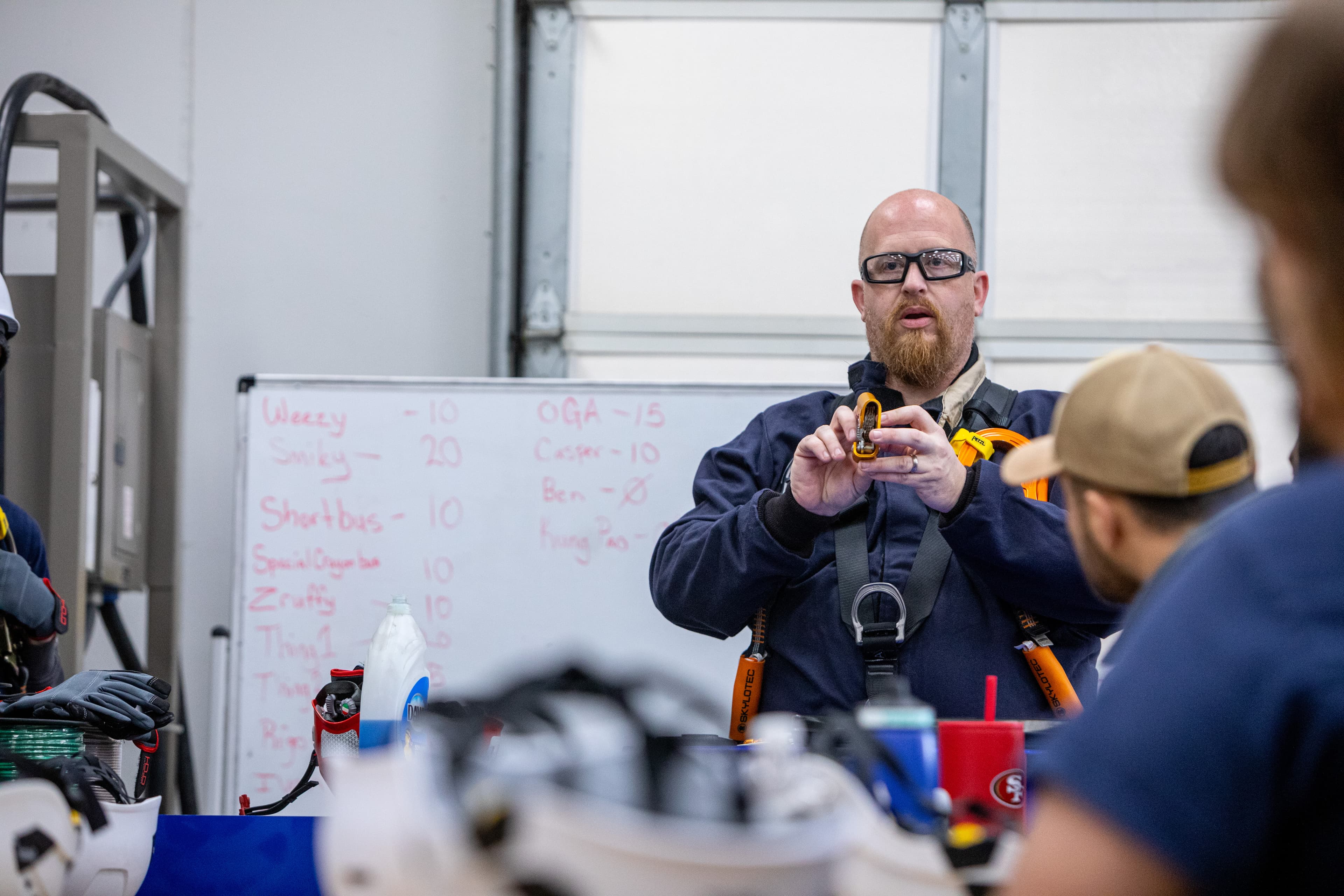
As the world continues to shift toward cleaner, renewable energy sources, solar power is more popular than ever. This growth means there’s a need for skilled workers who can install and maintain solar energy systems.
If you’re interested in electricity, enjoy hands-on work, and care about the environment, a career as a solar technician might be right for you.
Universal Technical Institute (UTI) offers an eight-month Electrical & Wind Turbine Technology program that can help you get a foundation of knowledge for the electrical field.130 While the program doesn’t prepare students for jobs as solar techs specifically, it can be a great starting place and give aspiring techs a solid education to build off.
In this guide, we’ll walk you through what a solar panel technician does, the skills you’ll need, how to get started and more.
What Is a Solar Technician?
A solar technician, also sometimes referred to known as a solar energy technician or solar panel technician, is a professional who installs, maintains and repairs systems that convert sunlight into usable energy.
These systems may include solar panels, batteries, inverters and wiring. Whether working on residential rooftops or massive solar farms, solar technicians help make solar energy a reliable and efficient power source. They often collaborate with electrician technicians to ensure systems are properly wired and compliant with local electrical codes.
The Electrical & Wind Turbine Technology program at UTI offers hands-on training for students to gain knowledge as wind turbine technician. Courses cover topics like electrical wiring, wind turbine components and renewable energy and control devices.
What Are the Key Responsibilities of a Solar Technician?
Solar power technicians perform a wide variety of tasks to ensure solar systems work efficiently and safely. These responsibilities span from installation to ongoing maintenance and repairs.
Installation of solar panels
One of the most important roles of solar technicians is installing solar panels. This can involve everything from mounting panels on rooftops or the ground to connecting them with electrical wiring, batteries and inverters. Precision and safety are key, as these systems need to function properly under long-term exposure to the elements.
Maintenance of solar arrays
Once installed, solar systems need regular maintenance. This includes cleaning panels to remove dirt and debris, checking for wear or corrosion, and ensuring the entire system continues to function efficiently.
Repairing of solar arrays
When parts of a system malfunction, a solar panel technician steps in to diagnose and fix the issue. This helps maximize the system’s output and ensure user safety.
Testing of photovoltaic (PV) systems
Solar energy technicians routinely test PV systems to confirm they’re producing the correct voltage and current. This ensures that all components are working correctly and that the system complies with safety and performance standards.
3 Types of Solar Energy Technicians
Depending on the job site and system size, solar technicians may specialize in one of the following areas:
Residential solar technician
These technicians install solar panels on the rooftops of homes, helping homeowners reduce their electricity bills and carbon footprint. They often work in tight spaces and must be comfortable climbing ladders and working at heights.
Community solar technician
This role involves building and maintaining solar farms that supply energy to entire neighborhoods. These systems provide clean energy to homeowners, renters and local businesses who may not be able to install panels themselves.
Utility-scale solar technician
These professionals work on large solar installations that produce one to five megawatts (MW) of power or more. They’re part of large construction teams and are responsible for setting up expansive arrays that feed directly into the power grid.
How To Become a Solar Power Technician
If you’re ready to step into this exciting field, here are some steps you can take to prepare yourself for a career as a solar power technician:
Step 1: Meet basic requirements
It helps when starting on your career path to have the fundamentals out of the way, which means getting your high school diploma or GED certificate. On top of that, simply having the ambition and the desire to work in a hands-on field can help set you up for success!
Step 2: Enroll in and complete the Electrical & Wind Turbine Technology program
As we’ve mentioned before, UTI’s Electrical & Wind Turbine Technology program provides foundational skills that can help students prepare for careers in the electrical field wind energy field and eventually, with hard work and experience, a career as a solar energy technician.77 Students learn essential electrical theory, circuit design and how to work with industrial power systems, knowledge that’s directly applicable to solar installation and maintenance.
Step 3: Apply for jobs in the industry
After completing your training, you’ll be ready to enter the workforce. Even if you have no prior solar experience, the Electrical & Wind Turbine Technology program equips graduates with the technical knowledge and hands-on practice employers look for. While you may start out working in entry-level roles like an electrician’s assistant or electrical technician wind turbine technician or installation technician, you could build upon your knowledge to eventually work in the solar industry.
Prepare for a Career in Solar Energy With UTI
By enrolling in the Electrical & Wind Turbine Technology program at Universal Technical Institute, you can build a solid foundation in electrical systems and prepare for a career in a variety of industries, including solar. Whether you're aiming to work on rooftops, in the field or on massive solar farms, your journey can start today.
Take the first step. Learn more or enroll now.
Universal Technical Institute of Illinois, Inc. is approved by the Division of Private Business and Vocational Schools of the Illinois Board of Higher Education.
Train for the Future
Imagine waking up each day excited to work in a career you’re passionate about – one where your hands-on skills make a real impact. UTI’s vocational trade school can help you gain the skills and confidence to pursue what you love.
