
Welding
How Long Does It Take To Become a Professional Welder?
Learn how long it takes to become a professional welder, compare training paths, explore certifications and discover what to expect on your career journey.
In This Article
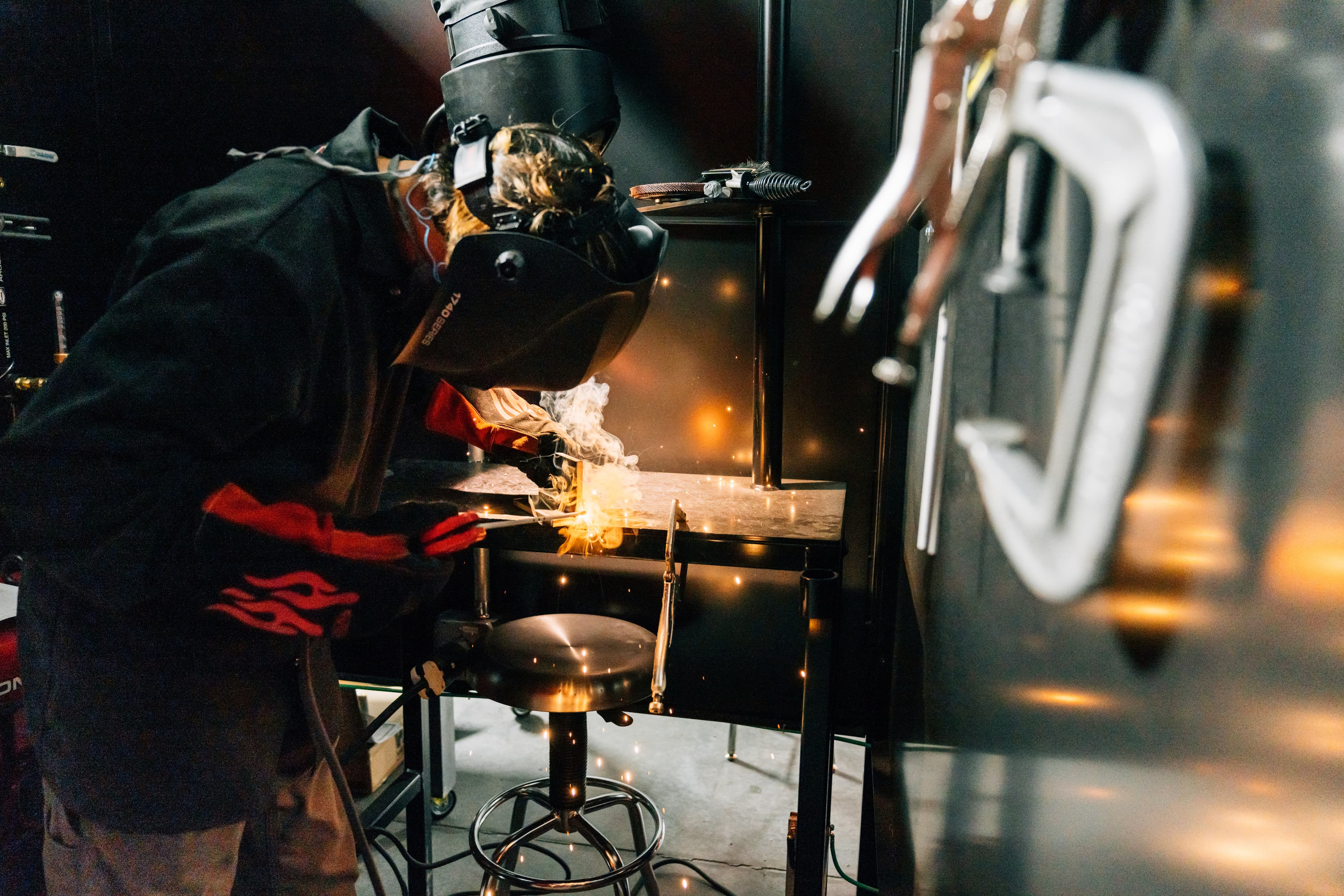
If you're interested in a career in welding, you’re probably wondering, “How long does it take to become a professional welder?”
The answer depends on the path you choose, your career goals and the type of welding work you'd like to pursue. A common path that many people take is completing a welding training program before pursuing entry-level welding role. Others may decide to pursue an apprenticeship.
Whether you're looking for the fastest route toward the workforce or planning for a long-term career, understanding the typical timeline can help you choose the path that's right for you.
What does “professional welder” mean?
A professional welder is someone who performs welding as part of their occupation while meeting the quality, safety and performance standards expected by employers.
In general, you’re considered a professional welder once you’re paid to perform welding as your job, even if you’re just starting out.
Professional development continues throughout a career as welders gain experience, earn additional certifications and expand into specialized industries.
Typical Welding Training Timelines
Whether you attend a trade school, enroll in a community college program or pursue an apprenticeship, each option offers a different timeline and learning experience.
Trade school programs
Many students choose to enroll in welding school because it offers focused, hands-on training designed to prepare graduates for entry-level positions.
Programs vary by school. Universal Technical Institute’s Welding program, for example, only takes 9-10 months to complete and is offered at 15 campuses across the country.1
Students in the Welding program are trained in the four main arc welding processes:
- Shielded Metal Arc Welding (SMAW)
- Gas Metal Arc Welding (GMAW/MIG)
- Flux-Cored Arc Welding (FCAW)
- Gas Tungsten Arc Welding (GTAW/TIG)
The program also emphasizes understanding the safe use of welding equipment, welding in different techniques and pipe welding in key positions.
Community college
Community colleges often offer welding certificates or associate degree programs.
Certificate programs may take around one year, while associate degree programs typically require about two years of full-time study and may include additional general education coursework.
This option may appeal to students who want broader academic experience alongside technical training.
Apprenticeship
A welding apprenticeship combines paid, on-the-job training with classroom instruction, allowing apprentices to earn a paycheck while developing their skills. Most apprenticeship programs take three to four years to complete, though the exact timeline varies by employer, union and program requirements.
Steps To Becoming a Professional Welder
Step 1: Research options and choose a path
Before enrolling, consider:
- Your career goals.
- Desired training length.
- Training format.
- Available equipment and labs.
- Extra services (like career assistance, financial aid).
Some students choose a trade school welding program for accelerated training, while others pursue apprenticeships or community college programs.
Step 2: Complete formal training
Most welding training programs, like UTI’s Welding program, combine classroom instruction with extensive hands-on practice.
Because welding is a skilled trade, practical experience is an important part of developing confidence and technique. Welding processes, workplace safety and more are emphasized in welding training programs – whether at a trade school or community college.
Step 3: Apply to an entry-level role and continue development
After you graduate from a program or finish an apprenticeship, you’ll be qualified for an entry-level role in the industry. As you progress, you’ll continue honing your skills on the job and gain experience that can be beneficial to you and your career path.1
Step 4: Pursue certifications
While certifications are not required to work as a welder in the industry, earning welding certifications can help you become recognized as a professional welder more quickly and make you more valuable to employers. UTI’s welding school helps students prepare for testing for welding certifications.
Welding Certifications
Earning welding certifications can help demonstrate your knowledge and skills to employers while helping open the door to new career opportunities as a professional welder. Although certification requirements vary by employer and industry, many companies prefer welders to hold certifications that verify they can perform specific welding procedures safely and meet established quality standards.
One of the most widely recognized organizations offering welding certifications is the American Welding Society. They offer many kinds of welding certifications, including the Certified Welder Program, which evaluates a welder's ability to complete specific welding procedures used in industries such as structural steel, pipelines and sheet metal.
Because the test measures real-world welding skills rather than classroom knowledge alone, many welders pursue this certification after completing formal training or gaining hands-on experience.
Professional Welder FAQS
How can I prepare for a welding career?
You can prepare for a welding career by developing the right skills through a training program or apprenticeship. Getting time to practice welding techniques hands-on is necessary for a career in the industry.
How long until I can get an entry-level welding job?
Many graduates begin pursuing entry-level welding jobs after completing a training program, which can vary in length depending on the school. UTI’s Welding program can be completed in just 9-10 months.
How long does a welding apprenticeship last?
A typical welding apprenticeship lasts about three to four years.
Can I become a professional welder in less than a year?
Yes. Some students complete training at a welding school in less than a year and begin applying for entry-level positions. Building advanced skills and earning additional certifications continues throughout a career.
What certifications do I need, and how long do they take?
The certifications you need depend on your employer and industry – some employers may not require them. However, many welders begin with process-specific certifications and continue earning advanced credentials as they gain experience.
Take Steps Toward a Professional Welding Career
If you're ready to begin your journey toward becoming a professional welder, finding the right path for you to get training is the first step.
UTI’s Welding program can be a great way to learn hands-on welding skills that are relevant to the industry. The short timeframe means you can graduate faster and be equipped for entry-level roles in the industry.1
If a career in welding sounds like the right fit for you, reach out to one of our Admissions Reps to learn more! Or you can apply directly to the program online in just a few minutes.
Universal Technical Institute of Illinois, Inc. is approved by the Division of Private Business and Vocational Schools of the Illinois Board of Higher Education.
Train for the Future
Imagine waking up each day excited to work in a career you’re passionate about – one where your hands-on skills make a real impact. UTI’s vocational trade school can help you gain the skills and confidence to pursue what you love.
