Nascar
Turn Racing Passion Into NASCAR Mechanic Skills
Take racing beyond the stands. Learn how specialized auto mechanic training in North Carolina can teach you the skills needed to become a NASCAR technician.
In This Article
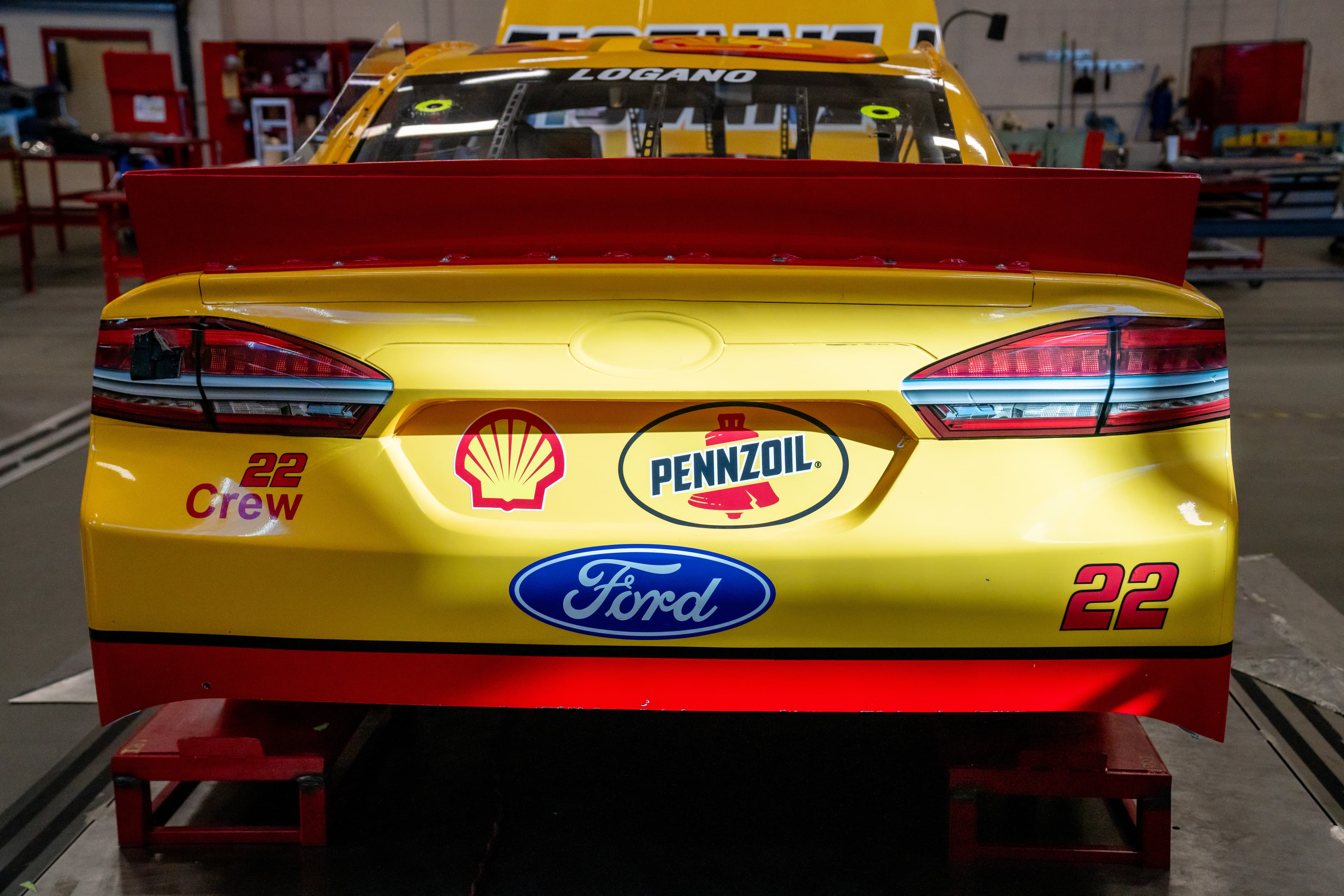
For some fans, their passion for racing is entertainment. For others, it’s career potential.
Behind every NASCAR race is a team of skilled technicians who prepare, maintain and adjust race cars under intense pressure.
Still, becoming a NASCAR technician can feel out of reach. But with the right roadmap, you can become a qualified auto mechanic with a specialized skillset — including one that could potentially get you on nationally renowned racetracks.
Read this breakdown on how racing fans can turn their passion for the sport into hands-on career skills, and how Universal Technical Institute’s (UTI) NASCAR Technician & Pit Crew Training program at our Mooresville campus can help put you on the path toward pursuing your passion.1,11,116
1. Build Core Auto Mechanic Skills

Before working on race cars, most technicians build a broad automotive skill set. NASCAR vehicles may be purpose-built for competition, but they still rely on core systems found in street vehicles.
A structured automotive education helps students learn how engines, brakes, steering, suspension, electrical systems and diagnostics work together. These skills form the base for more advanced performance work later on.
The Automotive Technology program at UTI teaches these fundamentals in hands-on labs.18 Students train with current tools and equipment while learning how to diagnose issues efficiently. This type of training helps prepare students for entry-level technician roles after graduation and creates a foundation that can be built upon for pursuing motorsports-focused paths.
At UTI, students learn how to become an auto technician, both professionally and technically, gaining confidence training with real vehicles. After completing their training, they can move into specialized racing applications in the NASCAR Technician & Pit Crew Training program.
Read: Student-Built Engines Help Fuel Success of Champion Nick Hoffman
2. Get Specialized NASCAR Motorsports Training

Once core automotive skills are established, aspiring racing professionals can begin to focus on motorsports. This is where specialization matters.
At UTI Mooresville, students can pursue NASCAR technician training that builds on general automotive education. This specialized training lasts only 15 weeks and exposes students to racing-specific components, preparation processes and performance standards used in professional motorsports.8
Students learn how race teams operate, how vehicles are prepped for competition, and how technicians support performance before, during and after race events. This layered approach helps bridge the gap between general automotive work and the demands of NASCAR environments.
For those aiming to become a NASCAR technician, this type of targeted training can provide valuable exposure to the racing industry while reinforcing technical fundamentals.
Read: UTI Grad Builds Mazda Spec MX-5 Prototype
3. Get Real Trackside Experience
NASCAR technician training is the first part of the journey. The second part involves real-world experience that helps technicians understand the pace and pressure of motorsports work.
Many professionals start by working in entry-level shop roles, volunteering with local or regional teams, or assisting with a traveling series. Others gain experience through internships or support roles that involve vehicle prep, transport or maintenance.
Building relationships is also important. Motorsports is a close-knit industry, and strong work ethic, reliability and professionalism can open doors over time. Showing up prepared, learning quickly and being willing to support the team often matters just as much as technical ability early on.
This stage is where classroom knowledge meets reality, and where skills developed through an automotive technology program training can be put into practice.

H2: NASCAR Technician Training FAQs
What does a NASCAR technician do day to day?
A NASCAR technician helps prepare race cars in the shop and supports the team during race events. Duties may include vehicle setup, inspections, maintenance and adjustments based on performance data and team feedback.
Do NASCAR technicians start in racing right away?
Most do not. Many begin with general automotive training or entry-level technician roles before moving into motorsports. Building strong fundamentals is a common first step.
Is formal training required to work in NASCAR?
While requirements vary, structured training helps technicians develop the skills teams rely on. Education combined with hands-on experience can make candidates more competitive.
Can military experience transfer to NASCAR technician roles?
Yes. Mechanical skills, discipline and teamwork developed during military service often translate well to motorsports environments. Training programs may also help veterans transition into racing-related careers.
How long does it take to prepare for a NASCAR technician career?
Timelines vary. Foundational automotive technology program training can take months, followed by specialized motorsports education and on-the-job experience. Progress depends on individual goals and opportunities.
Read: FR9 NASCAR Engines From Roush Yates Engines at UTI
Prep To Put Potential To Work With UTI's Automotive Technology Program
Turning a passion for racing into a profession takes more than interest. It requires skill, structure and ambition for complex, specialized work. Universal Technical Institute’s core Automotive Technology program, as well as the Mooresville location’s NASCAR-focused training program, are designed to help students build skills needed for in-demand auto mechanic careers after graduation.
If you want to see how training can fit into your goals, talk with an Admissions Representative today at 1-800-834-7308 or request information online. They can walk you through program options, locations and next steps.
Ready to start training? Apply now for hands-on training.18
Universal Technical Institute of Illinois, Inc. is approved by the Division of Private Business and Vocational Schools of the Illinois Board of Higher Education.
Train for the Future
Imagine waking up each day excited to work in a career you’re passionate about – one where your hands-on skills make a real impact. UTI’s vocational trade school can help you gain the skills and confidence to pursue what you love.
