
HVACR
10 Must-Have Tools Every HVAC Student Needs in 2026
10 key tools every HVAC student needs, including multimeters, manifold gauges, safety gear, software and training resources for 2026.
In This Article
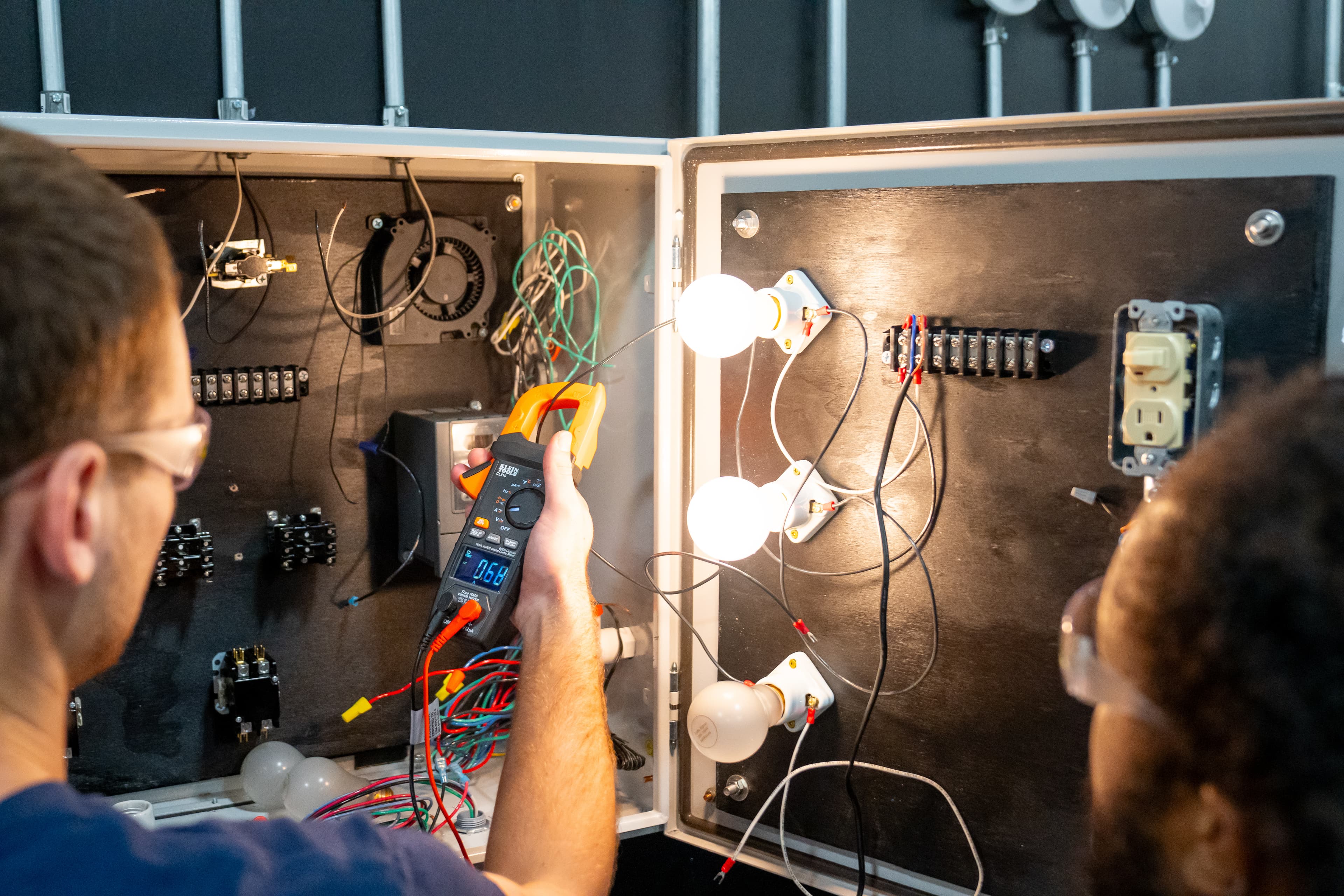
Starting an HVAC program in 2026 means getting used to more than new concepts; it means learning how to work with the tools found in labs and in entry-level roles.
Building the right HVAC student toolkit early helps make hands-on training feel more manageable and supports skill development over time.
The HVACR Technician program at Universal Technical Institute (UTI) emphasizes hands-on training with industry-aligned equipment and tools. During training, students practice using many essential HVAC tools in lab environments, focusing on skill-building before deciding which tools to purchase on their own.1
This guide breaks down the essential tools for HVAC students 2026, helping you understand what you’ll use during hands-on training and why each tool matters.
Key Points
- HVAC students use a mix of diagnostic, installation, safety and organization tools.
- Learning proper tool use early supports hands-on training and skill development.
- Some tools are essential from day one, while others become more important as skills grow.
- The right tools help students practice safely and build confidence.
HVAC Training Supplies and Tools
HVAC training requires hands-on practice with the HVAC training supplies and tools used in real professional settings. From diagnostics to installation and safety, becoming familiar with the right equipment helps students understand how systems are assembled, tested and maintained.
This HVAC tools list highlights the essential tools HVAC students commonly use during hands-on training and early-career learning. Each tool plays a role in building practical skills, reinforcing safety practices, and supporting the kind of application students encounter in labs and entry-level environments.
Digital multimeter
A digital multimeter is a handheld device used to test electrical circuits in HVAC equipment, helping ensure safe and accurate system operation. It measures voltage, current and resistance, making it one of the most important diagnostic tools HVAC students will use during training.
Students rely on multimeters to verify power, test components like motors and contactors, and troubleshoot control boards. Learning how to set ranges properly, place leads and interpret readings builds essential electrical safety and diagnostic skills.
Refrigerant scale
A refrigerant scale measures the amount of refrigerant added to or removed from an HVAC system. Accurate measurement helps prevent overcharging or undercharging, which can impact system performance and environmental safety.
For HVAC students, refrigerant scales reinforce precision and documentation habits. Proper charging techniques are often taught alongside system performance checks and component replacement procedures.
Manifold gauge set
A manifold gauge set allows HVAC students to measure and monitor refrigerant pressures within a system. Understanding pressure readings is essential for diagnosing performance issues and learning how refrigeration cycles operate under real conditions.
Students use manifold gauges to connect to service ports, read system pressures, and compare results to temperature and performance benchmarks. Proper training is essential to use these tools safely and correctly.
Thermal imaging camera
A thermal imaging camera detects heat patterns in HVAC systems, helping identify hidden issues like airflow blockages, insulation gaps or overheating electrical components.
While more advanced than basic tools, thermal imaging introduces students to modern diagnostic methods increasingly used in the field. Learning how to interpret heat patterns supports faster, non-invasive troubleshooting.
Cordless drill and impact driver
A cordless drill or impact driver is a rechargeable power tool used for drilling holes and driving fasteners during HVAC installations. These tools reduce physical strain and improve efficiency when mounting equipment or assembling components.
HVAC students frequently use drills and drivers during lab work involving ductwork, brackets and system supports.
Pipe wrench
A pipe wrench is a heavy-duty hand tool used to grip and turn pipes or fittings during HVAC installation and repair. It’s especially useful when working with threaded piping in gas, hydronic or refrigeration applications.
Students learn how to apply proper torque while protecting fittings and surrounding components.
Leak detector
A leak detector is a handheld device used to identify refrigerant leaks in HVAC systems. Detecting leaks early helps reduce energy loss and supports safe, responsible service practices.
Students use leak detectors to practice inspection techniques and understand the importance of system integrity.
Safety goggles and gloves
Safety goggles and gloves are essential personal protective equipment (PPE) for HVAC students. They help protect against debris, chemicals, sharp edges, heat and electrical hazards.
Most training environments require PPE during labs and hands-on work to reinforce safe job-site behavior from the start.
HVAC service software
HVAC service software helps manage scheduling, documentation and service records. While students may not use full production systems during training, exposure to digital workflows supports organization and professionalism.
Learning how to document work digitally prepares students for modern HVAC workplaces.
Training resources
Training resources include manuals, videos, interactive modules and guided practice materials. These resources help HVAC students reinforce lab learning and stay aligned with current equipment and techniques.
Using structured learning materials alongside hands-on practice supports long-term skill development.
Frequently Asked Questions About HVAC Tools for Students
What are the essential HVAC tools every student should have?
Most HVAC students use a combination of diagnostic tools, installation tools, safety gear and training resources. Common examples include a digital multimeter, refrigerant scale, manifold gauge set, leak detector, basic hand tools, safety goggles and gloves, and access to training materials or software used during labs.
How much should I expect to invest in HVAC tools as a student?
The cost of HVAC tools can vary depending on the brand, quality and how many tools you purchase upfront. Some students start with a small core toolkit and add tools over time as their training progresses.
Do HVAC students need to buy tools before starting training?
Tool requirements can vary by program and campus. During training, students typically use many tools in lab environments, and specific purchase recommendations are usually shared by the school.
Are safety tools required for HVAC students?
Yes. Safety equipment, such as eye protection and work gloves, is commonly required during HVAC lab work to help reduce the risk of injury and reinforce proper safety practices.
How can I take care of my HVAC tools during training?
Students can help extend the life of their tools by cleaning them after use, storing them properly, and following manufacturer guidelines for maintenance or calibration when applicable.
Start Training for an HVACR Career
Building familiarity with essential HVAC tools is an important part of preparing for hands-on training and entry-level roles.
HVACR training at UTI focuses on teaching students how to safely and effectively use the tools found in labs and real-world settings, preparing them for entry-level roles after graduation.1
Ready to take the next step toward preparing for an HVACR career? Enroll today!
Universal Technical Institute of Illinois, Inc. is approved by the Division of Private Business and Vocational Schools of the Illinois Board of Higher Education.
Train for the Future
Imagine waking up each day excited to work in a career you’re passionate about – one where your hands-on skills make a real impact. UTI’s vocational trade school can help you gain the skills and confidence to pursue what you love.
