HVACR
Education Requirements for HVACR Technicians
Learn the education requirements for HVACR technicians, from high school diploma expectations to trade school training and EPA 608 certification.
In This Article
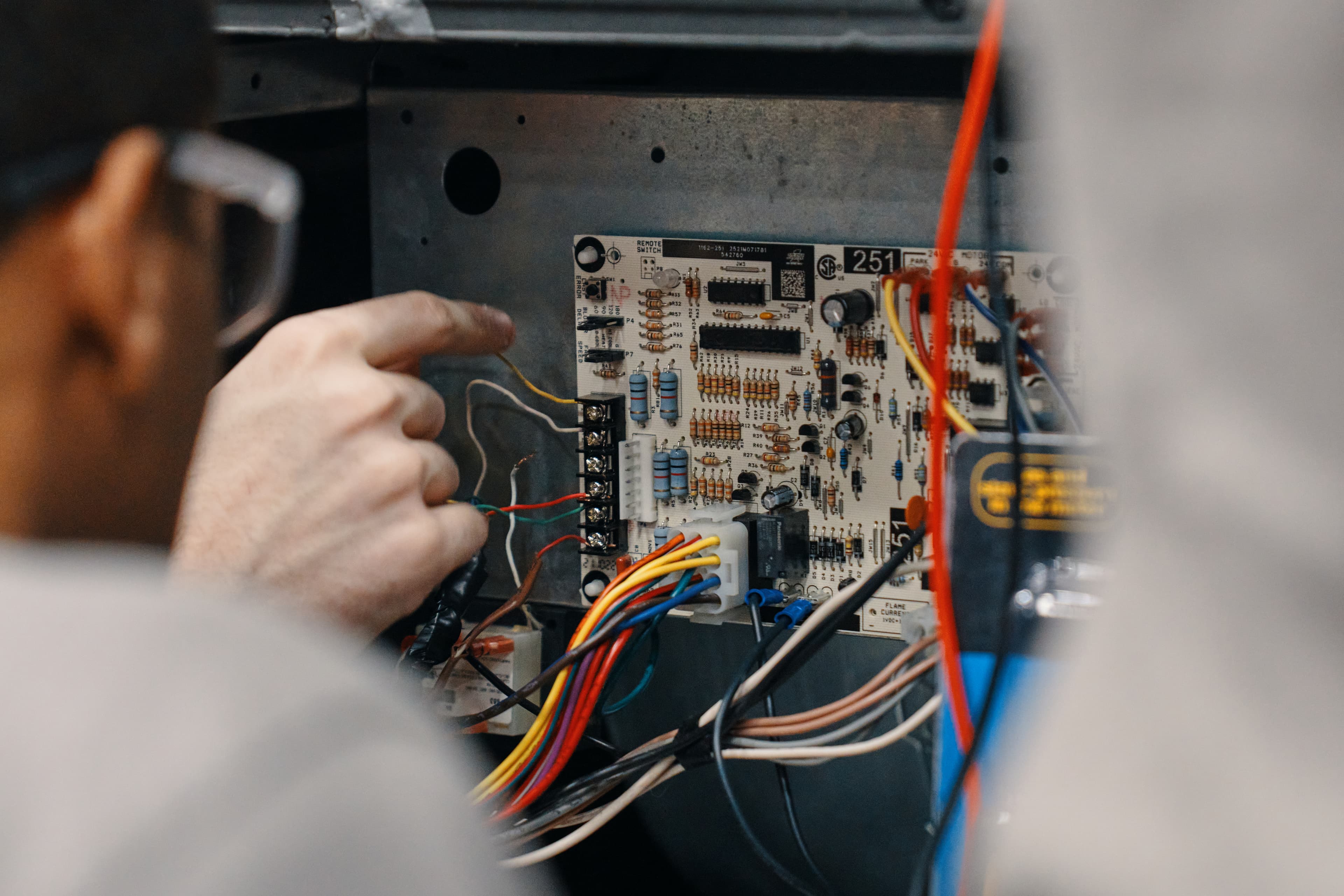
If you're interested in a hands-on career working with heating, cooling, ventilation and refrigeration systems, understanding the education requirements for HVAC technicians is an important first step.
HVACR technicians work with complex systems in both residential and commercial settings. While a four-year college degree generally isn't required to enter the field, technicians need technical knowledge, hands-on skills and, depending on the work they perform, specific certifications or licenses.
This guide breaks down the education requirements for HVACR technicians, what you can expect to learn during training and the certifications you may need along the way.
Key Takeaways
- A four-year college degree typically isn't part of the education requirements for HVAC technicians.
- Aspiring technicians may develop their skills through trade school, technical training or an apprenticeship.
- HVACR education typically covers heating, cooling, refrigeration, ventilation, electrical systems, safety and troubleshooting.
- Technicians who work with regulated refrigerants must earn the appropriate EPA Section 608 certification.
- Licensing requirements for HVACR technicians can vary by state and locality.
- UTI's HVACR Technician program can be completed in 9-10 months, depending on location.1
Do You Need a College Degree To Become an HVACR Technician?
No, you typically don't need a bachelor's degree to pursue a career as an HVACR technician. Instead, the education requirements for HVAC technician careers tend to focus on developing the technical knowledge and practical skills needed to install, maintain, diagnose and repair HVACR equipment.
Some technicians enter the industry through apprenticeships, while others attend HVACR trade school to receive focused, hands-on training.
Trade school can be particularly useful for students who want to build foundational skills before entering the workforce. Rather than spending several years completing a traditional degree, students can condense and focus their education on subjects directly related to HVACR systems and technician responsibilities.
If you're exploring the profession for the first time, learn more about how to become an HVACR technician and the steps that can help prepare you for the field.
Minimum Education Requirements for HVACR Technicians
The minimum education required for HVAC technician roles can depend on the employer, state and type of work being performed. Generally, aspiring technicians need a high school diploma or equivalent before pursuing technical training or an apprenticeship.
From there, education may include:
- Completing an HVACR trade school or technical training program.
- Participating in an apprenticeship that combines supervised work with classroom instruction.
- Preparing for and earning industry certifications required for certain responsibilities.
- Meeting applicable state or local licensing requirements.
Employers may have their own hiring requirements as well. That's why researching job postings in your area can help you understand the education requirements for HVAC technicians you're likely to encounter.
Read more: HVAC vs. HVACR: Key Differences Explained
What's Included in an HVACR Curriculum
Meeting the education requirements for HVACR careers isn't just about spending time in a classroom. HVACR technicians work with mechanical and electrical systems, so training typically covers a range of technical topics.
A comprehensive curriculum can help students develop foundational knowledge while giving them opportunities to apply what they learn in hands-on settings.
HVACR safety procedures
Safety is fundamental to HVACR work. Technicians may encounter electricity, pressurized systems, refrigerants, moving components, hot surfaces and other potential hazards.
Training can introduce students to personal protective equipment, safe tool use, electrical safety and procedures for working around HVACR equipment. Developing safe habits early can help students prepare for professional work environments.
Refrigeration fundamentals
Refrigeration is an important focus of HVAC technicians, particularly for those who may work with air conditioning or commercial refrigeration systems.
Students can learn about the refrigeration cycle and how components such as compressors, condensers, evaporators and metering devices work together to transfer heat. Understanding these principles creates a foundation for diagnosing and servicing refrigeration systems.
Heating systems
HVACR training also introduces students to equipment used to heat residential and commercial spaces.
Students may learn how furnaces and other heating systems operate, along with the components involved in combustion, heat transfer and system controls. Training can also cover inspection, maintenance and troubleshooting procedures.
Air conditioning systems
Air conditioning is another core area of HVACR education. Students can learn how cooling systems remove heat and humidity from indoor spaces and how their major components work together.
Training may cover system operation, installation principles, maintenance procedures and techniques used to identify problems within air conditioning equipment.
Electrical fundamentals for HVACR
Having basic knowledge of electrical systems is important for HVACR technicians.
Students can learn basic electrical theory, safety and principles of electric systems. Circuits, circuit protection and the National Electric Code are often covered as well. Learning about AC and DC voltage supply and their role in HVAC systems is also an important topic.
Refrigerant handling and EPA 608 exam prep
Technicians who maintain, service, repair or dispose of equipment that could release regulated refrigerants must meet federal certification requirements.
HVACR education can introduce students to proper refrigerant handling procedures, environmental regulations and concepts covered by the EPA Section 608 certification exam.
Hands-on lab training
Technical concepts become more meaningful when students have opportunities to apply them.
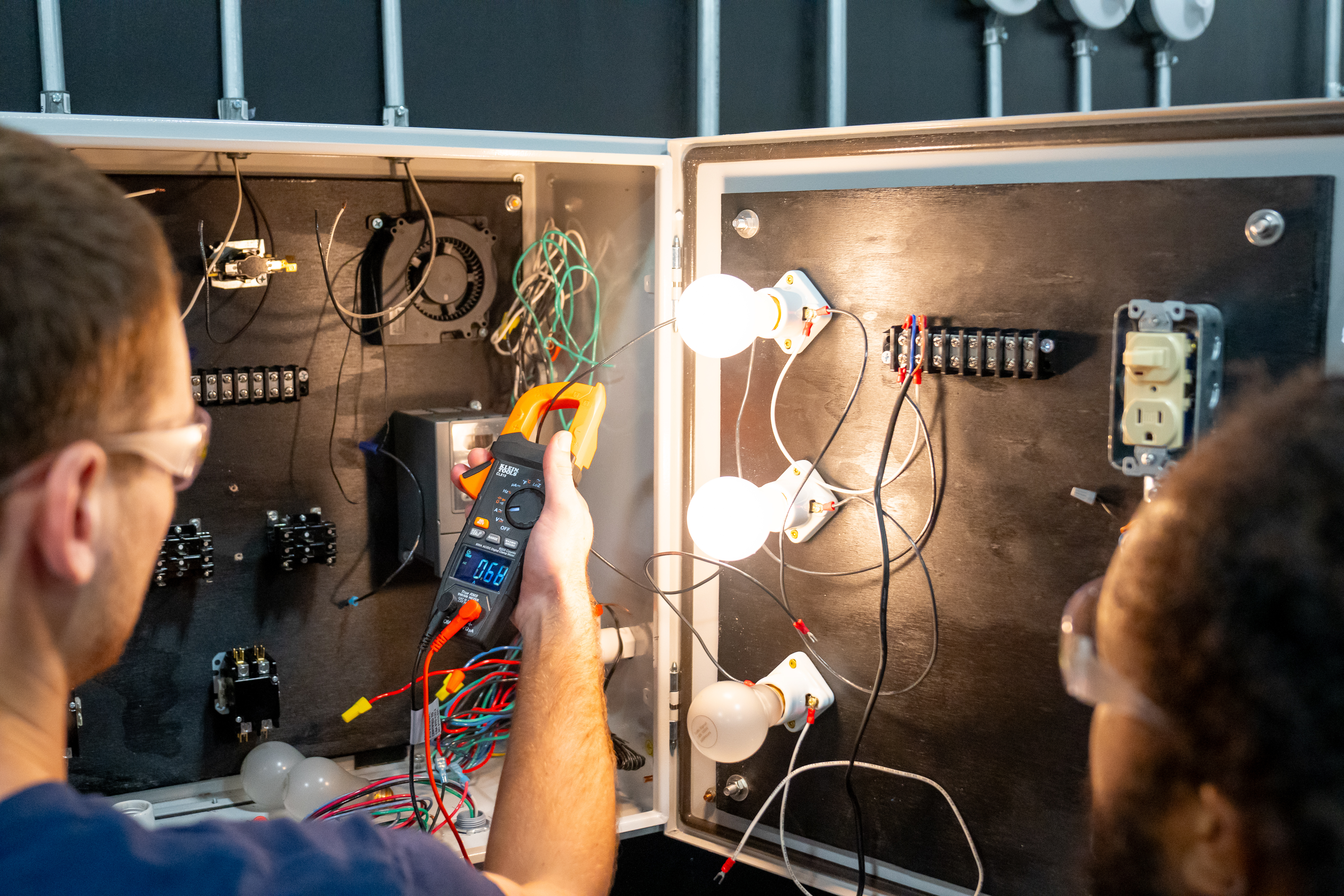
Hands-on lab training allows students to learn with tools, equipment and HVACR systems in a controlled environment. No matter what topic the student is focusing on, a key part of an HVAC program at a trade school is the hands-on lab learning.
EPA 608 certification requirement
EPA Section 608 certification is one of the most important credentials for many HVACR technicians.
Under federal regulations, technicians who maintain, service, repair or dispose of equipment that could release regulated refrigerants into the atmosphere must be certified under Section 608 of the Clean Air Act.
There are four types of Section 608 certification:
- Type I: For servicing small appliances.
- Type II: For servicing or disposing of high- or very high-pressure appliances, except small appliances and motor vehicle air conditioning systems.
- Type III: For servicing or disposing of low-pressure appliances.
- Universal: For technicians who pass the Type I, II and III exams.
EPA certification is different from state or local licensing. Depending on where you plan to work and the services you perform, additional licenses or credentials may be required.
UTI’s HVACR Technician program helps prepare students to test for the EPA Section 608 Technician Certification.
Trade School vs. Apprenticeship Paths for HVACR
There isn't just one path to meeting the education requirements for HVACR careers. Trade school and apprenticeships are two common options, and each approaches training differently.
- Trade school provides structured technical education in a classroom and lab environment. Students can learn HVACR fundamentals and practice skills before pursuing entry-level employment. Programs are also typically designed around a defined curriculum and training timeline.
- Apprenticeships generally combine paid on-the-job training with classroom instruction. Apprentices learn under experienced professionals while gradually developing their skills. These programs often take several years to complete.
The right path depends on your goals, learning preferences, available programs and how quickly you want to begin pursuing opportunities in the industry. Some technicians may also choose to complete technical school before continuing to develop their skills through employer training or an apprenticeship.
When comparing your options, consider the curriculum, hands-on training opportunities, program length, cost and connections to employers.
How Long Does HVACR Education Take?
How long it takes to complete HVACR training depends largely on the training path you choose.
Trade school programs can often be completed in less time than traditional college programs. UTI's HVACR Technician program can be completed in 9-10 months, depending on location.
Apprenticeships generally take longer because they combine classroom education with extensive on-the-job training. Their length can vary depending on the program and sponsoring organization.
Keep in mind that completing your initial education doesn't mean learning stops once you enter the field. HVACR technology continues to evolve, and technicians may pursue additional certifications or specialized skills throughout their careers.
If you're researching where HVACR training can lead, explore different HVACR careers and the types of roles found within the industry.
Frequently Asked Questions
What education is required to become an HVAC technician?
The education required for HVAC technician careers varies by employer and location. Generally, aspiring technicians need a high school diploma or equivalent and technical knowledge of heating, cooling, ventilation, refrigeration and electrical systems.
Many people build these skills through trade school, technical education or an apprenticeship. Certification or licensing may also be required depending on the technician's responsibilities and location.
Do you need a college degree to work as an HVAC technician?
A four-year college degree typically isn't required to work as an HVACR technician. The education requirements for HVACR careers are more commonly met through technical training, trade school or an apprenticeship.
Employers may establish their own requirements, so it's important to research positions in your area.
How long does HVAC technician training take?
Training time depends on the educational path. Some technical programs, like the one offered at UTI, can be completed in less than a year, while apprenticeships typically take several years.
What certifications or licenses do HVAC technicians need?
Certification and licensing requirements depend on the work being performed and where the technician works.
EPA Section 608 certification is federally required for technicians who maintain, service, repair or dispose of equipment that could release regulated refrigerants.
Technicians can also pursue voluntary industry certifications as they gain experience. Researching the requirements in your state can help you determine which credentials may apply to your career goals.
Can you become an HVAC technician without attending trade school?
Yes. Trade school isn't the only way to become an HVACR technician. Some aspiring technicians enter the industry through apprenticeships or employer-sponsored training.
However, trade school can provide structured instruction and hands-on training before entering the workforce. For students who learn best through a combination of classroom education and practical lab learning, technical training can provide a focused way to build foundational HVACR skills in a shorter amount of time than other avenues.
Start Your HVACR Education at UTI
If you're ready to start building the skills used in heating, ventilation, air conditioning and refrigeration, UTI can help you take the next step.
UTI's HVACR trade school provides hands-on training designed to help students build foundational skills needed for entry-level opportunities in the industry.1
Request information today to learn more about how you can graduate in less than a year.
Universal Technical Institute of Illinois, Inc. is approved by the Division of Private Business and Vocational Schools of the Illinois Board of Higher Education.
Train for the Future
Imagine waking up each day excited to work in a career you’re passionate about – one where your hands-on skills make a real impact. UTI’s vocational trade school can help you gain the skills and confidence to pursue what you love.
