
HVACR
What Jobs Can I Get After HVAC Training?
Explore HVAC careers you can pursue after training - from entry-level technician roles to advanced positions. See job titles, salaries and paths at UTI.
In This Article
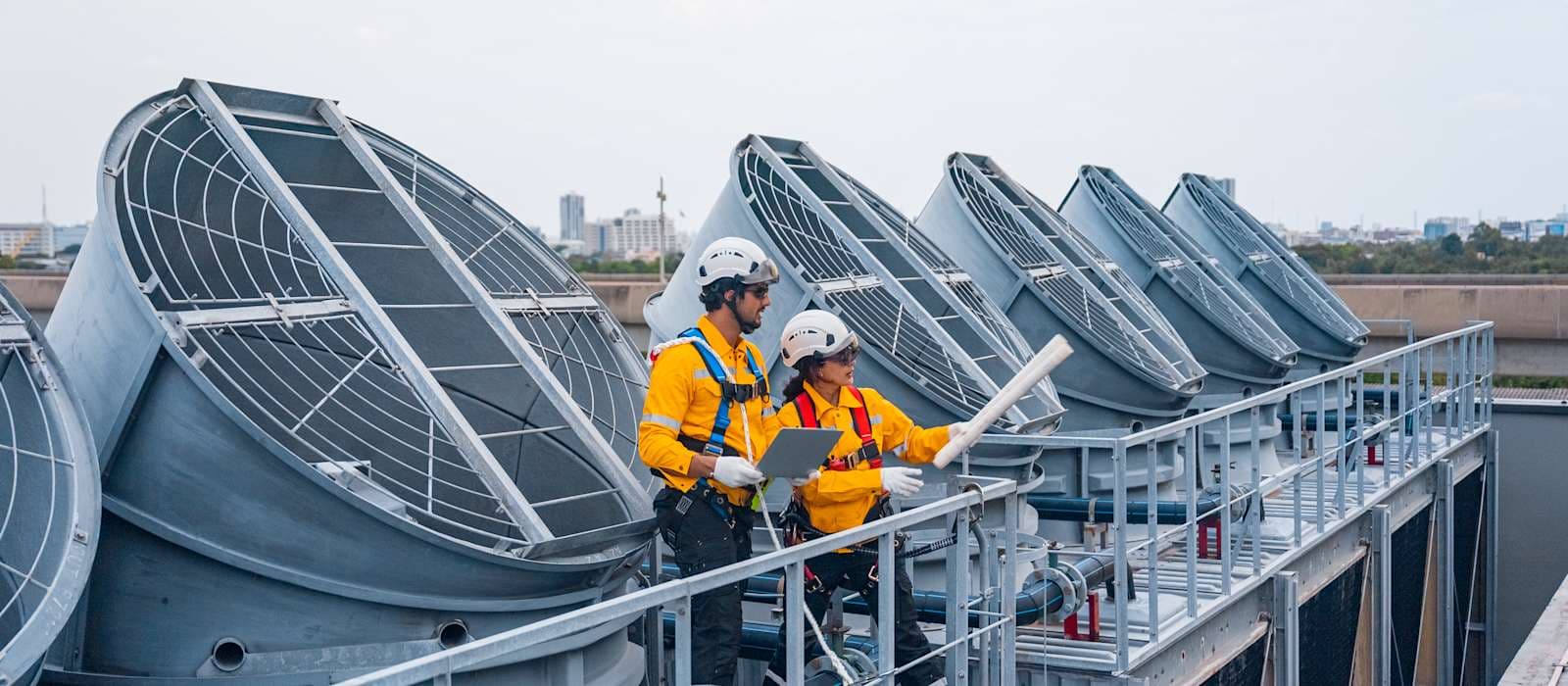
If you're interested in working with heating, ventilation, air conditioning and refrigeration systems, completing HVAC training can open the door to a variety of career paths. From installing residential equipment to troubleshooting complex commercial systems, HVAC technicians help keep homes, businesses and industrial facilities comfortable and operational year-round.
Your exact career path will depend on factors like your experience, employer, certifications and local job market. However, most trade school graduates, including those who complete UTI’s HVACR Technician program, begin in entry-level technician roles and build specialized skills over time.1
Keep reading for a closer look at some of the jobs you could pursue after HVAC training and how your career path may progress with time and experience.
HVAC Career Overview
One of the advantages of an HVAC career path is the opportunity to continue developing your skills throughout your career. Many professionals start with foundational technical roles before moving into specialized or leadership positions as they gain experience.
Grads from UTI’s HVACR Technician program are prepared to pursue entry-level roles. As with any industry, over time, technicians may be able to advance in their careers with experience and hard work. These roles include:77
Entry-level HVAC careers
- HVACR technician: Install, maintain and repair heating, ventilation, air conditioning and refrigeration systems.
- Installation technician: Install new HVAC equipment in residential or commercial settings.
- Refrigeration technician: Service refrigeration systems used in restaurants, grocery stores, warehouses and other facilities.
These positions help technicians develop hands-on experience with equipment, troubleshooting and customer service.
Advanced HVAC careers
- A/C tech: Specializes in installing, maintaining and repairing air conditioning systems for residential or commercial customers.
- HVAC specialist: Focuses on diagnosing, servicing and optimizing heating, ventilation, air conditioning and refrigeration systems.
- Refrigeration operator: Monitors and maintains refrigeration equipment to help ensure systems operate safely and efficiently.
- Residential contractor: May oversee HVAC installation and service projects while managing customer relationships and business operations.
- Commercial service manager: Supervises HVAC service teams, coordinates projects and helps ensure customer work is completed efficiently.
- Facilities manager: Oversees the maintenance and operation of building systems, including HVAC equipment, to support day-to-day operations.
- Code inspector: Reviews HVAC installations to help verify they meet applicable building codes and safety standards.
- Mechanical engineer: May design, improve or evaluate HVAC systems and other mechanical equipment for buildings or industrial applications.
- Energy analyst: Evaluates building performance and recommends ways to improve energy efficiency and reduce operating costs.
- Business owner: Some experienced HVAC professionals choose to start their own business, providing installation, maintenance or repair services for residential or commercial customers.
Some advanced positions focus on leadership or management, while others involve specialized technical knowledge or business ownership.
Read: Understanding HVAC Career Responsibilities and Earnings
HVAC Technician Salary
Earning potential in the HVAC industry varies based on several factors, including experience, geographic location, specific field, certifications and level of responsibility.
According to the Bureau of Labor Statistics (BLS), the median annual salary for HVACR technicians in the United States was $61,010 in May 2025.58 This means half earned more and half earned less. Keep in mind that salary depends on several factors, including experience, employer, demand and cost of living in the area.
Common HVAC Certifications
While employers may have different hiring requirements, earning industry-recognized HVAC certifications can demonstrate technical knowledge and commitment to the profession.
Depending on your career goals, certifications may help you qualify for additional responsibilities or specialized work throughout your career.
Some HVAC training programs may help you develop skills to test for certifications. Students in UTI’s HVACR program are prepared to test for:
- EPA Section 608
- North American Technician Excellence (NATE) Core exams*
- R410a
- OSHA 10 General construction
Requirements vary by employer, state and specialty, so it's important to research the credentials that align with your career goals. As they gain experience, HVACR graduates may also have opportunities to pursue additional certifications that support career growth and specialized skills.
*Technicians seeking NATE certification take two exams: the Core exam and Specialty exam. UTI offers prep and testing for the Core exam only; once passed, technicians are enabled to take the Specialty exam through an employer.
Read: How To Get HVACR Certified
HVAC Skills Employers Look For
Technical knowledge is essential for working in the HVAC industry, but employers also look for professionals who can apply that knowledge effectively in real-world situations. Whether you're installing new equipment, diagnosing system issues or working directly with customers, a combination of technical and workplace skills can help you succeed on the job. Here are some key skills employers value:
- Technical troubleshooting
- Mechanical aptitude
- Attention to detail
- Communication
- Problem-solving
- Time management
Developing these skills can help technicians work more efficiently, provide quality service and adapt to the different challenges they may encounter throughout the workday. At UTI, students build these workplace skills alongside hands-on technical training, helping prepare them for entry-level opportunities in the HVAC industry.
HVAC Career FAQs
What is the first job you can get after HVAC training?
Many graduates begin their HVAC career in entry-level roles such as HVACR technician, installation technician or refrigeration technician.77 These positions allow technicians to apply the skills they learned in HVAC school while gaining hands-on experience in the field.
Do HVAC certifications help you get a job?
HVAC certifications can demonstrate your technical knowledge and commitment to the industry. Depending on the employer and position, certifications such as EPA Section 608, NATE certifications or OSHA General Construction may help strengthen your qualifications and support career advancement.
Is HVAC a good long-term career?
For many people, HVAC offers opportunities for long-term career growth. HVAC is also an in-demand industry, as their skills are needed for both residential and commercial spaces.
Can you specialize after working in HVAC?
Yes. As you gain experience, you may choose to specialize in areas like air conditioning, refrigeration or commercial HVAC systems.
Prepare for the HVAC Industry with Training From UTI
If you're ready to pursue jobs after HVAC training, building a strong technical foundation is an important first step.
UTI's HVAC school provides hands-on training designed to help students develop practical skills used throughout the industry. Students receive instruction on topics like basic electricity, air conditioning systems, duct fabrication, construction codes and more.
If you're ready to begin training for an HVAC career, request more information to learn how we can help you get started.1 Or, fill out an application today!
Universal Technical Institute of Illinois, Inc. is approved by the Division of Private Business and Vocational Schools of the Illinois Board of Higher Education.
Train for the Future
Imagine waking up each day excited to work in a career you’re passionate about – one where your hands-on skills make a real impact. UTI’s vocational trade school can help you gain the skills and confidence to pursue what you love.
