Industrial automation refers to the use of automated systems to control machinery, processes and equipment in manufacturing, logistics and other industrial environments. These systems rely on a combination of electrical, electronic and control technologies to operate efficiently, consistently and safely.
From automated production lines to material handling systems, industrial automation helps facilities increase productivity, reduce errors and support large-scale operations. Behind these systems are electrical professionals who help install, maintain and troubleshoot the components that make automation possible.
Keep reading to learn more. Get a breakdown of what industrial automation is all about and how to prepare for a career in the field with Electrical, Robotics & Automation training.1
How Industrial Automation Works in Modern Facilities
Industrial automation systems are built from interconnected machines, controls and electrical components that work together to perform tasks with minimal manual input.
Automated machinery and production lines
Automated machinery is commonly used in manufacturing to assemble products, move materials or perform repetitive tasks. Production lines may use conveyors, robotic arms and automated tools that operate continuously to support high output and consistent quality.
These machines depend on reliable electrical power and precise control to function as intended.
Sensors, controllers and electrical systems
Sensors play a key role in industrial automation by monitoring conditions such as position, temperature, pressure or speed. Information from sensors is sent to controllers, which make decisions based on programmed logic.
Electrical systems provide the power and connections that allow sensors, controllers and machines to communicate and operate together. These interconnected components form the foundation of many industrial control systems.
Why automation is used across industries
Industries adopt industrial automation to improve efficiency, enhance workplace safety and reduce downtime. Automated systems can operate for long periods, perform precise tasks and support complex processes that would be difficult to manage manually.
As a result, industrial automation is widely used in sectors like manufacturing, warehousing, food processing, energy production and logistics.
The Role of Electrical Technicians in Automation
Electrical technicians can play an important role in supporting automated systems throughout their lifecycle.
Installing and maintaining automated systems
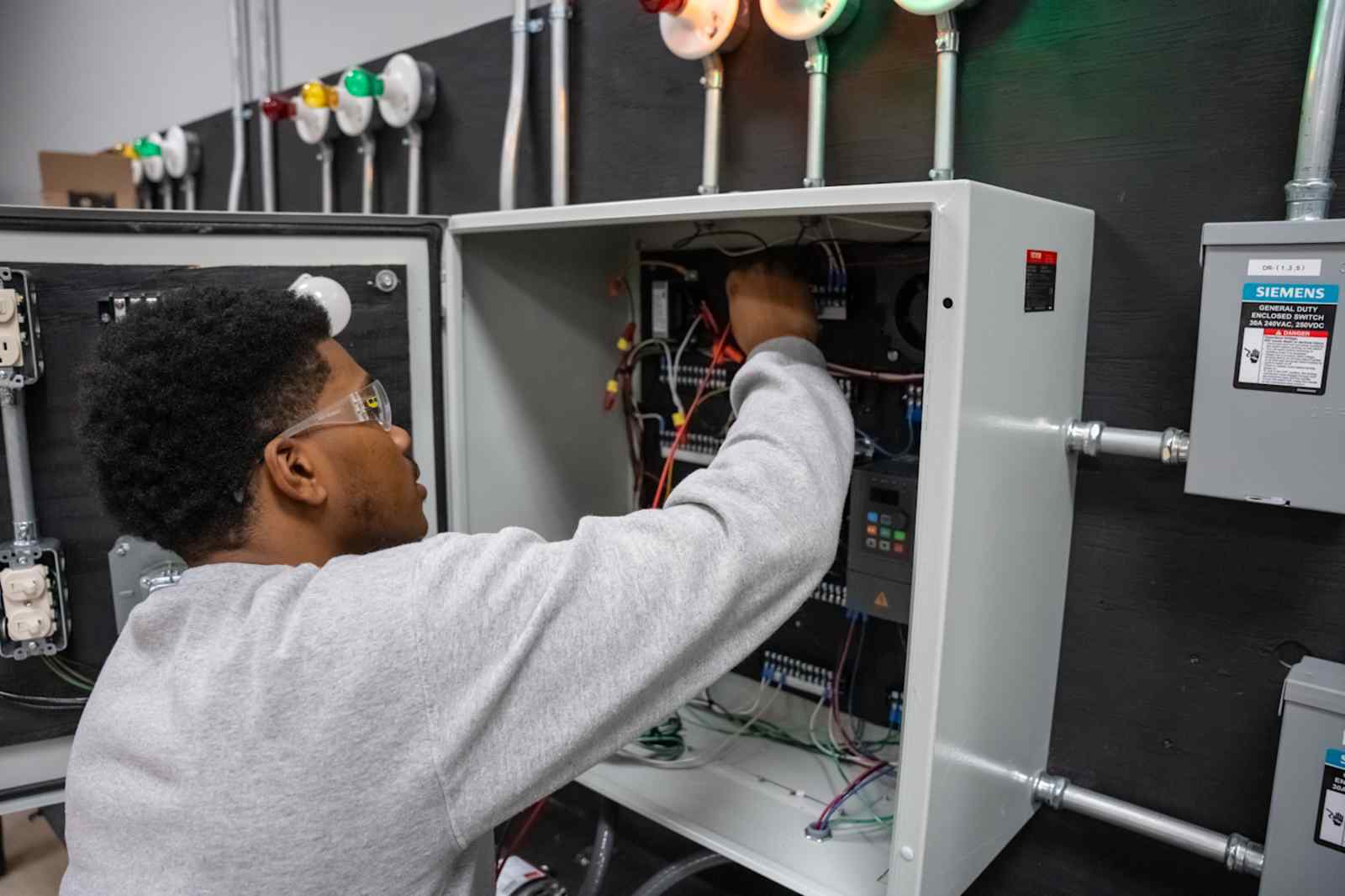
Technicians may assist with installing electrical components, wiring systems and automation equipment. Ongoing maintenance helps ensure machines and control systems continue operating safely and efficiently.
Routine inspections and system checks can help identify issues before they lead to equipment failure.
Troubleshooting electrical and control components
When automated systems don’t work as expected, troubleshooting becomes critical. Electrical technicians use testing tools, system knowledge and documentation to identify faults in wiring, sensors or control components.
Effective troubleshooting helps minimize downtime and keep operations running smoothly.
Working with PLCS, motors and industrial equipment
Many automation systems rely on programmable logic controllers (PLCs), motors and other industrial equipment. Technicians may work alongside these components to support system operation, maintenance or repair.
This hands-on exposure is common for those pursuing roles related to industrial automation technician career paths.
Read: What Is a Programmable Logic Controller?
Skills Needed for Industrial Automation and Electrical Careers
Working with industrial automation systems requires a mix of technical knowledge and practical skills.
Electrical fundamentals and safety
A strong understanding of electrical fundamentals is essential. This can include voltage, circuits and wiring. Safety knowledge is also critical when working with energized systems and industrial equipment.
Reading schematics and wiring diagrams
Automation systems are documented through schematics, wiring diagrams and technical manuals. Being able to interpret these documents helps technicians install systems correctly and diagnose issues efficiently.
Basic electronics and control logic
Industrial automation relies on electronic components and basic control logic. Understanding how sensors, controllers and circuits interact supports effective system operation and troubleshooting.
Problem-solving and technical communication
Automation environments can be complex. Technicians must analyze problems logically, apply troubleshooting steps and communicate clearly with teammates, supervisors or engineers when addressing system issues.
Industrial Electrical Technician FAQs
What systems do industrial electrical technicians work on?
Industrial electrical technicians commonly work on control panels, motor systems, programmable logic controllers (PLCs), automation equipment and industrial power distribution systems. These systems support automated machinery, production lines and other essential industrial operations.
What industries employ industrial electrical technicians?
Industrial electrical technicians are employed across many industries, including manufacturing, utilities, logistics, food processing, energy production and industrial maintenance. Any facility that relies on electrical systems and automated equipment may employ technicians with industrial electrical experience.
How long does it take to train for an electrical technician role?
Training timelines vary, but some electrical programs, like UTI’s Electrical, Electronics and Industrial Maintenance Technology program, can be completed in a year. These programs focus on building foundational knowledge and hands-on skills that can help prepare students for entry-level positions in the electrical field, like an electrical technician.130 These skills can come in handy for those wanting to specialize in a specific electrical sector.
UTI’s electrical programs do not prepare graduates for employment as electricians, and graduates will not be eligible for certification as an electrician without additional training and meeting state licensing requirements.
Build Skills for Industrial Automation Careers with UTI
While training programs may not prepare students for a specific job title such as an industrial automation technician, they can provide foundational knowledge that supports work in automated and industrial environments.
At Universal Technical Institute, the Electrical, Electronics and Industrial Technology program helps teach students concepts related to industrial automation.130 Over 12 weeks, courses cover topics that include electrical systems, control components, safety practices and troubleshooting techniques.
This type of training can help prepare graduates for entry-level roles such as electrical technicians or electrician’s assistants, where they can gain hands-on experience that carries over to working with industrial control systems.
For those interested in working with automated equipment and modern industrial technology, building a strong foundation in electrical and electronic components can be an important first step.
Reach out to an Admissions Rep to learn more today, or get started and enroll!
UTI’s electrical programs do not prepare graduates for employment as electricians, and graduates will not be eligible for certification as an electrician without additional training and meeting state licensing requirements.
Universal Technical Institute of Illinois, Inc. is approved by the Division of Private Business and Vocational Schools of the Illinois Board of Higher Education.