
Electrical & Electronics
Types of Electrical Jobs: Exploring Your Career Options
Explore types of electrical jobs and career paths, from electrician’s assistants to systems specialists, and learn how training can help you build foundational skills.
In This Article
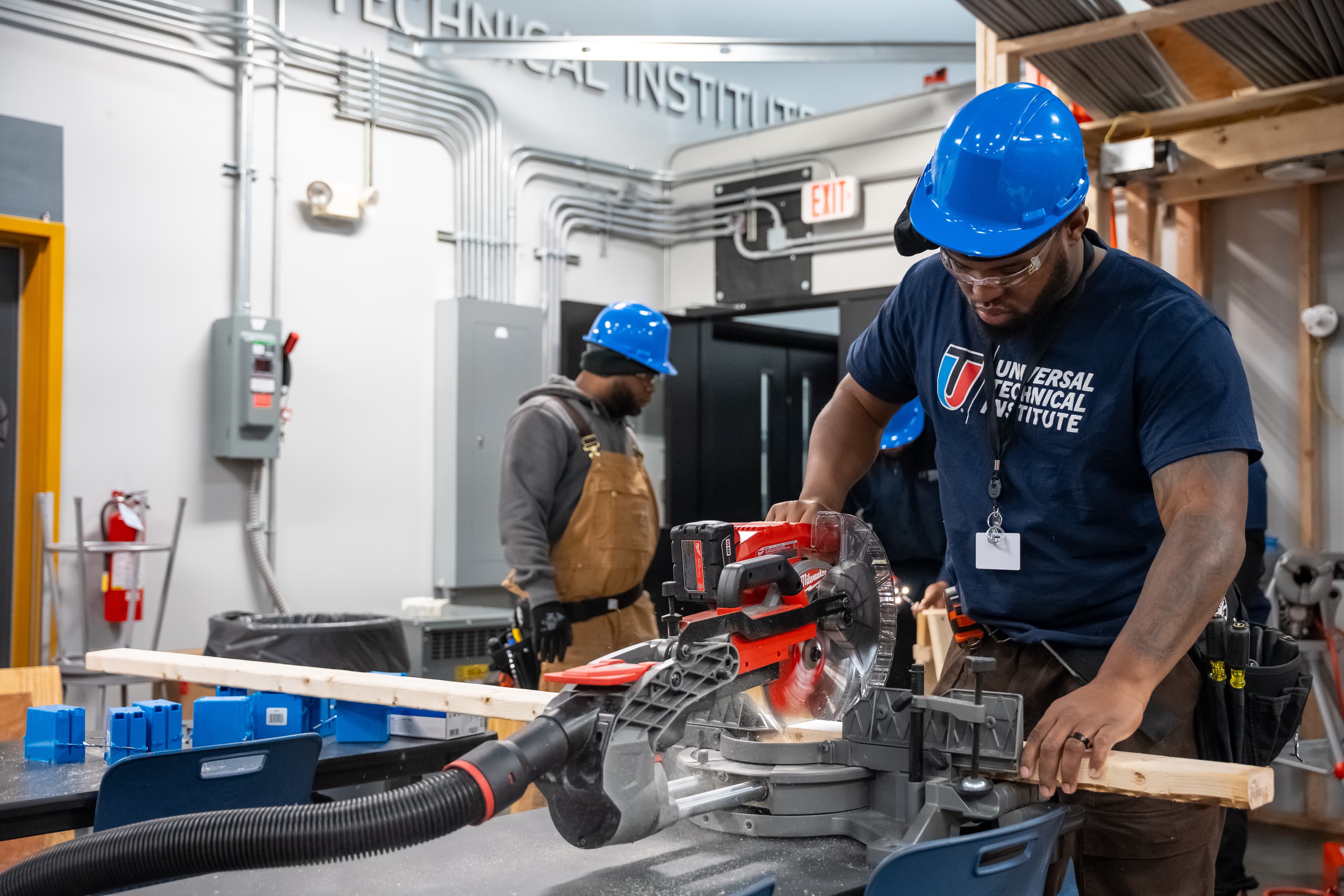
Electrical systems are everywhere — powering buildings, running industrial equipment, supporting communication networks and driving modern automation. Behind these systems are trained professionals who help install, maintain and support the technology that keeps everything operating.
If you’re interested in working with hands-on technology, problem-solving and real-world equipment, exploring different types of electrical jobs can help you understand the range of career paths available. From supporting installation projects to maintaining automated systems and safety equipment, electrical careers span multiple industries and work environments.
UTI’s electrical programs (Electrical, Electronics, & Industrial Technology; Electrical & Industrial Maintenance Technology; Electrical & Wind Turbine Technology; Electrical, Robotics & Automation Technology) help students build foundational skills used across many electrical and electrical-related roles.130
If you’re considering a future working with electrical systems, understanding the range of electrical career paths can help you decide where your interests and strengths align.
Where Electrical Careers Can Take You
Electrical systems support nearly every modern environment, which means electrical professionals can work in a wide variety of industries and settings.
Depending on the role, professionals who work with electrical systems may be involved in installing equipment, maintaining infrastructure, monitoring system performance or supporting automated technology.
Common work environments may include:
- Residential and commercial buildings.
- Manufacturing and production facilities.
- Technology and data infrastructure environments.
- Safety and monitoring systems.
- Communication and network installations.
- Automated and robotics-driven operations.
Because electrical systems power so many types of environments, professionals in these roles often develop skills that apply across multiple industries. This flexibility can open opportunities to work in different settings throughout a career.
Understanding where electrical systems are used can help you see how different job roles connect to real-world environments and technologies.
Entry-Level Roles That Support Electrical Work
Many types of electrical jobs begin with supporting installation, maintenance and troubleshooting across residential, commercial and industrial environments. These roles may involve working with power distribution equipment as well as low-voltage systems used in communication, monitoring and building automation.
Professionals in these positions often assist with project setup, prepare tools and materials, perform routine inspections and help ensure systems operate safely and efficiently. 77,130
*UTI’s electrical programs do not prepare graduates for employment as electricians, and graduates will not be eligible for certification as an electrician without additional training and meeting state licensing requirements.
Electrician’s assistant
Electrician’s assistants help support electrical installation and maintenance work under supervision. Responsibilities may include:
- Preparing tools and materials.
- Assisting with equipment setup.
- Supporting system inspections.
- Helping maintain safe work environments.
This role can provide exposure to electrical job sites and day-to-day system work.
Cable technician
Cable technicians work with communication and data infrastructure that supports modern connectivity. Responsibilities may include:
- Installing data and communication lines.
- Testing signal strength and performance.
- Maintaining network cabling systems.
- Troubleshooting connectivity issues.
These professionals help keep communication systems operating reliably in homes, businesses and industrial environments.
Electrical technician
Electrical technicians work with electrical systems that support buildings, equipment and operational infrastructure. They may assist with installation, testing, monitoring and maintenance of systems that distribute power or control equipment.
Responsibilities may include:
- Testing system performance.
- Diagnosing equipment issues.
- Supporting repairs or replacements.
- Monitoring electrical components.
These roles may exist in residential complexes, commercial buildings, maintenance departments or service organizations.
Fire alarm technician
Fire alarm technicians focus on life-safety systems designed to detect hazards and alert building occupants. Responsibilities may include:
- Installing detection equipment.
- Testing alarm functionality.
- Inspecting system reliability.
- Maintaining compliance with safety standards.
These systems are essential for residential buildings, offices, hospitals and industrial facilities.
Security and access control systems technician
Security and access control technicians work with systems that help manage building safety and monitoring. These may include:
- Surveillance equipment.
- Entry access systems.
- Monitoring technology.
- Integrated building controls.
As facilities rely more on connected security infrastructure, these systems play an important operational role.
Mechatronics technician
Mechatronics technicians work with automated systems that combine electrical, mechanical and computerized components. Responsibilities may include:
- Maintaining automated production equipment.
- Troubleshooting robotic systems.
- Supporting control system operation.
- Monitoring manufacturing processes.
These roles are common in industrial and advanced manufacturing environments.
Electrical careers can span a wide range of industries, from building systems and safety infrastructure to automated manufacturing and robotics. Understanding how electrical systems connect to modern technology can help you identify which environment and responsibilities align with your interests.
Opportunities for Advancement and Specialization
Electrical careers can offer multiple directions depending on experience, industry and additional training. Some professionals specialize in specific systems or technologies, while others move into supervisory, technical or operations roles.
Certification requirements and advancement pathways vary depending on the role and location, so researching career requirements is an important step when planning your future.
Train To Prepare for an Electrical Career with UTI
Electrical systems require trained professionals who understand how equipment, automation and power distribution work together.
UTI’s hands-on electrical training helps students build foundational electrical and electronics skills used in roles such as electrical technician, mechatronics technician, fire alarm technician and other system-focused careers.¹³⁰
When you’re ready to take the next step, you can request more info or begin the enrollment process.
Universal Technical Institute of Illinois, Inc. is approved by the Division of Private Business and Vocational Schools of the Illinois Board of Higher Education.
Train for the Future
Imagine waking up each day excited to work in a career you’re passionate about – one where your hands-on skills make a real impact. UTI’s vocational trade school can help you gain the skills and confidence to pursue what you love.
