
Electrical & Electronics
Types of Electrical Circuits Explained
Learn how series, parallel and combination electrical circuits work. See how UTI teaches about them hands-on.
In This Article
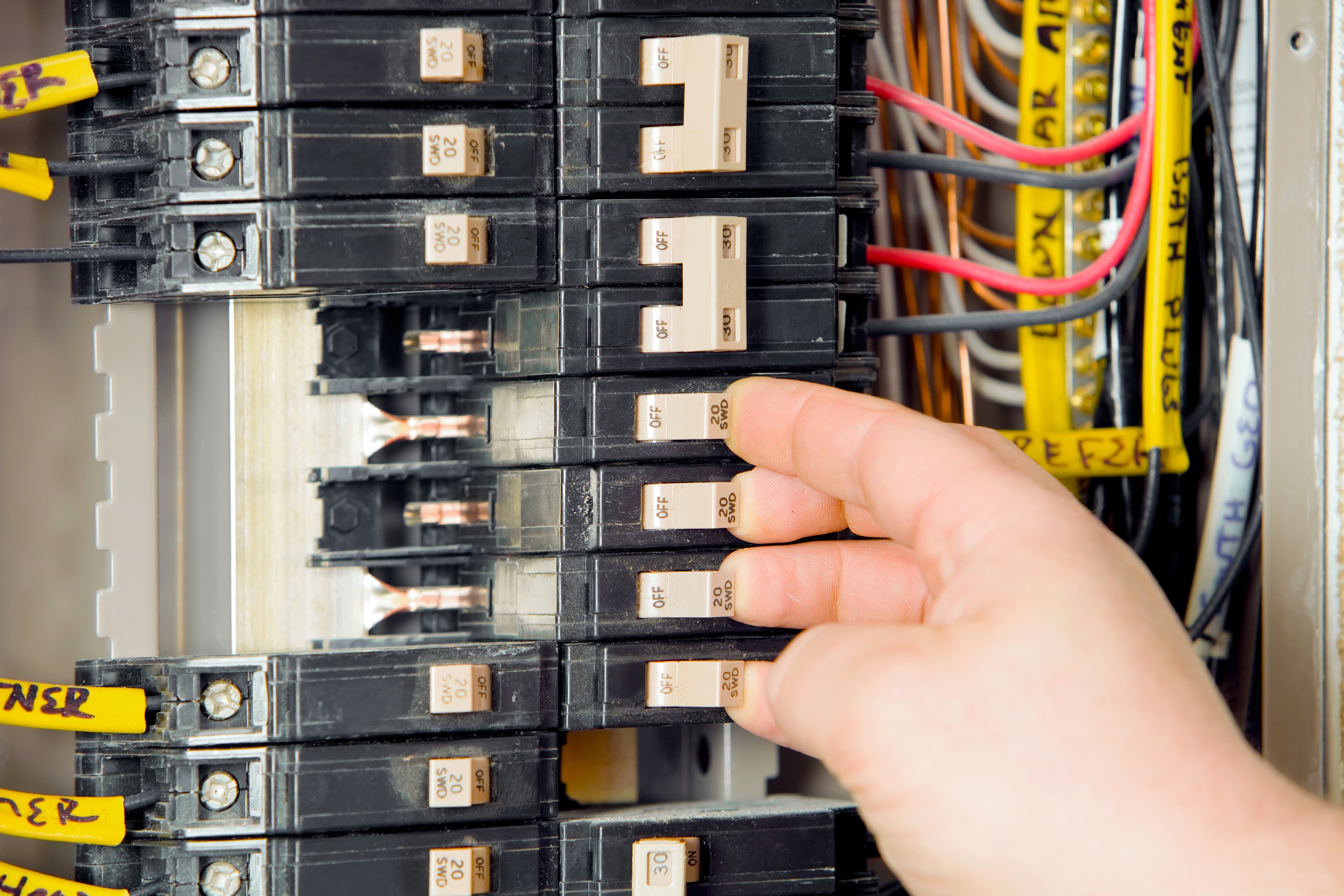
Understanding the types of electrical circuits is essential for anyone looking to pursue a career in the electrical or automotive industries. From powering home electronics to controlling complex machinery, circuits play a vital role in our daily lives.
In this blog, we’ll break down the fundamentals of series and parallel circuits, explore combination circuit examples and show how Universal Technical Institute (UTI) teaches students with hands-on training in these concepts through the Electrical, Electronics, and Industrial Technology program.1
What Are Electrical Circuits?
Before diving into different types of circuits, it’s important to understand what an electrical circuit is and how it works.
At its core, an electrical circuit is a pathway that allows electric current to move from a power source to a device and back. Whether simple or complex, every circuit shares a few basic elements and operates according to the same electrical principles.
Definition and basic components
An electrical circuit is a closed loop that allows electric currents to flow. Every circuit needs a power source (like a battery or generator), a conductive path (usually wires) and a load (such as a light bulb or motor). Switches can be added to control the flow of current by opening or closing the circuit.
Voltage, current and resistance basics
To understand how electrical circuits function, it's important to grasp three basic concepts:
- Voltage (V): The potential difference that pushes electric charges through a circuit.
- Current (I): The flow of electric charge, measured in amperes (amps).
- Resistance (R): The opposition to the flow of current, measured in ohms (Ω).
Ohm’s Law, expressed as V = I × R, is the foundation for calculating circuit behavior.
Series Circuits
Series circuits are one of the simplest types of electrical circuits and are often used in applications where it’s important to control current through a single path. While basic in design, they help lay the groundwork for understanding more complex circuits.
How series circuits work
In a series circuit, components are connected end to end, so current flows through one device to get to the next. This means that if one component fails, the entire circuit is interrupted.
Key characteristics:
- The same current flows through all components.
- Total resistance is the sum of individual resistances.
- Voltage is divided among components.
Real-world examples of series circuits
Series circuits can be found in systems where you want all components to depend on each other. Examples include flashlight circuits, basic Christmas lights, and alarm or safety circuits, where the interruption of one element shuts down the whole system.
Parallel Circuits
While series circuits have one path for electricity to flow, parallel circuits offer multiple paths. These are used in most residential and automotive electrical systems due to their flexibility and reliability.
Key differences from series circuits
In a parallel circuit, each component is wired on its own branch, allowing current to flow independently to each one. If one component fails, the others continue to operate. Voltage remains the same across all branches, but current is divided between them.
Key differences:
- Voltage is the same across each branch.
- Current divides between branches.
- Overall resistance is reduced.
Applications and benefits of parallel circuits
Parallel circuits are ideal for systems requiring consistent voltage and independent control of components. They are commonly used in home lighting and outlets, car dashboards, and electrical panels. Their main advantages include improved safety, efficiency and ease of maintenance.
Combination Circuits
Combination circuits bring together series and parallel connections in a single system. These are widely used in more advanced or industrial applications where different parts of a circuit must behave in different ways.
Mixing series and parallel designs
Combination circuits might have certain components in series, like a safety switch or fuse, while others are arranged in parallel to maintain performance even if one element fails. This setup offers both control and flexibility.
Common industrial and automotive uses
Some combination circuit examples include their use in complex systems like automotive wiring harnesses, HVAC controls and manufacturing equipment. For example, a vehicle’s lighting system may use series wiring for indicators and parallel wiring for headlights, allowing each function to operate as needed.
How UTI Teaches Circuit Fundamentals
At Universal Technical Institute, learning about combination, series and parallel circuits isn’t limited to theory. Students are immersed in hands-on labs that mirror a professional environment.
Hands-on electrical circuit labs
Students in UTI’s program learn how to test circuits in live lab environments. They use diagnostic tools and industry-standard equipment to learn how electrical circuits function under real-world conditions.
Real equipment, real industry training
UTI emphasizes learning with actual components found in today’s electrical and electronic equipment. Students learn how to wire, troubleshoot and repair circuits using the same tools and systems encountered on the job.
Start Training for an Electrical Career at UTI 131
Understanding the different types of electrical circuits, including series and parallel circuits and more complex combination circuit examples, is a critical part of technical training. At UTI, you can gain both the knowledge and the hands-on application you need to pursue a range of entry-level electrical and mechanical roles after graduation.
If you're ready to prepare to turn your passion for technology into a career, we’re here to help. Request more info online or enroll now to get started.
Universal Technical Institute of Illinois, Inc. is approved by the Division of Private Business and Vocational Schools of the Illinois Board of Higher Education.
Train for the Future
Imagine waking up each day excited to work in a career you’re passionate about – one where your hands-on skills make a real impact. UTI’s vocational trade school can help you gain the skills and confidence to pursue what you love.
