
Electrical & Electronics
Preventive Maintenance for Electrical Systems: Key Technician Skills
Learn how preventive maintenance boosts electrical system reliability and how electrical training provides practical technician skills.
In This Article
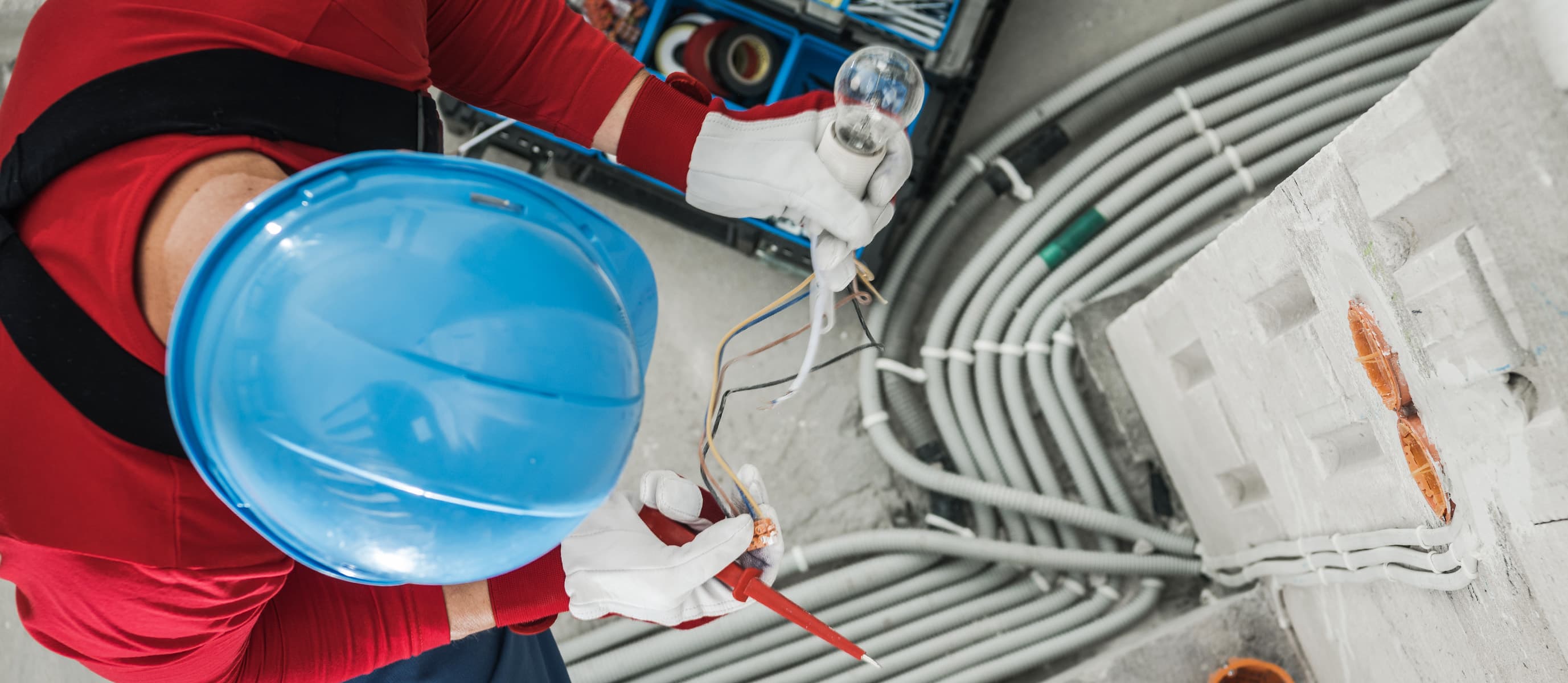
When the power goes out, everything stops — lights, internet and even safety systems.
That’s why preventive maintenance is so important. It helps keep electrical systems reliable and reduces the risk of sudden outages.
At Universal Technical Institute (UTI), the Electrical, Electronics, & Industrial Technology program prepares students to work on these types of systems. In 12 months, students undergo hands-on training with diagnostic tools, practice preventive maintenance skills and build a foundation for entry-level roles in the field after graduation.131
In today’s world, electrical systems power nearly everything from homes, schools, hospitals and businesses. Preventive maintenance plays a key role in keeping them safe, efficient and dependable.
What Preventive Maintenance Means in Electrical Systems
Reactive vs. preventive maintenance
Reactive maintenance happens after something fails; for example, when lights go out or equipment shuts down. Preventive maintenance, on the other hand, is about taking steps before failure happens. It includes inspections, testing and adjustments that reduce the chance of unexpected problems.
Why reliability matters
For homes, reliability means keeping lights on and appliances safe. For businesses and hospitals, it prevents costly downtime or safety hazards. For utilities, reliable electrical systems help supply power without interruptions. Preventive maintenance keeps all these areas running more smoothly.
Common Preventive Maintenance Practices for Electrical Technicians
Electrical technician maintenance involves more than just quick fixes. It often includes visual inspections, diagnostic testing and careful documentation to track system performance over time. By following regular maintenance practices, technicians help keep systems safe, efficient and less likely to develop major issues. These preventive steps play a key role in maintaining reliability and safety:
- Visual inspections: Checking panels, wiring and circuit components for signs of wear, overheating, corrosion or loose connections. Spotting these issues early helps prevent larger problems.
- Diagnostic testing: Using meters and specialized instruments to measure voltage, current and system performance. These tools help confirm that circuits are balanced and equipment is working within safe ranges.
- Cleaning and tightening: Removing dust or debris that can interfere with equipment, tightening connections, and verifying that switches, breakers and relays operate correctly.
- Thermal scanning: Some technicians use infrared cameras to detect hot spots that may indicate overloaded circuits or failing components.
- Updating records: Documenting inspections and test results provides a history of the system’s condition and helps track when maintenance tasks should be repeated.
By combining these steps, preventive maintenance helps extend the life of equipment, improve safety and keep electrical systems dependable.
Benefits of Electrical Preventive Maintenance
Preventive maintenance electrical practices are designed to reduce downtime and improve system reliability. They deliver measurable advantages for homeowners, businesses and technicians alike. By staying ahead of problems, electrical systems can stay safer, stronger and more dependable over time.
Fewer breakdowns and less downtime
Preventive maintenance helps reduce costly interruptions by catching small issues before they turn into big failures. This means equipment and systems can stay up and running longer without unexpected outages that disrupt daily life or business operations.
Better energy efficiency and reliability
Well-maintained systems often use less energy and run more effectively, supporting both performance and cost savings. When connections are secure and equipment is clean, electricity flows more efficiently, which can also reduce wear and tear on other components.
Long-term safety and compliance
Preventive maintenance helps support safe operation and keeps systems aligned with electrical codes and regulations designed to protect people and property. Regular inspections and record-keeping also make it easier to show compliance with workplace safety standards.
Together, these benefits highlight why preventive maintenance is a core skill for electrical technicians. It saves money, supports safety and ensures systems continue running the way they should.
If you’d like to dive deeper into electrical careers and training topics, explore UTI’s electrical blog library for more helpful resources.
Skills UTI Students Learn in Preventive Maintenance
Students in UTI’s electrical program are introduced to preventive maintenance electrical skills that can be utilized in entry-level technician roles.1 Training focuses on real-world maintenance practices that help prepare graduates for these roles.
(Note: UTI’s electrical programs do not prepare graduates for employment as electricians, and graduates will not be eligible for certification as an electrician without additional training and meeting state licensing requirements.)
Hands-on training with tools and systems
Students train with testing equipment, learning how to measure performance and identify warning signs such as loose connections, abnormal readings or overheating components. By practicing these steps in a controlled lab, they can gain confidence before applying them in the field.
Using maintenance checklists and documentation
Following structured checklists helps technicians stay thorough during inspections. Students also learn how to record their results properly, an important habit that not only supports safety but also provides valuable maintenance history for employers and clients.
Training timeline and career readiness
The electrical program can be completed in 12 months, allowing students to enter the field quickly. Graduates finish with a foundation in preventive maintenance, diagnostics and safety practices. From there, they can pursue entry-level roles in the electrical industry.
By combining hands-on labs with real-world maintenance practices, students build practical skills that can help them contribute to reliable, safe and efficient electrical systems.
Hands-On Electrical Preventive Maintenance Training
With the right training, you can build a strong foundation needed for entry-level roles in electrical and electronics technology after graduation, including preventive maintenance.
Ready to take the next step? Fill out an application today to start training for your career path.
Universal Technical Institute of Illinois, Inc. is approved by the Division of Private Business and Vocational Schools of the Illinois Board of Higher Education.
Train for the Future
Imagine waking up each day excited to work in a career you’re passionate about – one where your hands-on skills make a real impact. UTI’s vocational trade school can help you gain the skills and confidence to pursue what you love.
