
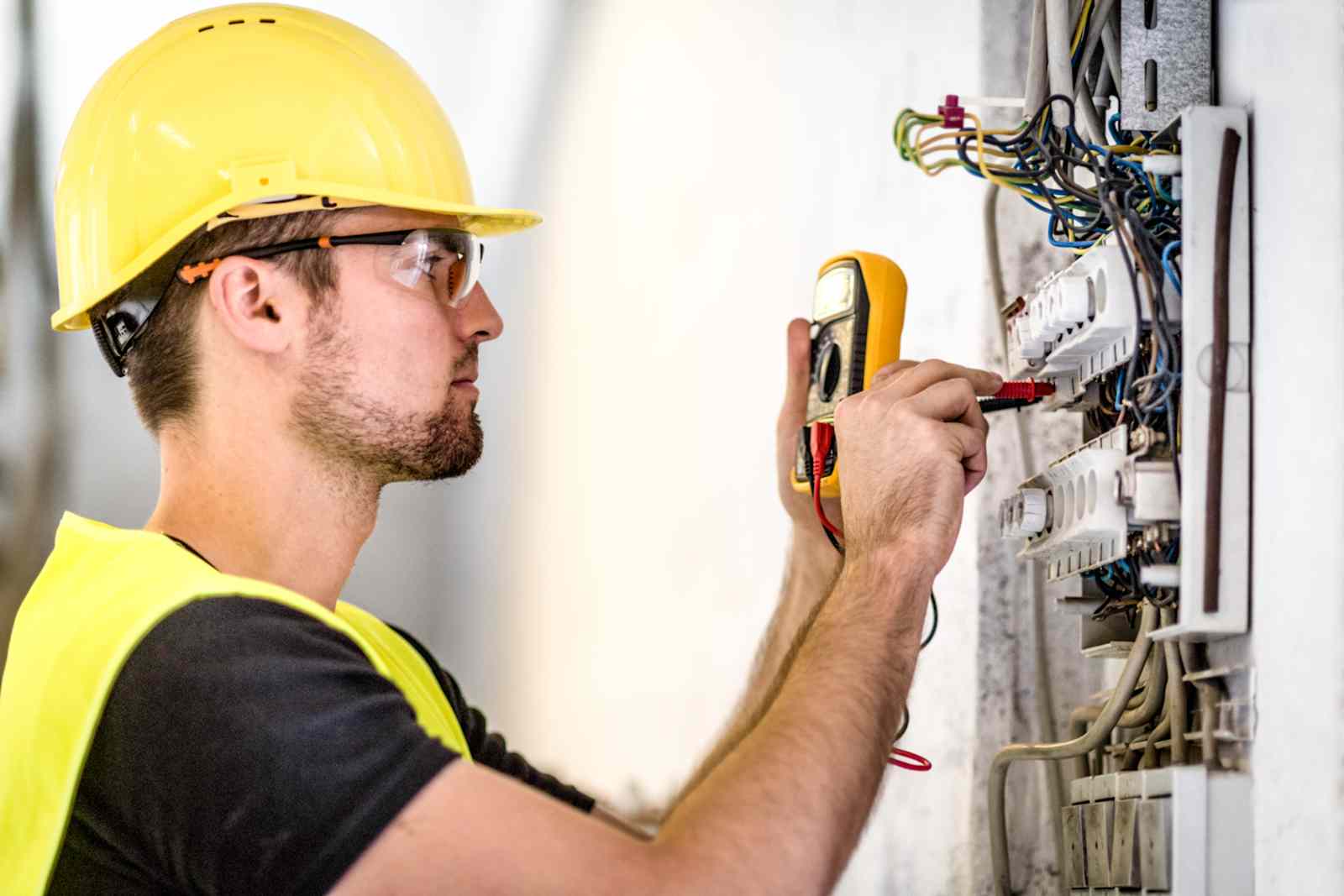
When you're just starting out in the skilled trades, understanding and following electrical safety rules is essential. Knowing how to protect yourself and others from electrical hazards is a critical part of a job in the electrical field, and Universal Technical Institute’s Electrical, Electronics, and Industrial Technology program emphasizes the importance of safety during training.
Keep reading to hear some basic electrical safety tips that are helpful for those enrolled in a training program or new to the industry.
Why Electrical Safety Matters
Electricity powers our modern world, but it also comes with serious risks. Every year, hundreds of workers are injured due to preventable electrical accidents. Developing safe work habits early helps prevent costly mistakes and builds a strong foundation for your career.
Real dangers of unsafe practices
Electrical incidents can lead to severe injuries such as burns, nerve damage or even electrocution. Even minor shock can cause involuntary muscle contractions, leading to falls or accidents with power tools. That's why electrical safety isn’t just about compliance — it’s about staying alive and healthy.
Common mistakes new technicians make
Beginners often underestimate the power of even low-voltage systems. Common mistakes include skipping lockout/tagout steps, using damaged tools or wearing the wrong personal protective equipment (PPE). Overconfidence or rushing through tasks can quickly result in dangerous outcomes.
Basic Electrical Safety Rules To Know
Before you touch a wire or flip a breaker, it’s important to understand the basic electrical safety rules that every technician should follow.
Lockout/tagout procedures
Lockout/tagout (LOTO) procedures are safety protocols used to prevent accidental startup or energy release during the maintenance or servicing of machines and equipment.
Lockout is physically locking a device or energy source in the “off” position using a type of lock. Tagout is the step of attaching a warning tag to indicate that the equipment should not be used or operated.
It’s good practice to assume that equipment is live unless properly locked and tagged. Lockout/tagout procedures are critical for de-energizing circuits and making sure no one accidentally powers them back on during maintenance. It’s one of the most important electrical safety rules to learn and follow consistently.
Avoiding water and damp environments
Electricity and water do not mix. Working in wet or damp environments increases the risk of shock. Make sure your hands, tools and surroundings are dry, and wear insulating gear when needed.
Proper use of tools and PPE
Use insulated tools rated for electrical work and inspect them regularly. Wearing the correct PPE, such as gloves, goggles and flame-resistant clothing, is another basic but important electrical safety rule.
Identifying Electrical Hazards on the Job
Being able to spot hazards quickly can make a huge difference in your safety on the job site.
Faulty wiring and exposed conductors
Frayed wires, cracked insulation and exposed metal are all red flags. Never ignore them or attempt to make a quick fix without proper training and gear. Report issues to a supervisor and follow the right repair protocols.
Overloaded circuits and fire risks
Too many devices on one circuit can cause overheating, which is a common cause of electrical fires. Be cautious of frequent breaker trips or warm outlets, as they could signal underlying problems that need attention.
How UTI Prepares Students for Electrical Safety
At Universal Technical Institute, students learn that safety is just as important as skill. That’s why electrical safety tips and best practices are built into every hands-on training session.
Hands-on training in controlled labs
Our program provides the opportunity to learn real-world skills in labs designed with safety in mind.1 Students learn to work with live systems under close supervision, gaining confidence while following established safety protocols.
Learning OSHA standards and best practices
Instructors emphasize the importance of Occupational Safety and Health Administration (OSHA) guidelines and basic electrical safety practices. From PPE use to hazard recognition, you’ll be trained to meet the high standards employers expect.
Read more about the Electrical program and electrical-related topics on our blog!
Start Preparing for a Career With Safety at the Center
Electrical safety isn't something you learn once and forget. It's a lifelong practice that begins in the classroom and continues throughout your career. At UTI, you’ll not only gain technical skills, but also learn how to keep yourself and your coworkers safe on the job.
Whether you're just starting out or looking to level up your knowledge, these electrical safety tips and rules can help you stay prepared.
If pursuing a career in the electrical field is something you’re interested in, consider our 12-month program.131 Request more info or enroll today!
Universal Technical Institute of Illinois, Inc. is approved by the Division of Private Business and Vocational Schools of the Illinois Board of Higher Education.