
Electrical & Electronics
How Electrical Safety Systems Protect Modern Technicians
Explore key electrical safety systems and how UTI prepares students for the industry with real-world safety training and lab experience.
In This Article
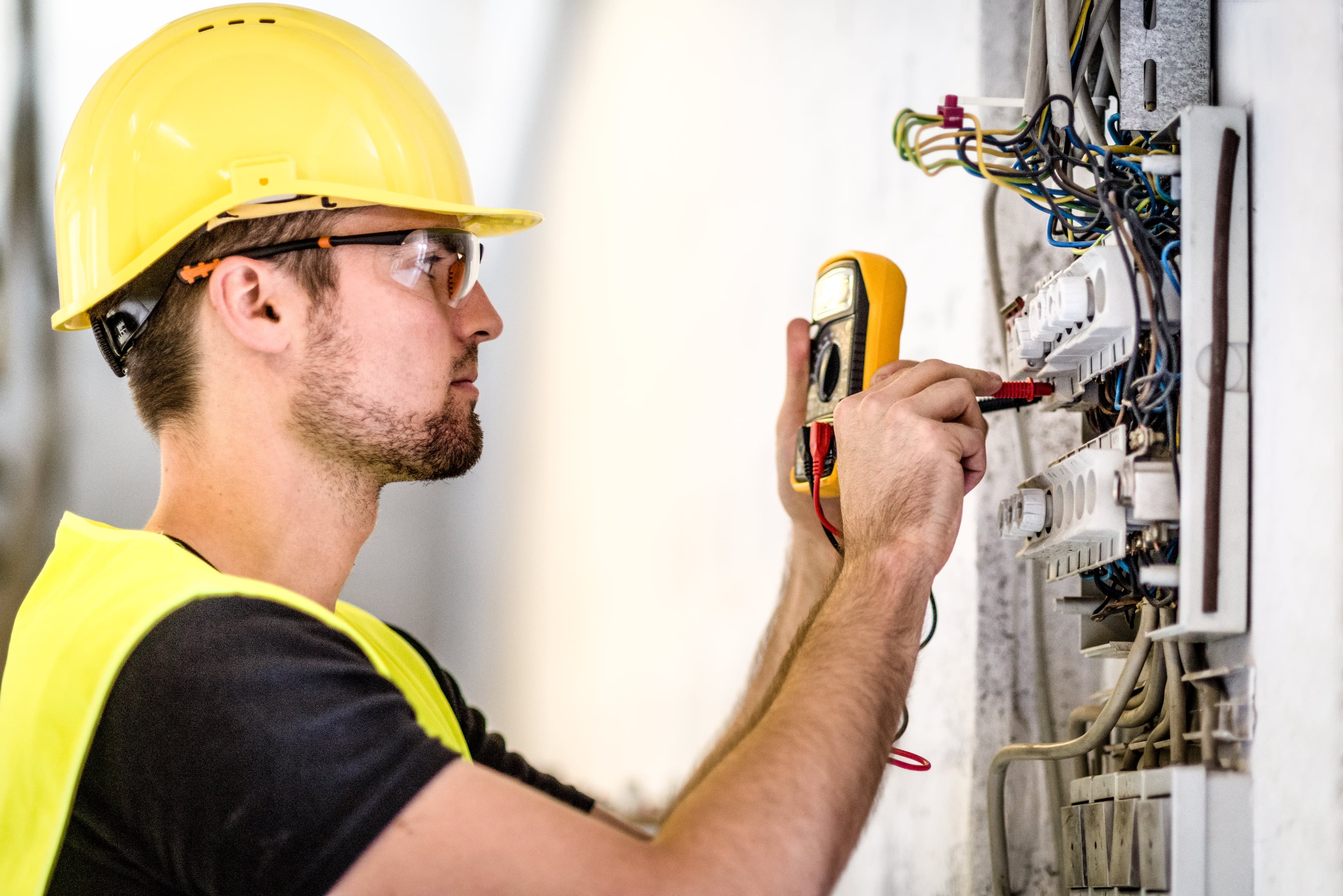
How Electrical Safety Systems Protect Modern Technicians
In today's high-tech world, electricity powers everything from heavy machinery to handheld tools. For technicians, working with electrical systems is part of the job, but it comes with risks.
That’s why electrical safety systems are essential for protecting both workers and equipment. Whether it’s ensuring proper grounding systems, using GFCI protection or following strict lockout/tagout procedures, a solid understanding of safety measures can be the difference between a routine task and an accident.
In Universal Technical Institute’s Electrical, Electronics, and Industrial Technology program, the proper safety procedures are taught to ensure graduates are properly prepared for the industry.131
Keep reading to learn more about different electrical safety systems and why they’re so important for electrical technicians.
Why Electrical Safety Is a Top Priority
Technicians entering the skilled trades must be fully aware of the dangers associated with electricity. Prioritizing electrical safety not only protects workers but also promotes a culture of responsibility and professionalism on the job site.
Common hazards in electrical work
Some of the most common electrical hazards include electric shock, arc flash, short circuits and equipment failure due to improper handling.
Improperly maintained tools or ungrounded systems can lead to fires and injuries. This makes it crucial for technicians to understand how to avoid high-risk situations through safe practices and proper training.
NEC and OSHA safety standards
To help protect workers, regulatory bodies like the National Electrical Code (NEC) and the Occupational Safety and Health Administration (OSHA) have set strict standards. These guidelines ensure proper circuit breaker safety, labeling, grounding and required safety devices.
Essential Electrical Safety Systems Explained
There are several key systems and tools that technicians must be familiar with to stay safe on the job. Each plays a unique role in preventing injury and protecting electrical infrastructure.
Grounding and bonding systems
Grounding systems provide a path for electrical current to safely return to the ground in the event of a fault. This helps prevent shocks and equipment damage. Bonding ensures all metal components are electrically connected, minimizing the chance of arc flash or electrocution.
GFCI and AFCI outlets
Ground fault circuit interrupter (GFCI) protection is required in wet or outdoor areas and shuts off power instantly if a ground fault is detected. Arc fault circuit interrupter (AFCI) outlets help prevent fires by detecting dangerous arc faults in wiring. Both devices are now standard in residential and commercial settings and are essential tools for technician safety.
Circuit breakers and fuse panels
Circuit breaker safety is important, too. Breakers act as the first line of defense when too much current flows through a system. They quickly shut off power to prevent overheating, fires and equipment damage. Modern panels also include labeling systems to aid in fast, safe identification and repair.
Lockout/Tagout devices and procedures
Lockout/tagout (LOTO) procedures ensure that machinery is properly shut down and not restarted during maintenance. Technicians use specialized locks and tags to isolate energy sources, ensuring no one can accidentally power on the system while it’s being serviced. This practice is critical in any environment where multiple workers are involved.
How UTI Teaches Real-World Electrical Safety
At Universal Technical Institute, students don’t just learn the theory behind electrical concepts and practices. They get hands-on training in electrical safety and their related systems.
Read more: How to Become an Electrical Technician
Hands-on labs with industry equipment
Students train with real circuit panels, GFCI protection systems and grounding systems under instructor supervision. This training ensures they understand how electrical safety systems work and how to apply that knowledge safely.
Simulated troubleshooting in controlled environments
UTI students practice diagnosing and repairing systems in simulated environments that reflect real-world conditions. These labs reinforce circuit breaker safety and lockout/tagout procedures and help students learn how to apply electrical safety protocols in high-pressure scenarios.
Prioritize Safety in UTI’s Electrical Program
Electrical safety is more than a checklist — it’s a mindset. At UTI, we prepare prospective future electrical technicians with the skills, tools and confidence to work safely and effectively.1
Ready to get started? Enroll in our EEIT program today or request information to get in touch with an Admissions Representative.
Universal Technical Institute of Illinois, Inc. is approved by the Division of Private Business and Vocational Schools of the Illinois Board of Higher Education.
Train for the Future
Imagine waking up each day excited to work in a career you’re passionate about – one where your hands-on skills make a real impact. UTI’s vocational trade school can help you gain the skills and confidence to pursue what you love.
