From automation to smart systems, the electrical grid is evolving. For technicians, that means new tools, new responsibilities and new opportunities to power the future.
At Universal Technical Institute (UTI), the Electrical, Electronics, & Industrial Technology (EEIT) program helps students prepare for this shift.131 Over 12 months, students train in hands-on labs using diagnostic tools and learn how to work with technologies found in today’s power and automation systems.
Keep reading to see how grid automation and electrical grid news are shaping the future of technician careers.
Why Electrical Grid News Matters
Major changes in the U.S. power infrastructure
The U.S. electrical grid is undergoing its largest modernization effort in decades. From renewable energy integration to widespread grid automation, utilities are investing billions to update aging systems. According to recent reports, smart grid investments are expected to keep growing as demand for cleaner, more reliable energy increases.
How updates affect future workforce needs
With change comes opportunity. Every update to grid systems requires skilled technicians to install, maintain and troubleshoot new technologies. Staying informed on electrical grid news helps aspiring technicians understand where the industry is heading and which skills will be most valuable in the coming years.
The Expanding Role of the Electrical Technician
Traditional technician responsibilities
For decades, electrical technicians have been the backbone of the power industry. Their work has centered on installing wiring, repairing electrical components, reading blueprints and following strict safety protocols to keep systems running smoothly. Routine tasks often include:
- Testing electrical equipment to ensure proper function.
- Performing preventative maintenance to reduce downtime.
- Troubleshooting issues and making repairs.
- Inspecting systems for compliance with safety codes and regulations.
These responsibilities form the core of the trade and continue to provide the baseline skills every technician must know.
As the role of the electrical technician grows, it’s important to keep learning about the field. UTI offers a range of articles on electrical careers, training and industry updates. Explore more electrical articles here.
New responsibilities tied to digital monitoring and smart systems
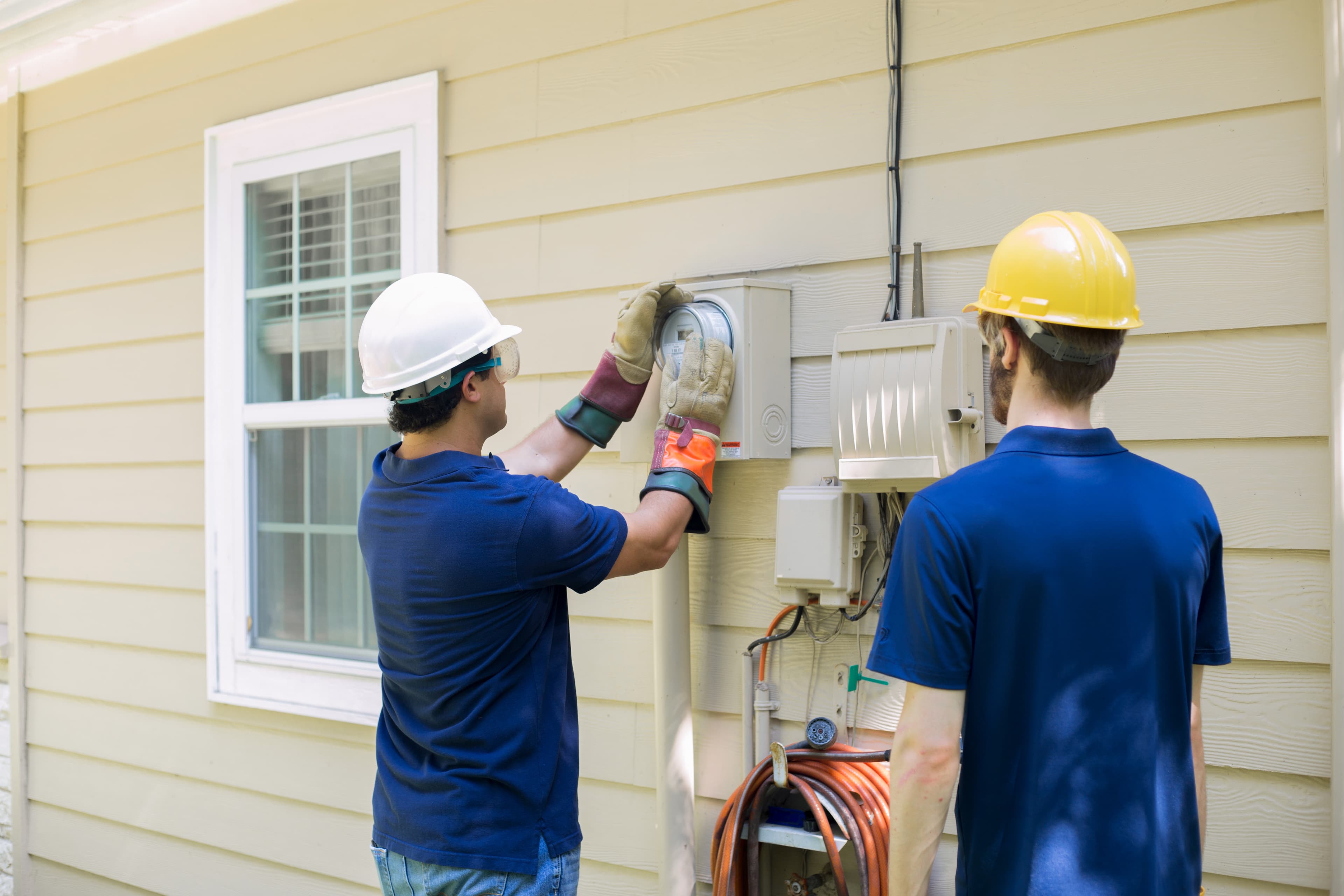
While those foundational duties remain, the role of the technician is rapidly expanding. Today’s electrical systems are more connected and data-driven than ever before. Technicians are now expected to work with advanced technologies like smart meters, sensors and SCADA (supervisory control and data acquisition) systems. These tools allow for real-time monitoring of the grid, helping to quickly detect irregularities, optimize efficiency and prevent outages.
This means technicians must blend hands-on wiring and troubleshooting skills with a growing knowledge of digital interfaces, programmable logic controllers (PLCs) and automated diagnostics. The ability to interpret data and integrate new tools alongside traditional equipment is becoming just as important as knowing how to safely install a circuit.
Understanding Grid Automation
What grid automation means for utilities and consumers
Grid automation uses digital technology to watch over and control the electrical grid in real time. For consumers, this means fewer power outages and quicker recovery when problems happen. Utilities benefit too as they save money, improve efficiency and make it easier to connect renewable energy sources like solar and wind.
Automation also helps balance supply and demand. For example, if solar power dips on a cloudy day, automated systems can adjust immediately to keep the grid stable. In short, grid automation makes electricity more reliable, affordable and ready for the future.
Common tools and systems
Technicians entering the workforce may encounter a variety of tools that are central to automation, including:
- Sensors that detect fluctuations in voltage, current or frequency allow for early detection of potential problems.
- SCADA systems that enable remote monitoring and control of substations, transformers and distribution lines.
- Smart meters that provide two-way communication between consumers and utilities, improving billing accuracy and helping customers track their own energy use.
- Automated switches and relays that isolate faults and restore power more quickly without requiring manual intervention.
- Programmable logic controllers that serve as the “brains” behind automation, managing processes and coordinating responses to grid events.
Together, these tools allow technicians to work not only with wires and circuits but also with data and digital networks. This combination of hands-on and technical skills is what makes the role of the modern electrical technician both versatile and vital to the grid’s future.
How EEIT Training Prepares Students
Hands-on labs with diagnostic equipment
UTI’s EEIT program incorporates hands-on training with industry-relevant diagnostic tools and systems. Students gain practical exposure to troubleshooting circuits, wiring, PLCs and grid automation components.
12-month training timeline and entry-level role readiness
The program is designed to be completed in 12 months, giving students the opportunity to quickly build technical knowledge and apply it toward entry-level roles in the electrical field after graduation.1 (Note: UTI’s electrical programs do not prepare graduates for employment as electricians, and graduates will not be eligible for certification as an electrician without additional training and meeting state licensing requirements.) While career outcomes depend on individual circumstances and state licensure requirements, the program emphasizes practical skills to help students prepare for opportunities in a modernized workforce.
Prepare for a Career in Electrical Technology
Explore UTI’s EEIT program
If you’re interested in how grid automation and electrical advancements are shaping the future, UTI’s EEIT program may be the right path for you. Learn more about the program here.
How to request info and next steps to enrollment
Take the next step toward building your future. Request more information to connect with an Admissions Representative and explore what training at UTI could look like for you.
Universal Technical Institute of Illinois, Inc. is approved by the Division of Private Business and Vocational Schools of the Illinois Board of Higher Education.