
Education
Guide to Selecting Trade Schools Linked With Top Employers
Trade schools with employer relationships can make a big difference when it comes to training programs. Learn about how to choose the right school here.
In This Article
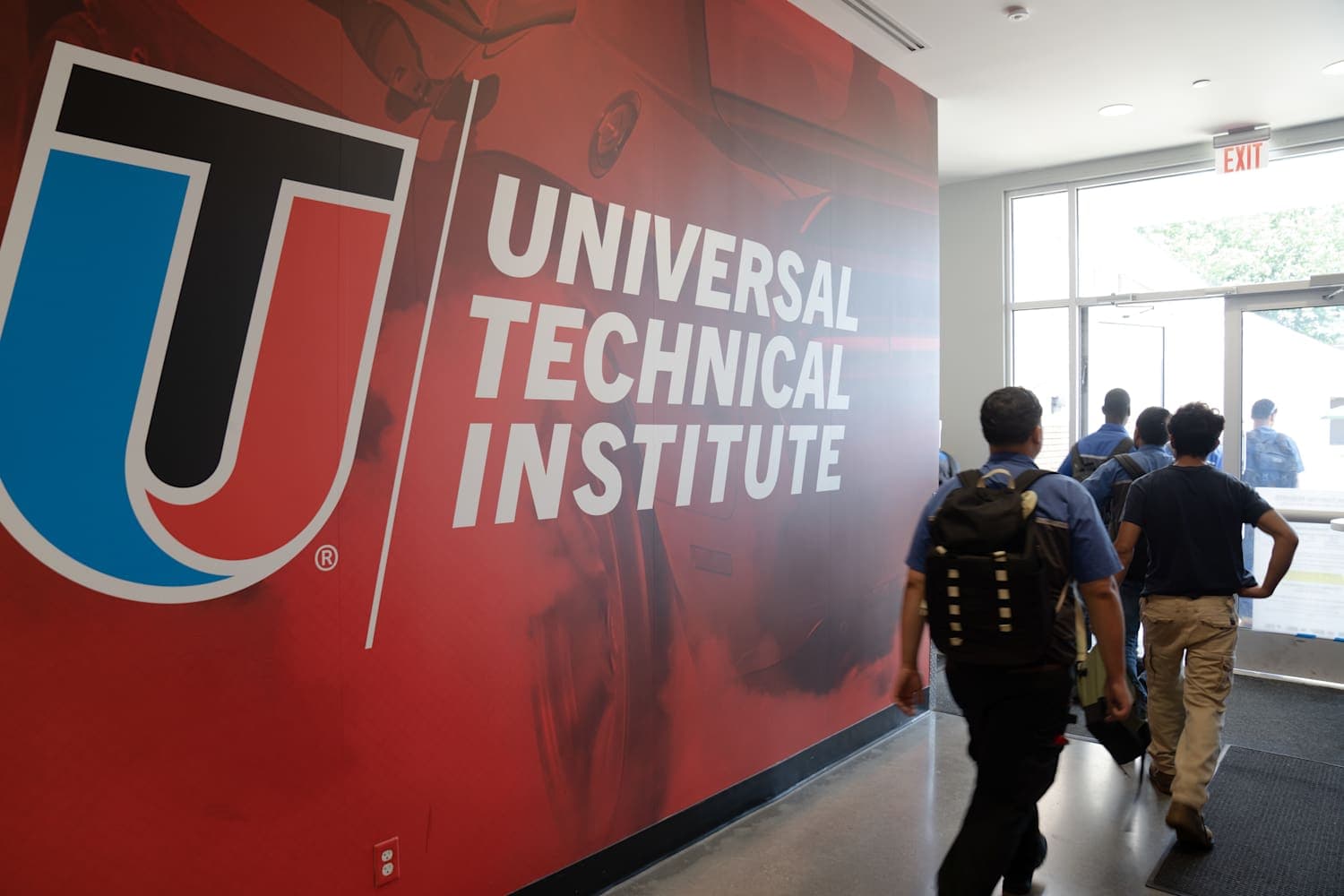
Choosing a trade school is more than just finding a place to learn technical skills. It’s about selecting a school that will help you in your career journey and one that will connect you to opportunities after graduation.
One of the strongest indicators of long-term value is whether a school has strong trade school employer relationships and meaningful industry collaboration built into its programs.
When schools work closely with employers, students benefit from industry-relevant curriculum and training, along with clearer pathways into the workforce. Here’s how to identify a trade school that’s linked with top employers.
1. Look for Strong Trade School Employer Relationships
A quality trade school doesn’t operate in isolation. Instead, it develops ongoing relationships with manufacturers and employers in the industries it trains for.
When researching schools, ask questions like:
- Do employers actively recruit from this campus?
- Are there industry advisory boards?
- Does the school have access to a nationwide job board?
- Do instructors have industry experience?
Strong trade school employer relationships often mean the program is aligned with what companies are looking for.
Read more: UTI’s Industry Relationships
2. Evaluate Industry Collaboration in Curriculum Design
One of the biggest advantages of employer-linked schools is industry collaboration in curriculum development.
Programs shaped by employers' input may:
- Update training based on current technology.
- Use industry-standard tools and equipment.
- Reflect real job tasks and problem-solving scenarios.
- Prepare students for relevant certifications.
Trade school employer relationships ensure students are learning current diagnostic systems, safety protocols and emerging technologies used in today’s workplaces.
At a trade school like Universal Technical Institute (UTI), curricula are developed in close relationship with industry advisory boards and accreditors to ensure that relevant skills for today’s job market are the focus. This type of collaboration helps bridge the gap between training and employment.1
3. Prioritize Work-Based Learning Opportunities
Another key factor to consider is access to work-based learning.
These experiences allow students to apply classroom instruction in settings that resemble real workplaces. Not only does this build confidence, but it also helps students understand employer expectations before graduation.
Schools that integrate work-based learning into their programs often provide smoother transitions from training to entry-level employment.
At UTI, a large component of our programs is the hands-on lab training designed to mirror a real working environment.18 Students are taught the same way that professionals are in the field, which helps ensure they’re ready for the workforce post-graduation.
Enrolled auto and diesel students are also eligible to apply to the Early Employment program, where participating employers may offer 20 to 30 hours of paid work experience and consideration for full-time employment after graduation.36
4. Review Career Services and Placement Support
Even with strong industry ties, support matters. Look for schools that offer career services for both students and graduates. Some things that they may provide include:
- Resume and interview preparation.
- Job placement assistance.
- Employer networking events.
- Alumni career resources.
A school with established trade school employer relationships may be able to connect graduates directly with hiring managers or companies actively seeking employees.
5. Visit the Campus and Ask Direct Questions
One of the best ways to see if a school is right for you is to take a tour. While there, ask specific questions about employer connections and industry involvement.
For example:
- How often is the curriculum updated through industry collaboration?
- Which companies hire graduates from this program?
- What experience do the instructors bring to the classroom?
Seeing labs and training facilities in person can also give insight into how closely the environment mirrors real-world workplaces.
UTI offers campus tours and encourages students to visit, meet staff and get questions answered.
6. Research Reputation Within the Industry
Finally, take time to understand how the school is viewed by employers. Look for:
- Employer testimonials.
- Alumni success stories.
- Accreditation and certifications.
A trade school with a solid reputation and active employer relationships often reflects consistent training quality and graduate performance. Founded in 1965, UTI has maintained a reputation throughout the years of providing quality education for careers in transportation, energy and skilled trades. All campuses are accredited by the Accrediting Commission of Career Schools and Colleges (ACCSC).
Prepare For a Career With UTI: A Leading Trade School
Selecting the right trade school involves more than comparing tuition or program length. Schools with strong trade school employer relationships, ongoing industry collaboration and meaningful work-based learning opportunities can offer an advantage when it comes to career readiness.
By choosing a school connected to top employers and manufacturers, you’re not just enrolling in training — you’re positioning yourself within a professional network that supports employment in the skilled trades.
Learn more about the programs we offer at UTI and our training model by connecting with an advisor online. If you’re ready to make the leap, you can enroll today!
Universal Technical Institute of Illinois, Inc. is approved by the Division of Private Business and Vocational Schools of the Illinois Board of Higher Education.
Train for the Future
Imagine waking up each day excited to work in a career you’re passionate about – one where your hands-on skills make a real impact. UTI’s vocational trade school can help you gain the skills and confidence to pursue what you love.
