
Diesel
Entry-Level Diesel Mechanic Jobs You Can Pursue After Training
Explore key entry-level diesel mechanic roles, required skills, training pathways, job outlook and common career advancement options after diesel tech training.
In This Article
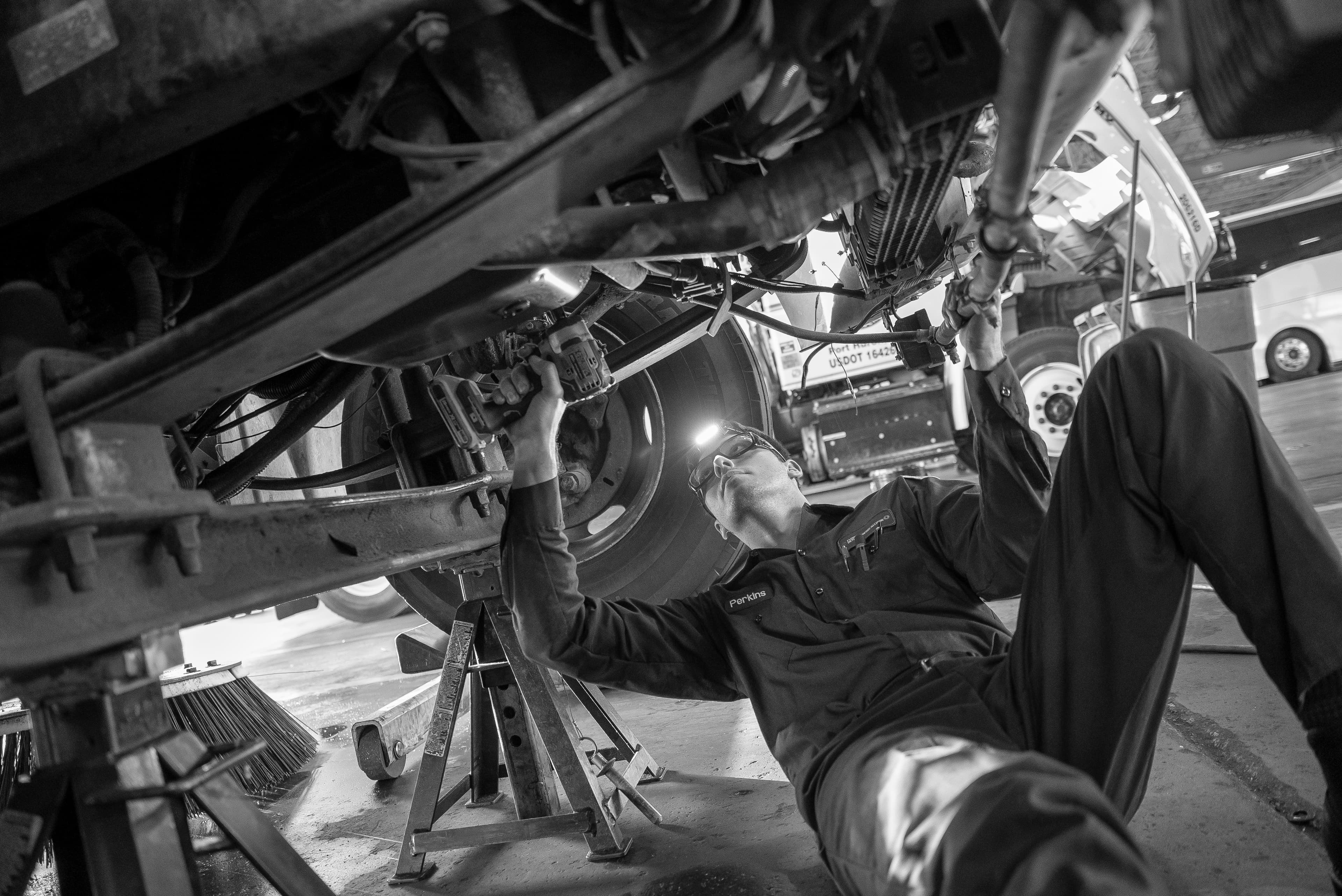
Diesel-powered equipment and engines keep the world moving. That demand creates a range of entry-level diesel mechanic jobs after training that individuals with the right skills can pursue.1
If you’re considering diesel mechanic training or have recently completed a program, understanding your job options can help you choose a path that fits your interests, lifestyle and long-term goals.
Below, we break down common entry-level roles, required skills, training pathways and industry outlook to help you plan your next step after graduation.
Overview of Entry-Level Diesel Mechanic Careers
Entry-level diesel mechanic jobs are designed for graduates of diesel mechanic training programs or individuals with foundational hands-on experience.
Diesel technicians play a critical role in maintaining transportation, commercial operations, agriculture and public infrastructure, making this career path highly relevant in today’s economy. As fleets grow and experienced technicians retire, employers across industries continue to seek trained entry-level talent.
At the core of these roles are practical skills such as:
- Diesel engine repair and maintenance.
- Mechanical and electrical systems troubleshooting.
- Preventive maintenance and safety inspections.
Strong labor demand is driven by fleet expansion, infrastructure investment and an aging workforce, which helps create steady diesel technician career opportunities for new graduates.
Common Entry-Level Diesel Mechanic Job Roles
After completing diesel mechanic training, graduates can pursue a variety of entry-level positions depending on the equipment they want to work on and the environment they prefer.
Below are several common entry-level diesel mechanic opportunities available across industries.
Diesel technician
Diesel technicians inspect, maintain and repair diesel engines used in trucks, buses, construction equipment and generators. At the entry level, technicians often perform preventive maintenance tasks like oil changes, brake service, fluid checks and diagnostics using industry-standard tools.
Read more: How To Become a Diesel Mechanic
Heavy equipment repair technician
Heavy equipment repair technicians work on large machines such as bulldozers, excavators, loaders and cranes. Entry-level responsibilities typically include inspecting equipment, replacing worn parts, assisting with hydraulic and electrical repairs, and performing routine maintenance.
Power generation technician
Power generation technicians maintain and repair diesel-powered generators that supply electricity to hospitals, data centers, manufacturing facilities and more. Entry-level technicians may assist with generator inspections, testing systems, replacing components, and troubleshooting electrical or mechanical issues.
Agriculture technician
Agriculture technicians, also known as agriculture mechanics, service and repair diesel-powered farming equipment such as tractors, harvesters, sprayers and irrigation systems. Entry-level work often involves routine maintenance, diagnostics and supporting repairs during peak planting or harvest seasons.
Read more: A Guide to Becoming an Agriculture Mechanic
Essential Skills and Qualifications for Entry-Level Diesel Mechanics
To succeed in entry-level roles, employers look for a combination of technical ability and professional skills.
Some skills employers are looking for when hiring diesel techs include:
- Mechanical aptitude (the ability to understand how systems work).
- Attention to detail and safety awareness.
- Comfort using diagnostic tools and software.
- Physical stamina and manual dexterity.
- Willingness to learn new technologies.
Increasingly, employers prefer candidates who have completed formal diesel mechanic training programs, as these graduates typically require less onboarding and ramp-up time.
Strong communication skills are also important — especially for technicians interested in advancing into lead, diagnostic or service management roles.
Read more: Skills of a Successful Diesel Technician
Training and Certification Pathways
Starting a diesel career is easier with a clear education and training roadmap. While there are different paths that you can take to a career in the diesel industry, a training program at a trade school can help get you there faster.
Completing a diesel training program
Programs like Universal Technical Institute’s (UTI) 45-week Diesel Technology program teach students about diesel technology using industry-standard tools and hands-on labs that mirror the industry.7,18
Hands-on training in this environment helps students apply theory to real problems, develop troubleshooting skills and build industry connections. Instructors at UTI are bringing a wealth of knowledge from their own time in the field and are a great resource for students as they go along their training journey.
Manufacturer-specific training
Pursuing additional diesel training can help when entering the job market as a diesel tech. Some trade schools, like UTI, offer manufacturer-specific training that focuses on a specific industry brand.
UTI’s manufacturer-specific advanced training programs (MSATs) include:11
- Cummins Engines46
- Cummins Power Generation46
- Peterbilt Technician Institute (PTI)15
- Daimler Truck North America (DTNA) Finish First
Industry-recognized certifications
Certifications help demonstrate technical competence and commitment. They can be beneficial when entering the workforce, helping graduates qualify for more diesel technician career opportunities.
One popular certification is from the National Institute of Automotive Service Excellence, or ASE. UTI’s Diesel Technology program is accredited by the ASE Education Foundation, and graduates of the program are prepared to take ASE exams. They can also substitute their training for one of the two years of work experience required to become ASE certified.
Read more: How To Become ASE Certified
How Universal Technical Institute Prepares Students for Diesel Mechanic Jobs
UTI prepares students for real-world diesel technician career opportunities through a combination of hands-on and online course learning to mirror industry training. Experienced instructors and an industry-aligned curriculum help students build practical, job-ready skills.
UTI also supports students beyond graduation with a variety of resources, including Career Services, where they can get assistance with job searches, resume building and more.
Does diesel mechanic training sound like the right path for you? Connect with us today to learn more!
Universal Technical Institute of Illinois, Inc. is approved by the Division of Private Business and Vocational Schools of the Illinois Board of Higher Education.
Train for the Future
Imagine waking up each day excited to work in a career you’re passionate about – one where your hands-on skills make a real impact. UTI’s vocational trade school can help you gain the skills and confidence to pursue what you love.
