
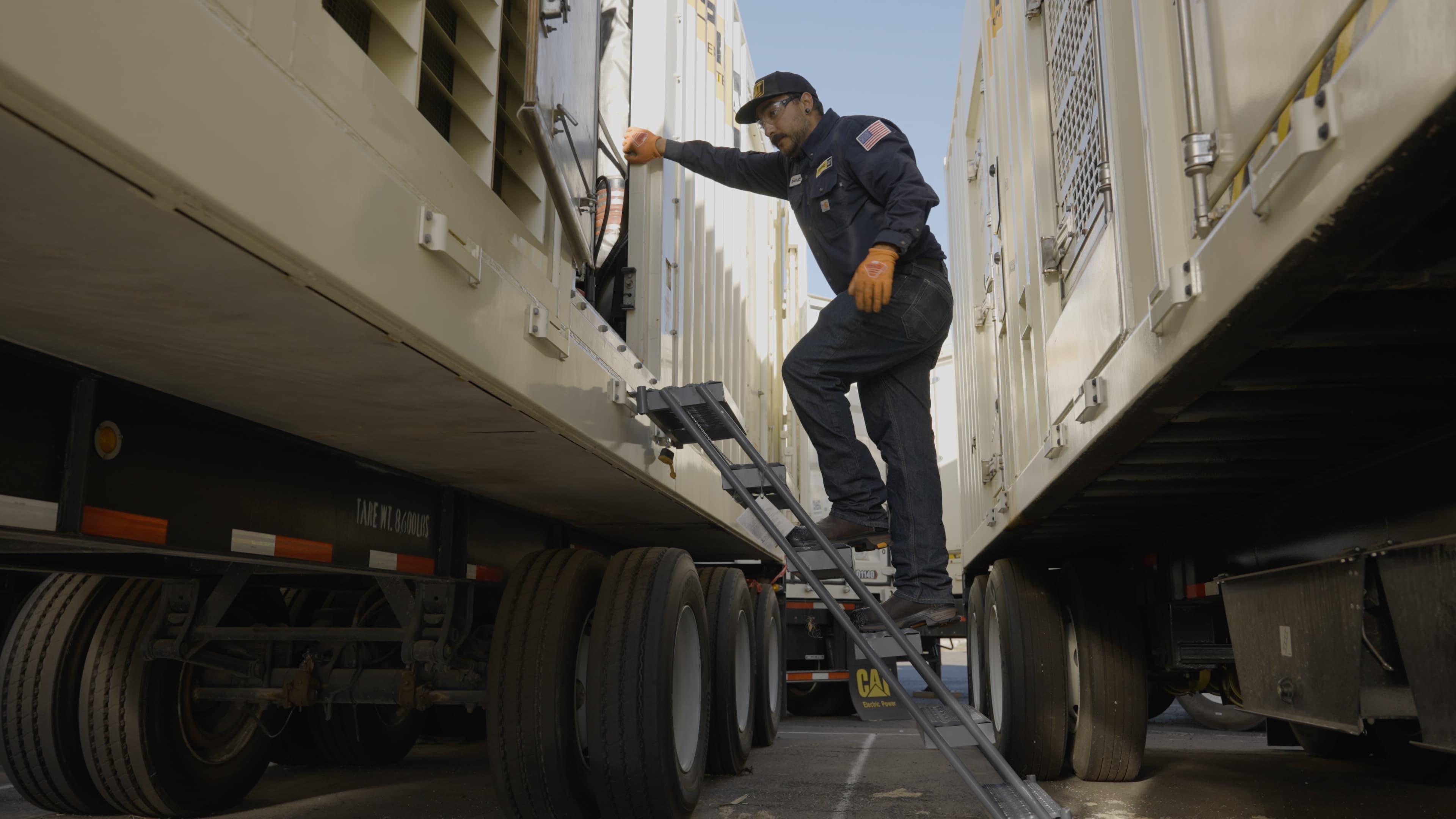
If you’re exploring how to become a diesel technician, understanding what the job looks like day to day is an important first step. Diesel technicians play a hands-on role in keeping trucks, buses and heavy equipment operating safely and efficiently.
Their work environments, schedules and responsibilities can vary, but most days are focused on maintenance, diagnostics and safety.
This overview breaks down what a typical day as a diesel technician can look like, from daily tasks to working conditions and how training at a school like Universal Technical Institute's (UTI) programs can help prepare you for the industry.1
What Diesel Technicians Do Each Day
A diesel technician’s day typically begins with inspecting and diagnosing vehicles or equipment brought in for service. Common daily tasks include performing preventive maintenance, identifying mechanical or electrical issues, and repairing diesel engines, fuel systems, brakes, suspensions and other key components.
In addition to hands-on repair work, diesel technicians document their findings and completed repairs to ensure accuracy and compliance with shop or fleet standards. Clear records help track maintenance history and support future diagnostics.
Communication is also part of the job. Diesel technicians often interact with service advisors, fleet managers or customers to explain repair needs, timelines and progress updates. Being able to describe technical issues in clear, professional terms helps keep work moving smoothly throughout the day.
Read: Diesel Mechanic Careers: A Comprehensive Guide
Work Environment, Schedule and Work-Life Balance
Diesel technicians can work in a range of settings, including repair shops, fleet garages or dealership service bays. These environments are typically well ventilated but can be noisy, busy and physically demanding. Some diesel technicians are mobile techs, traveling to job sites to perform repairs.
The work itself can be hands-on and dirty, with grease, fluids and heavy parts being part of daily life. Schedules are usually full-time, though some diesel technician roles offer evening, weekend or second- and third-shift options, especially in fleet or transportation settings that operate around the clock.
Overtime can be common during busy seasons, which may affect work-life balance but can also increase earning potential. For individuals considering how to become a diesel technician, understanding schedule flexibility is an important part of choosing the right work environment.
Read: What Is a Mobile Diesel Mechanic?
Physical Demands and Safety on the Job
Diesel technician work is physically active. Technicians often stand for long periods, lift heavy components, and work in tight or awkward spaces. Maintaining physical conditioning and using proper ergonomics can help reduce strain and support long-term career health.
Safety is a major priority in diesel work environments. Diesel technicians rely on personal protective equipment (PPE), organized workspaces and proper tool use to reduce risk. Safe handling of chemicals, fuels and heavy equipment is essential, along with following employer safety policies and procedures aligned with standards set by organizations such as the Occupational Safety and Health Administration (OSHA).
How Training Prepares Grads for Real-World Diesel Work
Formal training can play a key role in preparing students for the realities of diesel technician work. UTI’s 45-week Diesel Technology program simulates real shop conditions, allowing students to practice preventive maintenance, diagnostics and repairs in a controlled environment.7,18
Our diesel training also emphasizes safety from day one, helping students build habits that they carry into the workplace after graduating. Classroom instruction combined with hands-on lab application reinforces technical knowledge while developing communication and professionalism skills expected in repair shops, dealerships and fleet operations.
For those researching how to become a diesel technician, the right training can help bridge the gap between interest and workforce readiness.
Read: What Skills Can I Learn at Diesel Mechanic School?
Power Up Your Diesel Career Journey With UTI
The Diesel Technology program at UTI is designed to help students prepare for the work environment, schedules and physical demands encountered in entry-level diesel technician roles. Training focuses on real-world applications, safety practices and technical fundamentals aligned with how techs are trained in the industry.
If you want to explore how to become a diesel technician, our Admissions Team can help answer your questions about this hands-on career path.
Think you’re ready to get started? Enroll today!
Universal Technical Institute of Illinois, Inc. is approved by the Division of Private Business and Vocational Schools of the Illinois Board of Higher Education.